Scientists discover approximately 16,000 to 18,000 new species every year while extinction estimates range dramatically from hundreds to over 100,000 species annually. This ongoing race between discovery and extinction represents one of the most critical aspects of Earth’s biodiversity crisis in 2026. The scale of this phenomenon becomes even more remarkable when considering that scientists estimate approximately 85% of Earth’s species remain undiscovered, creating a paradox where we’re losing species faster than we can find them.
Key Takeaway
-
Scientists discover 16,000-18,000 new species annually
-
Extinction rates range from hundreds to 100,000+ species per year
-
Current extinction rates are 1,000-10,000 times higher than natural background rates
-
85% of Earth’s species remain undiscovered
How Many New Species Are Discovered Each Year?
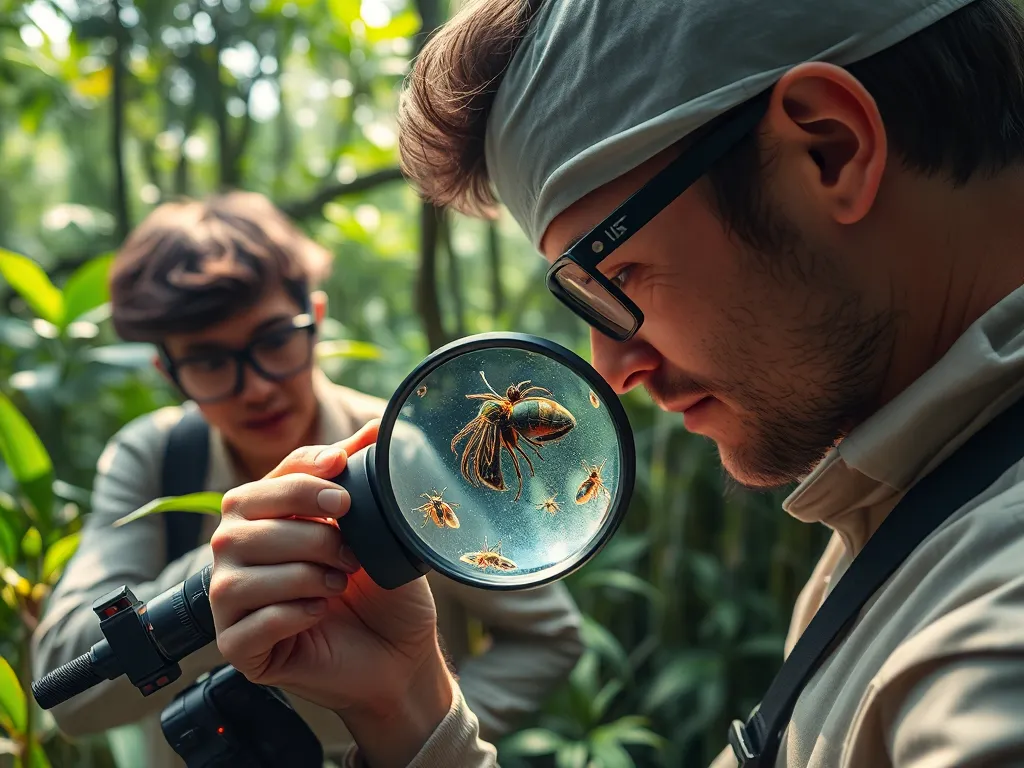
Annual Discovery Rates: 16,000-18,000 New Species
-
Annual total: Approximately 16,000 to 18,000 new species are discovered and described annually
-
Animal discoveries: Over 10,000 new animals each year, primarily insects and arthropods
-
Plant discoveries: About 2,500 new plant species identified every year
-
Fungi discoveries: Around 2,000 new fungi species documented annually
-
Microorganism discoveries: Approximately 1,500-2,000 new bacteria, protists, and viruses identified each year
-
Marine species: Over 2,000 new marine species discovered annually, particularly in deep-sea environments
This pattern shows that the vast majority of new species discoveries come from the smaller, less visible organisms like insects and microorganisms, rather than large charismatic animals. The discovery rate has been increasing steadily, reflecting both improved exploration techniques and taxonomic capabilities in the scientific community.
For example, in 2025 alone, researchers discovered the Amazonian glass frog with transparent skin, a deep-sea anglerfish with bioluminescent lures, and a new species of orchid that blooms only at night. These discoveries highlight how much we still have to learn about Earth’s biodiversity.
The distribution of discoveries reveals interesting patterns about where life remains unknown. Tropical regions, particularly the Amazon rainforest, Southeast Asian rainforests, and deep ocean habitats, consistently yield the highest number of new species. These biodiversity hotspots are often difficult to access, requiring specialized equipment and expertise, which explains why they’ve remained relatively unexplored until recent decades.
The ‘Golden Age’ of Species Discovery
We are currently experiencing what scientists call a “Golden Age” of species discovery. Around 15% of all known species have been discovered in just the past 20 years, which represents an unprecedented acceleration in our understanding of Earth’s biodiversity.
This remarkable pace means that scientists are now discovering species faster than at any point in human history. The total number of described species has grown from approximately 1.5 million in 2006 to over 2.2 million in 2026, with more being added every day.
This acceleration is driven by several revolutionary factors. Advanced DNA sequencing technology has allowed scientists to identify species that look identical but are genetically distinct, leading to what’s called “cryptic species” discoveries.
For instance, what was once considered a single species of African elephant has been revealed to be two distinct species through genetic analysis. Similarly, environmental DNA (eDNA) sampling allows researchers to detect species presence simply by filtering water or soil and analyzing the genetic material left behind, opening up entirely new ways of discovering organisms without even seeing them.
Improved exploration techniques have also contributed significantly to this golden age. Remotely operated vehicles (ROVs) equipped with high-definition cameras can now dive to depths of 6,000 meters, capturing images and collecting samples from previously inaccessible deep-sea environments.
Meanwhile, satellite imagery and advanced mapping tools help identify promising terrestrial habitats for exploration. Citizen science platforms like iNaturalist have democratized species discovery, allowing amateur naturalists to contribute observations that often lead to new discoveries when verified by experts.
How Many Species Go Extinct Each Year?
Extinction Estimates: From Hundreds to 100,000+ Annually
|
Estimate Type |
Annual Extinction Rate |
Basis |
|---|---|---|
|
High Estimates |
10,000–100,000 species |
Assuming 10 million total species |
|
Scientific Estimates |
Documented rates |
Based on observed extinctions |
|
Daily Loss |
24–150 species per day |
UN Convention on Biological Diversity |
|
IUCN Red List |
~150 documented extinctions annually |
Officially recognized species |
These dramatic differences in extinction estimates reflect the challenge of measuring something that often happens before species are even discovered. The uncertainty creates significant challenges for conservation planning and resource allocation. Many extinctions occur in remote locations or among inconspicuous species like insects, fungi, and microorganisms that receive little attention from scientists and conservationists.
The International Union for Conservation of Nature (IUCN) Red List provides the most authoritative assessment of extinction status, documenting approximately 150 extinctions annually. However, this represents only a fraction of the actual number, as many species disappear before they’re formally described or assessed.
For example, the Pinta Island tortoise was declared extinct in 2012 when the last known individual died, but it likely disappeared years earlier without documentation. Similarly, countless plant and invertebrate species in tropical forests may go extinct annually without ever being recorded by science.
What Makes a Species ‘Endangered’?
Habitat loss stands as the primary driver of species endangerment and extinction worldwide, affecting approximately 85% of threatened species according to the IUCN. When natural environments are destroyed or fragmented, species lose their homes and food sources, leading to population declines that can quickly become irreversible.
This is particularly concerning in tropical rainforests and coral reefs, which contain the highest concentrations of biodiversity but are also experiencing the most rapid rates of destruction. For instance, the Sumatran orangutan has lost over 80% of its habitat in the past century, pushing it to the brink of extinction with fewer than 14,000 individuals remaining.
Other major threats include over-exploitation of wildlife for commercial purposes, the introduction of harmful nonnative species that outcompete native organisms, pollution of air, water and soil, and the spread of diseases. These factors often interact, creating compounding effects that accelerate species decline. The Wildlife conservation community works to address these threats through protected areas, legislation, and international cooperation.
Climate change has emerged as an increasingly significant threat, with rising temperatures, changing precipitation patterns, and extreme weather events disrupting ecosystems worldwide. The coral bleaching of Great Barrier Reef, which has lost over 50% of its coral cover since 1995, exemplifies how climate change can devastate entire ecosystems. Similarly, polar bears are losing their sea ice habitat at an alarming rate, with some scientists predicting they could become extinct by 2100 if current warming trends continue.
Pollution takes many forms that endanger species. Plastic waste in oceans affects marine life through entanglement and ingestion, while agricultural chemicals poison waterways and affect amphibian populations.
Light pollution disrupts migratory patterns and nocturnal behaviors, and noise pollution interferes with communication and navigation for various species. The vaquita porpoise, for example, is critically endangered with fewer than 10 individuals remaining, primarily due to entanglement in illegal fishing nets in the Gulf of California.
Have 99.9% of All Species Gone Extinct?
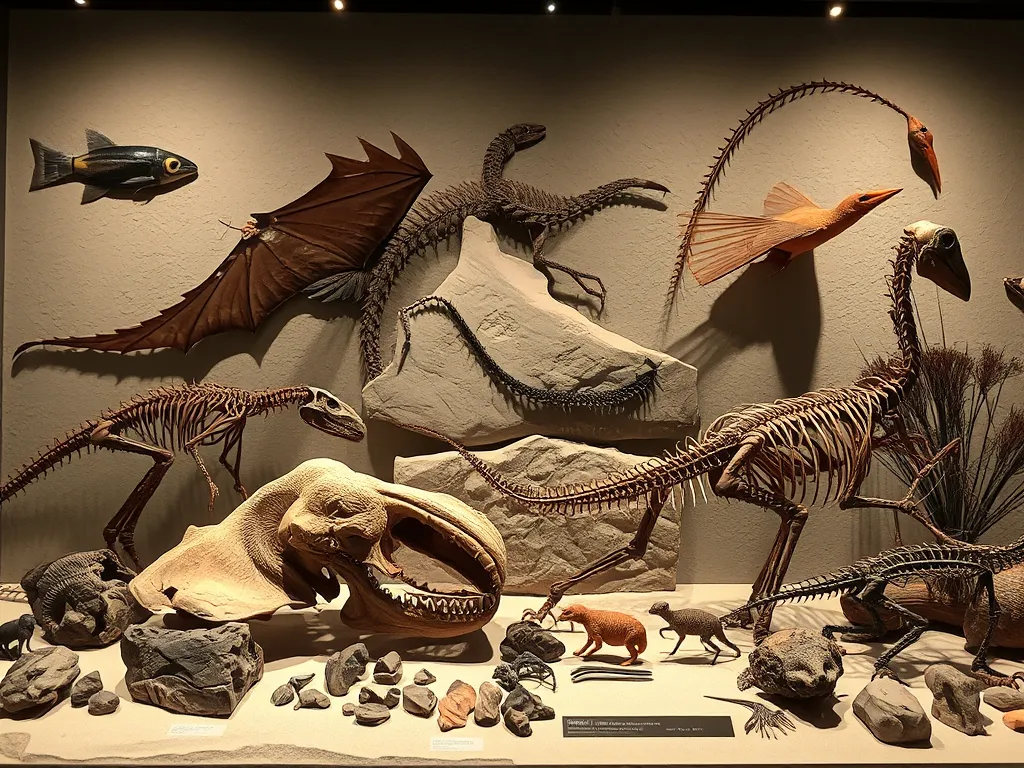
The Scale of Extinction Through Time
It is estimated that over 99.9% of all species that ever lived are extinct. This staggering statistic provides important context for understanding extinction as a natural process rather than something entirely new.
The average lifespan of a species ranges from 1 to 10 million years, though this varies tremendously between different taxonomic groups. Mammal species typically last about 1 million years, while some bacterial species have existed for billions of years with minimal change.
Throughout Earth’s 4.5-billion-year history, there have been five major mass extinction events that eliminated vast numbers of species. These events, caused by factors like asteroid impacts, massive volcanic eruptions, and dramatic climate changes, wiped out 50-96% of all species alive at those times. The most famous is the Cretaceous-Paleogene extinction 66 million years ago that eliminated the dinosaurs, while the most severe was the Permian-Triassic extinction 252 million years ago that destroyed 96% of marine species and 70% of terrestrial vertebrate species.
Between these mass extinction events, Earth has experienced numerous smaller extinction events and periods of high turnover. The fossil record shows that extinction is a natural part of evolutionary processes, with species constantly arising and disappearing.
However, the current situation differs from these past events primarily in its cause – human activity rather than natural planetary forces. The rate and scale of current extinction events are unprecedented in the context of human existence, though comparable to some of the great mass extinctions of geological history.
Current Crisis: Extinction Rates vs Natural Background
-
Current rate: Species loss is estimated to be 1,000–10,000 times higher than the natural background rate
-
Background rate: About one species per every one million species per year under natural conditions
-
Documented rate: The International Union for Conservation of Nature (IUCN) tracks specific extinctions, though many go unrecorded
-
Future projections: Some studies suggest 30-50% of all species could be lost by 2050 if current trends continue
-
Taxonomic impact: Certain groups are experiencing much higher extinction rates, with amphibians facing extinction rates up to 45,000 times background levels
-
Extinction debt: Scientists estimate 10-30% of currently threatened species are already committed to extinction regardless of conservation efforts
This dramatic acceleration in extinction rates represents one of the most significant environmental challenges of our time. The unprecedented speed at which species are disappearing means that many will go extinct before we even have a chance to discover and study them. For example, the Monteverde golden toad was discovered in 1966 and declared extinct in 1989, existing as a recognized species for only 23 years before disappearing due to climate change and disease.
Understanding the scale of this crisis requires looking at both discovery and extinction rates simultaneously. While we’re finding new species at an impressive rate, we’re losing existing species at an even faster pace.
This creates what scientists call an “extinction debt” – species that are already doomed to extinction but haven’t disappeared yet. The comprehensive guide to primate groups helps illustrate how specific taxonomic groups are affected by these broader biodiversity trends.
Certain ecosystems and taxonomic groups are experiencing particularly severe extinction crises. Coral reefs, which support 25% of all marine species, are facing catastrophic losses due to warming oceans and acidification.
Amphibians, with their permeable skin making them highly sensitive to environmental changes, are experiencing global declines with potentially 40% of species at risk of extinction. Freshwater ecosystems, though covering less than 1% of Earth’s surface, are home to 10% of all known species and are experiencing extinction rates five times higher than terrestrial ecosystems.
The most surprising finding is that despite discovering thousands of new species annually, we’re likely losing species even faster than we find them. This means that the net effect is still a rapid decline in Earth’s biodiversity. One immediate action you can take is to support organizations working on species documentation and conservation, as accurate data is essential for effective protection efforts.
Additionally, reducing your environmental footprint through sustainable choices and supporting conservation policies can help slow the extinction crisis. The Wildlife conservation efforts depend on both scientific discovery and practical action to preserve Earth’s incredible biodiversity for future generations.