With wildlife populations declining by 68% since 1970, individual backyards can become vital habitats that support local biodiversity and help reverse this trend, similar to how ecotourism supports wildlife conservation on a larger scale.
- Target at least 70% native plant coverage to support local wildlife effectively
- Provide water sources, shelter areas, and food sources to create a complete habitat
- Eliminate pesticides and reduce lawn areas to maximize wildlife benefits
Essential Elements for a Wildlife-Friendly Backyard
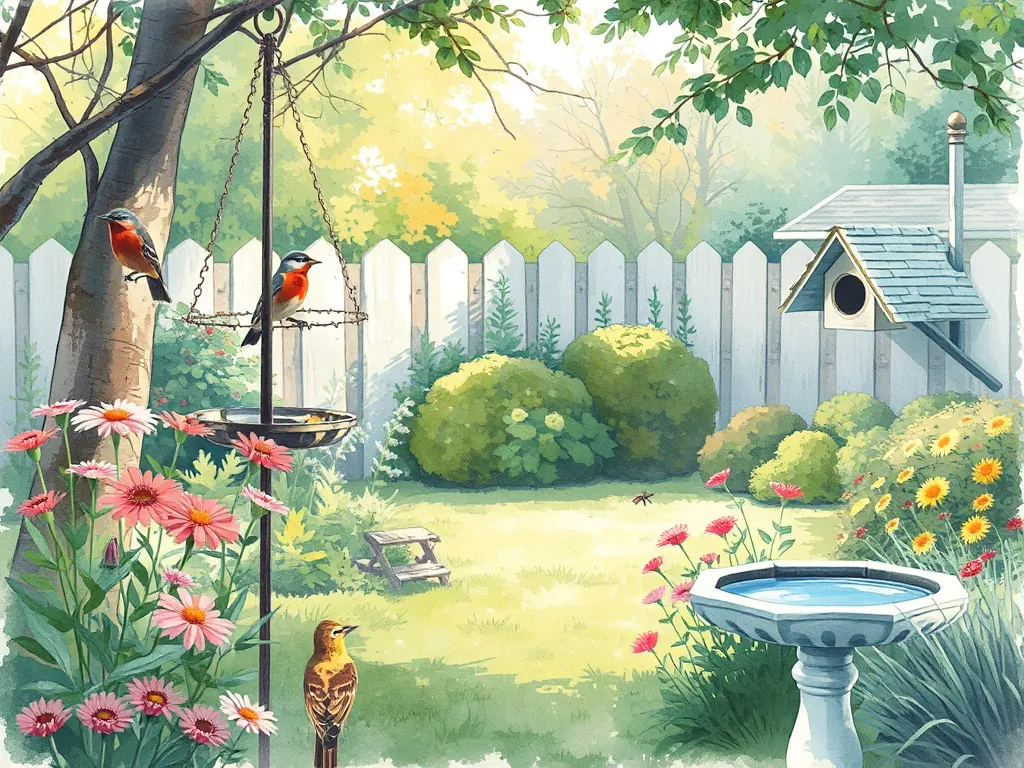
Creating a wildlife-friendly backyard requires understanding the fundamental elements that attract and support various species. These elements work together to create a thriving ecosystem that benefits both wildlife and the environment. By implementing these essential components, you can transform your outdoor space into a haven for local biodiversity.
Water Sources for Wildlife
- Birdbaths: Install shallow birdbaths (1-2 inches deep) with rough surfaces to prevent slipping. Place them in open areas away from predators and change water every 2-3 days to prevent mosquito breeding. Birdbaths attract birds, butterflies, and beneficial insects.
- Shallow Dishes: Use wide, shallow dishes with stones for perching.
These are ideal for smaller spaces and can be placed on the ground or elevated. They’re particularly attractive to bees, butterflies, and ground-dwelling birds.
- Ponds and Water Features: Small ponds (as small as 3×3 feet) with gentle slopes and native aquatic plants create diverse habitats for frogs, dragonflies, and birds.
Include a shallow area for easy access and maintain water circulation if possible.
Water is often the most effective wildlife attractant, as many species struggle to find clean water sources in developed areas. A single water feature can attract dozens of species and become a focal point of your wildlife habitat.
Creating Natural Shelter Areas
- Brush Piles: Create piles of branches, twigs, and leaves in corners of your yard. Aim for 3-4 feet tall and wide. These shelters protect small mammals, insects, and amphibians from predators and harsh weather.
Rotate brush piles every 2-3 years as they decompose.
- Dead Wood and Logs: Leave dead trees standing (if safe) or place logs in garden beds. Rotting wood provides habitat for beetles, ants, and other insects that serve as food for birds and mammals. Position logs in partially shaded areas to extend their useful life.
- Nesting Structures: Install birdhouses sized appropriately for target species (4-6 inches deep entrance hole for chickadees, 1.5 inches for bluebirds).
Place bat houses 12-15 feet high facing south-southeast. Bee hotels should be placed 3-5 feet off the ground in sunny locations.
Shelter areas are critical for wildlife survival, providing protection from predators, extreme weather, and places to raise young. Different species require different types of shelter, so variety is key to supporting a diverse wildlife community.
Food Sources for Local Wildlife
Native plants provide the most sustainable and appropriate food sources for local wildlife. When selecting plants, focus on species that naturally occur in your region and support the specific animals you want to attract. Native co-evolution ensures that local wildlife can properly digest and benefit from these plants.
The most effective wildlife gardens provide food throughout all seasons. Early-blooming plants support emerging insects after winter, while late-season berries and seed heads provide crucial energy for migratory birds preparing for long journeys. This continuous food supply ensures that wildlife can thrive year-round rather than just during peak growing seasons.
Plant diversity creates multiple food sources – nectar for pollinators, seeds for birds, berries for mammals, and foliage for caterpillars. This variety supports a wider range of species and creates a more resilient ecosystem. By planting in clusters rather than individual specimens, you create more efficient foraging areas that wildlife prefer.
Native Plants and Habitat Creation
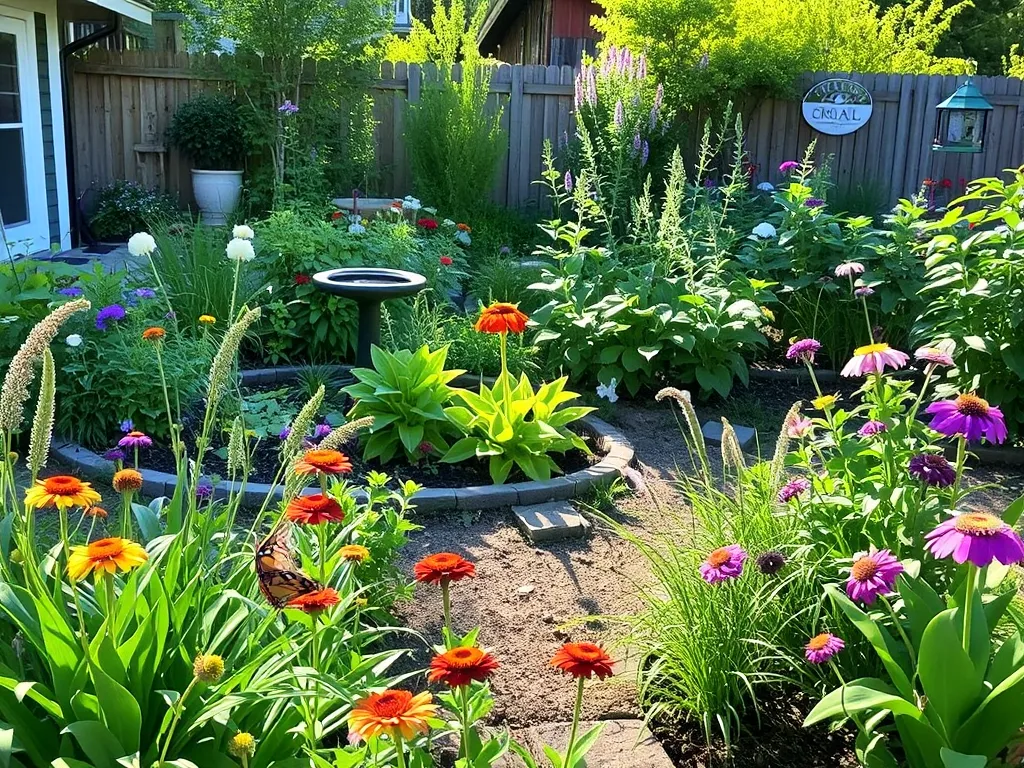
Successful wildlife habitat creation begins with thoughtful planning and understanding of your local ecosystem. Native plants form the foundation of any wildlife-friendly garden, providing food, shelter, and breeding opportunities for local species. By strategically selecting and arranging native plants, you can create a thriving ecosystem that supports biodiversity while maintaining an aesthetically pleasing landscape.
Planning Your Native Plant Layout
Begin by researching which native plant species thrive in your specific climate zone and soil conditions. Consult local extension services, native plant societies, or reputable nurseries specializing in indigenous flora. This research ensures you select plants that will establish successfully and provide maximum benefits to local wildlife.
The next step is to inventory your existing yard conditions, noting sunlight exposure, soil moisture levels, and existing vegetation. Create a simple map of your property to visualize how different areas can support various plant communities. This spatial planning helps you identify opportunities to enhance wildlife corridors and connect different habitat elements.
Aim for at least 70% native plant coverage in your landscape to provide meaningful wildlife support. Start with larger canopy trees and understory shrubs, then fill in with perennials, grasses, and groundcovers. Group plants by water and light requirements to create efficient maintenance zones while maximizing wildlife benefits.
Layering Plants for Maximum Wildlife Support
Natural ecosystems thrive on vertical complexity, with multiple layers of vegetation creating diverse habitats. Recreate this structure by planting in three distinct layers: canopy trees (15-30 feet), understory shrubs (4-15 feet), and ground covers (under 4 feet). This layering provides varied microclimates, food sources at different heights, and shelter options for different species.
Canopy trees provide critical nesting sites and perching spots for birds while offering shade that moderates ground temperature. Select native species that produce nuts, fruits, or seeds to support wildlife.
Understory shrubs fill the middle space, offering berries, cover, and nesting materials. Ground covers stabilize soil, prevent erosion, and provide habitat for insects and small mammals.
When arranging these layers, consider wildlife movement patterns. Create corridors that connect different habitat areas, allowing animals to move safely through your yard. Leave some areas less structured to mimic natural edges and transitions between different plant communities, which are often rich in biodiversity.
Native Plants That Attract Specific Wildlife
Different native plants attract different wildlife based on their specific characteristics. For bird enthusiasts, planting native berry-producing shrubs like serviceberry, viburnum, and dogwood provides crucial food sources. These plants offer berries at different times throughout the growing season, supporting resident birds and providing energy for migratory species.
Pollinators are particularly drawn to native wildflowers with specific bloom times and flower shapes. Milkweed is essential for monarch butterflies, while coneflowers, black-eyed susans, and asters support numerous bee species. Native grasses like little bluestem and switchgrass provide nesting material and support beneficial insects.
Mammals such as rabbits and deer are attracted to native forbs and grasses, though you may want to protect certain plants with barriers. Native trees like oak and maple support hundreds of caterpillar species, which in turn provide food for birds. By understanding these relationships, you can select plants that specifically support the wildlife you want to attract.
Maintaining Your Wildlife Habitat
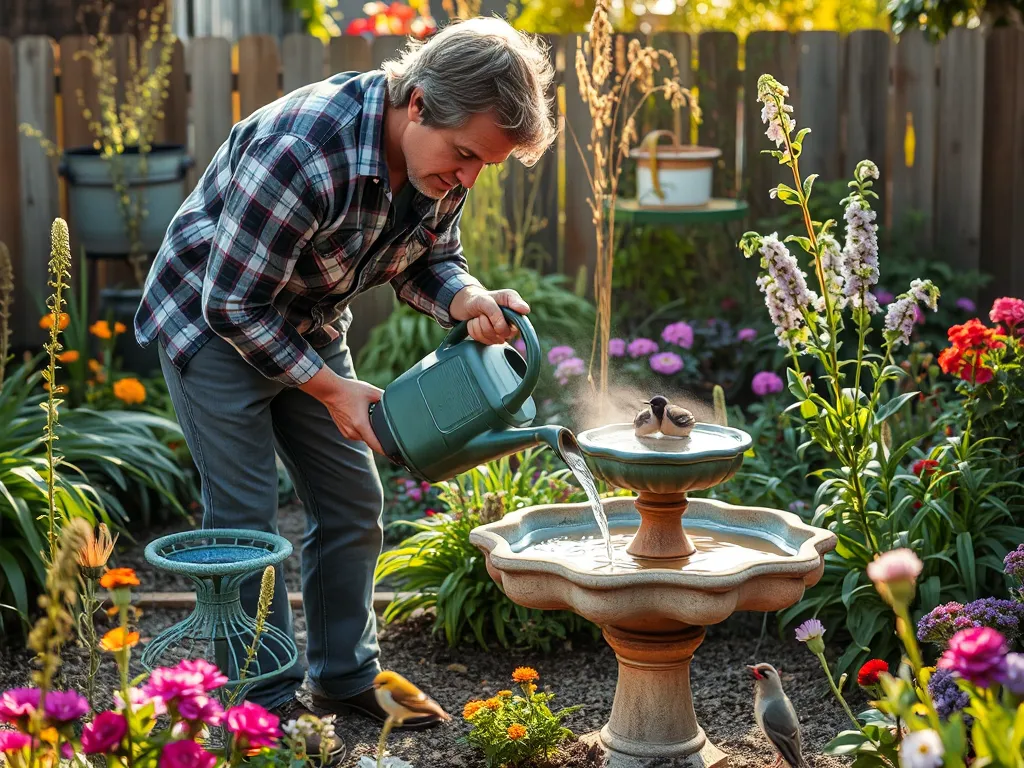
Once established, your wildlife habitat requires ongoing maintenance to ensure it continues to support local biodiversity. This maintenance focuses on sustainable practices that enhance rather than disrupt the ecosystem you’ve created. By adopting appropriate maintenance techniques, you can enjoy a beautiful garden while providing excellent habitat for wildlife.
Reducing Chemical Use in Your Garden
Synthetic pesticides, herbicides, and fertilizers can harm wildlife directly or indirectly by contaminating food sources and water. Instead, adopt organic gardening practices that work with nature rather than against it. Use physical barriers like row covers to protect plants from pests, encourage beneficial insects that prey on pests, and hand-remove problematic insects when necessary.
Weeds can be managed through mulching with organic materials like shredded leaves or wood chips, which also improves soil health and retains moisture. For persistent weeds, use manual removal or targeted applications of organic herbicides derived from natural sources like vinegar or citric acid. These approaches maintain habitat quality while controlling unwanted vegetation.
Fertilize your garden with compost, well-rotted manure, or organic fertilizers that release nutrients slowly. These natural fertilizers support healthy soil ecosystems without the harmful runoff associated with synthetic fertilizers. Healthy soil supports healthy plants, which in turn support more wildlife.
Seasonal Maintenance for Wildlife Habitats
- Spring: Clean and refill water sources weekly. Remove dead plant material only after new growth appears to provide overwintering habitat for beneficial insects. Plant native trees and shrubs while soil is moist from spring rains.
- Summer: Increase water changes to every other day in hot weather.
Deadhead spent flowers to encourage reblooming but leave some seed heads for birds. Monitor for pest outbreaks before they become problematic.
- Fall: Leave fallen leaves in garden beds as natural mulch and habitat. Plant spring-blooming bulbs and divide perennials.
Clean and store birdhouses after nesting season ends.
- Winter: Provide liquid water sources when temperatures drop below freezing. Avoid pruning until late winter to protect overwintering insects.
Plan next year’s garden during quiet winter months.
Seasonal maintenance ensures your wildlife habitat remains productive throughout the year. By adjusting your maintenance activities to match natural cycles, you minimize disruption while maximizing benefits to wildlife.
Certification Options for Wildlife Habitats
Certifying your wildlife habitat provides recognition for your efforts and connects you with a community of like-minded individuals. The National Wildlife Federation’s Certified Wildlife Habitat program offers a comprehensive framework with specific requirements for food, water, cover, and places to raise young. Certification involves documenting your habitat features and paying a modest fee.
Beyond the satisfaction of official recognition, certification often comes with educational materials, discounts at partner nurseries, and inclusion in a national registry of wildlife habitats. Many certified gardeners report increased motivation to maintain their habitat once officially recognized.
To begin the certification process, document your habitat features through photos and notes, then submit an application through the National Wildlife Federation website. The application typically requires verification of food sources (native plants), water features, shelter areas, and nesting sites. Once certified, you’ll receive a certificate and yard sign to proudly display your commitment to wildlife conservation.
When you certify your wildlife habitat, you join a network of over 250,000 certified habitats across North America, creating a collective impact that spans millions of acres through community conservation approaches that outperform traditional models. Take the first step today by visiting the National Wildlife Federation’s website to download their free habitat planning guide and start your certification journey.
Frequently Asked Questions About How To Make Your Backyard More Wildlife-Friendly
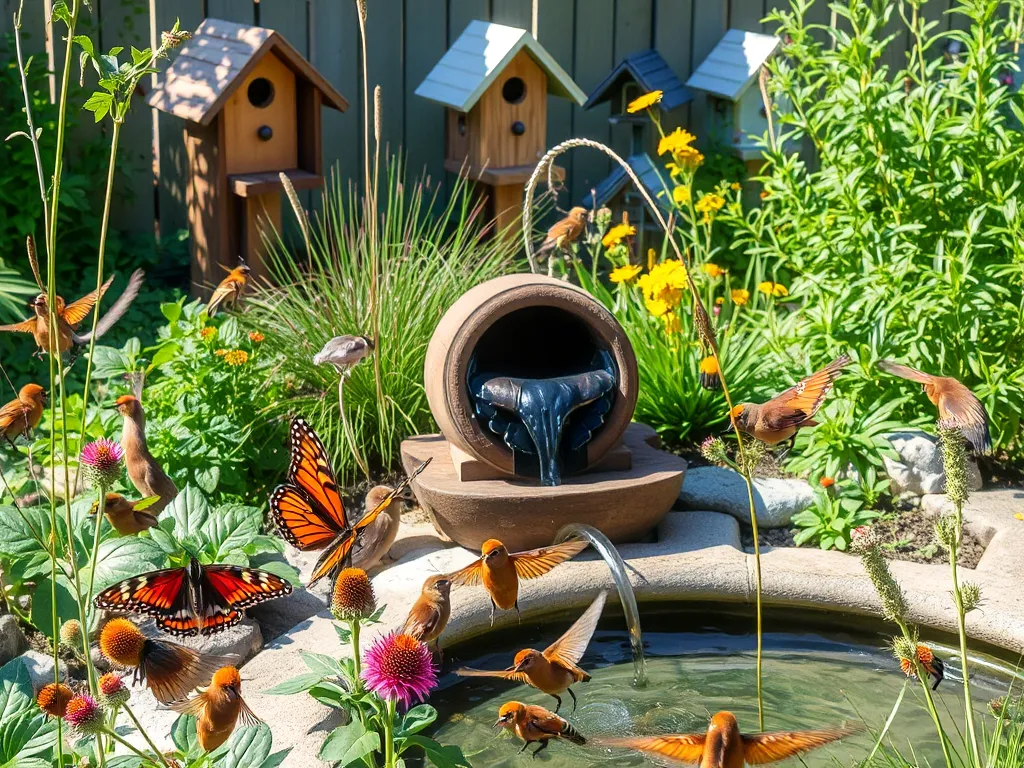
How to attract more wildlife to your yard?
Simple Ways to Attract Wildlife: Plant native flowers, trees, and shrubs Provide water sources like birdbaths or small ponds Leave some areas untamed for shelter Avoid pesticides and herbicides Install birdhouses, bat boxes, and pollinator hotels Your homestead doesn't have to be a fortress.
How do I turn my backyard into a wildlife habitat?
Provide water…. Offer natural food sources…. Skip the lawn chemicals….
Make your windows bird-safe…. Shrink your lawn a little…. Build a brush pile….
Be a friend to bees…. Put up a bat house.
Which color attracts wild animals?
ORANGE flowers attract orioles and warblers YELLOW flowers attract goldfinches and warblers BLUE flowers attract blue birds and blue jays EARTH TONES such as greens, tans and browns will also attract more skittish birds such as quail, doves and sparrows. These colors offer shelter and safety.
What are the 5 essential elements for a proper habitat for wildlife?
The most critical aspect of wildlife conservation is habitat management. Habitat loss presents the greatest threat to wildlife.
Five essential elements must be present to provide a viable habitat: food, water, cover, space, and arrangement. The need for food and water is obvious.
What are the three enemies of the garden?
There are three major groups of natural enemies: predators, parasitoids and pathogens. Predators, such as ladybugs and spiders, eat many prey in a lifetime. Often they are larger and stronger than their prey and the most visible natural enemies in our garden.