Ecotourism supports wildlife conservation by providing critical funding for protected areas, often paying for up to 84% of national park funding while creating economic alternatives to poaching for local communities. This sustainable approach transforms wildlife from a resource to be exploited into an asset worth protecting, ensuring the long-term survival of endangered species and their habitats. When travelers choose responsible wildlife experiences, they directly contribute to conservation efforts that might otherwise be underfunded and understaffed, creating a powerful economic incentive for preserving biodiversity.
- Ecotourism provides critical funding for protected areas, often paying for up to 84% of national park funding
- Creates economic alternatives to poaching and logging for local communities through tourism jobs
- Acts as a deterrent to illegal activities as tourist presence increases monitoring and protection
Critical Funding for Protected Areas
- Up to 84% funding – Ecotourism often pays for up to 84% of national park funding, providing essential financial support for conservation projects that might otherwise be neglected due to limited government budgets
- Financial incentives for protection – Creates strong economic incentives to protect habitats and endangered species by attaching monetary value to wildlife conservation efforts
- Economic value creation – Assigns economic value to wildlife conservation that might otherwise be seen as a cost rather than an investment, making conservation financially sustainable
- Global impact scale – Wildlife tourism now supports nearly 22 million jobs around the world and contributes more than $120 billion to global GDP, demonstrating the massive economic potential of conservation-focused tourism
- Infrastructure development – Provides crucial funding for conservation infrastructure including visitor centers, research stations, and monitoring equipment that enhance protection capabilities
Revenue Streams from Ecotourism Activities
| Revenue Source | Conservation Impact |
|---|---|
| Park fees and entrance charges | Fund infrastructure development and maintenance of protected areas |
| Safari fees and guided tours | Support anti-poaching patrol equipment and ranger operations |
| Tourism taxes and levies | Contribute directly to habitat restoration and species monitoring projects |
| Lodge accommodations and services | Generate ongoing revenue for community-based conservation initiatives |
| Local craft sales and cultural experiences | Provide alternative income sources that reduce pressure on natural resources |
How Does Ecotourism Help Wildlife?
Ecotourism seeks to protect fragile ecosystems and wildlife habitats by creating economic incentives for their preservation. Protected areas and national parks serve as ideal destinations for ecotourism because they are already safeguarded by legal protections. The revenue generated from tourist activities directly supports conservation efforts in these areas, ensuring that wildlife habitats remain intact and species can thrive in their natural environments.
When visitors pay park fees, hire local guides, or purchase community-based products, these funds create a sustainable financial model for conservation that doesn’t rely solely on government funding or international donations. This economic model has proven particularly effective in biodiversity hotspots where traditional conservation funding has been insufficient.
Empowering Local Communities Through Ecotourism
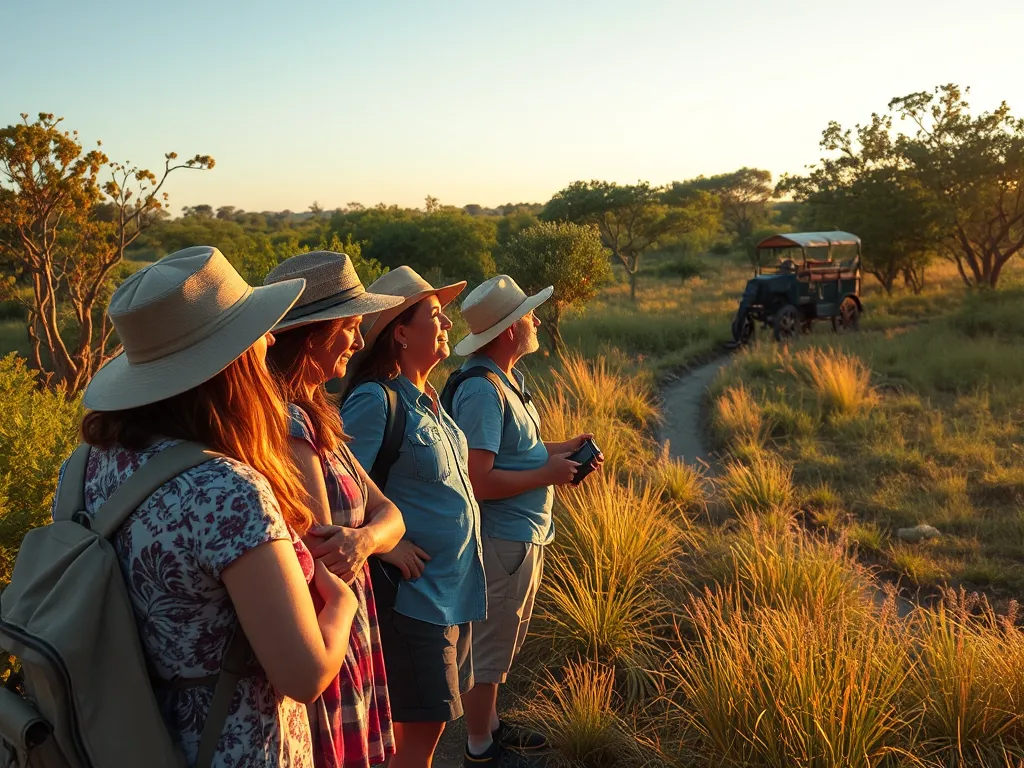
Economic Alternatives to Destructive Activities
- Sustainable tourism jobs – Creates diverse employment opportunities including guides, lodge staff, rangers, and craft producers that provide stable income alternatives to destructive activities like poaching or logging
- Community transformation – Shifts local communities from being exploiters of wildlife to becoming custodians who benefit from conservation, creating powerful incentives for long-term protection
- Reduced hunting incidents – Community-based tourism programs have demonstrated significant reductions in hunting activities as locals recognize greater economic benefits from living wildlife than from dead specimens
- Skills development – Provides training in hospitality, guiding, and conservation management that builds local capacity and creates career advancement opportunities
- Gender equality – Often creates employment opportunities for women in hospitality, craft production, and small business development, empowering female community members economically
Community Custodianship Success Stories
Rwanda’s mountain gorilla tourism stands as a remarkable example of successful community-based ecotourism. Through carefully managed gorilla trekking programs, local communities have seen their income from ecotourism increase dramatically while hunting incidents have decreased over time. This transformation has turned former poachers into conservation allies, with local communities becoming active participants in protection efforts rather than passive bystanders.
Similar success stories have emerged in Kenya with lion conservation and in India with tiger protection programs, demonstrating how ecotourism can fundamentally change the relationship between people and wildlife. In Namibia, community conservancies have seen wildlife populations rebound as local communities directly benefit from tourism revenue, creating a powerful incentive for sustainable natural resource management. These examples show how ecotourism can create a win-win scenario where both wildlife and local communities thrive.
What Is the Role of Ecotourism in Environmental Conservation?
Ecotourism offers a comprehensive model for responsible travel that aligns environmental protection, social equity, and cultural preservation goals. By supporting destinations that prioritize sustainability, travelers directly contribute to conserving ecosystems while sustaining local communities and experiencing authentic cultural connections. This integrated approach ensures that conservation benefits extend beyond wildlife protection to include human development, creating a more balanced and sustainable relationship between people and nature.
The four key principles of ecotourism—conservation, community, culture, and commerce—work together to create a holistic approach that addresses both environmental and social challenges. When implemented properly, ecotourism minimizes waste, pollution and other byproducts of traditional tourism while supporting local businesses rather than international corporations, ensuring that economic benefits remain within the communities that are most directly impacted by conservation efforts.
Deterring Illegal Activity and Promoting Sustainable Practices
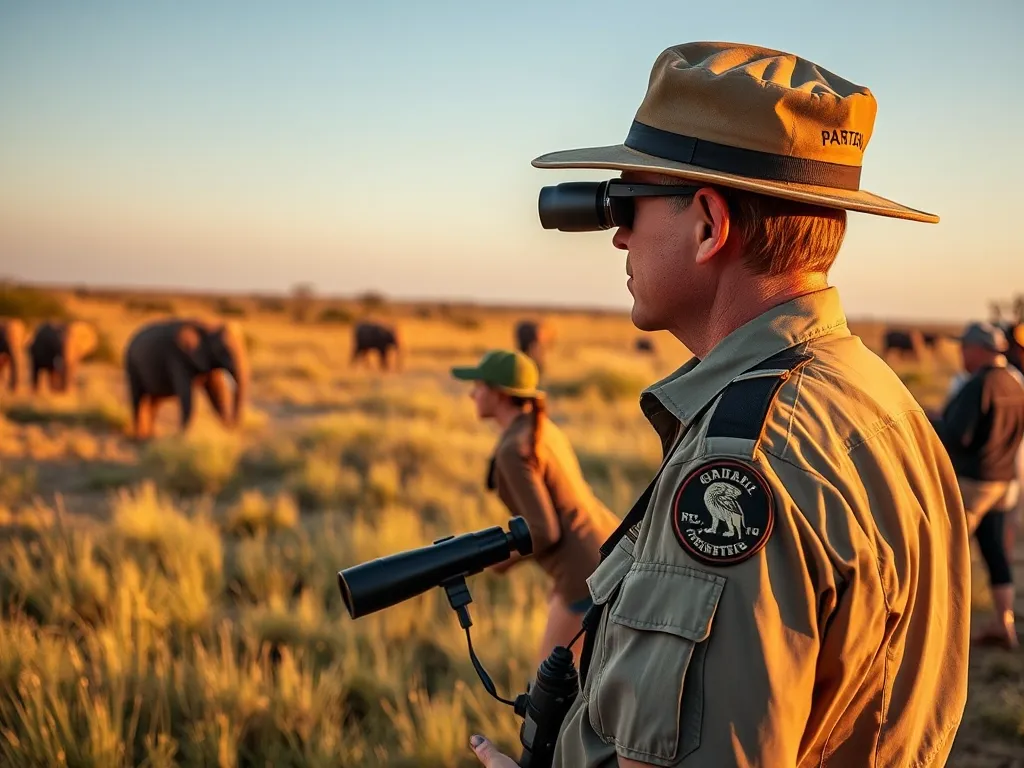
Tourist Presence as Natural Protection
- Human deterrent effect – The consistent presence of travelers and guides in wilderness areas creates a natural deterrent against poachers and illegal hunters who avoid areas with high human activity
- Enhanced monitoring capabilities – Tourist activity increases the number of eyes on the ground, providing additional monitoring and protection in natural areas that might otherwise be poorly patrolled
- Reduced illegal development – Areas with active ecotourism see significant reductions in illegal logging, mining, and other development activities that degrade wildlife habitats
- Legal framework reinforcement – Ecotourism destinations often strengthen legal protections and enforcement mechanisms because of the economic importance of conservation areas
- Community vigilance – Local communities involved in ecotourism develop greater awareness and willingness to report illegal activities, creating additional layers of protection
How Does Tourism Affect Wildlife?
Tourist activities can have both positive and negative impacts on wildlife. On one hand, responsible ecotourism contributes to conservation funding and habitat protection. On the other hand, tourist actions can disturb animals and affect their ability to survive—touching or feeding animals can make them sick, while noisy tourist vehicles may scare animals away and disrupt natural behaviors.
Ecotourism addresses these concerns through strict guidelines that minimize disturbance, maintain appropriate viewing distances, and establish no-go zones during sensitive periods like breeding seasons. Responsible operators implement codes of conduct that ensure wildlife remains wild and natural behaviors are not disrupted.
The key difference between conventional tourism and ecotourism lies in the commitment to minimizing negative impacts while maximizing conservation benefits. When properly managed, ecotourism can actually enhance wildlife protection by providing the economic resources needed for effective management while educating visitors about the importance of conservation.
Funding Scientific Research and Monitoring
- Species monitoring support – Funds generated from ecotourism often support scientific research and monitoring of endangered species, providing crucial data for understanding population trends and habitat requirements
- Conservation planning – Financial contributions from tourism help develop long-term conservation strategies and management plans based on scientific research rather than guesswork
- Technology advancement – Ecotourism revenue frequently funds advanced monitoring technologies like camera traps, satellite tracking, and genetic analysis that enhance protection efforts
- Research capacity building – Supports training of local researchers and conservationists, building long-term capacity for scientific monitoring within host countries
- Climate adaptation – Provides funding for research on how wildlife populations are responding to climate change, enabling more effective conservation strategies in a changing environment
The most surprising finding is that ecotourism doesn’t just benefit wildlife—it fundamentally transforms how local communities value conservation. When people see wildlife as a source of sustainable income rather than a threat or resource to exploit, they become powerful allies in protection efforts.
If you’re planning a wildlife trip, choose responsible operators who prioritize wildlife protection and ensure your tourism dollars directly support conservation efforts. You can also learn how to properly respond if you encounter injured wildlife during your travels, and consider supporting
Environmental Conservation…. Economic Benefits for Local Communities…. Education and Awareness…. Cultural Preservation…. Sustainable Tourism Development…. Enhanced Visitor Experience…. Protection of Endangered Species…. Promotion of Eco-Friendly Practices.Frequently Asked Questions About How Does Ecotourism Support Wildlife Conservation?
What are the 5 benefits of ecotourism?
What are the 5 benefits of ecotourism?
Environmental Conservation…. Economic Benefits for Local Communities…. Education and Awareness….
Cultural Preservation…. Sustainable Tourism Development…. Enhanced Visitor Experience….
Protection of Endangered Species…. Promotion of Eco-Friendly Practices.
What are the 4 C's of ecotourism?
The Four 'Cs' of Ecotourism In order to structure a framework around this interpretation of ecotourism we have adopted the 4Cs philosophy of the Zeitz Foundation: Conservation, Community, Culture and Commerce. The principles of each C are explored briefly below.