Community conservation is a bottom-up approach to environmental protection that empowers local people and indigenous communities to manage natural resources, balancing biodiversity needs with human well-being. Unlike traditional top-down models, it fosters long-term stewardship by merging traditional ecological knowledge with scientific approaches, resulting in more sustainable outcomes for both people and wildlife, including opportunities to adopt a wildlife animal through conservation organizations.
- Community conservation empowers local people and indigenous communities to manage natural resources
- It balances biodiversity needs with human well-being through a biocultural approach
- Community-driven initiatives show greater effectiveness and sustainability than traditional models
What is Community Conservation?
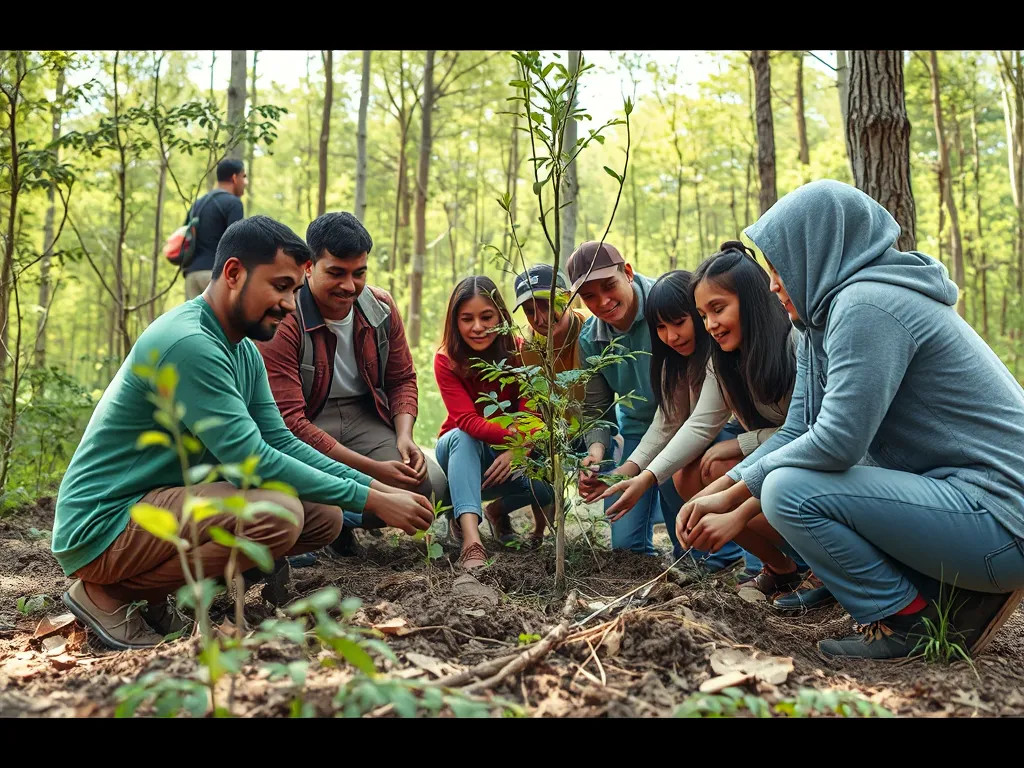
Defining Community Conservation: Bottom-Up Approach
Community conservation represents a fundamental shift from traditional top-down conservation approaches by placing local communities and indigenous peoples at the center of environmental protection. This bottom-up methodology recognizes that those who live closest to natural resources often possess the most intimate knowledge of how to sustainably manage them.
Unlike conventional models that often exclude local people from decision-making, community conservation actively involves residents in planning, implementation, and monitoring of conservation activities. By integrating traditional ecological knowledge with scientific approaches, these initiatives create more effective and culturally appropriate solutions that respect both biodiversity and human needs.
Key Principles of Community Conservation
- Local Empowerment: Involves people living near biodiversity hotspots in decision-making, planning, and management processes, ensuring that conservation efforts reflect local priorities and needs.
- Biocultural Approach: Recognizes the intrinsic link between cultural diversity and biodiversity, aiming to protect both simultaneously by valuing traditional knowledge systems alongside scientific understanding.
- Sustainable Livelihoods: Creates economic opportunities through eco-tourism, sustainable harvesting, and small businesses, ensuring that conservation provides tangible benefits to local communities.
- Rights-Based: Focuses on secure land tenure and resource rights for indigenous and local communities, providing the legal foundation for effective stewardship.
What are the benefits of community conservation?
- High Success Rates: Over 80% of CBC projects had some positive human well-being or environmental outcomes, demonstrating the effectiveness of this approach.
- Economic-Environmental Balance: Creates economic opportunities while simultaneously achieving environmental goals, rather than presenting them as competing priorities.
- Conflict Reduction: Decreases tension between local residents and conservation agencies by prioritizing local needs and incorporating community voices in decision-making.
Traditional vs Community Conservation: A Comparative Analysis
| Feature | Traditional (Top-Down) | Community-Based (Bottom-Up) |
|---|---|---|
| Focus | Strict protection (no people) | People & nature (integrated) |
| Decision-Making | Centralized (Governments/NGOs) | Local/Community-led |
| Knowledge Base | Western/Scientific only | Science + Traditional Knowledge |
| Primary Goal | Biodiversity preservation | Biodiversity + Human Welfare |
| Sustainability | Often low (lacks local support) | High (due to local ownership) |
Greater Effectiveness and Compliance
When local communities have ownership of conservation initiatives, they demonstrate significantly higher motivation to enforce protection measures and reduce illegal activities. This local accountability leads to better compliance with conservation rules and regulations.
Community-driven initiatives also prove more adaptable and resilient to changing conditions compared to inflexible top-down projects, which often struggle to respond effectively to emerging environmental challenges. Furthermore, community-based approaches typically achieve cost efficiency, as they eliminate the need for expensive enforcement mechanisms and instead leverage local knowledge and commitment to protect natural resources.
How does community involvement enhance conservation efforts?
- Local Knowledge Integration: Directly engages local communities who possess intimate knowledge of their environment, leading to more accurate threat identification and appropriate intervention strategies.
- Expertise Utilization: Incorporates indigenous expertise on ecosystems, which is often more accurate and detailed than external, short-term scientific surveys conducted by visiting researchers.
- Cultural Preservation: Builds upon existing cultural traditions of land management, creating conservation programs that resonate with local values and practices.
Examples and Success Stories
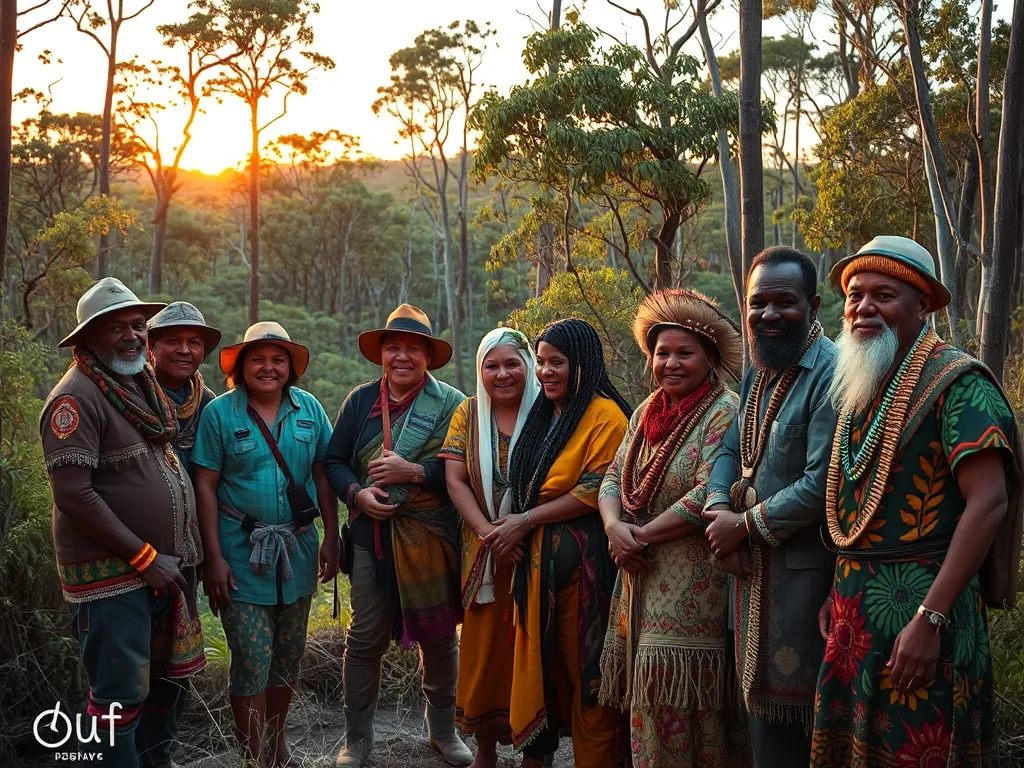
Maasai Mara Wildlife Conservancies: A Case Study
The Maasai Mara Wildlife Conservancies in Kenya demonstrate how community conservation can transform both environmental and social outcomes. In this model, local Maasai communities collectively manage their traditional lands for conservation while receiving income from tourism activities.
This approach has led to increased wildlife numbers in the region, as communities have direct economic incentives to protect rather than poach elephants, lions, and other species. The conservancy model has reduced human-wildlife conflict while providing sustainable livelihoods for thousands of community members, proving that economic development and wildlife protection can successfully coexist.
Jane Goodall Institute’s Tacare Approach
The Jane Goodall Institute’s Tacare (Take Care) approach represents another successful community conservation model that has been implemented around Gombe National Park in Tanzania. This methodology focuses on community consultation, supporting sustainable livelihoods, and collaborative land-use planning.
By working directly with local communities rather than imposing external solutions, the Tacare approach has improved chimpanzee habitat protection while simultaneously addressing community needs for healthcare, education, and economic opportunities. This integrated approach has resulted in significant reductions in deforestation and increased community participation in conservation monitoring and enforcement activities.
What are the examples of community based conservation?
- Sustainable Livelihoods: Economic strategies within CBC include ecotourism, rotational grazing, non-timber forest products, sustainable fisheries, and carbon-based initiatives that provide income while protecting natural resources, similar to how individuals can make their backyard more wildlife-friendly at a smaller scale.
- Community Forest Management: Initiatives where local communities collectively manage forest resources, maintaining biodiversity while providing economic benefits through sustainable harvesting of timber, medicinal plants, and other forest products.
- Indigenous Protected Areas: Indigenous-managed lands that enhance biodiversity through traditional practices and governance regimes, often achieving conservation outcomes comparable to or better than state-managed protected areas.
The most surprising finding in community conservation research is that indigenous-managed lands frequently outperform state-protected areas in biodiversity metrics, challenging the assumption that professional management is always superior. To support community-based conservation, readers can connect with local indigenous organizations or conservation groups that prioritize community participation, or consider supporting businesses that directly benefit local conservation initiatives through their purchasing decisions.
The most surprising finding in community conservation research is that indigenous-managed lands frequently outperform state-protected areas in biodiversity metrics, challenging the assumption that professional management is always superior. To support community-based conservation, readers can connect with local indigenous organizations or conservation groups that prioritize community participation, or consider supporting businesses that directly benefit local conservation initiatives through their purchasing decisions.