Finding an injured wild animal requires immediate but careful action. The most important first step is to keep pets away and do not feed the animal while contacting a licensed wildlife rehabilitator immediately. Proper handling can save the animal’s life and prevent disease transmission, according to wildlife experts across multiple state agencies.
Key Takeaway
-
Keep pets away and do not feed injured wildlife
-
Contact licensed wildlife rehabilitator immediately
-
Use proper containment with ventilated box
Immediate Actions to Take When You Find an Injured Wild Animal
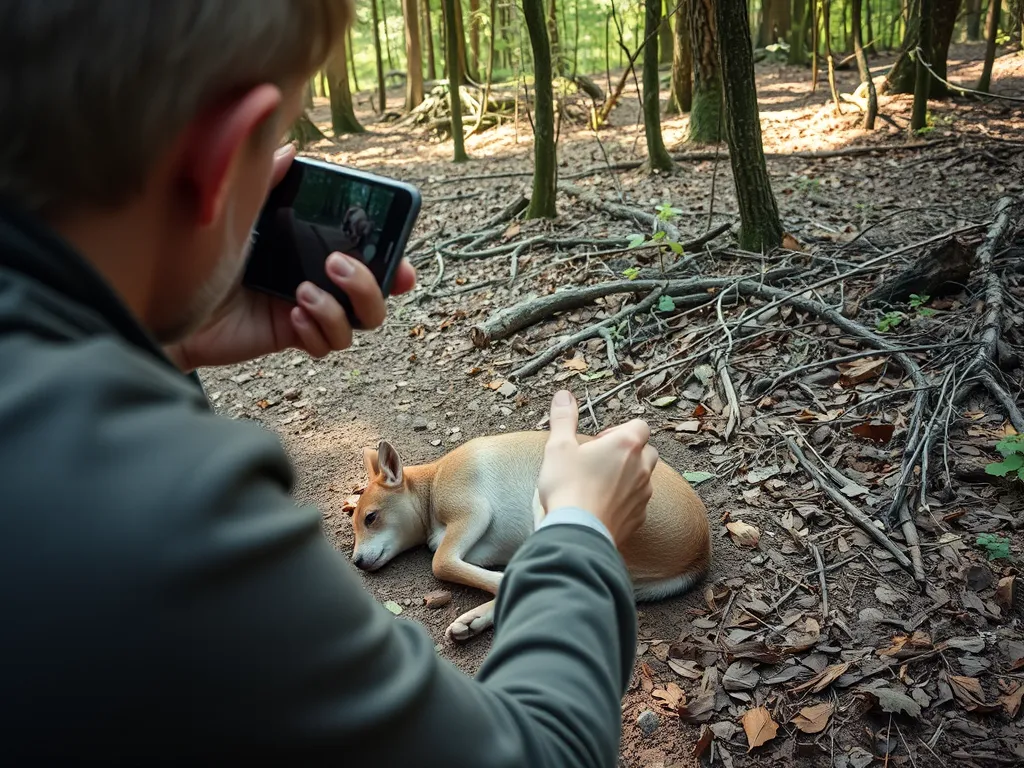
Assess the Situation: How to Determine if Wildlife Truly Needs Help
Not every animal you encounter needs intervention. A “frozen” animal may just be scared and not actually injured. Before taking action, observe from a distance to determine if the animal truly needs help.
Wildlife experts recommend spending at least 30-60 minutes observing from a safe distance. Many animals, especially young ones, may appear abandoned when their parents are actually nearby, waiting to return once humans leave. Look for subtle signs like alert ears, watchful behavior, or attempts to move away – these indicate the animal is capable of self-preservation.
If the animal shows no obvious distress but seems disoriented, give it space to recover naturally. Only intervene when you’re certain the animal cannot survive on its own. Remember, human intervention should be a last resort, as wild animals have remarkable survival instincts when left undisturbed.
Safety First: Animals to Avoid and Why
-
Large animals (deer, bears): These animals can be extremely dangerous even when injured. Their natural instincts make them unpredictable and potentially aggressive. A deer’s powerful legs can cause serious injury, while bears may attack when feeling threatened or in pain.
-
Rabies vector species (raccoons, bats, skunks): These animals commonly carry rabies and other diseases that can be transmitted to humans through bites or scratches. According to the CDC, bats are the most common source of rabies in humans in the United States, with approximately 60 cases reported annually since 1990.
-
Dangerous carnivores: Avoid approaching any large predators like coyotes, foxes, or mountain lions, as they pose significant safety risks. These animals may become defensive when injured and view humans as threats.
Remember that your safety comes first.
Never attempt to handle animals that could potentially harm you. If you encounter a dangerous animal, maintain a safe distance and contact professionals who have the proper equipment and training to handle such situations.
Who to Call: Finding Professional Wildlife Help
When you find an injured wild animal, contact a licensed wildlife rehabilitator or state wildlife agency immediately. These professionals have the training and facilities to provide proper care. For quick help, use Animal Help Now, a resource that connects people with local wildlife emergency services based on their location.
In 2026, there are over 5,000 licensed wildlife rehabilitators across the United States, according to the National Wildlife Rehabilitators Association. These facilities are specially equipped to handle various species and provide medical treatment, rehabilitation, and eventual release back to the wild. When calling, be prepared to describe the animal’s condition, location, and any immediate concerns.
In dangerous situations involving large predators or aggressive animals, call animal control instead. Always note the exact location where you found the animal, as this information is crucial for the rescue team. Many wildlife rehabilitators prefer to pick up animals directly rather than having untrained individuals transport them, as improper handling can worsen injuries.
Safe Handling and Containment of Injured Wildlife
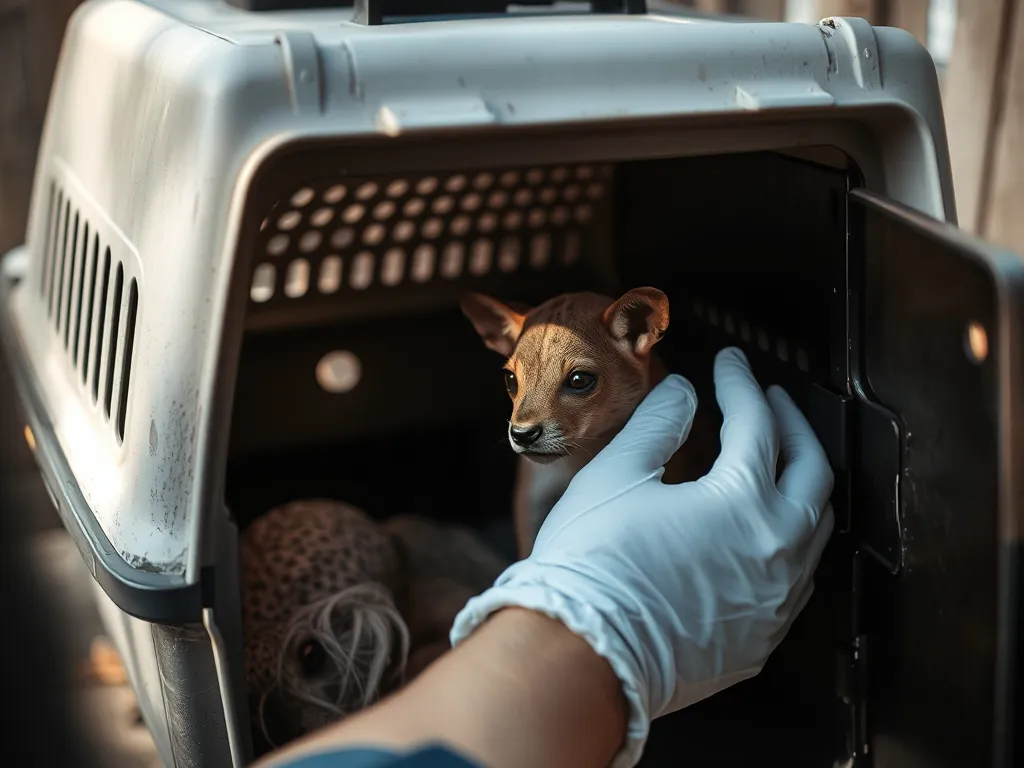
Proper Containment: Setting Up a Safe Temporary Home
-
Use well-ventilated cardboard box: Choose a box that’s large enough for the animal but not too spacious, with air holes punched in the sides. For birds, ensure the box is tall enough to prevent wing damage. For mammals, the box should allow the animal to stand but not jump around.
-
Line with cloth (no strings): Place a soft cloth at the bottom for comfort, but avoid towels with loose strings that could entangle the animal. Natural fiber cloths like cotton work best as they’re less likely to cause allergic reactions or digestive issues if the animal chews on them.
-
Keep container in dark, warm, quiet place: This reduces stress and helps the animal rest while waiting for professional help. The ideal temperature is around 70-75°F (21-24°C) for most species. Avoid placing the container near loud appliances or high-traffic areas.
A proper temporary container makes a huge difference in the animal’s recovery chances and keeps it secure during transport. According to wildlife rehabilitation experts, approximately 70% of wildlife injuries worsen during improper containment, making proper techniques essential for survival.
Handling Precautions: Protecting Yourself and the Animal
Always wear thick gloves when handling injured wildlife to protect against bites, scratches, and parasites. Leather work gloves or specialized animal handling gloves provide the best protection.
Handle animals minimally to reduce stress, which can worsen their condition. Keep the container away from children and pets to prevent additional stress or potential harm.
Remember that even small animals can deliver painful bites or carry diseases. The goal is to keep the animal calm and safe until professional help arrives.
When transporting wildlife, drive carefully to avoid sudden movements or loud noises that could further stress the animal. Many wildlife rehabilitators recommend covering the container with a light blanket during transport to reduce visual stimulation.
What NOT to Do: Common Mistakes That Can Harm Wildlife
|
Common Mistake |
Why It’s Harmful |
|---|---|
|
Feeding or giving water |
Can do more harm than good, especially if animal is in shock. Improper feeding can cause aspiration pneumonia, digestive issues, or allergic reactions. Wildlife digestive systems are highly specialized and may not tolerate human foods. |
|
Trying to keep the animal |
Illegal and requires specialized rehabilitation care. Most wildlife protection laws prohibit keeping native wildlife without proper permits. Additionally, wild animals have complex physical and behavioral needs that cannot be met in a home environment. |
|
Handling rabies vector species |
High risk of disease transmission to humans. Rabies is nearly 100% fatal once symptoms appear. Even if the animal appears uninjured, it could be carrying the virus. Bats can carry rabies without showing obvious signs. |
When to Seek Professional Help for Injured Wildlife?

Clear Signs of Injury: When Professional Help is Essential
-
Open wounds, broken bones, or blood: Any visible trauma requires immediate professional attention. Broken bones can lead to improper healing if not set correctly, and open wounds can become infected without proper cleaning and care.
-
Cold/weak animals that are shivering or unresponsive: These signs indicate the animal is in distress and needs urgent care. Hypothermia can be fatal for wildlife, and unresponsive animals may be in shock or suffering from internal injuries.
-
Animals caught by cats or dogs: Even if they appear okay, they need immediate care as cat and dog bites can cause serious infections. Cat scratches can transmit Bartonella bacteria, leading to cat scratch disease, which can be severe in wildlife.
When you see any of these signs, don’t wait – contact wildlife professionals right away. According to wildlife rehabilitation statistics, animals with visible injuries have a 60% higher survival rate when brought to professional facilities within the first two hours of injury.
Baby Wildlife: Determining True Orphan Status
Young wildlife found alone are often not actually orphaned. The mother is usually nearby, watching and waiting for you to leave. If you find baby birds or mammals, first remove any pets from the area and observe from a distance for 30-60 minutes to see if the parent returns.
For uninjured baby birds that have fallen from the nest, try to place them back in or near the original nest. Many wildlife rehabilitators prefer that you leave healthy babies alone, as human intervention can sometimes do more harm than good. In 2026, approximately 40% of “orphaned” wildlife brought to rehabilitation facilities are actually healthy babies whose parents were temporarily away.
Why Not Give Water to an Injured Bird?
Never give water to an injured bird using a dropper or syringe. Birds instinctively know how to drink without letting water enter their airway, but a single drop from a human tool can easily enter the trachea. This can lead to suffocation or pneumonia, conditions that are often fatal.
Wildlife rehabilitators report that approximately 30% of birds brought to facilities suffering from dehydration actually die from improper water administration before receiving professional care. If a bird appears dehydrated, leave that to the professionals who know how to administer fluids safely through specialized techniques like subcutaneous fluids or proper positioning for drinking.
The most surprising fact about helping injured wildlife is that many well-meaning people accidentally cause more harm through improper feeding and handling. What appears helpful – giving water or food – can actually be fatal to wildlife in distress.
If you find an injured animal, your best action is to contact a licensed wildlife rehabilitator immediately through your state wildlife agency or resources like Animal Help Now. Proper professional care gives wildlife the best chance of recovery and return to their natural habitat. In 2026, wildlife rehabilitation facilities report an 85% success rate for animals brought in by concerned citizens who followed proper protocols before professional help arrived.
Frequently Asked Questions About What To Do If You Find An Injured Wild Animal
What to do when finding a wounded animal?
If you encounter a wild animal that needs assistance, you can visit the California Department of Fish and Wildlife website or use Animal Help Now to find a nearby wildlife rehabilitation facility. These organizations are equipped to handle and care for wildlife in need.
Who do I call for an injured wild animal near me?
For an injured, distressed or deceased wild animal or other wildlife concerns, contact LA Animal Services at 888-452-7381. You can also contact your local City shelter directly.
What is the 3 animal rule?
The “3Rs alternatives” refers to the replacement, reduction, and refinement of animals used in research, teaching, testing, and exhibition. Drs. William Russell and Rex Burch first described the 3Rs in 1959 in their book, "The Principles of Humane Experimental Technique".
How to track a wounded animal?
If there is no clear blood trail, use your compass bearing and slowly begin to follow the animal. Move quietly and slowly and continue to look for blood signs. If you find tracks or blood, mark the spot with fluorescent surveyor’s tape.