This guide compares the heaviest and lightest wild animals across the seven continents in 2026, highlighting extreme weight diversity. From the massive African Bush Elephant to the tiny Kitti’s Hog-nosed Bat, we examine specific weight data for each region. Understanding these weight extremes helps illustrate the vast range of adaptations in the animal kingdom.
Key Takeaways
- African Bush Elephant males weigh between 4,500–6,100 kg, making Africa home to the heaviest land animal.
- Kitti’s Hog-nosed Bat in Asia weighs about 2 grams, often cited as the world’s smallest mammal.
- North America’s heaviest land animal is the American Bison, with males reaching 1,270 kg.
Weight Extremes Across Continents
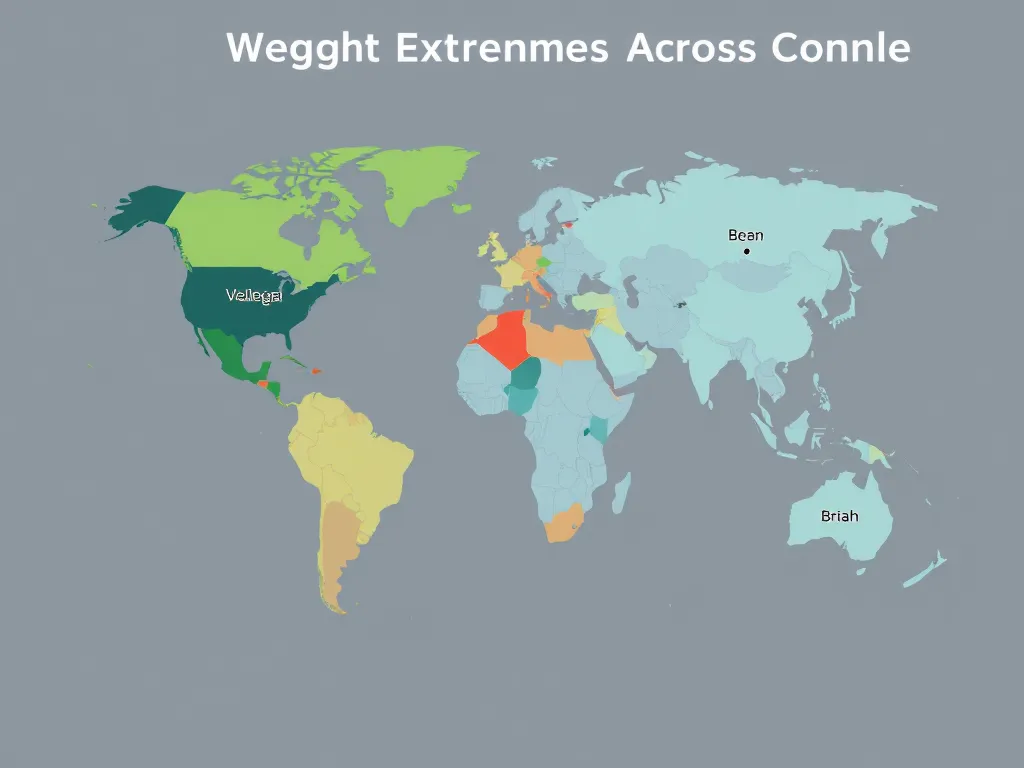
The weight difference between the heaviest and lightest animals on each continent spans thousands of kilograms. Africa holds the record for the heaviest land animal, while Asia hosts the smallest mammal.
These extremes showcase the vast diversity of animal sizes in 2026. The contrast between a 10,000 kg elephant and a 2 gram bat illustrates the incredible range of biological mass.
Africa: Heaviest Land Animal on Earth
Africa is home to the heaviest land animal on Earth. The African Bush Elephant (Loxodonta africana) dominates this category.
Males weigh between 4,500–6,100 kg (9,900–13,500 lbs), with exceptionally large individuals reaching over 10,000 kg. This weight range is confirmed by current wildlife data from 2026.
Females are smaller, typically weighing 2,800–3,500 kg. The African Bush Elephant’s massive size requires extensive daily food intake, often consuming over 150 kg of vegetation.
The lightest mammal in Africa is the Dwarf Mongoose (Helogale parvula). It weighs only 350–400 grams, making it a tiny predator compared to the elephant.
This contrast highlights Africa’s wide weight spectrum. The Dwarf Mongoose lives in social groups and hunts insects, showing how small size enables different survival strategies.
Asia: Smallest Mammal and Large Elephants
Asia boasts the largest land animal after the African elephant. The Asian Elephant (Elephas maximus) males weigh up to 5,000–8,000 kg (11,000–17,600 lbs).
This species is slightly smaller than its African counterpart but still massive. Asian elephants are critically endangered in some regions, with current 2026 populations estimated at 40,000–50,000 individuals.
Asia also hosts the world’s smallest mammal. The Kitti’s Hog-nosed Bat (Craseonycteris thonglongyai) weighs about 2 grams. This bat is found in Southeast Asia and is often cited as the lightest mammal globally.
The weight difference between the Asian Elephant and this bat is over 4 million times. Kitti’s Hog-nosed Bat has a wingspan of only 15 cm and feeds on small insects, demonstrating how extreme miniaturization allows niche exploitation.
North America: Bison and Shrew Extremes
North America’s heaviest land animal is the American Bison (Bison bison). Males can weigh between 900–1,270 kg (2,000–2,800 lbs).
This makes the bison the continent’s largest terrestrial mammal in 2026. Herds of bison once numbered in the millions, but current populations are managed through conservation programs.
The lightest mammal in North America is the American Pygmy Shrew (Sorex hoyi). It weighs roughly 2–4 grams. This shrew is one of the smallest mammals in the world, similar in size to Asia’s tiny bat.
The bison outweighs the shrew by hundreds of thousands of times. The American Pygmy Shrew has a high metabolism and must eat almost constantly to survive, consuming up to three times its body weight daily.
South America: Tapir and Pygmy Mouse
South America’s heaviest animal is the South American Tapir. While exact weight data is limited, it is the largest native land mammal on the continent, with adults weighing up to 300 kg.
The Green Anaconda is also a significant contender for heaviest reptile, though tapirs are the primary land focus. Tapirs are ancient animals, with fossils dating back millions of years.
The lightest mammal in South America is the Least Pygmy Mouse (Baiomys musculus). It weighs only a few grams, similar to the American Pygmy Shrew.
This mouse represents the extreme small size in South American wildlife. The Least Pygmy Mouse is found in grasslands and feeds on seeds and insects, showing how small mammals fill vital ecological roles.
Europe: European Bison and Pygmy Shrew
Europe’s heaviest animal is the European Bison (Bison bonasus). The largest bull can weigh around 1,000 kg (2,200 lbs).
This species is smaller than the American Bison but still significant. The European Bison was once extinct in the wild but has been reintroduced through conservation efforts, with current 2026 populations exceeding 7,000 individuals.
The lightest mammal in Europe is the Eurasian Pygmy Shrew (Sorex minutus). It weighs 3–7 grams. This shrew is slightly heavier than the American Pygmy Shrew but still very light.
The weight gap between the bison and shrew is immense. The Eurasian Pygmy Shrew is active year-round and can enter torpor during cold weather to conserve energy.
Australia: Kangaroo and Planigale
Australia’s heaviest native animal is the Red Kangaroo (Macropus rufus). Males can weigh up to 90 kg (200 lbs).
This marsupial is the largest native land mammal on the continent. Red Kangaroos are adapted to arid environments and can travel long distances in search of food and water.
The lightest mammal in Australia is the Long-tailed Planigale (Planigale ingrami). It weighs around 4–6 grams. This tiny carnivorous marsupial is one of the smallest mammals in the world.
The kangaroo outweighs the planigale by over 15,000 times. The Long-tailed Planigale is nocturnal and hunts small insects, showing how miniaturization enables survival in diverse habitats.
Antarctica: Seal and Midge Extremes
Antarctica’s heaviest animal is the Southern Elephant Seal (Mirounga leonina). Males can weigh up to 4,000 kg (8,800 lbs).
This seal is the largest carnivore on the continent, though it lives mostly in the sea. Southern Elephant Seals breed on sub-Antarctic islands and are known for their dramatic size differences between males and females.
The lightest animal in Antarctica is the Antarctic Midge (Belgica antarctica). It is the largest purely terrestrial animal on the continent, measuring only 2–6 mm.
This midge represents the extreme small size in Antarctic wildlife. The Antarctic Midge can survive freezing temperatures by producing antifreeze proteins, allowing it to live in one of the harshest environments on Earth.
Comparison Table: Heaviest Land Animals by Continent
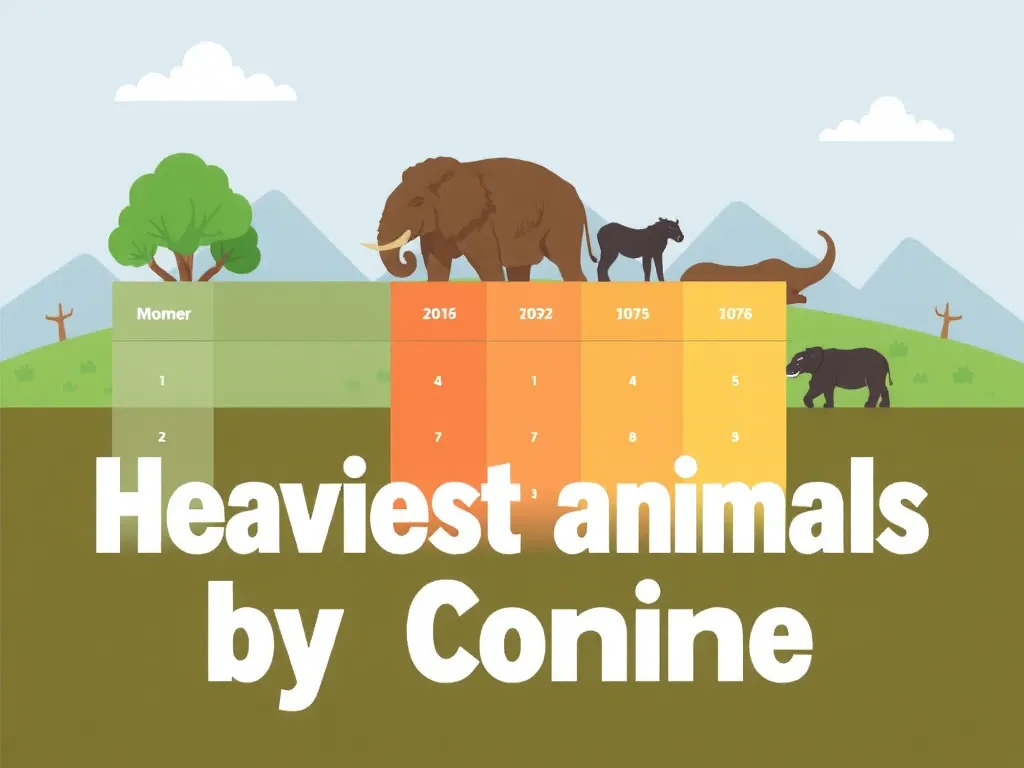
The following table summarizes the heaviest land animals across all seven continents in 2026. This data is based on current wildlife records and weight measurements. The table helps visualize the stark differences in animal mass across regions.
| Continent | Heaviest Land Animal | Approximate Maximum Weight |
|---|---|---|
| Africa | African Bush Elephant | 10,000+ kg |
| Asia | Asian Elephant | 8,000 kg |
| North America | American Bison | 1,270 kg |
| Europe | European Bison | 1,100 kg |
| South America | South American Tapir | ~300 kg |
| Australia | Red Kangaroo (Native) | ~90 kg |
| Antarctica | Southern Elephant Seal | ~4,000 kg |
This table shows that Africa and Asia have the heaviest land animals, while Australia has the lightest heaviest animal. The Southern Elephant Seal in Antarctica is heavy but lives mostly in water.
This comparison helps visualize weight extremes across continents. The data reflects 2026 wildlife records and may change with new research.
Lightest Animals by Continent
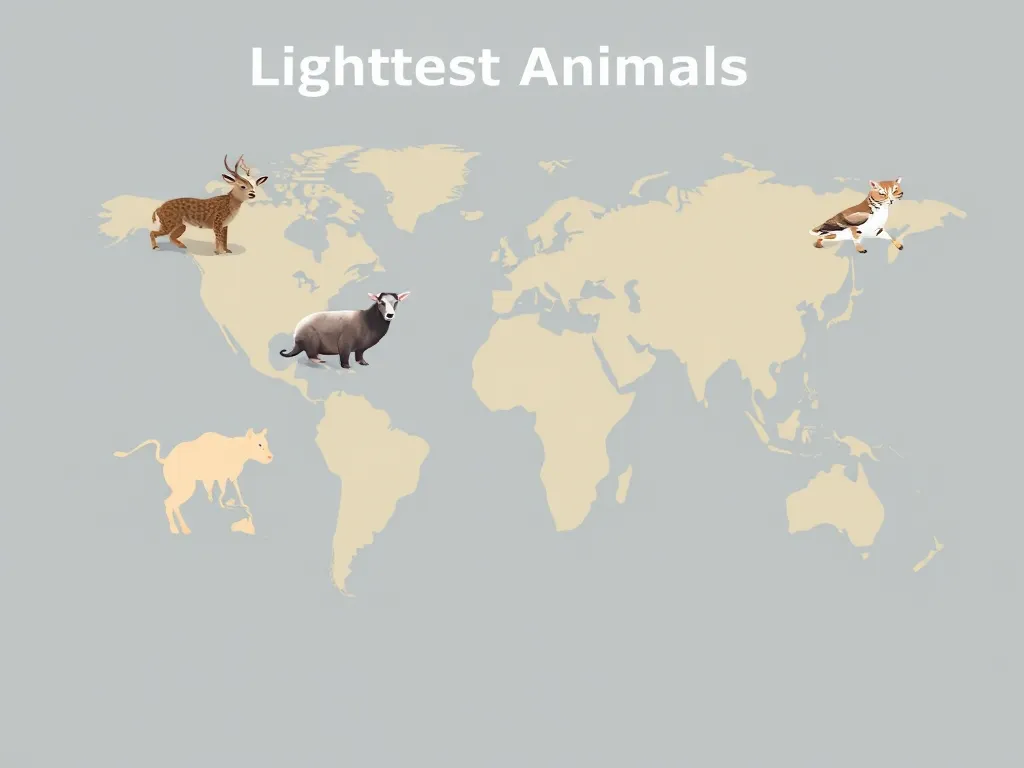
The lightest animals on each continent are mostly small mammals or insects. These animals weigh only a few grams, contrasting sharply with the heavy giants. Below is a summary of the lightest animals in each region, based on current 2026 data.
- Africa: Dwarf Mongoose at 350–400 grams. This small carnivore lives in social groups and hunts insects.
- Asia: Kitti’s Hog-nosed Bat at about 2 grams. This bat is the smallest mammal and feeds on tiny insects.
- North America: American Pygmy Shrew at 2–4 grams. This shrew has a high metabolism and eats constantly.
- South America: Least Pygmy Mouse at a few grams. This mouse inhabits grasslands and eats seeds.
- Europe: Eurasian Pygmy Shrew at 3–7 grams. This shrew is active year-round and enters torpor in winter.
- Australia: Long-tailed Planigale at 4–6 grams. This marsupial is nocturnal and hunts insects.
- Antarctica: Antarctic Midge at 2–6 mm. This insect survives freezing temperatures with antifreeze proteins.
These lightest animals are crucial for ecosystems as prey and pollinators. Their small size allows them to occupy niches that larger animals cannot.
For more on wildlife diversity, visit Wildlife. Understanding these tiny creatures helps illustrate the full spectrum of animal life on Earth.
What Are the Weight Differences Between Heaviest and Lightest Animals?
The weight differences between the heaviest and lightest animals on each continent are extreme. In Africa, the African Bush Elephant at 10,000 kg dwarfs the Dwarf Mongoose at 400 grams, a difference of 25 million times. In Asia, the Asian Elephant at 8,000 kg contrasts with the Kitti’s Hog-nosed Bat at 2 grams, a 4 million-fold difference.
In North America, the American Bison at 1,270 kg outweighs the American Pygmy Shrew at 3 grams by over 400,000 times. These comparisons highlight the vast diversity of animal sizes and the adaptations required for survival at different scales. The weight gaps are not just numerical curiosities—they reflect different ecological roles and energy requirements.
Why Do Weight Extremes Matter in Wildlife?
Weight extremes matter in wildlife because they influence survival strategies, habitat use, and ecosystem roles. Large animals like elephants shape landscapes through their feeding and movement, while small animals like shrews control insect populations. In 2026, understanding these extremes helps conservationists prioritize efforts and study climate impacts.
For example, the African Bush Elephant’s size makes it vulnerable to poaching and habitat loss, while the Kitti’s Hog-nosed Bat’s small size makes it sensitive to environmental changes. Weight data from current research guides these conservation decisions.
The weight comparison between heaviest and lightest animals in each continent reveals extreme diversity in 2026. Africa’s African Bush Elephant and Asia’s Kitti’s Hog-nosed Bat represent the upper and lower limits of animal size. North America’s American Bison and American Pygmy Shrew show similar extremes.
This guide provides specific weight data for each region, helping readers understand animal size variations globally. The most surprising finding is that the heaviest land animal in Africa is over 25 million times heavier than the lightest mammal in the same continent. To explore more wildlife data, visit Wildlife and see how these extremes shape our planet’s ecosystems.