Imagine a liquid so valuable it costs $60,000 per gallon—more than gold, more than rare earth metals, more than many precious wines. This isn’t a fictional substance but a real medical marvel derived from the blue blood of horseshoe crabs. These ancient creatures, older than dinosaurs, have been quietly protecting human health for decades through their unique biological properties.
Every vaccine you receive, every IV medication you’re given, every medical implant you might receive relies on this remarkable substance to ensure it’s free from deadly bacterial contaminants. Horseshoe crabs are not just fascinating marine animals—they are unsung heroes in the battle against disease and infection, playing a role in modern medicine that most people never realize.
Key Takeaway
- Horseshoe crab blood contains LAL, a substance that clots instantly when exposed to bacterial toxins
- Every vaccine, IV drug, and medical implant must be tested with LAL to ensure safety
- LAL costs $60,000 per gallon, making it one of the world’s most expensive liquids
The Medical Miracle of Horseshoe Crab Blood
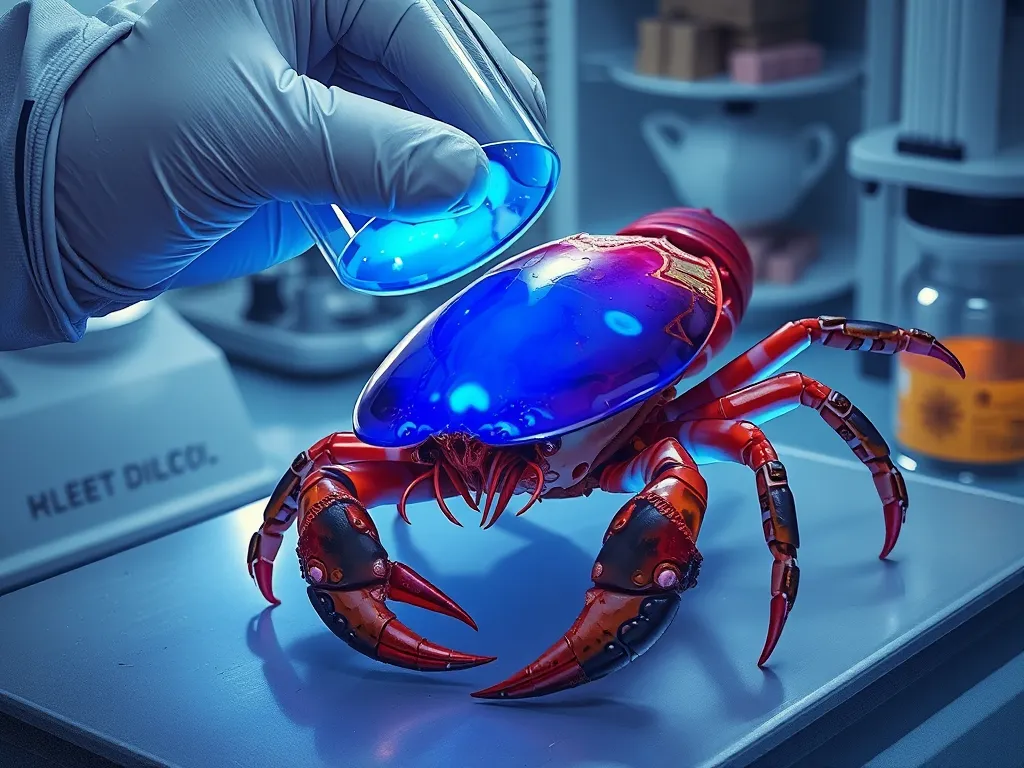
Why is horseshoe crab blood medically important?
The extraordinary medical importance of horseshoe crab blood stems from its unique composition containing Limulus Amebocyte Lysate (LAL), a remarkable substance that reacts instantly to bacterial toxins. When exposed to harmful bacterial substances called endotoxins, LAL causes the blood to clot within minutes, creating a powerful defense mechanism that has been harnessed by modern medicine.
This unique reaction makes LAL irreplaceable for medical testing, as it can detect contaminants that would be missed by other testing methods. The horseshoe crab’s immune system has evolved over 450 million years to provide this rapid response to bacterial threats, making their blood an invaluable resource for ensuring the safety of medical products.
The $60,000-per-gallon blue blood
- LAL costs $15,000 per quart or $60,000 per gallon, making it one of the most expensive liquids on Earth
- The blood appears blue due to copper-based hemocyanin instead of iron-based hemoglobin found in humans
- Over 500,000 crabs are harvested annually specifically for blood extraction to meet global medical demand
- A single horseshoe crab can yield up to 30% of its blood volume during the bleeding process
How LAL detects deadly contaminants
LAL functions as a sophisticated early warning system that can detect bacterial endotoxins at incredibly low concentrations—down to one part per trillion. These endotoxins, harmful substances produced by certain bacteria, can cause severe fever reactions, shock, or even death in humans if present in medical products.
When LAL encounters these contaminants, it forms a visible clot within minutes, providing an immediate indication of potential contamination. This testing capability is crucial for patient safety, as even microscopic amounts of bacterial toxins can have devastating effects when introduced directly into the bloodstream through injections or implanted medical devices.
How Horseshoe Crabs Protect Our Health
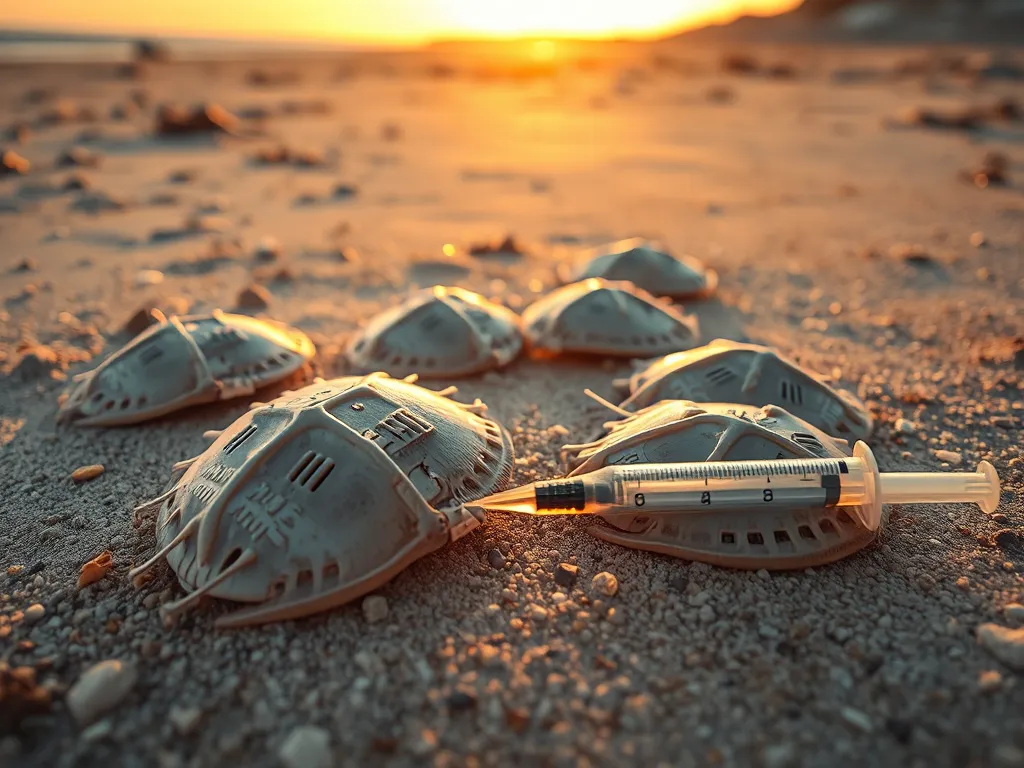
Why are horseshoe crabs so important to the medical field?
Horseshoe crabs play a critical role in the medical field through their blood’s unique properties that provide the gold standard for testing medical product safety. Every vaccine approved for human use must undergo LAL testing to ensure it’s free from bacterial contamination before it can be administered to patients.
Similarly, all intravenous drugs require this testing to guarantee purity and safety when introduced directly into the bloodstream. Medical implants such as hip replacements, heart valves, contact lenses, and catheters all depend on LAL testing to prevent potentially fatal infections. The pharmaceutical industry has relied on this testing method since the 1970s, establishing horseshoe crabs as essential partners in maintaining public health standards worldwide.
From vaccines to hip replacements: the full scope of LAL testing
| Medical Application | Examples |
|---|---|
| Vaccines | COVID-19, flu, measles, mumps, rubella, polio, and other essential immunizations |
| Intravenous Drugs | Antibiotics, chemotherapy medications, IV fluids, and injectable treatments |
| Medical Devices | Hip replacements, contact lenses, catheters, heart valves, and surgical implants |
| Other Applications | Water quality testing, food safety testing, and pharmaceutical manufacturing equipment |
The harvesting process: 500,000 crabs annually
- Crabs are carefully collected and transported to facilities where they are bled for up to 30% of their blood volume
- After the bleeding process, crabs are returned to the ocean, though mortality rates vary depending on handling techniques
- The annual harvest of 500,000 crabs has raised significant conservation concerns among scientists and environmentalists
- Improved bleeding techniques and handling protocols have helped reduce crab mortality in recent years
The Future of Horseshoe Crab Medicine
Why are horseshoe crabs important to humans beyond their blood?
Beyond their remarkable blood, horseshoe crabs contribute to human health in several other significant ways. Their large, compound eyes and accessible optic nerves make them valuable subjects for vision research, helping scientists understand basic visual processes that could lead to treatments for human vision disorders.
The chitin found in their exoskeletons has medical applications in wound healing, being used in sutures, wound dressings, and even artificial blood vessels. Additionally, their ecological role in supporting migratory bird and turtle populations through egg-laying activities contributes to broader ecosystem health that indirectly benefits human wellbeing through balanced coastal environments.
Synthetic alternatives: can we replace horseshoe crabs?
Scientists have developed synthetic alternatives to horseshoe crab blood, particularly Recombinant Factor C (rFC), which mimics the key component of LAL. While rFC is approved for use in some countries like Europe and Japan, it hasn’t replaced LAL in the United States because it can detect a narrower range of bacterial contaminants.
The FDA maintains LAL as the standard testing method in the U.S. due to its superior sensitivity and broader detection capabilities. Research continues to improve synthetic alternatives, with the goal of eventually reducing or eliminating the need for horseshoe crab harvesting while maintaining the same level of safety assurance for medical products.
Balancing medical needs and conservation
- Conservation efforts focus on protecting critical breeding habitats along Atlantic coastlines
- Improved bleeding techniques have reduced mortality rates from approximately 15% to under 3%
- Research initiatives continue developing more effective synthetic alternatives to reduce dependency
- Population monitoring programs track crab numbers to ensure sustainable harvesting practices
Horseshoe crabs have survived for 450 million years, outlasting the dinosaurs and adapting through countless environmental changes. Yet their future is uncertain as medical demand continues to grow. These remarkable creatures represent a unique intersection of ancient biology and modern medicine, reminding us that protecting biodiversity isn’t just about saving species—it’s about safeguarding potential medical breakthroughs that could save human lives.
Supporting conservation efforts for horseshoe crabs means protecting not just an ancient species, but also the life-saving medical testing they enable. By understanding and appreciating their vital role in human health, we can work toward solutions that balance our medical needs with the preservation of these extraordinary creatures, which are part of our global wildlife heritage.
Supporting conservation efforts for horseshoe crabs means protecting not just an ancient species, but also the life-saving medical testing they enable. By understanding and appreciating their vital role in human health, we can work toward solutions that balance our medical needs with the preservation of these extraordinary creatures.
Frequently Asked Questions About Why Horseshoe Crabs Are More Important To Human Medicine Than You Realize
Do horseshoe crabs make medicine?
This bluish liquid is one of the most expensive. Resources in the world.
It’s actually blood from a horseshoe crab. And the stuff this blood makes costs $60,000 a gallon the blue color comes from
How are horseshoe crabs helpful to humans?
The horseshoe crab also has benefits to human health. Its blood, which is removed with no apparent harm to the crab, contains a clotting agent called Limulus amoebocyte lysate (LAL), which is used to test intravenous drugs, heart valves, and other prosthetics for the presence of bacterial contaminants…
Can crabs hear your voice?
The crabs had a neurological response (i.e., they “heard”) a range of frequencies. They certainly wouldn’t ace any hearing tests, but if a sound is low- to mid- frequency and relatively close by, they can likely hear it.
Can crabs hear your voice?
The crabs had a neurological response (i.e., they “heard”) a range of frequencies. They certainly wouldn’t ace any hearing tests, but if a sound is low- to mid- frequency and relatively close by, they can likely hear it.