The Coelacanth, a fish once known only from fossils dating back 65 million years, shocked scientists when it was discovered alive in a South African fishing catch in 1938. This remarkable rediscovery wasn’t an isolated incident – nature has a way of surprising us with species that were declared extinct but actually survived in remote corners of our planet. These incredible animals, often called “Lazarus species,” demonstrate the resilience of life and how much we still have to learn about Earth’s biodiversity.
Key Takeaway
-
8 remarkable animals declared extinct then rediscovered alive
-
These ‘Lazarus species’ demonstrate nature’s resilience
-
Rediscoveries often happen in remote or unexpected locations
Coelacanth: The 65-Million-Year-Old Living Fossil
The Coelacanth (*Latimeria chalumnae*) represents one of the most extraordinary rediscoveries in scientific history. Known exclusively from fossil records dating back 65 million years, this large fish was believed to have gone extinct alongside the dinosaurs. That all changed in 1938 when a museum curator named Marjorie Courtenay-Latimer discovered a strange fish in a South African fishing catch.
The specimen was unlike anything she had seen before, with its distinctive lobed fins and armored scales. Subsequent research revealed that this “living fossil” had survived in deep-water habitats off the coast of South Africa and other parts of the Indian Ocean, completely unknown to science for millions of years.
Since its initial discovery, additional Coelacanth populations have been found near the Comoros Islands, Indonesia, and Tanzania, with individuals reaching lengths of up to 6.5 feet and weights over 198 pounds. The species remains critically endangered due to its limited habitat and vulnerability to deep-water fishing practices.
Lord Howe Stick Insect: Survival on a Remote Volcanic Stack
The Lord Howe Stick Insect (*Dryococelus australis*) was declared extinct in 1930 after rats introduced to Lord Howe Island decimated its population. For decades, this massive stick insect, which could reach up to 6 inches in length, was considered gone forever. Then, in 2001, a team of scientists exploring the tiny, remote volcanic stack of Ball’s Pyramid, located 12 miles from Lord Howe Island, discovered a small population living in a single Melaleuca shrub.
These insects had survived on this inhospitable rock face for over 70 years, hidden from human observation. The rediscovery led to conservation efforts that have helped establish breeding programs and return the species to Lord Howe Island, though it remains critically endangered.
The insects were found living in a single bush on a nearly vertical rock face, surviving on the sparse vegetation available in this harsh environment. Today, through dedicated captive breeding programs, the population has increased from just a few individuals to several thousand, representing one of the most successful insect conservation stories in history.
Wallace’s Giant Bee: The World’s Largest Bee Returns
Wallace’s Giant Bee (*Megachile pluto*) earned its name by being the world’s largest bee, with females reaching up to 1.5 inches in wingspan. After not being sighted since 1981, this magnificent bee was feared extinct. Then in 2019, a team of researchers led by Clay Bolt rediscovered a female specimen in the North Moluccas islands of Indonesia.
The bee was found nesting in a termite mound, using its powerful mandibles to collect resin. This rediscovery highlighted how even large, impressive species can remain hidden in remote forest habitats, unknown to science for decades. The female bees are distinguished by their massive jaws, which they use to manipulate tree resin and construct their nests in termite mounds.
The rediscovery generated international attention, leading to conservation efforts focused on protecting the specific forest habitats where the bee survives. Unlike many rediscovered species, Wallace’s Giant Bee was never considered extinct by local communities who had continued to report sightings, though these accounts were largely dismissed by Western scientists for decades.
What Makes These ‘Lazarus Species’ So Remarkable?
Rediscovery Timeline: From Decades to Centuries
|
Species |
Extinction Declaration |
Rediscovery |
Time Lapse |
|---|---|---|---|
|
Fernandina Island Tortoise |
1906 |
2019 |
113 years |
|
New Guinea Big-Eared Bat |
1910s |
2012 |
~100 years |
|
Terror Skink |
1870 |
2000 |
130 years |
|
Takahē |
1890s |
1948 |
~58 years |
|
Coelacanth |
Pre-1938 (fossil record only) |
1938 |
Millennia |
What Animals Were Rediscovered After Extinction?
-
Takahē (*Porphyrio hochstetteri*): A flightless New Zealand bird thought extinct in the late 1800s, rediscovered in 1948. This colorful bird, similar to a pukeko but larger, had survived in remote mountain valleys. The species was found in the Murchison Mountains of Fiordland National Park, where a population of about 300 individuals now exists thanks to intensive conservation efforts including habitat restoration and predator control.
-
Somali Elephant Shrew (*Galegeeska revoili*): Not documented since 1968, a population was rediscovered in Djibouti in 2019. This small mammal with a distinctive trunk-like nose had survived in arid regions. The rediscovery was particularly significant as it confirmed the species’ survival in an area undergoing significant environmental change.
-
Victorian grassland earless dragon: Rediscovered in 2023 after being thought extinct for decades. This small lizard had survived in grassland habitats that had been largely destroyed. The discovery was made during a targeted survey in areas of remaining native grassland, highlighting the importance of systematic conservation surveys.
-
De Winton’s golden mole: Found in 2023 after not being seen since 1937. This blind, subterranean mammal had survived in coastal dune systems in South Africa. The rediscovery used environmental DNA techniques, demonstrating how modern technology can help find species that are otherwise difficult to detect.
How Scientists Rediscover ‘Extinct’ Animals
Remote Locations: Where Most Rediscoveries Happen
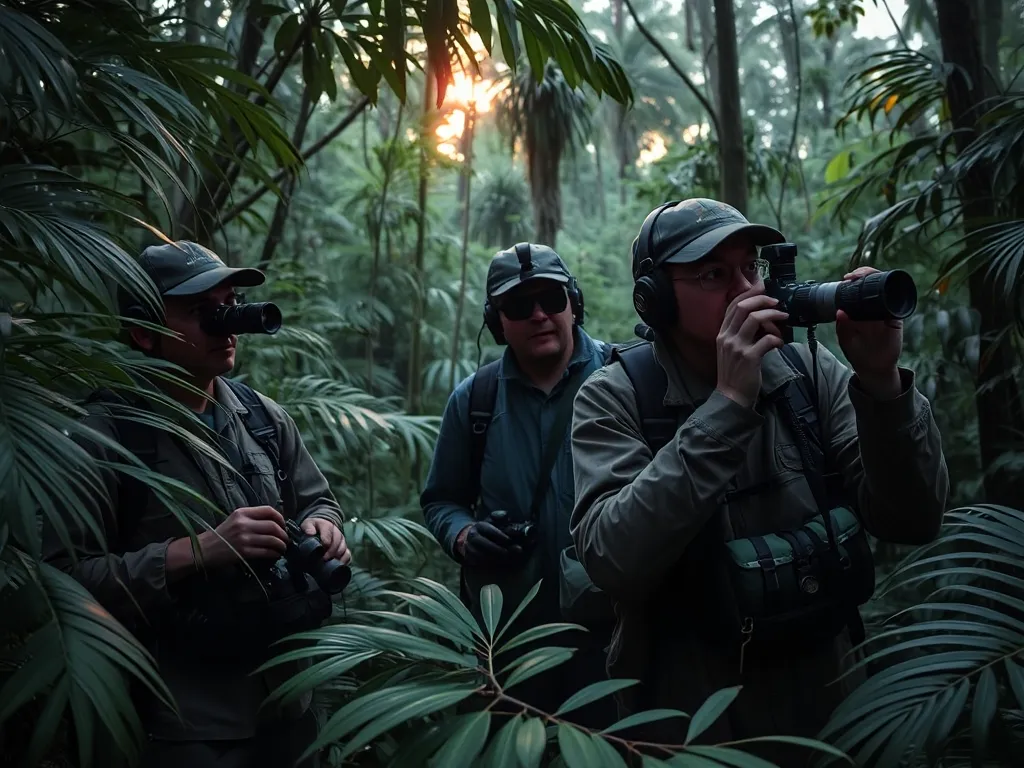
The majority of species rediscoveries occur in extremely remote locations that are difficult for humans to access. Ball’s Pyramid, where the Lord Howe Stick Insect was found, is a volcanic stack that rises nearly 2,000 feet above the ocean with very limited accessible habitat. Similarly, the Fernandina Island Tortoise was rediscovered on an uninhabited island in the Galapagos that has no permanent human settlements.
These remote areas often have limited human disturbance, allowing species to persist undetected. The Indonesian forests where Wallace’s Giant Bee was found represent another example of remote, biodiverse habitats where exploration is challenging and many species remain unknown to science.
These locations typically share common characteristics: difficult terrain, limited accessibility, minimal human impact, and specialized microhabitats that can support small populations of species even when larger areas have been modified. The Galapagos Islands, in particular, have been the site of multiple rediscoveries due to their isolation and unique evolutionary history.
Modern Technology in Species Rediscovery
-
DNA analysis: Scientists now use genetic testing to confirm species identity, distinguishing between similar-looking species and confirming rediscoveries. This was crucial in identifying the Somali Elephant Shrew as a distinct species. Environmental DNA (eDNA) techniques allow researchers to detect species presence through genetic material left in soil, water, or air samples, making it possible to find species without direct observation.
-
Camera traps: Motion-activated cameras placed in remote habitats capture images of elusive species, providing visual evidence of their presence without human disturbance. These devices have revolutionized field research, allowing scientists to monitor species in their natural habitats over extended periods. Camera trap networks have been instrumental in rediscovering multiple mammal species thought to be extinct.
-
Acoustic monitoring: For species with distinctive calls, audio recorders can detect their presence in areas where they might otherwise go unnoticed. This technology has been particularly valuable for amphibians, birds, and some mammals that communicate through vocalizations. Automated acoustic analysis can identify species calls from thousands of hours of recorded audio.
-
Satellite imagery: Helps identify potential habitats and track changes in remote areas, guiding field expeditions to likely locations where species might persist. High-resolution satellite data can reveal vegetation patterns, water sources, and other environmental factors that indicate suitable habitat for target species.
-
Thermal imaging: Used to detect warm-blooded animals in dense vegetation or at night, providing another method for finding elusive species that might otherwise remain hidden.
The most surprising finding about Lazarus species is that many rediscoveries involve animals that were never truly abundant to begin with – they simply survived in small, isolated populations that avoided detection. This challenges our understanding of extinction and suggests that many species may persist in small numbers long after we declare them extinct.
For readers interested in conservation, supporting Wildlife conservation organizations that protect remote habitats is one of the most effective actions you can take to help prevent future extinctions and potentially support the rediscovery of other “lost” species. Additionally, staying informed about conservation efforts and supporting research into remote, unexplored habitats can contribute to protecting biodiversity hotspots where undiscovered species may still survive.
Frequently Asked Questions About 8 Animals That Were Declared Extinct Then Rediscovered Alive
What animal is there only 10 left of?
The vaquita is the most endangered cetacean in the world. With as few as around 10 left, the species will become extinct without a fully enforced gillnet ban throughout their entire habitat.
What creatures survived all 5 extinctions?
Sharks are ancient creatures that evolved long before dinosaurs lived on land. They have survived five global mass extinctions, each of which wiped out more than 75 per cent of animal species.
What animal has the highest rate of homosexuality?
Other than humans, the only known species to exhibit exclusive homosexual orientation is the domesticated sheep (Ovis aries), involving about 10% of males.
How do dogs say "I love you"?
And they want to protect you at all costs. You are their everything number four when they sit near you quietly. This is their way of loving you peacefully without demanding a thing a way of showing.