An apex predator is an animal at the very top of its food chain with no natural predators in its ecosystem. In 2026, scientists continue to study these species to understand their critical role in maintaining balance in nature. From the orca in the ocean to the lion on the savanna, these animals define the highest trophic level.
- Apex predators have existed for over 500 million years, dating back to the Cambrian period.
- The orca (killer whale) holds the highest trophic level in marine ecosystems.
- These species act as keystone animals, regulating prey populations and preventing ecosystem collapse.
What Defines an Apex Predator?
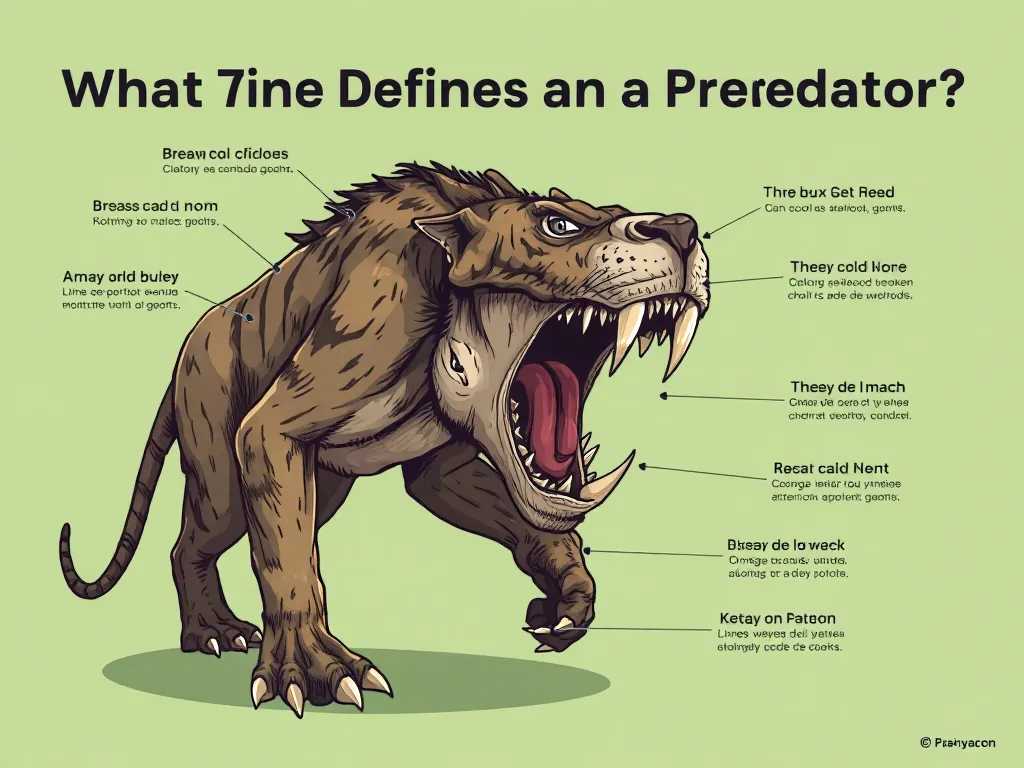
An apex predator is defined by its position at the top of the food web. According to Wikipedia, it is “a predator at the top of a food chain, without natural predators of its own.” This means they are not hunted by other animals for food. They occupy the highest trophic level in their ecosystem.
Key Characteristics of Top Predators
Apex predators share specific traits that allow them to dominate their habitats. These include superior hunting strategies, wide-ranging territories, and low population densities.
- No Natural Predators: Adult apex predators are not preyed upon by other species.
- Keystone Role: They regulate prey populations, preventing overgrazing and maintaining biodiversity.
- Wide Territories: They often require large areas to find enough food, making them vulnerable to habitat loss.
Evolutionary History
Apex predators have a long history on Earth. Fossil records show they have existed for over 500 million years, dating back to the Cambrian period.
Early examples include Anomalocaris, which ruled ancient seas. This evolutionary endurance highlights their importance in ecological systems.
Which Species Qualify as Apex Predators?
Many animals across different ecosystems qualify as apex predators. These species are found in marine, terrestrial, and aerial environments. Each plays a unique role in its habitat.
Marine Apex Predators
The ocean hosts some of the most powerful apex predators. The orca (killer whale) is often considered the top marine predator, holding the highest trophic level. It hunts seals, sea lions, fish, and even large sharks.
The great white shark is another key species, known for its hunting prowess in temperate oceans, though it can fall prey to orcas. Other marine examples include the leopard seal and the sperm whale, which dives deep to hunt giant squid.
Terrestrial Apex Predators
On land, the African lion is a classic apex predator, living and hunting in prides on the savanna. The tiger operates as a solitary hunter in Asian forests. The polar bear is the largest land carnivore, ruling the Arctic by hunting seals on sea ice.
Other land predators include the grizzly bear, gray wolf, and jaguar, which has the most powerful bite force of all cat species. The Komodo dragon, the largest living lizard, uses venomous bites to weaken prey on Indonesian islands.
Aerial and Reptilian Predators
Birds of prey like the harpy eagle and bald eagle dominate their aerial niches. The harpy eagle hunts in neotropical rainforests, while the bald eagle feeds primarily on fish in North America. Reptilian apex predators include the saltwater crocodile, the largest living reptile, and the American alligator, a dominant predator in the southeastern United States.
How Do Apex Predators Impact Ecosystems?
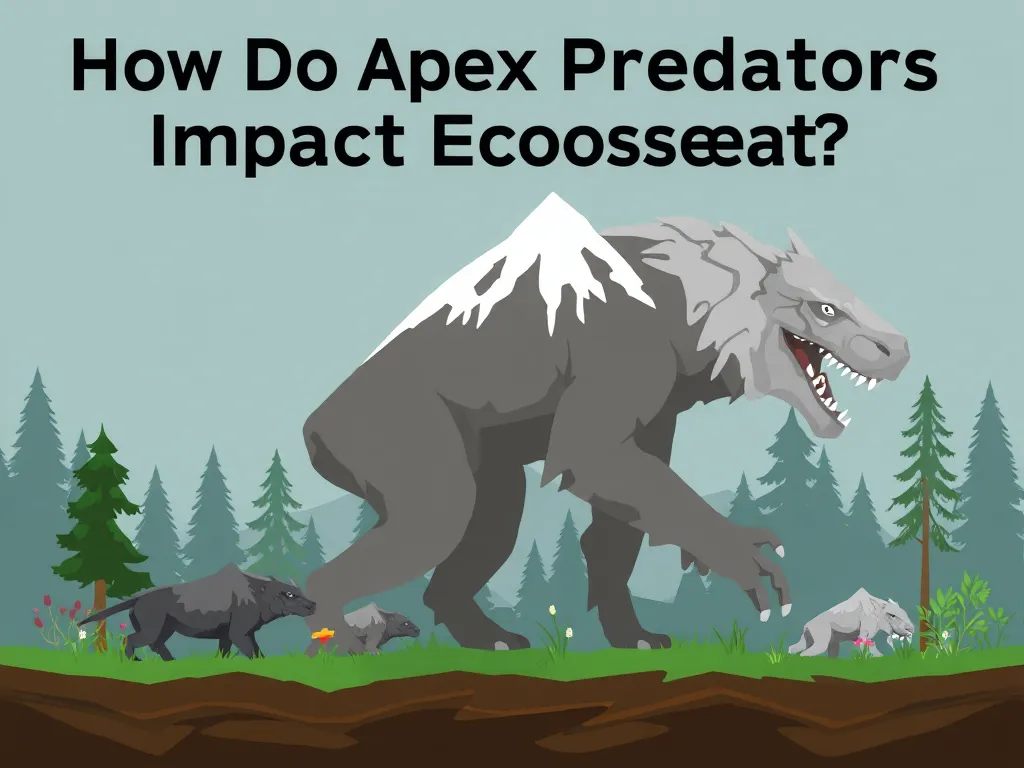
Apex predators are central to ecosystem health. They act as keystone species, meaning their presence has a disproportionate effect on their environment.
Regulating Prey Populations
By hunting herbivores and smaller predators, apex predators prevent overpopulation. For example, wolves prey on large herbivores, which in turn eat plants.
This top-down control maintains balance. A study on lake ecosystems showed that removing non-native smallmouth bass allowed the native lake trout to diversify its prey and increase its trophic level.
Trophic Cascades
The removal of apex predators can cause trophic cascades—wide-ranging effects on lower ecosystem levels. When Arctic foxes were introduced to subarctic islands, their predation on seabirds turned grassland into tundra. Human activities, such as habitat loss, threaten these predators and can disrupt these natural cycles.
Conservation Status
Many apex predators are vulnerable due to human interference. The lion population has declined by about 43% since the early 1990s, according to the IUCN Red List. The great white shark is listed as vulnerable globally.
Conservation efforts, including protected areas and rewilding, are crucial for their survival. For more on wildlife conservation, visit Wildlife.
Frequently Asked Questions About Apex Predators
This section answers common questions based on search data.
What Animal Is the Predator?
The African lion is often cited as the number one predator on land. It is a classic apex predator, dominating the African savanna. In marine ecosystems, the orca holds the top position.
What Are the Only 4 Animals That Hunt Humans?
Most reported cases of man-eaters involve lions, tigers, leopards, polar bears, and large crocodilians. These species occasionally prey on humans, though such incidents are rare.
What Is the 3 Most Deadliest Animal in the World?
Snakes are the third-deadliest animal to humans. Five million snakebites occur yearly, causing over 50,000 fatalities.
Mosquitoes are the deadliest, spreading diseases like malaria.
For related topics on ecosystem balance, see how decomposers keep ecosystems alive and how coral reefs support ocean life.