Great Smoky Mountains National Park is home to approximately 1,500 American black bears, making it one of the best places in the United States to observe these magnificent creatures in their natural habitat. With its diverse ecosystems ranging from dense forests to open meadows, the park offers exceptional wildlife viewing opportunities throughout the year. Visitors can expect to encounter not only black bears but also elk, white-tailed deer, and an incredible variety of smaller creatures that call this UNESCO World Heritage Site home.
Key Takeaway
- Great Smoky Mountains is home to 1,500 black bears
- 30+ species of salamanders make it the ‘Salamander Capital of the World’
- Best viewing times are early morning and late evening
- Maintain 50 yards from bears and 150 feet from other wildlife
Black Bears: The Park’s Iconic Residents
- Population: Approximately 1,500 black bears roam the park, with a density of about two bears per square mile
- Best locations: Cades Cove and Roaring Fork offer the highest concentration of bear sightings due to their open meadows and abundant food sources
- Safety distance: Always maintain at least 50 yards (about half a football field) from bears for your safety and theirs
- Best viewing times: Early morning (6-9 AM) and late evening (4-7 PM) when bears are most active foraging for food
Black bears are the most sought-after wildlife sighting in the Smokies, and for good reason. These magnificent creatures are surprisingly adaptable and can be found in nearly every habitat type within the park.
While they may appear docile, it’s crucial to remember that they are wild animals with natural instincts. The park’s black bear population has remained stable in recent years, thanks to conservation efforts and strict wildlife protection policies enforced by the National Park Service.
Elk: Majestic Reintroduced Giants
- Reintroduction: Elk were successfully reintroduced to the park in 2001 after being absent from the region for over 200 years
- Population: Approximately 150-200 elk now reside in the park, primarily in the Cataloochee Valley area
- Best locations: Cataloochee Valley and Oconaluftee Visitor Center are prime viewing spots, especially during dawn and dusk hours
- Safety distance: Keep at least 50 yards away, as elk can be particularly aggressive during mating season (September-October)
Elk are one of the most impressive animals you’ll encounter in the Great Smoky Mountains. These large mammals can weigh up to 700 pounds for males and stand over 5 feet tall at the shoulder. The reintroduction program has been a remarkable success story, allowing visitors to witness these majestic creatures that once roamed the area freely.
During fall mating season, the haunting bugle calls of bull elk echo through the valleys, creating an unforgettable wildlife experience. The best time to view elk is during the early morning hours when they graze in the open meadows of Cataloochee Valley.
Where and When to Spot Wildlife in the Smokies
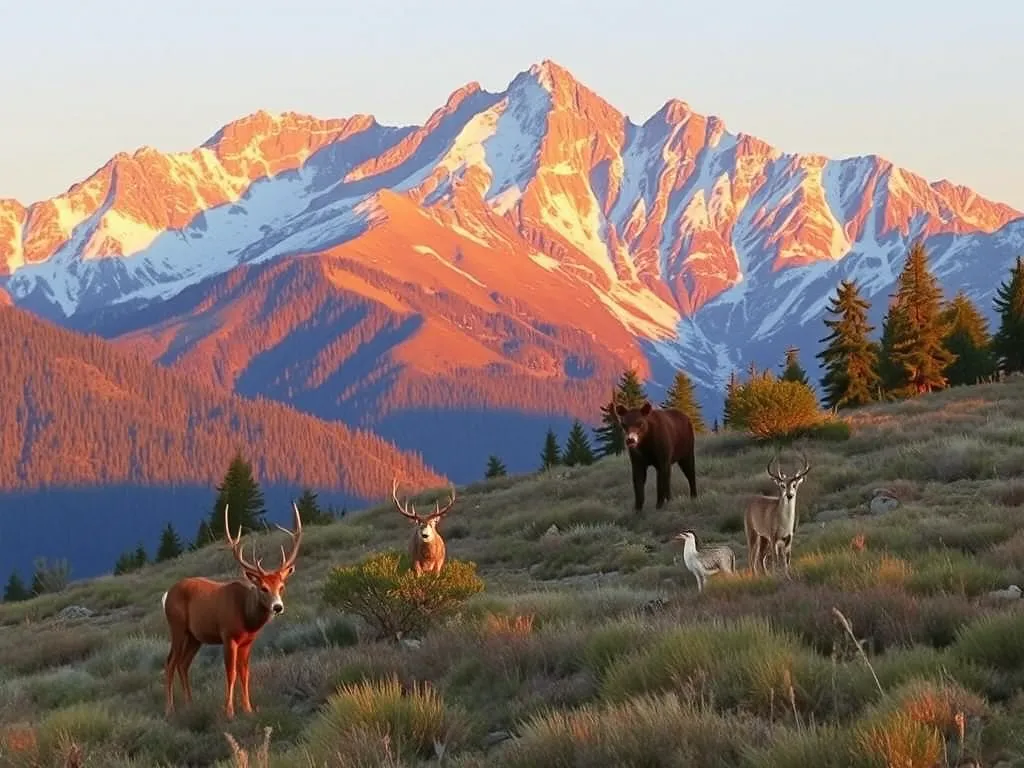
Prime Viewing Locations: Cades Cove, Cataloochee, and Roaring Fork
| Location | Best Animals to Spot | Best Viewing Times | Special Features |
|---|---|---|---|
| Cades Cove | Black bears, white-tailed deer, wild turkey, groundhogs | Dawn and dusk, weekdays less crowded | 11-mile loop road, historic buildings |
| Cataloochee Valley | Elk, black bears, wild turkey, various birds | Early morning, late afternoon | Historic buildings, mountain streams |
| Roaring Fork | Black bears, chipmunks, squirrels, salamanders | Morning hours, after rain | Scenic motor trail, waterfalls |
These three locations represent the premier wildlife viewing areas in Great Smoky Mountains National Park, each offering unique opportunities to observe different species in their natural habitats. Cades Cove, with its open meadows and historic buildings, provides excellent visibility for larger mammals like black bears and white-tailed deer.
Cataloochee Valley, located in a remote area of the park, is home to the reintroduced elk population and offers a more secluded viewing experience. Roaring Fork Motor Trail, with its dense forest and rushing streams, is ideal for spotting smaller creatures like chipmunks, squirrels, and various amphibians.
Optimal Viewing Times: Early Morning and Late Evening
The most productive wildlife viewing in the Smokies occurs during early morning hours (6-9 AM) and late evening (4-7 PM). These times are ideal because animals are naturally more active during cooler temperatures when they’re actively foraging for food. Human activity is also significantly reduced during these hours, creating a more natural environment for wildlife to emerge.
During the heat of midday, most animals retreat to shaded areas or become less visible, making sightings much less common. Additionally, the soft morning and evening light creates perfect conditions for photography, allowing you to capture stunning images of wildlife without harsh shadows or overexposed backgrounds.
Essential Wildlife Viewing Safety Guidelines
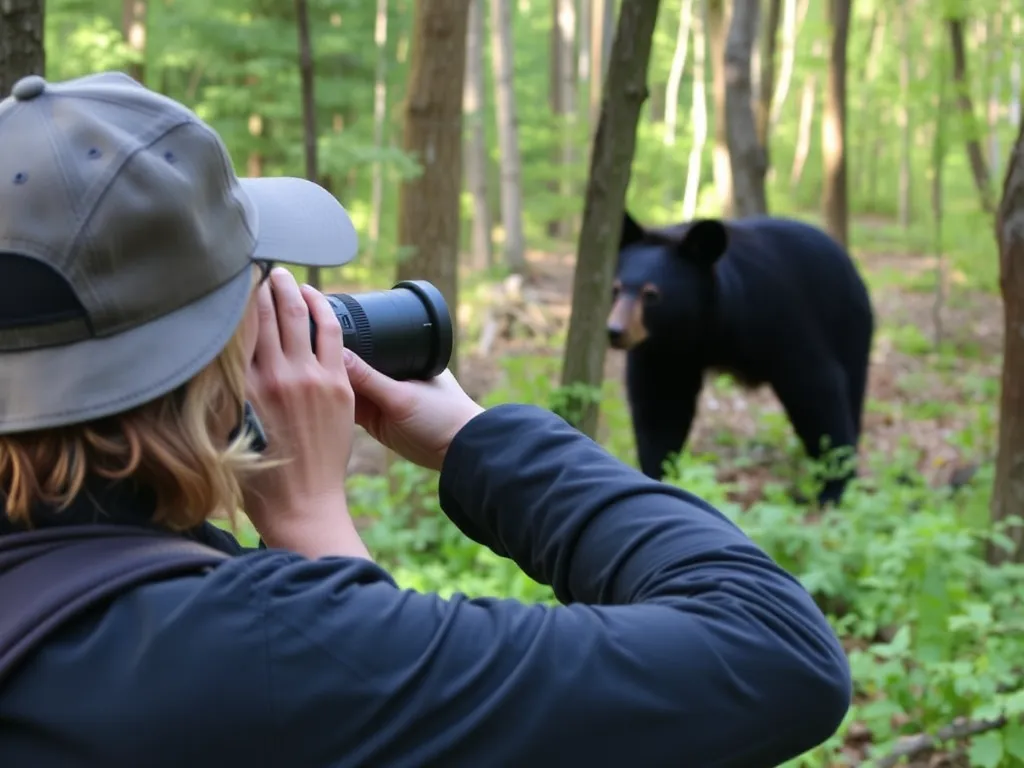
Maintaining Safe Distances from Wildlife
- 50 yards from bears and elk: This minimum distance is crucial for your safety and to prevent habituation of wild animals to human presence
- 150 feet from other wildlife: Maintain this distance for deer, raccoons, coyotes, and other smaller animals to avoid stressing them
- Never approach animals: Even if they appear calm or used to humans, wild animals can become aggressive when they feel threatened
- Use binoculars or telephoto lenses: These tools allow you to observe animals closely without disturbing them
Maintaining proper distances from wildlife is not just a safety precaution—it’s also a matter of ethical wildlife observation. When animals become accustomed to humans, they may lose their natural fear of people, leading to dangerous encounters for both wildlife and visitors.
The National Park Service strictly enforces these guidelines to protect both visitors and the park’s precious animal populations. Remember that you’re a guest in their home, and responsible wildlife viewing ensures these magnificent creatures can thrive for generations to come.
What to Do If You Encounter Wildlife
If you encounter wildlife during your visit, remain calm and follow these essential protocols. Never approach or attempt to feed wild animals, as this habituates them to human presence and can lead to aggressive behavior. Make noise as you hike to avoid surprising animals, especially in areas with limited visibility.
If you encounter a bear, stand your ground, make yourself appear larger, and speak in a calm, firm voice. Back away slowly without turning your back, and never run as this may trigger a chase response. For smaller animals like raccoons or squirrels, observe them from a distance and never leave food unattended, as this can attract wildlife to developed areas where they may become nuisances or create safety hazards.
What many visitors find surprising is that Great Smoky Mountains National Park is actually known as the “Salamander Capital of the World,” with over 30 different species calling the park home. These amphibians are often overlooked but play a crucial role in the ecosystem.
To enhance your wildlife viewing experience, consider downloading the official park app before your visit, which provides real-time wildlife sighting reports and educational information about the park’s diverse animal inhabitants. Remember to practice Leave No Trace principles and respect wildlife by observing from a distance—this ensures both your safety and the well-being of these incredible animals for future generations of visitors.
Frequently Asked Questions About Top 10 Animals To Spot In Great Smoky Mountains National Park
What animals can you find in the Great Smoky Mountains National Park?
Many mammals in the park are seldom seen due to their elusiveness or nocturnal behavior. Some of the mammals most commonly encountered when visiting the park are white-tailed deer, American black bear, elk, red and gray squirrels, chipmunks, woodchucks, raccoons, opossums, and coyotes.
What is the most common animal in the Smoky Mountains?
Black bears are the most popular animal in the Great Smoky Mountains. In fact, they have a population density of two bears per square mile. They can live in many types of environments due to their unique traits, one of which is their claws.