The best time to visit Glacier National Park for wildlife viewing is during the shoulder seasons of spring (May-June) and fall (September-October), when animals are more active at lower elevations and crowds are significantly thinner. These periods offer unique wildlife opportunities that peak summer visitors often miss, as animals emerge from hibernation or prepare for winter during these transitional times. Planning your visit around these seasonal patterns dramatically increases your chances of spotting bears, moose, elk, and other iconic wildlife species in their natural habitats while avoiding the peak tourist crowds that can disrupt animal behavior.
Key Takeaway
-
Spring (May-June) and fall (September-October) are the best times for wildlife viewing in Glacier National Park
-
Early mornings and late evenings offer the highest wildlife activity
-
Maintain safe distances: 100 yards from bears/wolves, 25 yards from other animals
Spring (May-June): Bear Emergence and Lower Elevation Activity
Spring brings a spectacular wildlife show to Glacier National Park as bears emerge from hibernation, typically in May, and begin their active foraging season. During this period, hungry bears can frequently be spotted on avalanche slopes where they search for emerging vegetation and winter-killed animals. The snow-covered slopes provide excellent visibility for wildlife observers, making this prime time for bear sightings.
Other animals like moose, elk, and bighorn sheep also become more active at lower elevations as snow begins to melt, creating a concentrated wildlife viewing experience. Mid-May through early June is considered the absolute best time to view bears in the parks, as they are just out of hibernation and often visible from park roads.
Wildlife biologists note that this period offers exceptional opportunities for observing bear behavior patterns before summer heat drives animals to higher elevations. The combination of emerging vegetation, active wildlife, and fewer visitors makes spring an ideal season for dedicated wildlife enthusiasts.
Fall (September-October): Mating Season and Bear Foraging
-
Bear Foraging Intensifies: Bears enter a critical feeding frenzy in September and October, consuming up to 20,000 calories daily as they prepare for winter hibernation. This increased activity makes them more visible as they search for berries, nuts, and other high-energy foods throughout the park.
-
Elk and Moose Rut: September marks the peak of mating season for elk and moose, with males engaging in dramatic vocal displays and territorial battles.
The bugling of elk and the deep calls of bull moose create an unforgettable wildlife soundtrack during fall evenings.
-
Mountain Goat Activity: As temperatures drop, mountain goats become more concentrated in lower elevation areas, making them easier to spot along trails and rocky outcrops during September and early October.
-
Optimal Viewing Conditions: Late September consistently ranks as the best time to visit Glacier National Park for wildlife viewing, with fewer crowds, cooler temperatures, and active animals preparing for winter.
Summer (July-August): Wildlife at Higher Elevations with Crowds
Summer months bring the highest concentration of visitors to Glacier National Park, which significantly impacts wildlife behavior. While animals remain active, they tend to retreat to higher elevations and more remote areas to avoid human traffic. July and August see peak visitor numbers along park roads and popular trails, forcing wildlife into less accessible mountainous regions.
During summer, animals become most active during dawn and dusk hours when temperatures are cooler and human presence is minimal. The famous Logan Pass area, while spectacular, often becomes too crowded for optimal wildlife viewing as animals seek quieter zones.
Wildlife photographers and experienced observers note that summer requires more patience and strategic planning, with early morning starting before 6 AM often yielding the best results. Despite the crowds, summer offers excellent opportunities for spotting wildlife in alpine meadows and high-country areas if visitors are willing to hike beyond the most popular trails.
Best Times of Day for Wildlife Viewing in Glacier National Park
Dawn and Dusk: Peak Wildlife Activity Periods
|
Time Period |
Wildlife Activity Level |
Temperature |
Visitor Traffic |
Best Species to Spot |
|---|---|---|---|---|
|
Dawn (5-8 AM) |
Very High |
Cool (45-65°F) |
Minimal |
Bears, Moose, Elk, Wolves |
|
Mid-Morning (9-11 AM) |
Moderate |
Mild (55-75°F) |
Increasing |
Bighorn Sheep, Mountain Goats |
|
Midday (12-4 PM) |
Low to Moderate |
Warm (65-85°F) |
Peak |
Limited wildlife activity |
|
Evening (5-8 PM) |
Very High |
Cool (50-70°F) |
Minimal |
Bears, Moose, Deer, Small Mammals |
|
Dusk (8-10 PM) |
High |
Cool (45-60°F) |
Very Low |
Nocturnal animals becoming active |
Dawn and dusk represent the golden hours for wildlife viewing in Glacier National Park, offering perfect conditions for animal observation. During these cooler periods, wildlife is naturally more active as they search for food, water, and mates. The soft, low-angle lighting during early morning and late evening hours not only creates ideal photography conditions but also makes animals more visible against the landscape.
Temperature plays a crucial role in wildlife behavior, with cooler temperatures triggering increased activity levels. Additionally, these periods coincide with minimal human traffic, allowing animals to engage in natural behaviors without human interference.
Experienced wildlife photographers consistently report that the hour immediately after sunrise and the hour before sunset produce the most dramatic wildlife encounters. The combination of optimal lighting, cooler temperatures, and reduced human presence makes these times absolutely essential for serious wildlife viewers.
Midday Wildlife Behavior: Why Animals Hide During Peak Hours
Midday hours in Glacier National Park present significant challenges for wildlife viewing as animals instinctively seek shelter from both heat and human activity. During the warmest parts of the day, typically between 11 AM and 3 PM, most wildlife species retreat to shaded areas, dense forests, or rocky outcrops to rest and avoid the intense summer sun. This natural behavior is compounded by the peak visitor traffic that fills park roads and popular trails during midday hours.
Human activity creates a double pressure on wildlife, forcing animals into increasingly remote areas to find both physical relief from heat and psychological distance from people. Wildlife biologists observe that during midday, animals may travel up to three times farther to find suitable resting areas compared to early morning or evening hours. The phenomenon is particularly pronounced in July and August when temperatures reach their highest and visitor numbers peak.
Understanding this pattern is crucial for wildlife viewers, as it explains why midday sightings become increasingly rare in popular areas and why successful wildlife observation requires either early morning starts or evening excursions. Animals have adapted to human presence by developing more nocturnal or crepuscular (dawn/dusk) activity patterns in heavily visited areas.
Top Wildlife Viewing Locations in Glacier National Park
Many Glacier: Prime Bear and Moose Spotting Area
-
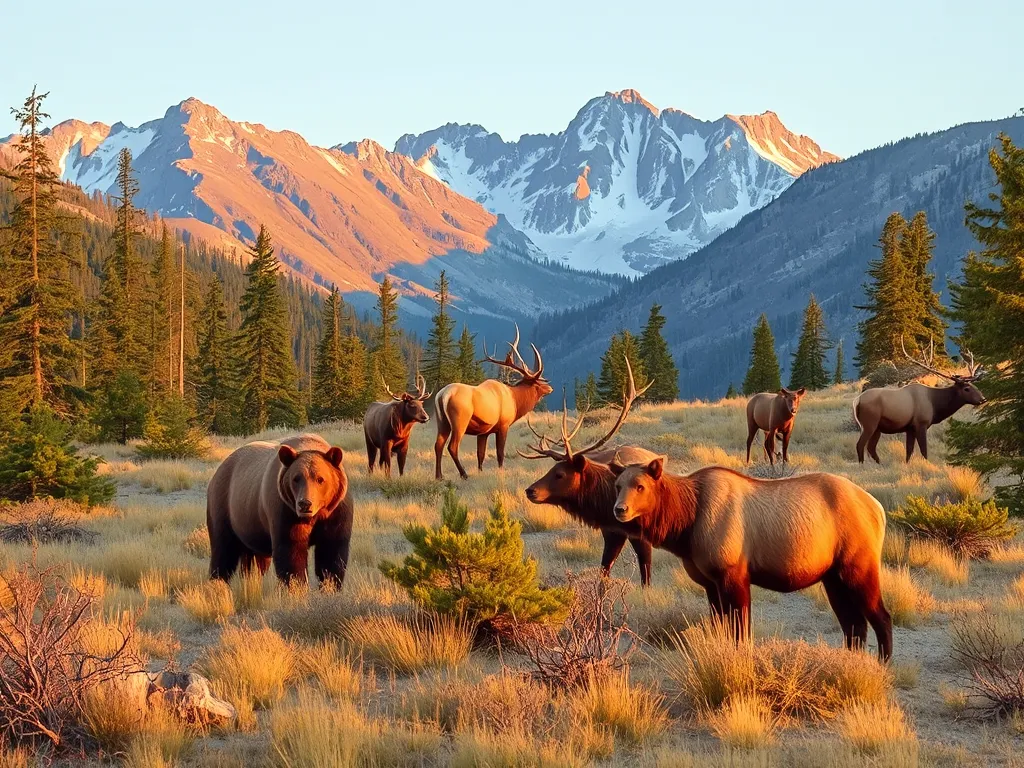
Bear Sightings: Many Glacier consistently ranks as one of the best areas in the park for bear sightings, particularly grizzlies often spotted foraging on the slopes of Altyn Peak and along Swiftcurrent Lake. The open terrain provides excellent visibility for wildlife observers.
-
Moose Concentration: The wet meadows and marshy areas around Many Glacier create ideal moose habitat, with frequent sightings of these majestic animals feeding on aquatic vegetation along the lake shores and in willow thickets.
-
Sheep and Goats: The steep mountain slopes surrounding Many Glacier provide prime habitat for bighorn sheep and mountain goats, which can often be seen grazing on alpine vegetation and navigating rocky terrain.
-
Accessibility: While popular, Many Glacier offers a more concentrated wildlife experience than other areas, with animals often visible from maintained trails and roads, making it accessible for visitors with varying fitness levels.
Two Medicine: Grizzly and Mountain Goat Territory
Two Medicine Valley offers a more intimate wildlife viewing experience compared to busier areas of Glacier National Park, making it an excellent choice for visitors seeking authentic wildlife encounters. This region is renowned for grizzly bear sightings, particularly along the shores of Two Medicine Lake and in the surrounding forested areas. The valley’s remote location and fewer crowds create a natural sanctuary for wildlife, allowing animals to exhibit more natural behaviors.
Mountain goats are frequently spotted on the steep cliffs and rocky outcrops surrounding the valley, where they navigate seemingly impossible terrain with remarkable agility. The diverse habitat in Two Medicine, ranging from dense forests to open meadows, supports a wide variety of wildlife species including black bears, elk, deer, and numerous bird species.
Wildlife enthusiasts appreciate that while the area offers excellent viewing opportunities, it maintains a more rustic, undeveloped character that appeals to those seeking a more authentic wilderness experience. The combination of fewer visitors and abundant wildlife makes Two Medicine a hidden gem for serious wildlife observers.
Avalanche Lake/Pass: Black Bear Hotspot
Avalanche Lake and the surrounding Avalanche Pass area have emerged as premier locations for black bear sightings in Glacier National Park, particularly during spring and fall seasons. The popular Avalanche Lake trail provides relatively easy access to excellent wildlife viewing opportunities, with frequent bear sightings reported along the trail and near the lake itself. The area’s dense forest cover and proximity to water sources create ideal bear habitat, while the maintained trail allows for safe observation from appropriate distances.
Spring brings increased bear activity as animals emerge from hibernation and search for food, while fall sees bears intensifying their foraging efforts before winter hibernation. Wildlife rangers often patrol this area to ensure visitor safety while maintaining optimal wildlife viewing conditions. The combination of accessibility and high bear activity makes Avalanche Lake one of the most reliable spots for bear encounters in Glacier National Park, though visitors must always maintain proper distances and follow wildlife safety guidelines to ensure both their safety and the animals’ well-being.
Perhaps the most surprising finding about wildlife viewing timing in Glacier National Park is that the absolute best wildlife viewing often occurs during transitional periods between seasons, particularly during the first warm days of spring when animals emerge from hibernation and during the first cold snaps of fall when bears intensify their feeding before winter. These brief windows of opportunity create exceptional wildlife viewing conditions that even experienced visitors rarely experience. For your next visit to Glacier National Park, plan your trip around these shoulder seasons and commit to early morning or late evening excursions to maximize your wildlife viewing success while minimizing your impact on these magnificent animals.