Winter (December-March) is the best time to see bald eagles in the wild, as these magnificent birds congregate near open water sources to feed. With thousands of bald eagles migrating to specific locations across the United States, winter offers unparalleled viewing opportunities for wildlife enthusiasts.
- Winter (December-March) is the prime season for bald eagle viewing, with January and February being peak months nationwide
- Top locations include Chilkat Eagle Preserve (AK), Klamath Basin (CA/OR), Conowingo Dam (MD), and the Mississippi River
- Eagles are most active early morning (7-9am) and late afternoon (4-5pm), making these optimal viewing times
Best US Locations for Bald Eagle Viewing in 2026
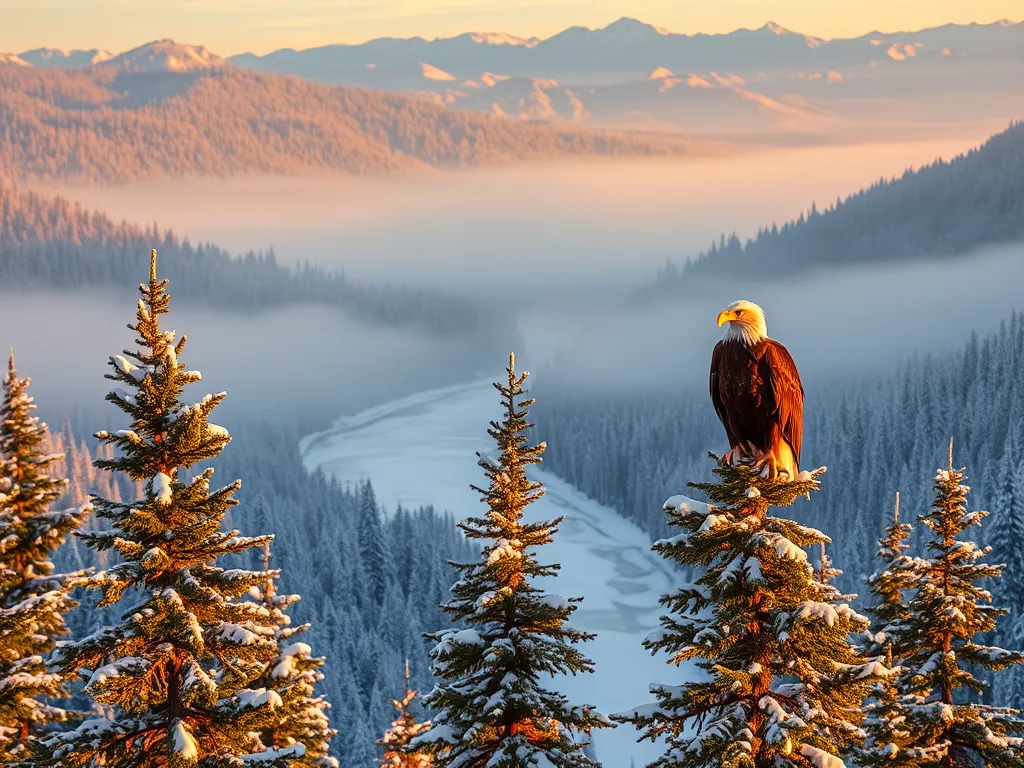
Premier West Coast Viewing Sites
- Chilkat Eagle Preserve (Haines, AK): Features the world’s largest concentration of bald eagles, with thousands gathering for a late salmon run. This Alaska preserve offers spectacular viewing opportunities, particularly from November through January when eagles congregate in massive numbers.
- Klamath Basin National Wildlife Refuges (CA/OR): Hosts the largest wintering concentration of bald eagles in the lower 48 states. The combination of open water and abundant fish creates ideal conditions for eagle viewing from December through March.
- Skagit River (WA): Excellent for viewing eagles feeding on salmon in the Pacific Northwest. The river’s abundant fish population attracts numerous eagles, particularly during the fall salmon runs through early winter.
These West Coast locations offer some of the most reliable and spectacular bald eagle viewing experiences in the country, with Alaska’s Chilkat Preserve being particularly renowned for hosting the largest gathering of bald eagles in the world.
Top Eastern Eagle Hotspots
- Conowingo Dam (Darlington, MD): Known as the premier East Coast spot for bald eagle viewing, with hundreds gathering to feed on fish in winter. The dam’s hydroelectric operations dislodge fish, creating an easy food source that attracts eagles from November through March.
- Upper Mississippi River (Various locations): The Mississippi River, particularly near the National Eagle Center in Wabasha, MN, is a prime winter migration hotspot. The open water and abundant fish make this area ideal for eagle viewing from December through February.
Eastern locations offer excellent opportunities to observe bald eagles in their natural habitats, with Conowingo Dam being particularly famous for the sheer number of eagles that can be seen on any given day during peak season.
Southern Bald Eagle Habitats
- Caddo Lake (TX/LA): Ideal for seeing nesting pairs in the southern United States. This unique cypress lake provides excellent habitat for bald eagles, particularly during the nesting season from late winter through spring.
Southern locations offer a different perspective on bald eagle viewing, focusing more on nesting pairs rather than winter congregations. Caddo Lake provides a serene environment where visitors can observe eagles in their natural breeding habitat.
What Are the Best Times to Spot Bald Eagles?
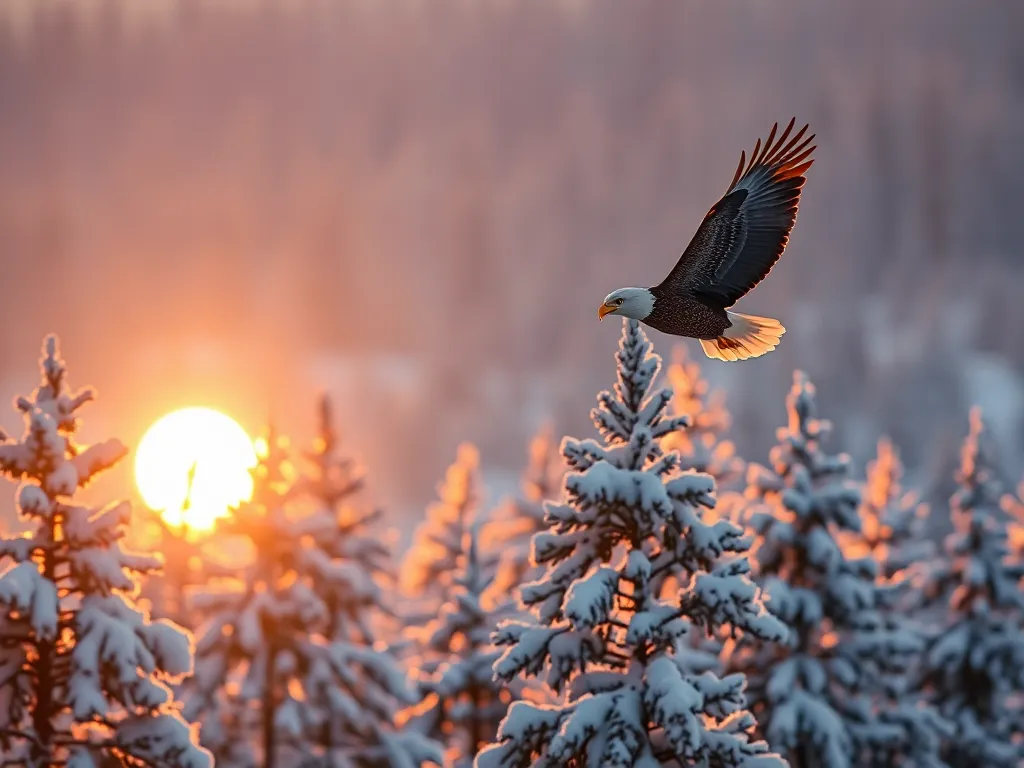
Peak Winter Viewing Months (January-February)
January and February are generally the best months nationwide for bald eagle viewing, as northern waters freeze, forcing eagles to migrate south in search of open water and food sources. During this period, the absence of leaves on trees makes the eagles much easier to spot against the winter landscape.
The concentrated populations during these months significantly increase your chances of observing these magnificent birds in action. Wildlife experts consistently recommend these peak months for eagle watching, as the combination of migration patterns and environmental conditions creates ideal viewing conditions across multiple locations in the United States.
Daily Activity Patterns for Eagle Viewing
Bald eagles are most active during specific times of day, with early morning (7 a.m. to 9 a.m.) and late afternoon (4 p.m. to 5 p.m.) being prime viewing opportunities. During these times, eagles are actively hunting and feeding, making them more visible and engaging to observe.
Morning activity typically begins as eagles leave their roosting sites to search for breakfast, while late afternoon activity increases as they prepare for the night and take advantage of the lower angle of sunlight for hunting. Planning your viewing around these activity patterns will dramatically increase your chances of witnessing eagle behaviors like diving for fish, carrying prey, and interacting with other eagles.
Understanding Eagle Migration Patterns
Bald eagles migrate in response to changing food availability and weather conditions, with northern populations moving south as waters freeze and fish become scarce. These majestic birds follow established migration routes that often follow major river systems, which provide reliable food sources during their journey.
Understanding these patterns helps explain why certain locations see dramatic increases in eagle populations during specific months. The migration is driven by survival instincts rather than seasonal temperature changes alone, making winter the consistent peak viewing period year after year across the United States.
Essential Tips for Successful Bald Eagle Viewing
Gear and Equipment Recommendations
- Binoculars: Choose 8×42 or 10×42 binoculars for the best balance of magnification and field of view. Look for waterproof models with good light transmission for early morning or late afternoon viewing.
- Spotting Scopes: A high-quality spotting scope with a 20-60x zoom range allows you to observe eagle details from a safe distance without disturbing them. Tripod mounting is essential for steady viewing.
- Camera Equipment: Use a DSLR or mirrorless camera with a telephoto lens (300mm or longer) for capturing eagle images. Consider a teleconverter to extend your reach, and pack extra batteries as cold temperatures drain them faster.
Having the right equipment significantly enhances your eagle viewing experience, allowing you to observe details and behaviors that would otherwise be missed with the naked eye.
Best Practices for Responsible Eagle Watching
When viewing bald eagles in the wild, maintaining a respectful distance is crucial to minimize stress on these magnificent birds. Use natural cover like trees or terrain to hide your presence, and avoid sudden movements or loud noises that could disturb them. Never attempt to feed eagles or leave out food to attract them, as this can disrupt their natural hunting behaviors and create dependency issues.
Remember that you are a guest in their habitat, and your presence should have minimal impact on their natural activities. By following these ethical practices, you help ensure that future generations can also enjoy the privilege of observing bald eagles in their wild habitats.
Photography Tips for Capturing Bald Eagles
- Camera Settings: Use shutter priority mode with a fast shutter speed (1/1000s or faster) to freeze eagle motion. Set your ISO between 400-800 depending on lighting conditions, and use aperture priority for depth of field control.
- Composition: Apply the rule of thirds when framing eagles, leaving space in the direction they’re looking or flying.
Include environmental context like trees or water to tell a more complete story.
- Timing: Be prepared and patient, as the best eagle action often happens quickly. Anticipate flight patterns and have your camera ready to capture decisive moments like dives or interactions between eagles.
Capturing compelling photographs of bald eagles requires both technical skill and patience, but the reward is stunning images that showcase these magnificent birds in their natural habitat.
For those interested in expanding their wildlife viewing experiences, exploring other national parks and wildlife refuges can provide opportunities to observe diverse species in their natural habitats. The Wildlife resources available online offer comprehensive guides for planning successful nature viewing trips across different ecosystems.
One surprising fact about bald eagles is their exceptional problem-solving abilities – studies have shown they can remember and return to food sources for weeks after discovering them. This intelligence explains why certain locations consistently attract large numbers of eagles year after year. If you’re planning your first eagle viewing trip, start by checking the National Eagle Center website for updated viewing conditions and guided tour options at premier locations like the Mississippi River or Chilkat Preserve.
Frequently Asked Questions About How To See Bald Eagles In The Wild: Best Us Locations And Seasons
In what state can you see the most bald eagles?
The pros tell us about their favorite places to shoot Baldies. Sure, Alaska has by far the largest population of Bald Eagles in the United States, with some 30,000 birds.
What month are bald eagles most active?
Winter is the best time to watch. Wintering eagles arrive in December with concentrations peaking in January and February. Eagles are most active between 7am to 9am and 4 pm to 5 pm.
Where is the largest gathering of bald eagles in the US?
Want to see a hundred bald eagles in a single glance? Spy a couple dozen roosting in a lone tree?
Listen to the hair-raising chorus of their weird, trilling calls? Visit the Alaska Chilkat Bald Eagle Preserve —site of the largest gathering of bald eagles in the world.