More than one-third of all shark and ray species are threatened with extinction, according to the IUCN Red List. These ancient creatures have survived for over 400 million years, surviving multiple mass extinction events that eliminated the dinosaurs. Sharks play crucial roles in maintaining healthy marine ecosystems by controlling prey populations and maintaining balance in ocean food webs.
However, human activities have pushed many species to the brink of extinction in just a few decades. While some shark populations are thriving under proper management, others face immediate extinction threats that require urgent conservation action before these magnificent creatures disappear forever.
Key Takeaway
-
17 shark species are threatened with extinction according to the Shark Specialist Group
-
70% decline in open ocean shark species over recent decades
-
Some species like Spiny Dogfish have shown population stabilization due to management
Critically Endangered Shark Species: Which Face Immediate Extinction Threats?
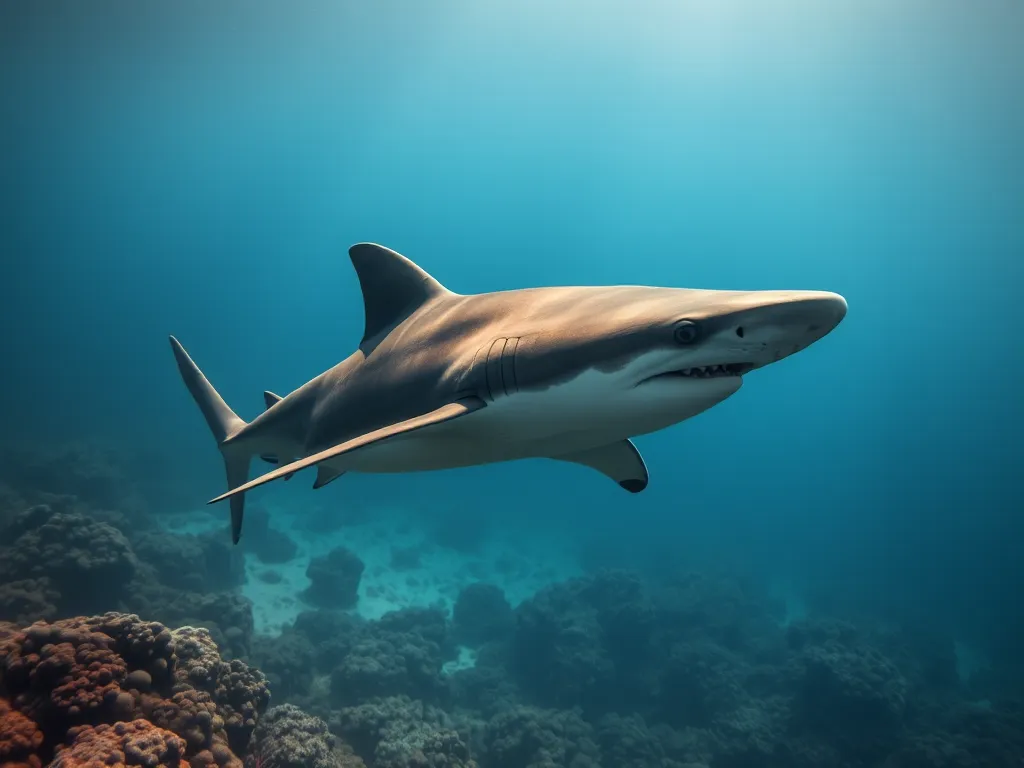
Oceanic Whitetip and Other Critically Endangered Species
-
Oceanic Whitetip Shark: Critically Endangered with 98% decline in some regions due to high-seas fishing, particularly in tuna longline fisheries targeting tropical and subtropical waters
-
Great Hammerhead: Critically Endangered due to fin trade and low reproductive rates; females produce only 15-20 pups every two years
-
Ganges Shark: Critically Endangered rare riverine species found primarily in the Ganges River system; threatened by habitat degradation, pollution, and fishing
-
Daggernose Shark: Critically Endangered from intense, unmanaged fishing in coastal waters of South America; population decline estimated at 95% since 1980s
-
Basking Shark: Critically Endangered in some regions due to historical overfishing for liver oil and meat; slow recovery due to late maturity (10-15 years)
The IUCN Red List assessment shows these species face immediate extinction threats due to targeted fishing and bycatch. Oceanic Whitetip Sharks, once abundant in tropical oceans, have declined dramatically as they’re frequently caught in tuna longline fisheries. Their slow growth rate and late maturity make recovery difficult even with protection measures.
The Great Hammerhead, recognizable by its distinctive hammer-shaped head, faces additional threats from its high value in the fin trade. These sharks can grow up to 20 feet long but are particularly vulnerable due to their coastal nursing habitats and predictable migration patterns that make them easy targets for fishermen.
Scalloped Hammerhead: A Case Study in Rapid Decline
The Scalloped Hammerhead is Critically Endangered according to the IUCN Red List, with populations declining by up to 80% globally. These impressive sharks can grow up to 13 feet (4 meters) long but face severe threats from overfishing for meat and fins.
Their distinctive hammer-shaped head contains electroreceptors that help detect prey, but also makes them vulnerable to capture in fishing nets. The Scalloped Hammerhead forms large schools, particularly during mating season, making them exceptionally easy targets for fishermen.
Low reproductive rates—females produce only 12-15 pups every 2-3 years—make recovery difficult despite protection efforts in some regions. Conservation efforts include fishing restrictions and international agreements to protect their critical habitats. In 2013, Scalloped Hammerheads were added to CITES Appendix II, regulating international trade.
However, enforcement challenges in many regions continue to threaten their survival. Recent genetic studies have revealed that what was once considered a single species may actually be several distinct species, each with potentially smaller population sizes than previously believed, further complicating conservation efforts.
Shark Species with Stable or Recovering Populations: Which Are Thriving?
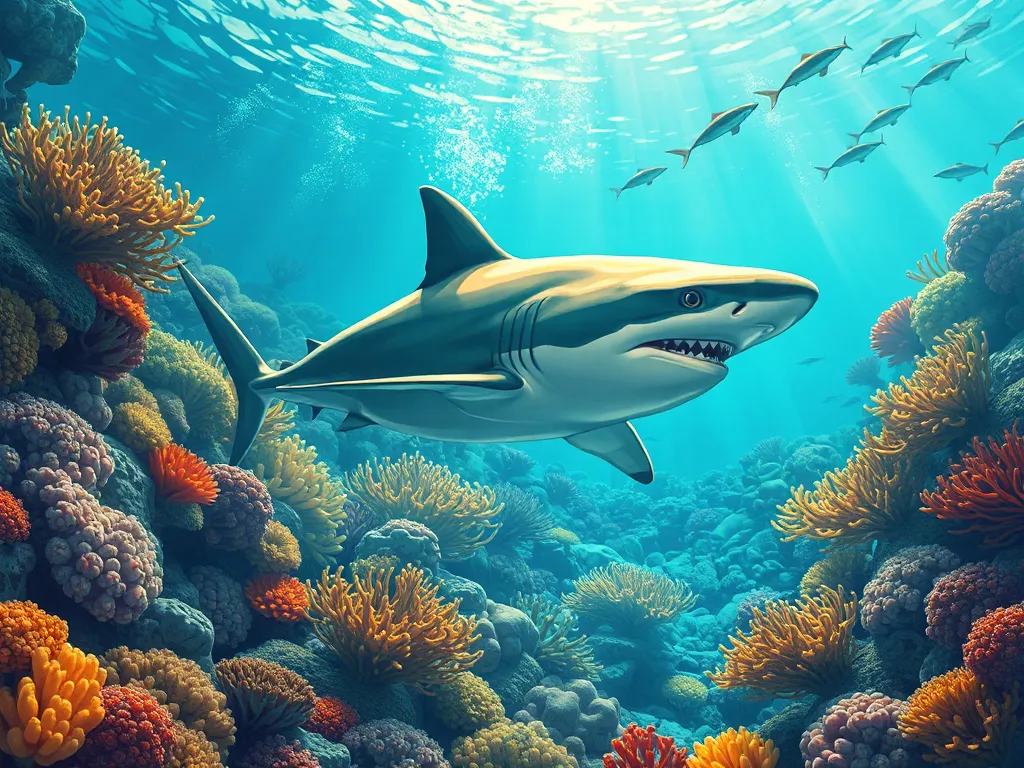
Stable Species: Spiny Dogfish and Other Success Stories
-
Spiny Dogfish: Populations stabilized in some regions due to strict management and catch limits; quotas implemented in North Atlantic have allowed recovery
-
Blue Shark: Currently listed as Near Threatened despite frequent catches in global fisheries; high reproductive rate helps maintain populations
-
Nurse Shark: Stable populations in protected areas and well-managed regions; relatively high reproductive rate compared to other shark species
-
Recovery efforts: Some regional populations showing positive trends through conservation measures; Marine Protected Areas showing promising results
-
Reef Sharks: Certain species like Blacktip Reef Sharks showing stability in well-protected marine reserves
These success stories demonstrate that shark populations can recover with proper management and protection. The Spiny Dogfish, once overfished in the North Atlantic, has seen population stabilization due to strict catch limits and fishing quotas. Since implementing scientific management plans in the 1990s, some populations have increased by as much as 30%.
Blue Sharks, while frequently caught, have maintained relatively stable populations due to their high reproductive rate—females can produce 25-100 pups per litter compared to the 3-20 pups typical of many other shark species. These examples offer hope for shark conservation when science-based management is implemented effectively.
Marine Protected Areas have proven particularly effective for certain shark species. In the Galapagos Marine Reserve, studies have shown that hammerhead populations are significantly higher than in unprotected areas nearby.
Similarly, the Papahānaumokuākea Marine National Monument in Hawaii has become a safe haven for reef sharks, with populations thriving in the protected waters. These success stories highlight the importance of habitat protection and reduced fishing pressure in shark conservation strategies.
What is the Oldest Living Shark?
A Greenland shark born around 1620 is still alive today, making it one of the oldest living vertebrates ever discovered. This remarkable creature has survived for over 400 years—longer than most civilizations.
Scientists estimate that Greenland sharks can live up to 400-500 years, with extremely slow growth rates of about 1 centimeter per year. These ancient sharks weren’t discovered to live so long until recent research using radiocarbon dating of eye lenses.
Their longevity is partly due to their adaptation to cold Arctic waters and their unique metabolism. Greenland sharks thrive in the deep, cold waters of the North Atlantic, typically found at depths of 200-2,000 meters where temperatures hover just above freezing. Their slow metabolism allows them to conserve energy in these harsh conditions.
Recent studies have revealed that these sharks may reach sexual maturity only at around 150 years old, making them one of the latest-maturing vertebrates on Earth. The discovery of these ancient sharks has revolutionized our understanding of aging and has opened new avenues for research into longevity and age-related diseases.
Threats Impacting Shark Conservation Status: Why Some Species Decline While Others Thrive
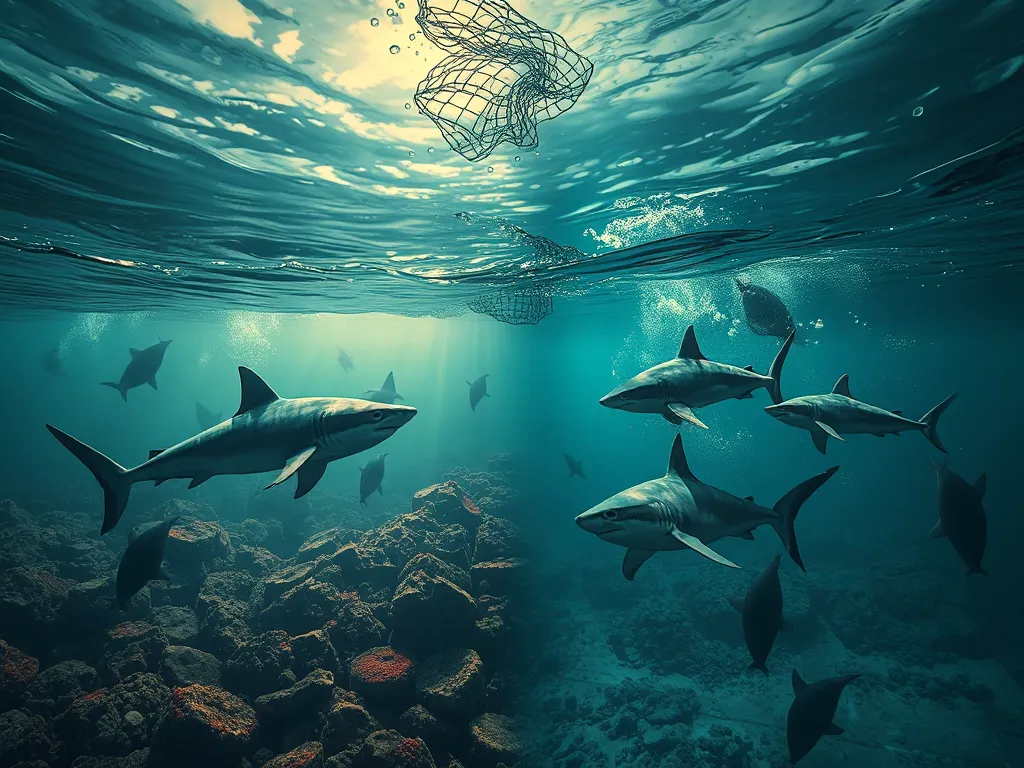
Overfishing Statistics by Region and Species
|
Species/Region |
Population Decline |
Fishing Impact |
|---|---|---|
|
Pelagic Sharks |
71% decline in past 50 years |
High-seas longline fishing |
|
Indonesia |
World’s largest shark-fishing nation |
Targeted fishing for fins |
|
Spain & India |
Major contributors to global catch |
Bycatch in commercial fisheries |
|
Mexico |
Significant regional fishing pressure |
Coastal and offshore fisheries |
|
Coastal Sharks |
64% decline since 1970 |
Nearshore gillnet and trawl fisheries |
These statistics reveal the dramatic impact of fishing activities on shark populations. The 71% decline in pelagic sharks over 50 years represents one of the most rapid declines in marine vertebrate history.
Coastal sharks have declined by 64% since 1970, with species like the Lemon Shark and Blacktip Reef Shark experiencing particularly severe population reductions. The decline is most pronounced in species with specific habitat requirements or those that aggregate in predictable locations for mating or feeding.
Indonesia, Spain, and India account for a significant portion of global shark catches, both through targeted fishing and bycatch in commercial fisheries. Indonesia alone accounts for approximately 13% of global shark catches, primarily driven by the demand for shark fins in Asian markets. Spain and India contribute significantly through bycatch in their extensive tuna and swordfish fisheries — Wildlife.
Mexico also contributes significantly to global shark fishing pressure, particularly in coastal waters where many shark species breed and give birth. The combination of targeted fishing, bycatch, and habitat destruction creates a perfect storm for shark populations, particularly for species with low reproductive rates and slow growth.
The Shark Fin Trade and Conservation Efforts
The shark fin trade drives many species toward extinction, with fins selling for hundreds of dollars per pound in Asian markets. This lucrative trade has led to the practice of finning—sharks are caught, their fins removed, and the often still-living sharks are thrown back into the ocean.
The global shark fin trade is estimated to be worth between $540 million and $1.2 billion annually, creating powerful economic incentives for continued fishing despite conservation concerns. Hong Kong handles about 50% of the global shark fin trade, with fins coming from over 80 countries and territories.
CITES protection has been implemented for several threatened shark species, including the Scalloped Hammerhead and Oceanic Whitetip, to regulate international trade. In 2013, CITES Parties agreed to list five commercially valuable shark species under Appendix II, which requires proper permits for international trade.
Since then, additional species have been added to the list, including the silky shark, thresher sharks, and the reef whitetip shark. Binding legislation and harvest management strategies are being developed in many countries, with some regions implementing complete bans on finning and shark fin trade.
Understanding the conservation status of different shark species helps prioritize which species need most urgent protection. Conservation efforts are showing promising results in some areas, with better enforcement of fishing regulations and increased public awareness about the importance of sharks in marine ecosystems.
The European Union has implemented a comprehensive shark plan that includes finning bans, catch limits, and data collection requirements. Similarly, the United States has strengthened its shark finning regulations and established shark fishing quotas in federal waters.
However, the global scale of shark fishing and the high value of shark fins make conservation challenging. International cooperation and stronger enforcement of existing regulations are essential for protecting these vulnerable species.
Recent technological advances like satellite tracking and genetic testing are helping authorities better monitor shark populations and trace illegal fishing activities. Public awareness campaigns have also contributed to reduced demand for shark products in some markets, though significant challenges remain in changing cultural attitudes toward shark consumption.
The most surprising finding in shark conservation is the incredible longevity of Greenland sharks, with some individuals living over 400 years. These ancient sharks serve as a reminder of how long these creatures can survive when protected from human threats. Their remarkable lifespan offers valuable insights into aging processes that could benefit medical research on age-related diseases.
To support shark conservation, readers can choose sustainable seafood options and avoid restaurants that serve shark fin soup. Supporting organizations that work to protect marine habitats and advocate for stronger fishing regulations can make a real difference in shark conservation efforts.
Consumers can also reduce their environmental impact by minimizing plastic use and supporting sustainable fishing practices. Every action, no matter how small, contributes to the protection of these magnificent creatures that have roamed our oceans for millions of years.