When it comes to reproductive records, the ocean sunfish (*Mola mola*) stands in a league of its own, releasing up to 300 million eggs in a single spawning event. This incredible number represents the highest offspring count ever recorded in a single reproductive event across all animal species.
Such massive egg production is necessary because only a tiny fraction of these eggs will survive to adulthood in the vast ocean environment. The ocean sunfish, which can grow up to 10 feet long and weigh over 5,000 pounds, demonstrates nature’s remarkable approach to ensuring species survival through overwhelming numbers.
Key Takeaway
- Ocean sunfish holds the record with 300 million eggs in one spawning
- Tailless tenrec is the mammal champion with up to 32 offspring per birth
- Male seahorses can give birth to 1,000-2,000 babies at once
Ocean Sunfish: The Unbeatable Egg Producer
The ocean sunfish truly deserves its reputation as nature’s ultimate baby-making machine. This massive bony fish, found in temperate and tropical waters worldwide, can release up to 300 million eggs during a single spawning event.
To put this number in perspective, that’s equivalent to the entire population of several small countries being born at once. The ocean sunfish holds the title of the largest bony fish in the world, reaching weights of up to 5,000 pounds, yet it compensates for its enormous size with equally enormous reproductive output.
This incredible egg production serves as a survival strategy. With such low survival rates for individual eggs—often less than one in a million reaching adulthood—the ocean sunfish ensures species continuation through sheer numbers. The eggs are scattered in the open ocean, where most become food for other marine organisms or fail to develop properly.
Only a tiny fraction will hatch and survive to grow into the massive sunfish we recognize today. This reproductive strategy, known as r-selection, prioritizes quantity over quality when it comes to offspring survival.
Other Egg-Laying Record Holders
| Animal Species | Offspring Count | Reproductive Details |
|---|---|---|
| Tuna | Up to 4 million eggs | Single spawning event |
| Driver Ants | 3-4 million eggs | Every 25 days |
| Leatherback Sea Turtle | 80-100 eggs | Per clutch, up to 10 clutches per season |
While the ocean sunfish remains unmatched in absolute numbers, other species demonstrate remarkable reproductive capabilities in their own right. Tuna, another large ocean fish, can produce around 4 million eggs in a single spawning event.
Meanwhile, driver ants, those tiny but numerous insects, can lay 3-4 million eggs every 25 days, continuously replenishing their colonies. Even sea turtles, which lay far fewer eggs than fish, still produce impressive numbers—leatherback sea turtles lay 80-100 eggs per clutch and may nest up to 10 times in one breeding season, potentially resulting in around 1,000 eggs from a single female in one year.
Mammals with Exceptionally Large Litters
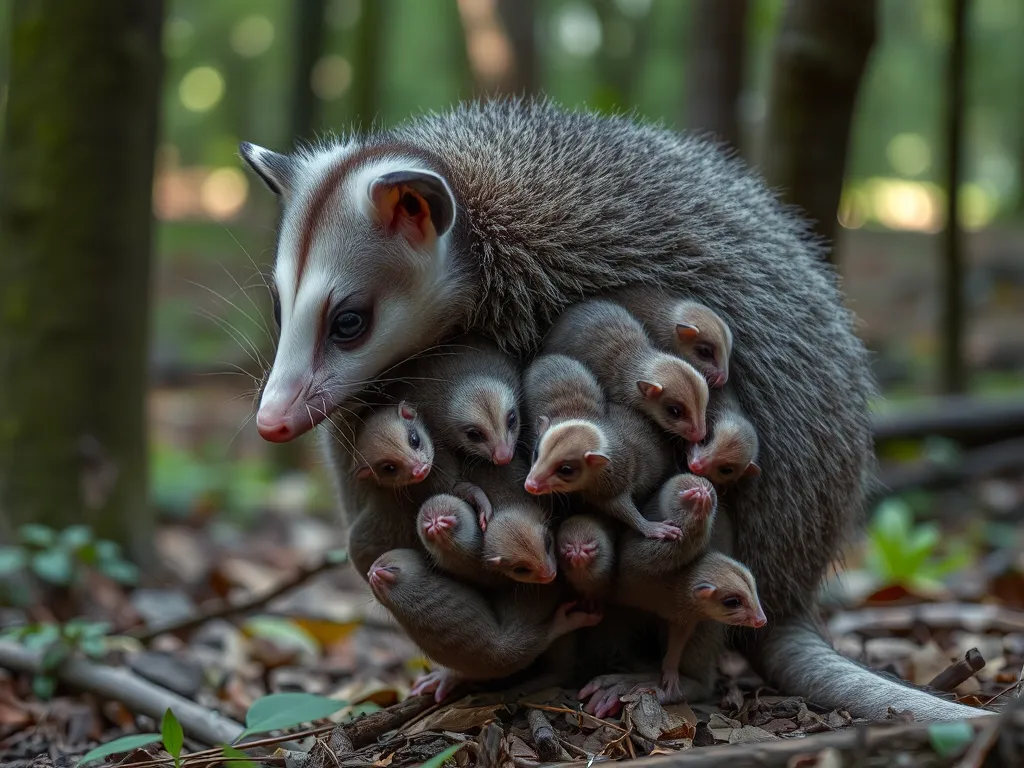
Tailless Tenrec: The Mammal Champion
Among mammals, the tailless tenrec (*Centetes ecaudatus*) of Madagascar reigns supreme as the champion of large litters. This small, hedgehog-like mammal can give birth to up to 32 young in a single birth, making it the mammal with the largest litter size ever recorded.
What makes this even more remarkable is that the tailless tenrec typically gives birth to 15-20 offspring on average, but under optimal conditions, it can produce litters approaching three dozen babies. Found exclusively in Madagascar, this nocturnal insectivore has evolved an extraordinary reproductive strategy to ensure survival in its environment.
The tailless tenrec’s reproductive capabilities are particularly impressive given that it’s a mammal. Unlike fish and insects that produce massive numbers of eggs with minimal parental investment, mammals typically invest significant resources in fewer offspring.
The tailless tenrec breaks this pattern by producing large numbers of relatively undeveloped young that grow rapidly after birth. This reproductive strategy allows the species to quickly establish new colonies and maintain population numbers despite high mortality rates in the wild.
Other Mammals with Large Litters
- Naked Mole Rat: Can produce 27-30 pups in a single litter. These remarkable rodents live in complex underground colonies and demonstrate unusual social breeding patterns.
-
Golden Hamster: Typically has 8-12 pups but can have up to 20.
These popular pets are known for their rapid reproduction rates in captivity.
- American Black Bear: Can have 1-5 cubs per litter, with the average being 2-3. Despite being larger animals, bears produce relatively small litters compared to smaller mammals.
While the tailless tenrec holds the mammalian record for largest litter, several other species demonstrate impressive reproductive capabilities. The naked mole rat, famous for its eusocial behavior similar to bees and ants, can produce litters of 27-30 pups. These rodents live in underground colonies with a single breeding queen, making their high reproductive output essential for colony growth.
Domesticated mammals like golden hamsters also show remarkable breeding capacity, typically producing 8-12 pups per litter but capable of up to 20 under ideal conditions. Even larger mammals like bears, which might seem to have fewer offspring, still produce significant numbers considering their size and the amount of parental investment required.
Unique Reproductive Strategies in the Animal Kingdom
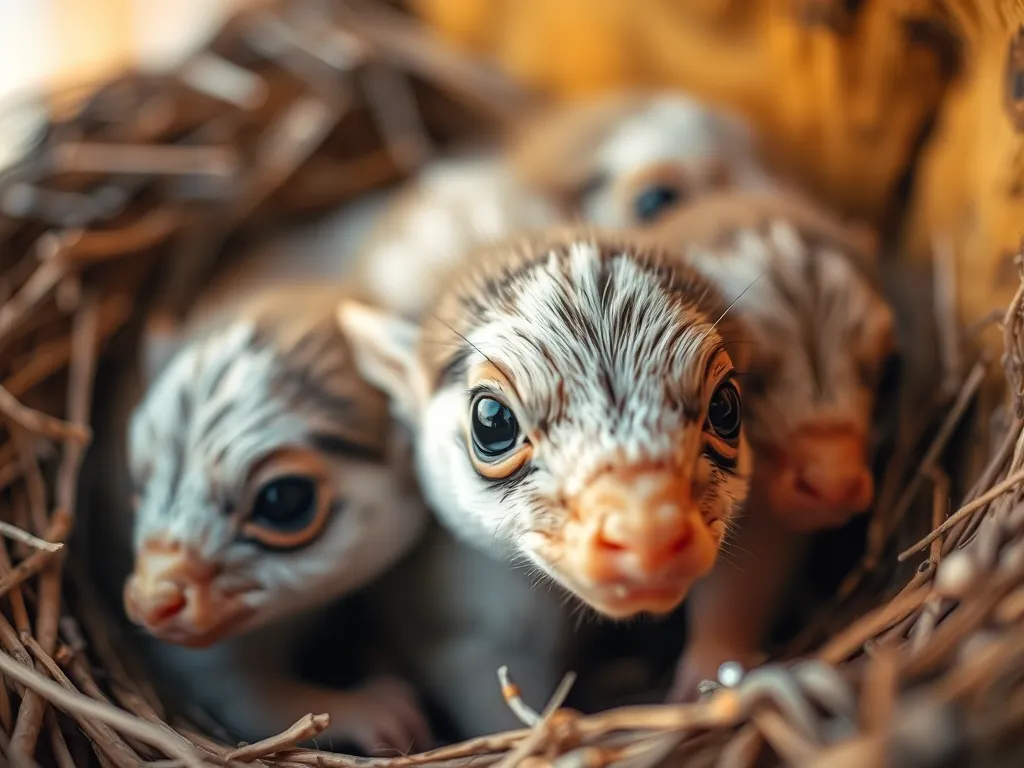
Male Pregnancy: Seahorses and Their Remarkable Offspring
Perhaps the most fascinating reproductive strategy in the animal kingdom belongs to seahorses, where males carry and give birth to the young. Male seahorses can give birth to up to 1,000-2,000 babies at once in a remarkable display of reproductive responsibility. During mating, the female deposits her eggs into the male’s brood pouch, which then closes and seals.
The male carries these eggs for about two to four weeks, providing oxygen and nutrients similar to a mammalian uterus. When the time comes for birth, strong muscular contractions expel the fully formed baby seahorses into the surrounding water.
This role reversal in reproduction makes seahorses truly unique among vertebrates. The male’s brood pouch creates a protected environment where the developing young receive some degree of parental care, which is rare among fish species. Different seahorse species produce varying numbers of offspring, ranging from as few as 150 to as many as 2,000 per birth.
This wide variation reflects different evolutionary adaptations to their specific environments. The seahorse demonstrates that reproductive success can be achieved through multiple strategies, not just the massive egg production of fish like the ocean sunfish.
What Animal Has the Most Babies in One Pregnancy?
When considering live-bearing animals specifically, seahorses emerge as the most prolific, with males capable of delivering 1,000-2,000 babies in a single pregnancy. Among terrestrial live-bearers, the venomous puff adder (*Bitis arietans*) ranks high, though with significantly fewer offspring compared to seahorses.
Different reproductive strategies have evolved across species to address specific survival challenges. Animals in stable environments with low predation pressure may produce fewer offspring with greater parental investment, while those in harsher environments with high mortality rates tend to produce larger numbers of offspring with minimal care.
The concept of “most babies” varies significantly depending on how we define birth. For egg-layers, the ocean sunfish remains unmatched with its 300 million eggs. For live-bearing mammals, the tailless tenrec holds the record with up to 32 offspring.
For live-bearing fish, seahorses lead the way with males giving birth to thousands of babies. Each reproductive strategy represents an evolutionary solution to specific environmental pressures and survival challenges. Understanding these diverse approaches helps us appreciate the incredible adaptability of life on Earth and the many ways species have evolved to ensure their continuation.
The most surprising finding in animal reproduction is that male seahorses carry and give birth to thousands of offspring, completely reversing the typical reproductive roles seen in most animals. This remarkable adaptation demonstrates that nature finds multiple paths to reproductive success. If you’re fascinated by these incredible reproductive adaptations and want to learn more about the diverse strategies animals use to ensure their survival, explore our comprehensive guide to wildlife reproductive biology on our main website, where you’ll find detailed information about animal reproduction records and evolutionary adaptations.