The Arctic tern holds the record for the longest migration route of any animal on Earth, traveling an astonishing 70,000 to 95,000 kilometers (44,000 to 59,000 miles) each year between Arctic breeding grounds and Antarctic waters. These remarkable birds experience two summers annually as they complete their epic journey across the planet, demonstrating one of nature’s most incredible feats of endurance and navigation.
Key Takeaway
- Arctic Tern holds the record for longest migration at 70,000-95,000 km annually
- Caribou have the longest terrestrial migration at 3,000+ km
- Gray whales complete 12,000-mile roundtrip migrations
- Bar-tailed godwits fly 11,000 km non-stop
The Arctic Tern: Record Holder for Longest Animal Migration
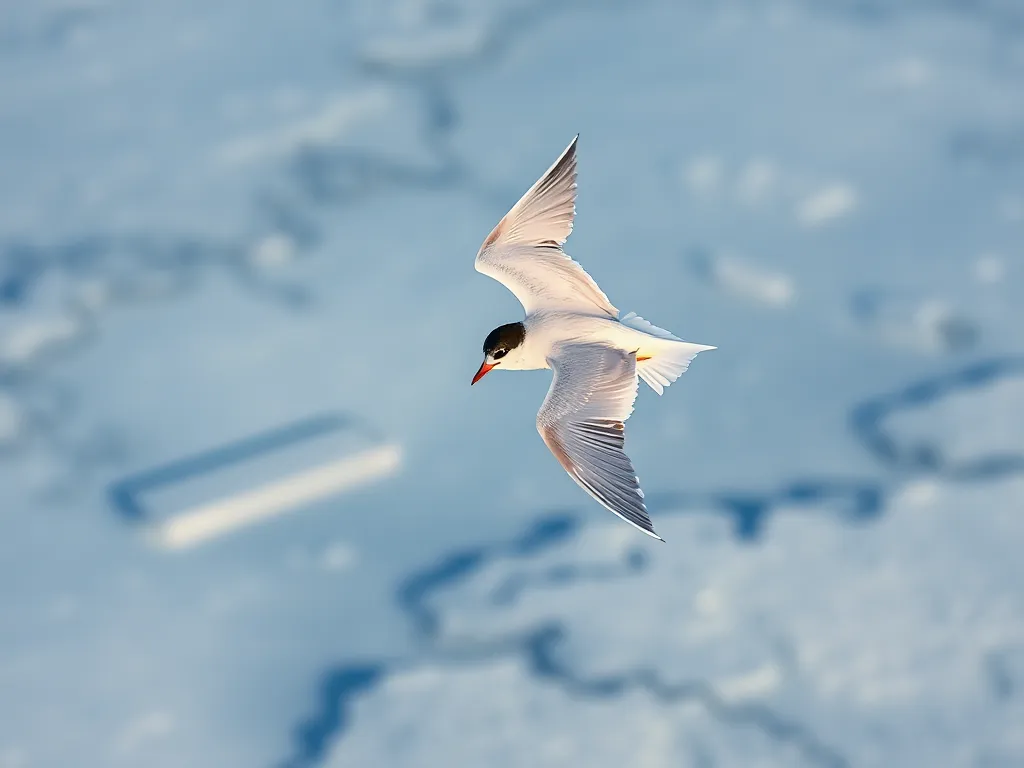
Arctic Tern Migration: 70,000-95,000 Kilometers Annually
The Arctic tern (*Sterna paradisaea*) undertakes the most extensive migration journey of any animal species, flying between 70,000 and 95,000 kilometers each year. These small, elegant birds travel from their Arctic breeding grounds to the Antarctic waters and back, experiencing two summers annually. Their migration follows a circuitous route that takes advantage of global wind patterns and ocean currents, allowing them to maximize their time in productive feeding areas while conserving energy during long flights.
The terns begin their southward journey in late summer, traveling along coastlines and over open ocean, using Earth’s magnetic field and celestial navigation to guide them. They stop periodically to feed on fish and plankton, building up energy reserves for the next leg of their journey. Upon reaching Antarctic waters, they spend several months feeding before reversing course and returning north to their Arctic breeding grounds, arriving just in time for the Arctic summer.
Lifetime Distance: Nearly Four Round Trips to the Moon
- 2.9 million kilometers traveled over a 30-year lifespan
- Equivalent to nearly four round trips to the moon
- Zigzagging routes that optimize wind systems for energy conservation
- Feeding on small fish and crustaceans during their transoceanic journey
Arctic terns are masters of energy-efficient travel, utilizing global wind patterns and ocean currents to minimize the effort required for their extraordinary journeys. Their ability to navigate across vast distances using Earth’s magnetic fields and celestial cues remains one of nature’s most remarkable navigational feats. These birds can live up to 30 years in the wild, during which time they accumulate an incredible lifetime migration distance.
Scientists have tracked individual terns that have traveled the equivalent of nearly four round trips to the moon during their lifetimes. Their migration routes are not direct paths but rather zigzagging patterns that follow wind systems and ocean currents, maximizing energy efficiency.
During their long flights, they feed on small fish, crustaceans, and other marine organisms, catching prey in flight or diving briefly into the water. This constant feeding provides the energy needed to sustain their marathon journeys across hemispheres.
What is the farthest animal migration?
The Arctic Tern holds the record for the farthest animal migration, traveling between 70,000 and 95,000 kilometers annually from Arctic to Antarctic breeding grounds. This incredible distance represents more than twice the circumference of the Earth, making the Arctic tern the undisputed champion of long-distance migration in the animal kingdom. No other species comes close to matching the Arctic tern’s migratory prowess, with the next closest migratory species covering less than half the distance.
The tern’s ability to navigate across such vast distances with pinpoint accuracy demonstrates the remarkable evolutionary adaptations that have developed over millions of years. Their internal compass, sensitive to Earth’s magnetic fields, combined with their ability to read celestial cues, demonstrates the remarkable intelligence of migratory animals, allowing them to complete these journeys with remarkable precision, even when flying over featureless open ocean where visual landmarks are nonexistent.
Longest Land Migration: Caribou and Other Terrestrial Travelers
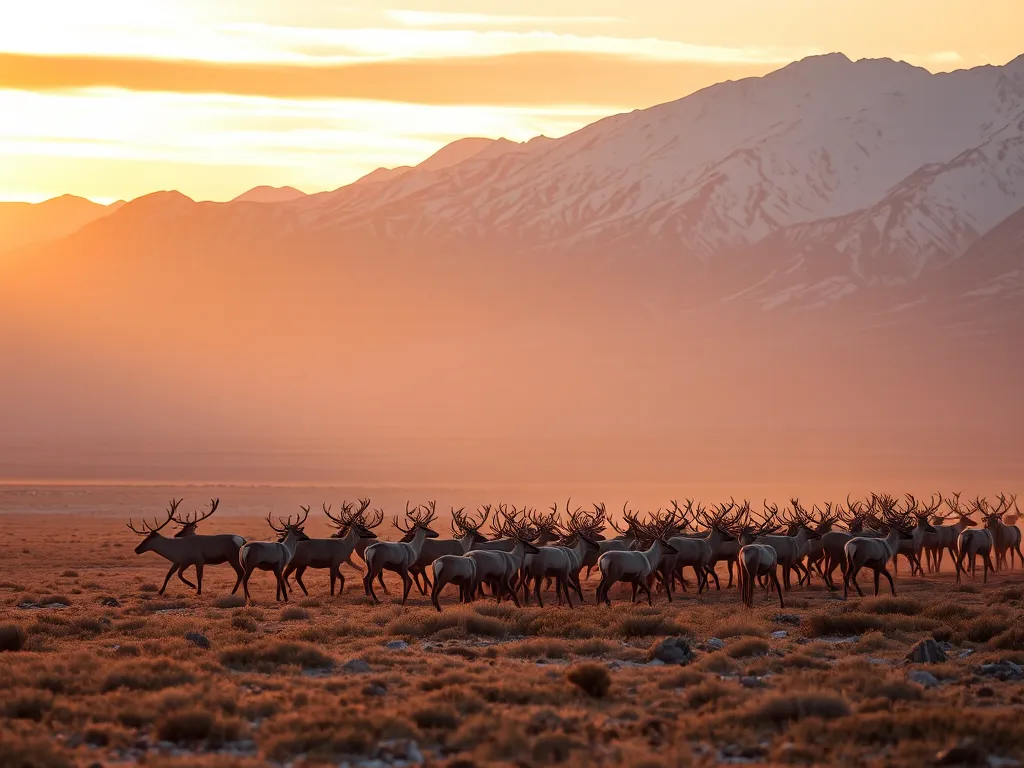
Caribou Migration: 3,000+ Kilometers Annually
| Metric | Value |
|---|---|
| Annual Distance | 3,000 km (1,800+ miles) |
| Scientific Status | Longest terrestrial migrations on Earth |
| Round Trip Distance | Exceeding 1,200 kilometers |
| Migration Speed | Up to 60 km per day |
| Migration Duration | 2-5 months annually |
Caribou, also known as reindeer in some regions, undertake the longest terrestrial migrations of any land animal. Recent scientific studies have confirmed that caribou make round trips exceeding 1,200 kilometers annually, traveling between summer and winter feeding grounds in search of optimal vegetation and breeding conditions. The Porcupine Caribou Herd, for example, migrates more than 1,600 miles (2,575 km) between its wintering grounds in the boreal forest and calving areas on the Arctic coastal plain.
These massive migrations are driven by the search for nutritious lichen in winter and fresh vegetation in summer, as well as the need to reach calving grounds with fewer predators and abundant food for newborns. Caribou can travel up to 60 kilometers per day during migration, forming large herds that move in coordinated patterns across vast landscapes. The longest recorded caribou migration was observed in the Arctic National Wildlife Refuge, where animals traveled over 3,000 miles in a single year, demonstrating the incredible endurance of these remarkable land travelers.
Other Long-Distance Land Migrants
- Gray wolves from Mongolia have been recorded traveling 4,503 miles (7,247 km) in a single year
- Wildebeest and antelope species undertake significant seasonal migrations across African savannas
- Land animals migrate primarily for food availability, breeding opportunities, and climate adaptation
- Pronghorn antelope in North America migrate up to 160 miles (260 km) between summer and winter ranges
- Saucy carp can travel up to 2,000 km in search of spawning grounds
While caribou hold the record for the longest consistent land migrations, other terrestrial species demonstrate remarkable movement capabilities. Gray wolves, for instance, have been tracked traveling extraordinary distances in pursuit of prey and suitable territories, showcasing the incredible mobility of land-based wildlife across diverse ecosystems. In North America, pronghorn antelope undertake impressive migrations of up to 160 miles between their summer and winter ranges, moving to avoid deep snow and find adequate forage.
The wildebeest migration in Africa, while not the longest in terms of distance, involves over 1.5 million animals moving in a circular pattern across the Serengeti and Maasai Mara ecosystems, covering distances of up to 1,800 miles annually. These migrations are essential for accessing fresh grazing lands and water sources, as well as avoiding predators and harsh weather conditions. The diversity of migration strategies among land animals reflects the various environmental challenges they have adapted to overcome throughout evolutionary history.
Marine Champions: Whales and Oceanic Migrants
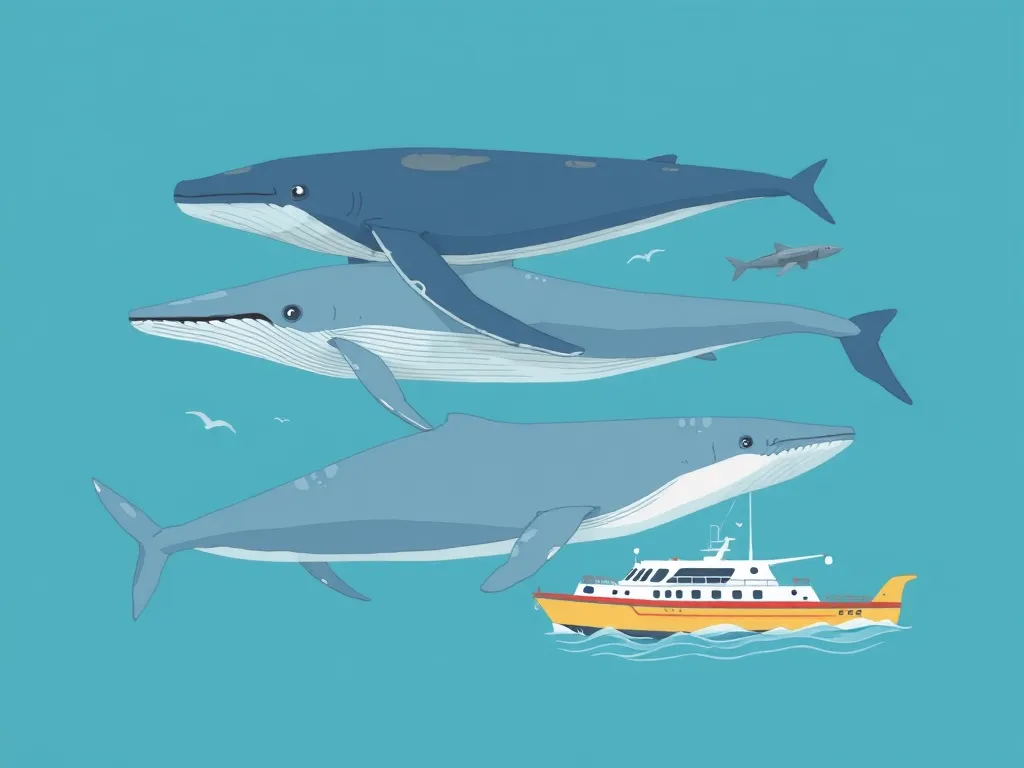
Gray Whale Migration: 12,000-Mile Roundtrip Journey
The North Pacific gray whale holds the record for the longest migration among marine mammals, completing a roundtrip journey of approximately 12,000 miles (20,000 kilometers) each year. These massive whales travel between icy feeding grounds in the Arctic and tropical breeding lagoons in Mexico, one of the longest migrations of any mammal on Earth. Their journey begins in the nutrient-rich waters of the Bering and Chukchi Seas, where they feed intensively during the summer months, building up fat reserves for the long migration south.
As autumn approaches, the whales begin their southward journey, traveling along the North American coastline at an average speed of 3-6 miles per hour. The migration takes them through some of the world’s most challenging marine environments, including areas with strong currents, varying water temperatures, and potential threats from human activities. Upon reaching the warm, sheltered lagoons of Baja California, the whales mate and give birth to their calves, which are born without blubber and require the warm waters to survive.
After several months in the breeding grounds, the whales begin their northward journey in late winter, traveling with their newborn calves and completing the roundtrip by early summer. This remarkable migration demonstrates the incredible endurance and navigational abilities of these marine giants.
Humpback Whales: 8,000+ Kilometer Migrations
- 8,000+ kilometers traveled between breeding and feeding grounds
- Longest documented migration of any mammal according to marine biologists
- Primarily motivated by breeding cycles and food availability
- Migration routes follow ancient pathways passed down through generations
- Speed during migration averages 4-8 km per hour
Humpback whales undertake impressive migrations of over 8,000 kilometers between their tropical breeding grounds and polar feeding areas. These gentle giants follow ancient migration routes that have been passed down through generations, using Earth’s magnetic fields and acoustic cues to navigate across vast ocean distances. Their migrations play a crucial role in marine ecosystem connectivity and nutrient distribution, as they transport nutrients from polar feeding areas to tropical breeding grounds through their waste products.
Humpback whales are known for their complex social behaviors during migration, often traveling in small groups called pods. Males may engage in competitive displays to attract females, while females travel with their calves, teaching them the migration routes as they go.
The timing of humpback migrations is closely tied to seasonal changes and prey availability, with whales leaving feeding grounds as ice begins to form and returning as polar waters become productive again. Recent studies have shown that some humpback populations are altering their migration patterns in response to climate change, with some individuals remaining in feeding areas longer or taking different routes, demonstrating the adaptability of these magnificent creatures to changing environmental conditions.
The most astonishing aspect of animal migration is the Arctic tern’s lifetime achievement – traveling nearly four round trips to the moon during its 30-year lifespan. This incredible feat underscores the remarkable adaptations that enable wildlife to thrive across changing environments.
To support these extraordinary travelers, consider supporting wildlife conservation efforts that protect critical migration corridors and breeding habitats essential for these species’ survival. By preserving the pathways that connect ecosystems across continents and oceans, we ensure that future generations can continue to witness these awe-inspiring natural phenomena that have shaped life on Earth for millions of years.
Frequently Asked Questions About Which Animal Has The Longest Migration Route?
Which animal is most clingy?
The Banded mongoose lives in highly cooperative groups where all members help raise the young. 🐾 They take turns babysitting, feeding, and protecting pups—showing rare teamwork and social bonding in the wild. Small animals… with a strong sense of family.
Can whales live 500 years?
In fact, some species of whales are among the longest-lived mammals in the world. Scientists estimate that bowhead whales can live for over 200 years, while killer whales can live for over 100.