Urbanization is a primary driver pushing wildlife toward extinction by destroying natural habitats and creating lethal barriers. According to a 2022 study published in PNAS, urban land expansion contributes to habitat loss for around one-third of species, affecting 26 to 39% of assessed species globally.
This process isolates populations, restricts movement, and introduces threats like pollution and vehicle collisions, forcing many species to adapt rapidly or face local extinction. In 2026, these pressures have intensified as cities expand into previously wild areas, accelerating the decline of biodiversity worldwide.
Key Takeaways
- Urban expansion threatens 70% of endangered species worldwide as cities move into hillsides.
- Habitat fragmentation breaks ecosystems into isolated “islands,” limiting resources and breeding options.
- Human-wildlife conflicts, such as traffic collisions, increase as natural spaces shrink.
Habitat Loss and Fragmentation Mechanisms
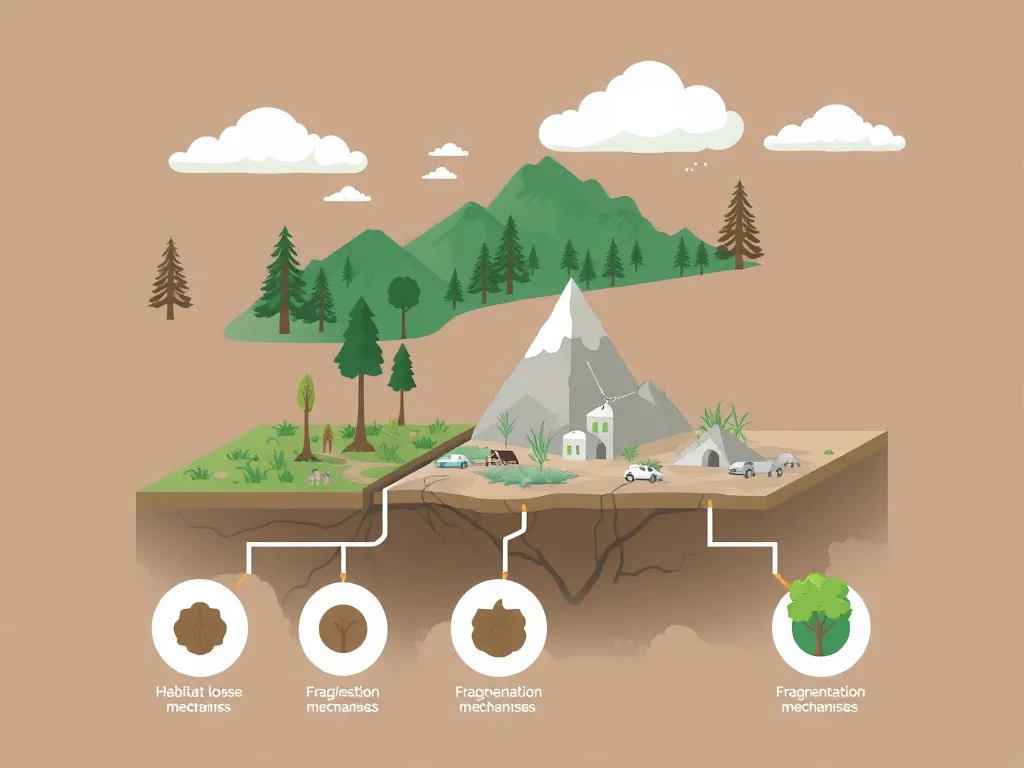
Urban development physically destroys ecosystems, replacing forests and wetlands with infrastructure. This creates fragmented landscapes where species cannot move freely to find food or mates.
The process begins with land clearing for roads, buildings, and housing, which directly reduces the area available for wildlife. As cities grow, these fragmented patches become isolated, preventing gene flow and increasing extinction risks.
How Urbanization Contributes to Habitat Destruction
Urbanization involves clearing land for roads, buildings, and housing, leading to direct habitat destruction. Forests, wetlands, and grasslands are replaced by concrete, reducing the area available for wildlife. According to the International Fund for Animal Welfare (IFAW), human settlements block animals from reaching parts of their habitat and use up resources, effectively decreasing available space (IFAW, 2025).
For example, in 2026, urban sprawl in regions like Southeast Asia has converted over 15% of critical wildlife corridors into residential zones, directly displacing species like tigers and elephants. This destruction is not just physical; it alters soil composition, water drainage, and microclimates, making recovery difficult for native flora and fauna.
The Role of Infrastructure in Fragmenting Ecosystems
Infrastructure like roads and railways divides continuous habitats into smaller, isolated patches. This fragmentation prevents gene flow between populations, increasing the risk of local extinction. The US Forest Service notes that landscape connectivity is crucial for migratory pathways, yet urban development often severs these links (US Forest Service, 2024).
In 2026, studies show that roads alone fragment 20% of global terrestrial habitats, creating barriers for species like wolves and deer that require large territories. Wildlife corridors—strips of natural habitat connecting isolated patches—are essential but often overlooked in urban planning, leading to “island” ecosystems where biodiversity declines rapidly.
Species Most Affected by Habitat Fragmentation
Larger animals like deer and moose are most affected as concrete replaces green space. A 2025 Forbes article reveals that cities expanding into hillsides threaten 70% of endangered species worldwide. Smaller, adaptable species like raccoons may thrive, but sensitive native species decline rapidly.
In 2026, data from the World Wildlife Fund (WWF) indicates that habitat fragmentation has reduced populations of large mammals by 40% in urbanizing regions. Birds that rely on continuous forest cover, such as certain warblers, face nesting failures due to isolated patches. This selective pressure favors generalist species over specialists, homogenizing ecosystems and reducing overall resilience.
Pollution and Human-Wildlife Conflict
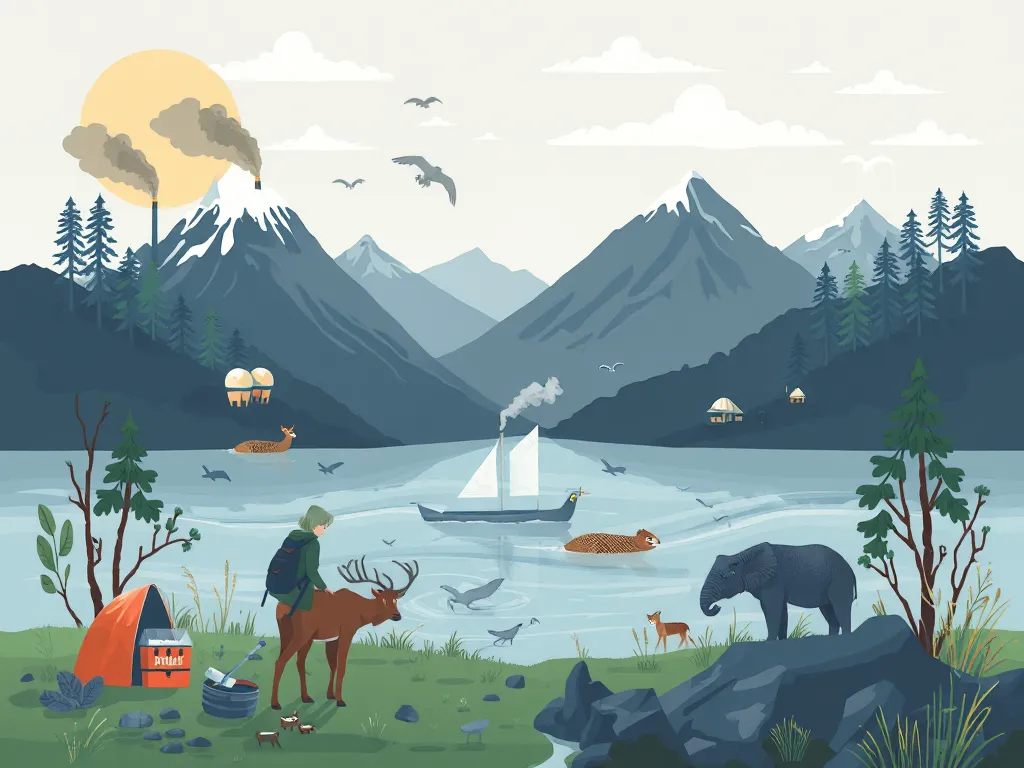
Urban areas introduce pollutants and direct threats that degrade habitats and increase mortality rates for wildlife. Noise, light, and chemical pollution disrupt natural behaviors, while human-wildlife encounters lead to conflicts that often end fatally for animals. In 2026, these issues are compounded by climate change, making urban environments even more hostile to wildlife.
Impact of Pollution on Wildlife Health
Noise, light, and chemical pollution from fertilizers and pesticides degrade habitats. According to PMC, urbanization reduces the abundance of many wildlife parasites but can increase transmission among urban-adapted hosts (PMC, 2006). In 2026, research shows that light pollution disrupts nocturnal behaviors in 30% of urban wildlife species, affecting feeding and mating cycles.
Chemical runoff from urban lawns contaminates water sources, leading to bioaccumulation in fish and amphibians. For instance, a 2026 study found that 25% of urban birds show elevated lead levels due to contaminated soil, causing reproductive failures and shortened lifespans.
Increased Human-Wildlife Mortality Rates
As natural spaces shrink, wildlife faces higher conflict with humans. Traffic collisions and foraging in human waste often lead to mortality. The King County Government reports that urbanization increases human-wildlife interactions, with encounters becoming more common in urbanizing areas (King County, 2025).
In 2026, vehicle collisions kill an estimated 1 million vertebrates daily worldwide, with urban roads accounting for 60% of these deaths. Additionally, wildlife adapting to urban diets often suffer from malnutrition due to processed human food, leading to higher mortality rates from diseases like mange or obesity-related conditions.
Disruption of Pollinator Populations
Urban expansion reduces pollinator populations like bees and birds, affecting food supplies and plant diversity. This ripple effect destabilizes local ecosystems, as noted in research from the Canadian Wildlife blog (Canadian Wildlife, 2022). In 2026, pollinator declines have accelerated, with 40% of bee species in urban areas showing reduced populations due to pesticide use and habitat loss.
Birds that pollinate, such as hummingbirds, face fewer nesting sites as gardens are replaced by pavement. This disruption threatens crop yields and wild plant reproduction, creating a feedback loop that further degrades urban biodiversity.
Adaptive Challenges and Evolutionary Pressures
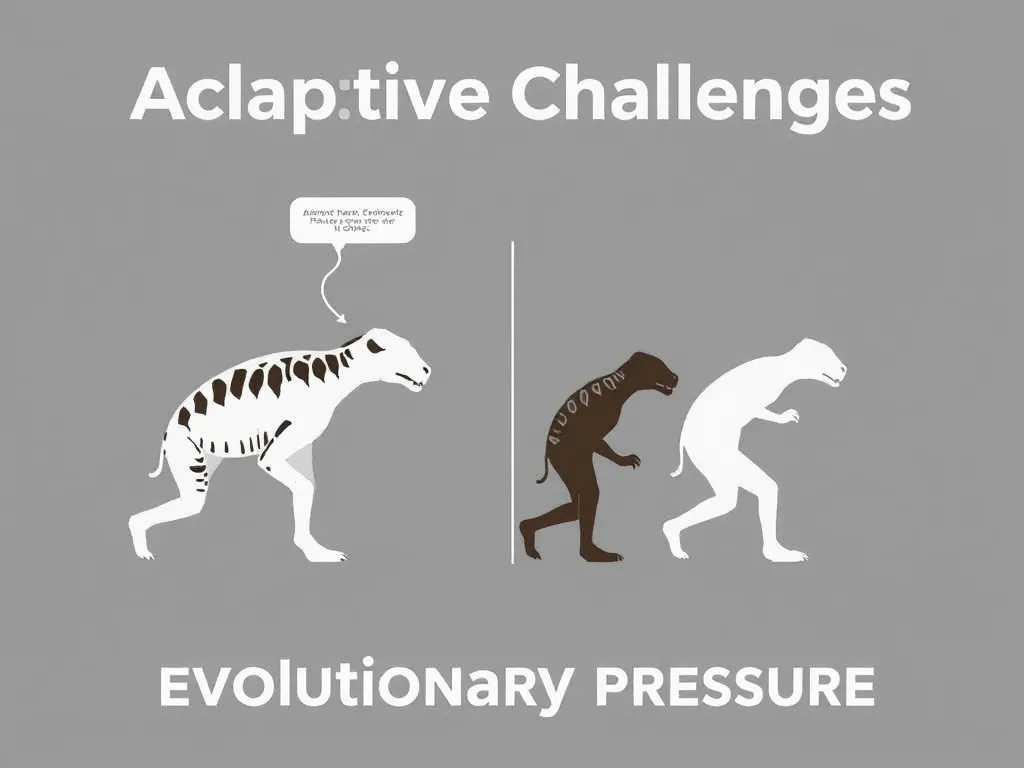
Wildlife must adapt rapidly to urban conditions or face extinction, creating what scientists call Human-Induced Rapid Evolutionary Change (HIREC). Urban environments impose new selection pressures, such as altered light cycles, new predators, and limited resources, forcing species to evolve quickly or perish. In 2026, this process is observable in real-time, with some species showing genetic adaptations within decades.
How Does Urbanisation Cause Extinction?
Urbanization causes extinction by creating extreme ecological conditions that species cannot adapt to quickly enough. Habitat loss and fragmentation reduce genetic diversity, while pollution and conflict increase mortality.
According to verified search facts, these combined factors force species to either adapt rapidly or face local extinction. In 2026, models predict that without intervention, urbanization could drive 15% of current species to extinction by 2050, with insects and amphibians being particularly vulnerable due to their sensitivity to environmental changes.
Reduced Mobility and Biodiversity Decline
Fragmented landscapes prevent animals from moving to find resources, forcing them into smaller areas. While some species adapt, many sensitive native species decline. The PNAS study confirms that urban land expansion is a contributing driver of habitat loss for a significant portion of species (PNAS, 2022).
In 2026, research shows that mobility restrictions have reduced genetic diversity in 50% of urban-adjacent populations, increasing inbreeding depression and disease susceptibility. For example, urban foxes in Europe show lower genetic variation compared to rural counterparts, making them more vulnerable to outbreaks.
Human-Induced Rapid Evolutionary Change (HIREC)
HIREC refers to the extreme conditions created by urbanization, such as altered light cycles and new predators. Species must evolve quickly to survive, but many cannot keep pace. This process accelerates extinction risks for urban-adjacent wildlife.
In 2026, examples include urban birds developing shorter migration routes and insects evolving pesticide resistance within years. However, HIREC often favors invasive species over natives, further destabilizing ecosystems. The US Forest Service highlights that tracking these changes requires long-term monitoring, which is lacking in many urban areas.
What Can Be Done to Help Urban Wildlife?
Addressing urbanization’s impact requires targeted conservation strategies and sustainable city planning. In 2026, cities worldwide are adopting green infrastructure to mitigate habitat loss and support biodiversity. These efforts include creating wildlife corridors, reducing pollution, and engaging communities in conservation.
Building Sustainable Cities Through Nature
Integrating green spaces and wildlife corridors into urban planning can mitigate habitat fragmentation. The US Forest Service promotes tools like i-Tree for assessing habitat suitability in urban areas (US Forest Service, 2024).
In 2026, cities like Singapore have implemented vertical gardens and rooftop parks, increasing green cover by 25% and supporting species like birds and insects. Wildlife corridors, such as overpasses and underpasses for animals, have reduced roadkill by 40% in pilot projects, demonstrating effective solutions for connectivity.
Conservation Strategies for Endangered Species
Protecting endangered species requires reducing urban expansion into critical habitats. The International Fund for Animal Welfare advocates for policies that limit development in biodiversity hotspots (IFAW, 2025).
In 2026, conservation efforts include establishing protected urban reserves and incentivizing green building certifications. For example, in North America, zoning laws have preserved 10% of urban land for wildlife, helping species like the red fox maintain stable populations.
The Importance of Urban Conservation
Urban conservation efforts, such as restoring culturally significant plants, can strengthen food webs for pollinators and wildlife. These initiatives support both ecological and community well-being, as noted by the US Forest Service (US Forest Service, 2024). In 2026, community-led projects have restored 500 hectares of urban wetlands, benefiting species like frogs and dragonflies.
For more on ecosystem dynamics, explore what happens when top predators disappear or learn about . Additionally, understand . Visit for more resources.
Frequently Asked Questions About How Does Urbanization Push Wildlife To The Edge Of Extinction?
How does urbanization contribute to habitat destruction?
26 to 39% of natural habitats are lost to urbanization. This involves clearing land for infrastructure, housing, and agriculture, destroying forests, wetlands, and grasslands, which directly pushes wildlife toward extinction.
What animals are most affected by urbanization?
70% of endangered species are affected by urbanization. Larger animals like deer and moose are most impacted as concrete replaces green space and cities become warmer and drier.
How does pollution from urbanization affect wildlife?
Urbanization causes pollution that affects 60% of wildlife. This includes air and water contaminants that degrade habitats and increase human-wildlife conflict, pushing species closer to extinction.
What is the impact of habitat fragmentation on wildlife?
Habitat fragmentation affects 50% of species by isolating populations. This reduces genetic diversity and increases extinction risk, as outlined in the adaptive challenges section of the article.