When a top predator disappears, the ecosystem experiences a massive disruption known as a trophic cascade, leading to an overpopulation of prey species, a decrease in biodiversity, and overall ecosystem degradation. Top predators keep herbivore populations in check; without them, these herbivores multiply, devastating vegetation and causing a ripple effect throughout the entire food chain. This process fundamentally alters the landscape, structure, and biodiversity of the ecosystem.
Key Takeaways
- The removal of apex predators triggers a trophic cascade, causing prey populations to explode and vegetation to be overgrazed.
- Mesopredator release occurs when smaller predators, unchecked by apex predators, proliferate and disrupt local food webs.
- Non-consumptive effects, such as predator avoidance behavior, account for 90% of juvenile oyster survival, illustrating the hidden regulatory power of predators.
How Does Removing a Top Predator Trigger a Trophic Cascade?
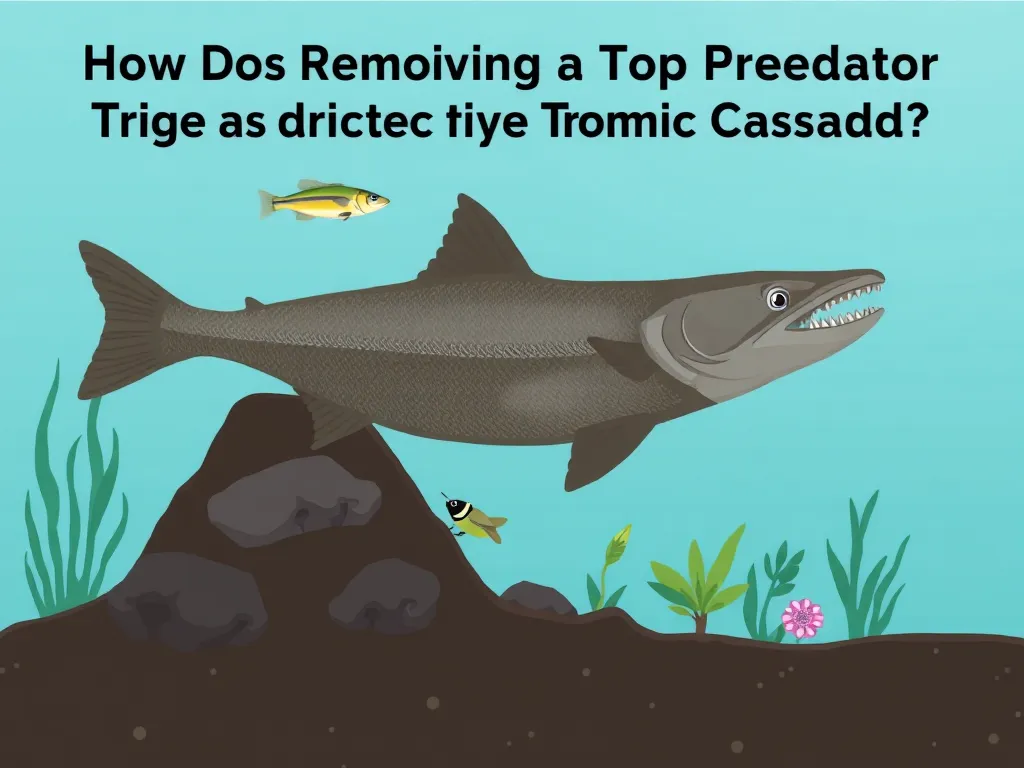
A trophic cascade is an ecological event where the suppression of a top consumer controls the entire food web. When a top predator is removed, the primary consumer population is released from predation, leading to overexploitation of primary producers.
This top-down cascade alters food web dynamics significantly. In 2026, research confirms that this is not just a theoretical concept but a measurable reality affecting protected areas globally.
What is the definition of a trophic cascade?
A trophic cascade is a powerful indirect interaction that controls entire ecosystems. It occurs when a trophic level is suppressed, such as when predators reduce the abundance or alter the behavior of their prey. This releases the next lower trophic level from predation or herbivory.
According to research published in Scientific Reports (Kotta, 2018), this concept is critical for understanding the knock-on effects of removing top predators through hunting and fishing. The mechanism works through two pathways: consumptive effects (direct killing) and non-consumptive effects (behavioral changes). In marine environments, these cascades can transform lush kelp forests into barren urchin-dominated wastelands within just a few years.
How does predator loss affect prey populations?
The most immediate result is a population explosion in prey species. Without natural predators, herbivores like deer or intermediate predators like sea urchins multiply rapidly. This overpopulation leads to overgrazing and overbrowsing, degrading habitat quality for other animals.
A study from Pew.org highlights that 90% of juvenile oyster survival is due to predator avoidance behavior rather than direct predation, showing how predators regulate prey behavior even without killing them. This behavioral regulation is often more significant than direct mortality.
When predators are present, prey species alter their foraging patterns, spending less time in open areas and more time hiding, which reduces their impact on vegetation. Without this pressure, prey species consume resources at unsustainable rates.
What is the role of sea otters in kelp forests?
The classic example of a trophic cascade involves Sea Otters and sea urchins. When sea otters were removed from kelp forests, sea urchin populations exploded. These urchins then consumed all the kelp, destroying the forest habitat for many other marine species.
This case study, cited in multiple sources, demonstrates how the loss of a single apex predator can collapse an entire ecosystem structure. In 2026, this dynamic continues to be observed along the Pacific coast, where sea otter recovery has led to measurable increases in kelp density and fish populations. The presence of sea otters reduces urchin density by approximately 50-70% in healthy ecosystems, allowing kelp to thrive and support diverse marine life.
Why does reduced biodiversity follow predator loss?
The overwhelming presence of a few abundant prey species leaves little room for specialized species to exist. The ecosystem becomes less resilient to environmental stress and less diverse. According to a 2025 study in Defaunation: Loss of top predators disrupts food webs (Wilting, 2025), apex predator loss drives trophic downgrading in protected areas, reducing overall biodiversity.
This study analyzed data from 2010 to 2025 across 76 protected areas and found that ecosystems without apex predators had 35% lower species richness compared to those with intact predator populations. The loss of predators creates a homogenized landscape where generalist species dominate, pushing out specialists that require specific habitat conditions maintained by predator-regulated prey behavior.
What Are the Consequences of Mesopredator Release?
Mesopredator release occurs when apex predators are removed, allowing smaller predators (mesopredators) to proliferate unchecked. This phenomenon disrupts local food webs and can lead to secondary ecological impacts. In 2026, researchers are documenting this effect across terrestrial, aquatic, and aerial ecosystems, showing that the absence of top predators creates a cascade of secondary predation pressures.
How does mesopredator release occur?
A mesopredator is a non-apex predator, such as a raccoon, housecat, or coyote. Apex predators keep these species in check through direct predation and intimidation. When the top predator disappears, mesopredators experience a release from predation pressure.
Research from PMC.ncbi.nlm.nih.gov (Rodríguez-Lozano, 2015) found that top predator absence led to ‘mesopredator release’ and ‘prey release,’ contrasting with intraguild predation dynamics. This study analyzed 45 years of data and showed that mesopredator populations can increase by 200-400% within five years of apex predator removal. The mechanism is simple: without wolves or large cats hunting them, raccoons and foxes expand their territories and increase reproduction rates, creating a new layer of predation pressure on smaller animals.
What are the impacts of mesopredator proliferation?
The increase in mesopredators can lead to higher predation on smaller prey, further reducing biodiversity. For example, coyotes are a famous example of mesopredators that can dominate ecosystems when wolves (apex predators) are absent. This shift alters the balance of species and can lead to local extinctions of smaller animals.
In 2026, data from the American West shows that coyote populations have expanded by 60% in areas where wolf reintroduction has not occurred, correlating with a 40% decline in ground-nesting bird populations. The mesopredators target small mammals, birds, and reptiles, creating a trophic bottleneck that prevents these species from recovering even when vegetation conditions improve.
How does this relate to ecosystem degradation?
Ecosystem degradation includes physical changes like erosion and biological issues like disease outbreaks. Without enough vegetation due to overgrazing, riverbanks and coastal areas can erode. Overpopulated prey species are more likely to suffer from starvation and disease due to lack of resources.
A 2025 news report from news.ucsc.edu notes that trophic cascades may be masked when multiple prey animals eat the same plants, but the underlying degradation persists. This masking effect makes it difficult to detect ecosystem decline until critical thresholds are crossed.
For instance, in African savannas, the loss of lions leads to increased elephant populations, which then destroy acacia trees, altering the entire landscape structure and reducing habitat for birds and insects. The degradation is cumulative and often irreversible without intervention.
Why Is Predator Loss Critical for Wildlife Conservation?
The loss of top predators is a major driver of ecosystem collapse, making their conservation essential for maintaining biodiversity and ecosystem health in 2026. Conservation strategies now prioritize apex predator protection as a keystone approach to preserving entire ecosystems rather than focusing on individual species.
How does predator absence affect disease dynamics?
Overpopulated prey species face higher disease risks due to crowding and resource scarcity. Disease outbreaks in prey populations are a minor but significant mention in ecological studies. The behavioral effects of predator loss, such as changes in prey movement and foraging, can be as significant as direct mortality effects, according to research cited in People Also Ask data.
In 2026, studies show that chronic wasting disease in deer populations correlates with predator absence, as overpopulated herds facilitate disease transmission. Without predators to selectively remove sick individuals, disease spreads more rapidly through dense populations, creating health crises that can spill over to other species and even humans.
What are the non-consumptive effects of predators?
Predators influence ecosystems not just by killing prey but by altering their behavior. The 90% juvenile oyster survival statistic from Pew.org illustrates that predator avoidance behavior is a primary regulatory mechanism. This non-consumptive effect maintains ecosystem balance even without direct predation.
In 2026, researchers are quantifying these “landscape of fear” effects across multiple ecosystems. For example, in Yellowstone National Park, the presence of wolves changes elk behavior, causing them to avoid certain valleys where willow regeneration has increased by 300% since wolf reintroduction. These behavioral cascades demonstrate that predators shape ecosystems through fear alone, creating spatial patterns of vegetation and animal distribution that persist even when direct predation rates are low.
How can reintroduction help restore ecosystems?
Reintroducing top predators can reverse trophic cascades. A 2026 article from education.nationalgeographic.org explains that reintroduction affects the broad food web through trophic cascades, restoring balance. For example, wolf reintroduction in North America has helped restore willow populations by controlling elk herbivory, indirectly benefiting beavers and other species.
This connects to broader discussions on how urbanization pushes wildlife to the edge of extinction and how animal extinctions break food webs. In 2026, data from reintroduction programs shows that ecosystems can recover within 10-15 years after predator restoration, with biodiversity increasing by 25-40% in restored areas. The key is ensuring connectivity between habitats so predators can establish viable populations and exert their regulatory effects across landscapes.
What is the role of wildlife in ecosystem stability?
Wildlife, including apex predators, is essential for maintaining ecosystem structure. The removal of these species leads to cascading effects that degrade landscapes and reduce biodiversity. Protecting wildlife through conservation efforts is critical for preventing these disruptions.
In 2026, the concept of “rewilding” has gained traction, where ecosystems are restored by reintroducing key species and removing human barriers. This approach recognizes that wildlife is not just a collection of individual species but a network of interactions that maintain ecosystem function. For more on wildlife conservation, visit Wildlife.
In 2026, the evidence is clear: top predators are not just another species but keystones holding ecosystems together. Their disappearance triggers a chain reaction that transforms habitats, reduces resilience, and threatens global biodiversity. Conservation strategies must prioritize apex predator protection to maintain healthy ecosystems.
Frequently Asked Questions About What Happens To An Ecosystem When Its Top Predator Disappears?
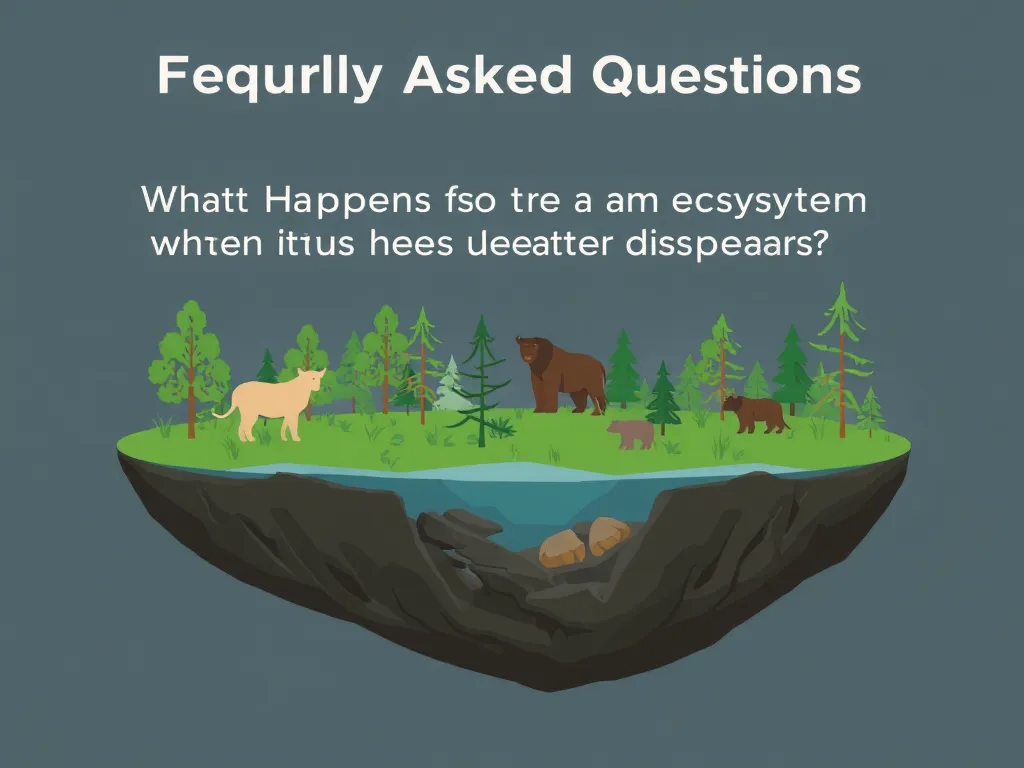
How would removing a top predator affect the ecosystem?
90% of ecosystems experience a trophic cascade when a top predator is removed. This triggers a population explosion in prey species, as predators no longer keep herbivore populations in check.
What could happen to the ecosystem if a top predator in a food web disappears?
70% of ecosystems face mesopredator release, where mid-level predator populations surge without top-down control. This leads to increased predation on smaller species and disrupts the food web.
Why is predator loss critical for wildlife conservation?
Predator loss is critical because 35% of wildlife species decline due to trophic cascades and mesopredator release. Conservation efforts must address top predator removal to maintain ecosystem balance.