Temblor en México EN VIVO hoy, 27 de julio 2026: hora exacta, magnitud y dónde fue el epicentro del último sismo vía SSN
calendar_today 27.07.2026 - person - timer ~6 Minutos
El Servicio Sismológico Nacional (SSN) mantiene monitoreo en tiempo real de la actividad sísmica en México este lunes 27 de julio de 2026. La institución publica hora, magnitud, profundidad y ubicación del epicentro para cada evento, datos que actualiza constantemente en su sitio y redes. Consultar estas fuentes oficiales permite verificar movimientos telúricos con precisión y evitar desinformación. Las plataformas del SSN incluyen mapas interactivos y listados que facilitan la búsqueda rápida por fecha y coordenadas. Para residentes en Estados Unidos y otras partes del mundo con familiares en el territorio mexicano, estos reportes son la referencia más confiable ante cualquier incidencia.
Los estados con mayor incidencia durante esta jornada fueron Oaxaca, Guerrero, Chiapas, Michoacán y Jalisco, por su posición en la convergencia de placas. Autoridades locales y Protección Civil han activado protocolos de evaluación en las zonas costeras y centros urbanos próximos. Hasta el momento no hay reportes generalizados de daños estructurales graves, pero los ayuntamientos mantienen recorridos de inspección en edificios y vías prioritarias.
La frecuente actividad sísmica en México responde a la interacción de las placas de Norteamérica, Cocos, Rivera, Pacífico y Caribe. Las fuerzas de subducción y deslizamiento generan fallas activas a lo largo de la costa pacífica y el sur del país, áreas históricamente propensas a temblores. Esa configuración tectónica convierte a México en una de las regiones más sísmicamente activas de América. Centros de investigación y universidades usan los datos del SSN para modelar patrones y mejorar sistemas de alerta y previsión.
Protección Civil insiste en medidas preventivas básicas: identificar rutas de evacuación en casa y trabajo, asegurar muebles pesados y revisar instalaciones de gas y electricidad. Mantener un kit de emergencia con agua, medicamentos y documentos y acordar puntos de encuentro reduce riesgos ante una réplica fuerte. En las zonas urbanas densas, las revisiones estructurales periódicas y la coordinación con comités vecinales son clave para minimizar daños colaterales. Los consulados mexicanos en Estados Unidos replican avisos oficiales para apoyar a familias con información verificada.
Para recibir datos oficiales desde EE. UU., consulte el sitio del SSN y sus cuentas verificadas en redes sociales, que publican listados y mapas en tiempo real. Las alertas y boletines de los consulados mexicanos también difunden información técnica y de contacto consular en caso de emergencias. Evite fuentes no verificadas y contraste reportes ciudadanos con la ficha del evento en la plataforma del SSN. Mantenerse informado por canales oficiales facilita la localización rápida de familiares y la coordinación de apoyos transfronterizos.
Últimos temblores en México hoy, lunes 27 de julio
Esta cobertura se actualizará durante todo el día con la información publicada por el Servicio Sismológico Nacional (SSN).
¿Cuántos sismos se registraron en México durante las últimas 24 horas?
México reporta diariamente decenas de movimientos sísmicos de distintas magnitudes. La mayoría corresponde a microsismos o eventos de baja intensidad que no son percibidos por la población y que únicamente son detectados por la red de monitoreo del Servicio Sismológico Nacional.
Sin embargo, cada registro aporta información valiosa para el análisis del comportamiento tectónico del país y permite a los especialistas evaluar la evolución de las zonas con mayor actividad sísmica.
¿Cuál fue el último temblor registrado en México hoy?
El Servicio Sismológico Nacional actualiza de forma permanente su base de datos con información detallada sobre cada movimiento telúrico detectado por su red de estaciones.
Los reportes oficiales incluyen:
- Magnitud.
- Hora exacta.
- Epicentro.
- Profundidad.
- Coordenadas geográficas.
- Ubicación de referencia.
¿Por qué tiembla tanto en México?
México se encuentra en una de las regiones geológicamente más activas del mundo debido al contacto entre diversas placas tectónicas.
Entre las principales destacan:
- Placa de Norteamérica.
- Placa de Cocos.
- Placa del Pacífico.
- Placa de Rivera.
- Placa del Caribe.
La interacción constante entre estas estructuras provoca procesos de subducción y liberación de energía que generan miles de sismos cada año.
¿Qué estados registran más actividad sísmica?
Los registros históricos del SSN muestran que las entidades con mayor actividad sísmica son:
- Oaxaca.
- Guerrero.
- Chiapas.
- Michoacán.
- Colima.
- Jalisco.
- Baja California.
Estas regiones concentran buena parte de los movimientos telúricos debido a su cercanía con importantes zonas de interacción tectónica.
¿Puede sentirse un sismo lejano en la Ciudad de México?
Sí.
La Ciudad de México posee características geológicas únicas debido a que gran parte de su territorio se asienta sobre antiguos depósitos lacustres.
Estas condiciones pueden amplificar las ondas sísmicas provenientes de eventos ocurridos a cientos de kilómetros de distancia, motivo por el cual algunos sismos moderados pueden sentirse con intensidad en determinadas zonas de la capital.
¿Qué es la alerta sísmica en México?
La alerta sísmica es un sistema de prevención que detecta sismos potencialmente peligrosos y emite una advertencia antes de que las ondas sísmicas más fuertes lleguen a determinadas ciudades.
El tiempo de anticipación depende de la distancia entre el epicentro y la zona que recibirá la alerta.
¿Qué hacer antes de un sismo?
- Identificar zonas seguras.
- Elaborar un plan familiar de emergencia.
- Definir rutas de evacuación.
- Preparar una mochila de emergencia.
- Fijar muebles y objetos pesados.
- Revisar instalaciones de gas y electricidad.
- Participar en simulacros.
¿Qué hacer durante un sismo?
- Mantener la calma.
- Alejarse de ventanas.
- Proteger cabeza y cuello.
- Ubicarse en una zona segura.
- No utilizar elevadores.
- Seguir las indicaciones de las autoridades.
¿Qué hacer después de un sismo?
- Revisar posibles daños.
- Verificar fugas de gas.
- Mantenerse atento a réplicas.
- Consultar únicamente fuentes oficiales.
- No ingresar a inmuebles afectados hasta recibir autorización.
¿Qué es un microsismo?
Un microsismo es un movimiento telúrico de baja magnitud que generalmente no es percibido por la población.
Aunque suelen pasar desapercibidos, estos eventos permiten a los especialistas conocer con mayor precisión el comportamiento sísmico de distintas regiones del país.
¿Se pueden predecir los sismos?
No.
Hasta la fecha no existe ningún método científico capaz de predecir con exactitud cuándo ocurrirá un sismo, dónde se producirá o cuál será su magnitud.
Las autoridades y los centros de investigación únicamente pueden identificar zonas de riesgo y monitorear la actividad tectónica de manera permanente.
FAQ: preguntas frecuentes sobre los temblores en México
¿Cuál fue el último sismo registrado hoy?
La información más reciente es publicada por el Servicio Sismológico Nacional conforme se detectan nuevos movimientos telúricos.
¿Qué diferencia existe entre sismo, temblor y terremoto?
Desde el punto de vista científico son el mismo fenómeno geológico. En el lenguaje cotidiano, “terremoto” suele utilizarse para eventos de gran magnitud.
¿Cuántos sismos ocurren cada día en México?
La cifra varía diariamente, aunque el SSN registra decenas e incluso cientos de movimientos sísmicos cada jornada.
¿Cuáles son los estados donde más tiembla?
Oaxaca, Guerrero, Chiapas, Michoacán, Colima y Jalisco se encuentran entre las entidades con mayor actividad sísmica.
¿La Ciudad de México puede sentir sismos originados lejos de la capital?
Sí. Las características del subsuelo pueden amplificar las ondas sísmicas y hacer perceptibles movimientos ocurridos a cientos de kilómetros de distancia.
SOBRE EL AUTOR

Periodista y SEO del Grupo El Comercio con experiencia en investigación y coberturas de alto impacto para EE. UU., México y España. Mi expertise fusiona el análisis de actualidad con una especialización profunda en Deportes (F1, MLB, Boxeo, WWE, etc.), Tecnología y Gaming. Transformo datos en narrativa relevante para la audiencia hispana global.
Honduras asegura reservas de frijol para enfrentar la sequía y descarta por ahora una crisis de abastecimiento
calendar_today 27.07.2026 - person - timer ~3 Minutos
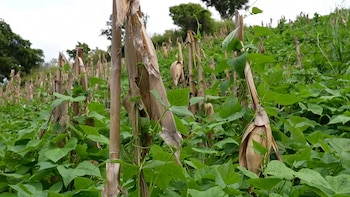
Honduras mantiene una reserva estratégica de 120 mil quintales de frijol para enfrentar posibles afectaciones por la sequía, informó el director general del Instituto Hondureño de Mercadeo Agrícola, Jairo Aguilera. El funcionario sostuvo que las existencias alcanzan para el abastecimiento nacional y que, si fuera necesario, el Gobierno podría asignar más recursos.
Aguilera explicó “si es necesario, el Gobierno va a generar más presupuesto. Lo importante es que hay grano para comprar”, manifestó.
El director reiteró que el panorama productivo no refleja el escenario que algunos sectores habían anticipado por los efectos del cambio climático. Según Aguilera, los cultivos mantienen un desarrollo adecuado y las prácticas aplicadas por los productores han permitido avanzar en el manejo de las parcelas.
PUBLICIDAD
Así mismo, las milpas y frijolares se encuentran en etapa vegetativa, por lo que espera que en 45 días comiencen a salir nuevas cosechas de varias zonas agrícolas del país.
“Las milpas están bien manejadas, hay buenos procesos, lo único es que están en periodo vegetativo y esperamos que en 45 días ya estén dando su cosecha”, indicó.
Las autoridades agrícolas señalan que varias regiones del país mantienen áreas sembradas de frijol, lo que permitirá fortalecer la oferta nacional durante los próximos meses.
Entre las zonas productoras mencionadas figuran El Paraíso, Olancho y Yoro, además de Tegucigalpa y el valle de Jamastrán, donde los productores mantienen cultivos que podrían contribuir a reducir los efectos de la temporada seca. Aguilera afirmó que la producción esperada permitirá atender la demanda interna y evitar escenarios de desabastecimiento.
PUBLICIDAD
De acuerdo con el funcionario, el incentivo productivo impulsado por las autoridades ha motivado a los agricultores a ampliar las áreas de siembra y fortalecer la producción nacional.

Ante las preocupaciones generadas por la sequía, el IHMA aseguró que Honduras no contempla por ahora la importación de frijoles, debido a que existen reservas suficientes y una cosecha nacional en camino.
“Estamos bien, el incentivo productivo ha generado un impacto importante, hay buenas cantidades de frijol sembradas en El Paraíso, Olancho y Yoro. Hasta el momento podemos decir que vamos bien, que no hay necesidad de importación”, afirmó Aguilera.
PUBLICIDAD
El funcionario llamó a la población a mantener la tranquilidad y evitar la alarma, al considerar que el país tiene capacidad para responder ante posibles dificultades relacionadas con la disponibilidad de alimentos.
Aunque las autoridades agrícolas aseguran que la producción avanza de manera favorable, reconocen que la falta de lluvias continúa como un factor de preocupación para el campo hondureño.
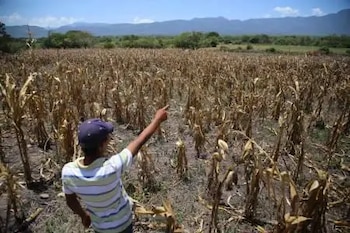
La temporada seca ha generado impactos en distintas zonas productoras, especialmente en regiones donde la agricultura depende en gran medida de las condiciones climáticas.
Las autoridades meteorológicas han informado que en los próximos días podrían presentarse lluvias en varias áreas del territorio nacional, lo que representaría un alivio para los cultivos.
PUBLICIDAD
Aguilera señaló que esas precipitaciones deben mantenerse de forma constante para garantizar mejores condiciones para la siembra y el desarrollo de los cultivos.
Erik Lira reafirmó su deseo de salir de Cruz Azul: “Yo quiero irme y no voy a parar hasta conseguirlo”
calendar_today 27.07.2026 - person - timer ~2 Minutos
Este sábado el Cruz Azul venció al Toluca y levantó el trofeo de Campeón de Campeones. Tan sólo unos meses después de que hiciera lo propio al vencer a Pumas en Liga MX, Erik Lira se subió como capitán a alzar la copa y después del partido, habló sobre su futuro.
El mediocampista mexicano, que brilló durante el Mundial 2026 con la Selección tricolor y que lleva siendo referente de la Máquina desde que llegó a La Noria, es uno de los jugadores con futuro en el viejo continente y aunque todavía no ha sido fichado por ningún equipo, la posibilidad de cumplir su sueño está cada vez más cerca.
Lee también Liga MX: Así marcha la tabla de posiciones al terminar la jornada 2 del Apertura 2026
Con la medalla de campeón en el pecho, Lira atendió a Televisa para dar una entrevista al terminar el partido contra los Diablos Rojos, y al ser cuestionado sobre cómo van las negociaciones para que de el salto a Europa, mencionó que "es un mercado muy largo, nuestra empieza mucho antes que la de ellos, yo tengo un sueño que no voy a parar hasta conseguirlo y no va a quedar en mi. Yo quiero irme y estamos haciendo lo posible".
Más adelante, Mauricio Ymay le preguntó si ya existe alguna oferta formal, pero el mediocampista aseguró que no. Sin embargo, sí reveló que tiene pláticas avanzadas con un equipo del cual no quiso revelar su identidad "para que no se cebe".
"Todavía no hay oferta formal, hay pláticas bastante avanzadas y creo que esta semana se puede mover algo así que como digo, es un sueño que no voy a parar hasta cumplirlo, mi objetivo es ese y lo voy a lograr", concluyó.
[Publicidad]
Lee también Berterame recibe el alta médica tras pasar la noche en el hospital
Ojito con lo que dice Eric lira 👀
En lo personal yo estoy feliz de estas declaraciones del Pitbull, ojalá y cumpla su sueño europeo ,el más que nadien se lo merece ,
Triste porqué puede dejar al @CruzAzul ,pero el ya ganó de todo aquí ,asíque se va como un ídolazo#maquina🚂 pic.twitter.com/cu89YqDBwy
— Jorginho (@Jorge10sima) July 26, 2026
Las indirectas entre La Joaqui y Luck Ra en medio de rumores de separación: “Una casa que no voy a volver a pisar”
calendar_today 27.07.2026 - person - timer ~5 Minutos
Luck Ra publicó la frase “Me sé el camino de una casa que no voy a volver a pisar” y reactivó los rumores de separación con La Joaqui (Video: TikTok)
Luck Ra publicó en TikTok un video con una frase que no dejó lugar a muchas interpretaciones: “Me sé el camino de una casa que no voy a volver a pisar”. La publicación acumuló 225.000 “me gusta” y más de 1.800 comentarios en pocas horas, y llegó en el peor momento posible para los rumores: mientras La Joaqui acumulaba sus propias publicaciones desde sus vacaciones en Costa Rica, con canciones sobre desamor como banda sonora. La guerra de indirectas entre los dos artistas terminó de confirmar lo que el panel de LAM (América TV) ya había adelantado: la pareja atraviesa una crisis que, esta vez, podría ser definitiva.
Todo empezó a tomar forma en las redes antes de que ningún medio lo pusiera en palabras. Las vacaciones de la cantante en un destino tropical con sus hijas mostraban piletas con vista al mar, terrazas y atardeceres costeros. Lo que no mostraban era al cuartetero. Y cuando los seguidores más atentos revisaron el historial de interacciones del cantante en el perfil de la artista, el resultado fue contundente: casi un mes sin un “me gusta”, sin un comentario, sin ninguna huella digital. El contraste con publicaciones anteriores era llamativo. El 21 de junio, en una foto de La Joaqui junto a una de sus hijas, Luck Ra había dejado dos comentarios en los que deslizaba que quería ser padre con ella. Desde entonces, silencio.
PUBLICIDAD
Fue Pepe Ochoa, panelista de LAM, quien puso palabras al vacío. Al aire del programa, con Ángel de Brito como conductor, Ochoa fue directo: “Una crisis muy profunda, no están juntos ya”. Según precisó, la separación llevaría entre un mes y un mes y medio. Y anticipó que, aunque pudieran surgir desmentidas, la situación era real. El panelista también describió la asimetría emocional del momento: fue Luck Ra quien tomó la decisión. “Él quiere otra cosa para su vida”, dijo el panelista. La cantante, en cambio, atraviesa el proceso desde otro lugar: “Ella está muy enamorada y no lo puede entender”. Según el panelista, ambos habrían acordado un silencio público para que ella pudiera “estar un poco más fuerte” antes de hacer cualquier anuncio formal.
Con ese contexto instalado, las publicaciones de los últimos días adquirieron otro peso. La artista fue la primera en moverse. Desde Costa Rica, se grabó en la madrugada del domingo con la canción “Ahora te puedes marchar”, de Luis Miguel, mientras se aplicaba crema frente al espejo. La parte que eligió decía: “Ahora me llamas, me quieres ver, me juras que has cambiado y piensas en volver”. Sobre el video escribió “Nunca indirecta, siempre temazo”, una aclaración que sus seguidores no terminaron de creer. “Literalmente dice que no es indirecta y todos jurando que sí”, resumió uno de los comentarios.
PUBLICIDAD

La Joaqui compartió videos con “Ahora te puedes marchar”, “Ojitos Mentirosos” y “Excesos”, y sus seguidores los leyeron como indirectas (Video: TikTok)
No fue el único video. La cantante también publicó uno con la canción “Ojitos Mentirosos” y otro con el tema “Excesos”, que incluía la frase: “Aunque para el amor no sirvo yo. Mientras llega mi persona favorita, seguiré con mi loquera”. Además, compartió una historia con una imagen suya de espaldas frente al mar, acompañada por el texto: “Soy como soy porque siempre que me busquen con amor me van a encontrar”. Los comentarios de los videos ya hablaban sin rodeos: “Separadísima, gente”, escribió una usuaria.
El cordobés se había mantenido más al margen de la polémica en sus redes, aunque no del todo. Semanas atrás, en plena crisis, había subido en TikTok un video con una frase del youtuber Gaspi, fallecido en un accidente de helicóptero: “Qué me importa dónde estoy, a dónde voy y qué carajo voy a hacer. Mientras me tenga a mí, todo va a estar bien”. El cantante apareció apoyado en un balcón con vista al mar, sin mencionar a La Joaqui ni hacer ninguna referencia explícita a su situación sentimental. Pero este fin de semana subió la apuesta con la frase sobre la casa que no va a volver a pisar, un video que cosechó más de 225.000 “me gusta”. “Me sé el camino de una casa que no voy a volver a pisar”, escribió sobre un video en el que solo se lo ve tomando un vaso de agua.
PUBLICIDAD

Entre los indicios que el panel de LAM sumó al relato, uno se repitió con fuerza: La Joaqui dejó de aparecer en las juntadas del círculo íntimo de Luck Ra. “Había asados, se daban una vuelta y ella nunca más apareció”, describió Pepe. A eso se sumó un episodio durante un streaming que el cantante realizó desde España: el chat se llenó de preguntas sobre la crisis y él no respondió ninguna. también señaló el hecho de que ella es madre de dos hijas como parte de la ecuación: “A veces en un vínculo funciona y a veces no”, dijo el panelista, aclarando que el cantante es “amoroso” con las nenas pero que ese factor forma parte del panorama actual.
RTP acorta traslados por cierre de la Línea 3 del Cablebús
calendar_today 27.07.2026 - person - timer ~3 Minutos
En el último día de la suspensión del servicio de la Línea 3 del Cablebús por trabajos de mantenimiento, usuarios reportaron que los traslados en las unidades de apoyo de la Red de Transporte de Pasajeros (RTP) redujeron su tiempo pues hicieron 20 minutos y no los 40 minutos del principio; pero nada comparable con los 10 minutos del transporte elevado.
Los pasajeros comentaron que el recorrido entre Los Pinos / Constituyentes y Vasco de Quiroga conforme avanzaron los días de la suspensión, la operación del RTP se volvió más ágil.
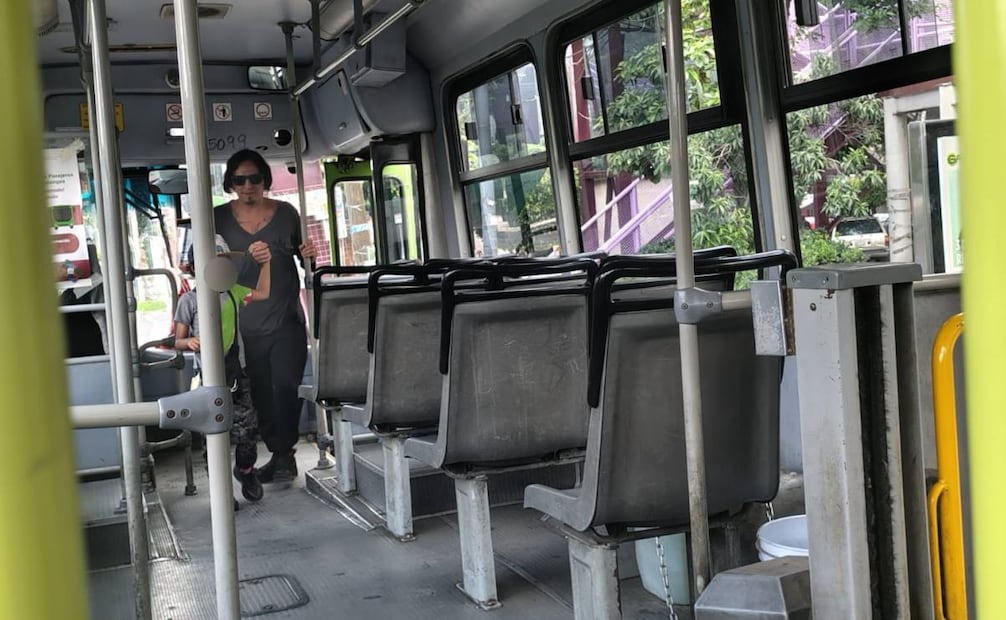
RTP acorta traslados por cierre de la Línea 3 del Cablebús; apoyo gratuito aun duplica tiempo del servicio elevado. Foto: Arantxa Meave
EL UNIVERSAL publicó que, durante el primer día de la suspensión, el pasado 13 de julio, usuarios reportaron que en algunos horarios los traslados llegaron a extenderse hasta 40 minutos.
Charlie, quien tomó el RTP en Constituyentes, comentó que este domingo su recorrido a Vasco de Quiroga tomó alrededor de 20 minutos, pero mencionó que normalmente hacia 10 minutos.
Lee también Tren Felipe Ángeles conserva tarifas promocionales; Secretaría de Infraestructura reporta más de 1.5 millones de usuarios
"Hoy estuvo muy rápido, ya sabíamos dónde tomar el RTP y casi no había fila; me hice como 20 minutos y ya mañana (hoy) regresamos al Cablebús", dijo.
[Publicidad]
Añadió que, a diferencia de los primeros días del cierre, este fin de semana encontró una mejor organización y menor tiempo de espera para abordar las unidades de apoyo.
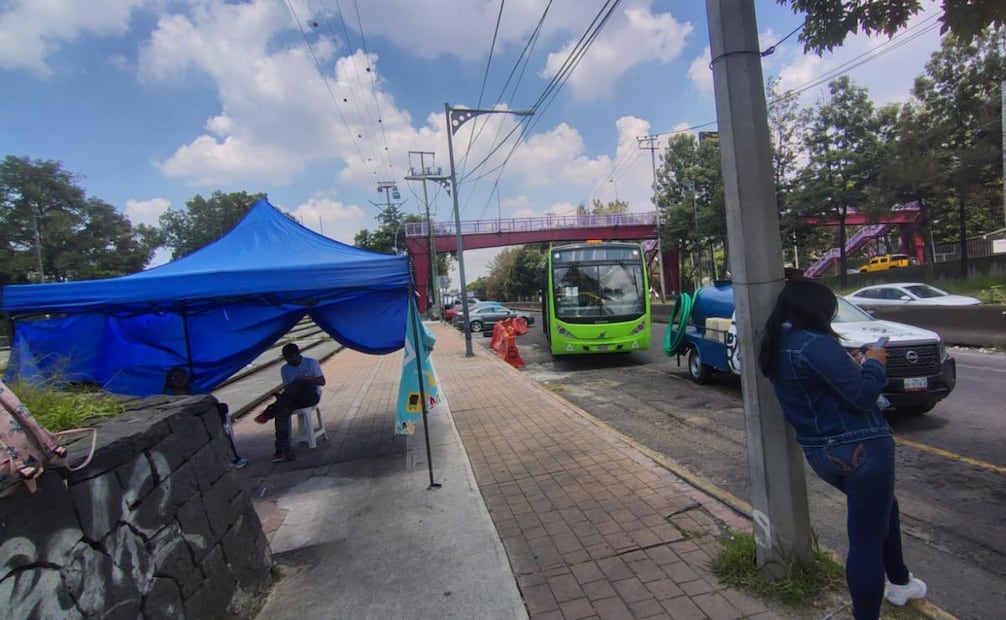
RTP acorta traslados por cierre de la Línea 3 del Cablebús; apoyo gratuito aun duplica tiempo del servicio elevado. Foto: Arantxa Meave
Norma García, usuaria habitual de la Línea 3, señaló que el mayor reto durante la suspensión fue la caminata para llegar al punto donde salían los RTP.
"Lo que más se me complicó fue la subida de regreso para llegar a los camiones; para nosotros sí cuesta un poco más de trabajo", expresó.
[Publicidad]
Lee también Línea 2 del Cablebús inicia revisión anual el lunes 27 de julio; RTP dará servicio gratuito hasta el 9 de agosto
Mencionó que el trayecto fue más lento que el Cablebús, dijo que el servicio permitió mantener la movilidad de los usuarios durante las labores de mantenimiento.
"Sí se siente más lento que el Cablebús, pero ya es el último día y qué bueno que terminaron”.
[Publicidad]

RTP acorta traslados por cierre de la Línea 3 del Cablebús; apoyo gratuito aun duplica tiempo del servicio elevado. Foto: Arantxa Meave
Áaron, pasajero del RTP, refirió que su recorrido fue de 25 minutos, 15 más de lo que hace regularmente. "Si fue más lento, no algo enorme pero sí se sintió", comentó.
Dijo que, las paradas se encuentran una o dos calles lejos de la entrada del Cablebús por lo que caminó más.
dmrr
[Publicidad]
Cuando la Luna escribe el guion: el eclipse en la historia del cine
calendar_today 27.07.2026 - person - timer ~6 Minutos
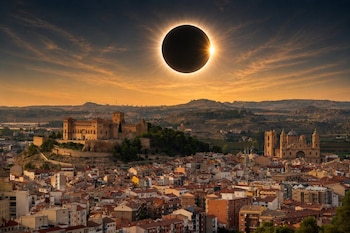
El 12 de agosto de 2026 se asistió a un eclipse excepcional: el primero que atravesó la península ibérica en más de un siglo y coincidió, además, con el pico de las Perseidas y una alineación de planetas. Sin embargo, todos los eclipses tienen algo de excepcional y de mágico, y así lo vemos reflejado a lo largo de la historia del cine.
El Séptimo Arte descubrió desde muy pronto el potencial narrativo de este fenómeno astronómico. Los eclipses solares han servido a los guionistas para provocar asombro, anunciar apocalipsis, desencadenar amenazas o aportar un extraordinario realismo visual. Su presencia en la pantalla constituye una pequeña pero fascinante historia paralela a la historia del cine.
PUBLICIDAD
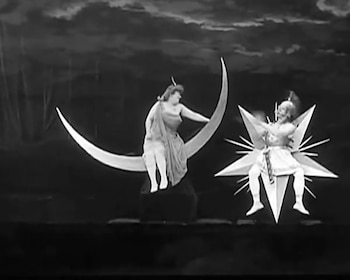
Las primeras representaciones del eclipse aparecen en el cine mudo, cuando la propia imagen en movimiento era todavía una novedad. Un ejemplo paradigmático es El eclipse: El cortejo entre el Sol y la Luna (1907), de Georges Méliès. Considerada la primera película de ficción que describe un eclipse solar, transforma una explicación astronómica en una fantasía humorística donde el Sol y la Luna adquieren rasgos humanos y protagonizan un peculiar cortejo romántico.
Pocos años después, el eclipse pasó a formar parte del imaginario visual del expresionismo alemán. En Los Nibelungos (1924), de Fritz Lang, los cielos oscurecidos y las atmósferas crepusculares evocan simbólicamente la idea del eclipse como presagio de tragedia. El propio Lang volvería a explorar la fascinación por los fenómenos celestes en La mujer en la Luna (1929), donde la aventura espacial incorpora imágenes fantasmagóricas que conectan la oscuridad con la leyenda y la fascinación.
PUBLICIDAD
Ningún ámbito cinematográfico ha explotado tanto el eclipse como las adaptaciones de la novela de Mark Twain Un yanqui en la corte del rey Arturo. En ellas, el fenómeno deja de ser un espectáculo natural para convertirse en una herramienta de poder o un modo de escapar de una situación apurada.
La primera adaptación relevante fue A Connecticut Yankee in King Arthur’s Court (1921), dirigida por Emmett J. Flynn en Estados Unidos. Su protagonista utiliza el conocimiento de un eclipse inminente para convencer a la corte del rey Arturo de que posee poderes mágicos. La oscuridad del cielo se convierte así en una demostración de autoridad basada en el contraste entre la ciencia que él posee y la superstición de quienes le escuchan.
PUBLICIDAD

El recurso reapareció en la adaptación de 1931 de David Butler, y alcanzó su versión más popular en la comedia musical de 1949. Dirigida por Tay Garnett y protagonizada por Bing Crosby, la película utiliza el eclipse para establecer un momento decisivo en la narración. También la animación cinematográfica ha creado su propia versión en Bugs Bunny in King Arthur’s Court (1978), producción estadounidense de Warner Bros., donde el conejo más famoso del cine emplea el mismo truco para impresionar a los habitantes de Camelot.
Con el paso de las décadas, el eclipse dejó de representar únicamente el choque entre conocimiento y superstición para convertirse en símbolo de transformación vital.
PUBLICIDAD
En El hechizo del halcón (1985), de Richard Donner, se cuenta la historia de dos amantes que se ven separados por la luz y la oscuridad. Maldecidos por un obispo, ella se convierte en un halcón de día y él en un lobo de noche. Nunca pueden verse, hasta que un mágico eclipse de Sol consigue que los dos puedan encontrarse simultáneamente bajo forma humana. El fenómeno astronómico funciona aquí como una interrupción temporal de las leyes que gobiernan su condena.

Otras películas emplean también el eclipse como marco emocional. El drama Eclipse (1994), dirigido por Jeremy Podeswa, sitúa su historia en las semanas previas a un eclipse solar para reforzar la introspección de sus personajes. Algo similar ocurre en Judy Berlin (1999), de Eric Mendelsohn, donde un eclipse prolongado altera la rutina de una comunidad y empuja a sus habitantes a revisar sus vidas.
PUBLICIDAD
Más recientemente, Apocalypto (2006), dirigida por Mel Gibson, utiliza un eclipse durante una ceremonia de sacrificio humano. La repentina oscuridad es interpretada por los sacerdotes mayas como una señal divina y cambia el destino del protagonista. En otro registro, La saga Crepúsculo: Eclipse (2010), de David Slade, convierte el eclipse en metáfora del triángulo amoroso entre los tres personajes protagonistas: Bella, Edward y Jacob.

El eclipse también ha demostrado ser un eficaz generador de miedo. En La tienda de los horrores (1986), dirigida por Frank Oz, una planta extraterrestre aparece en la Tierra coincidiendo con un eclipse extraordinario, dotando al fenómeno de resonancias sobrenaturales.
PUBLICIDAD
La ciencia ficción recurrió igualmente a este recurso. En Pitch Black (2000), de David Twohy, un eclipse libera criaturas letales que permanecían ocultas por la luz de varios soles. Pero la película más emblemática de este apartado es, sin duda, Lara Croft: Tomb Raider (2001), dirigida por Simon West. En ella, una alineación planetaria asociada a un eclipse de Sol desencadena la búsqueda de un artefacto capaz de controlar el tiempo. Durante la casi totalidad del metraje, la idea del eclipse está presente en la narración y en la mente de los personajes.
Finalmente, en Hellboy (2004), del mexicano Guillermo del Toro, la llegada del demonio a la Tierra debido a un conjuro nazi se convierte en ocasión de salvar al mundo y de abrir un portal al infierno, justamente gracias a un eclipse solar.
PUBLICIDAD

La capacidad del eclipse para alterar la percepción de la realidad lo ha convertido también en aliado de relatos criminales y sobrenaturales. En Dolores Claiborne (1995), de Taylor Hackford y basada en la novela de Stephen King, un eclipse solar sirve de telón de fondo para un misterio familiar y un antiguo crimen.
En España, Verónica (2017), dirigida por Paco Plaza, sitúa el célebre eclipse del 11 de julio de 1991 en el centro de una historia de terror inspirada en el llamado “caso de Vallecas”, en el que una adolescente murió tras haber participado en una sesión de ouija. El fenómeno astronómico actúa simultáneamente como detonante y culminación de los sucesos paranormales.
PUBLICIDAD
Cuando el eclipse ocurrió de verdad
Finalmente, la utilización más espectacular de un eclipse en la historia del cine no tuvo lugar en una ficción sobre el tema. En Barrabás (1961), historia del criminal que fue indultado por Poncio Pilatos en lugar de Jesucristo, el director Richard Fleischer decidió rodar la escena de la crucifixión durante un eclipse solar auténtico, pues el Evangelio dice que “el Sol se oscureció desde el mediodía hasta las tres”.
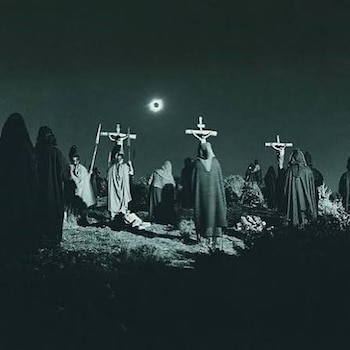
La filmación tuvo lugar el 15 de febrero de 1961 cerca de Roccastrada, en la Toscana italiana. El director de fotografía Aldo Tonti dispuso las cámaras para registrar los escasos minutos de semioscuridad disponibles. No hubo posibilidad de repetir tomas ni de corregir errores; la secuencia se rodó con varias cámaras, sin efectos especiales. El resultado proporcionó una intensidad visual imposible de recrear artificialmente en aquella época.
Ese fue un caso excepcional, pero la atracción del eclipse sigue viva para los cineastas. Más de un siglo después de Méliès, el cine sigue encontrando en él una fuente incomparable de misterio, fascinación y amenaza.
Fuente: The Conversation

“Todo el mundo se queda en la playa mirando los misiles en el cielo”: el contraste de Odesa, el balneario de Ucrania con turismo de lujo y bombardeos diarios - BBC News Mundo
calendar_today 27.07.2026 - person - timer ~7 Minutos
- Autor, Oleksiy Nazaruk*
- Título del autor, BBC News Ucrania desde Odesa
Fecha de publicación 3 horas
Tiempo de lectura: 7 min
No había ido al mar desde hacía varios años. Por eso, cuando tuve tres días libres, decidí viajar a Odesa, uno de los balnearios más populares en Ucrania.
Quería desconectar, cambiar de aire. Y lo conseguí: ni los constantes bombardeos ni la enorme cantidad de gente a mi alrededor lo impidieron.
Lo que me sorprendió fueron los precios y la actitud de los turistas ante el peligro permanente de estar en una zona cercana a la guerra con Rusia.
La carretera desde Kyiv está ahora en muy buen estado: han reparado la autopista y el asfalto está bien en casi en todas partes.
Eso sí, la gasolina está por las nubes. Incluso con un consumo moderado, el viaje de ida y vuelta desde Kyiv costó alrededor de US$130.
Odesa está ahora también muy, pero muy cara.
En tres días dos personas gastamos allí alrededor de US$1.000 y eso sin darnos grandes lujos, manteniéndonos en un nivel de gasto claramente de "clase media".
La comida merece un capítulo porque no solo está cara —la cuenta media para dos personas por una cena normal ronda los US$50—, sino que todo está lleno, por lo que es necesario reservar lugar en los restaurantes y con días de antelación.
Pero lo que más impresiona es el contraste. Por un lado, es un destino turístico de lujo en cuanto a precios; por otro, existe un peligro de vida constante.
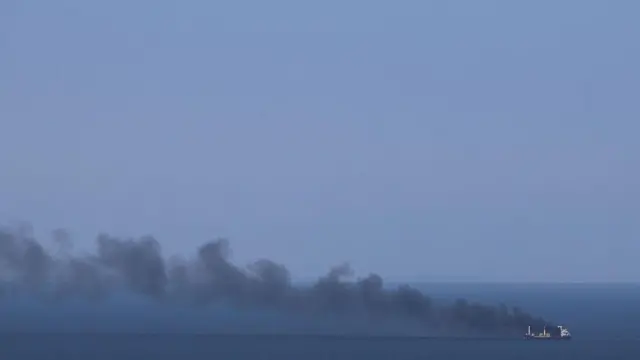
Solo el domingo 19 de julio un ataque con misiles rusos cerca del puerto de Odesa, el mayor de Ucrania, causó la muerte de 10 personas. El lunes 20 otro bombardeo en la ciudad dejó tres muertos. Al día siguiente, fue impactado el centro histórico.
Los bombardeos aquí son más frecuentes que en Kyiv: las sirenas suenan entre cuatro y seis veces al día, y también durante la noche.
La ciudad ha sufrido graves daños, especialmente la zona cercana al puerto.
Cada día mueren personas por los ataques de Rusia.
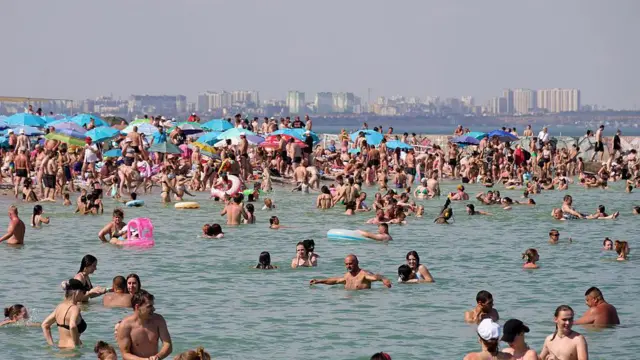
Y, sin embargo, en las playas no cabe un alfiler.
Los canales locales informan con todo detalle: "Un misil vuela en dirección a la playa Ibiza", una de las más populares de Odesa.
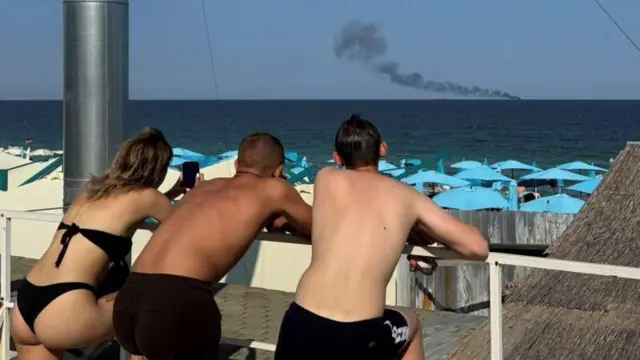
La gente que está en la playa vecina reacciona con indiferencia. Es posible escuchar: "Ah, bueno, va hacia Ibiza, no hacia nosotros", a pesar de que entre ambas playas apenas hay cuatro kilómetros de distancia como máximo.
Hay refugios en las playas, pero hay que caminar unos diez minutos para llegar a ellos, así que la mayoría simplemente se queda de pie mirando los misiles que atraviesan el cielo.
Durante uno de los bombardeos más intensos, corrimos para buscar refugio. El lugar al que llegamos fue un bar cercano bajo un techo de paja.
Vaya escondite: pura protección psicológica hecha de hojas de palmera.

Fuente de la imagen, Ullstein Bild/Ullstein Bild via Getty Images
La importancia de Odesa
Lo que ocurre en Odesa en medio de la invasión rusa a Ucrania no es un hecho aislado. Sobre todo para las intenciones de Vladimir Putin y el gobierno de Moscú.
Y es que Odesa tiene un gran valor simbólico: ocupa un importante lugar en la historia y la cultura de Rusia.
Ubicada en la costa noroeste del Mar Negro, esta ciudad de más de un millón de habitantes es un centro cultural multiétnico y un importante núcleo turístico y de transporte.
A veces se la llama "la perla del Mar Negro", quizás por su arquitectura histórica que tiene un estilo más mediterráneo que ruso y también una fuerte influencia francesa e italiana.
Los observadores aseguran que Odesa es un lugar muy diferente a Kyiv u otras ciudades ucranianas.
Ciertamente la ciudad sigue teniendo fuertes raíces rusas.
Y es que allí se dieron dos eventos muy importantes en términos históricos.
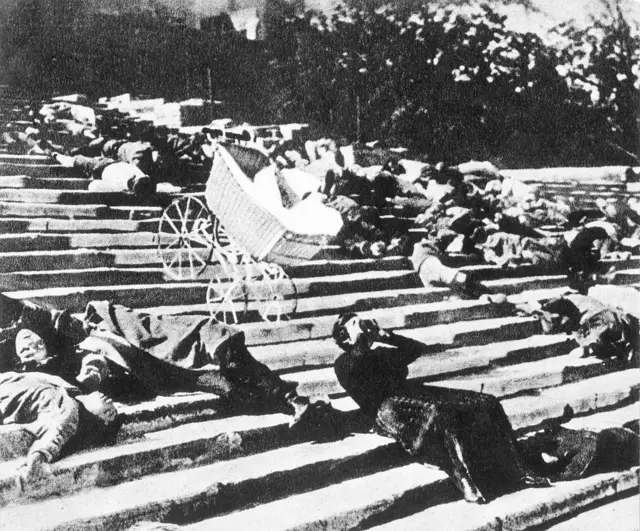
El primero ocurrió en 1905, cuando un levantamiento obrero en Odesa, que fue apoyado desde el mar por la tripulación del acorazado Potemkin, terminó en una masacre por la represión de las fuerzas zaristas. Se estima que murieron 1.000 personas.
Ese levantamiento fue uno de los tantos intentos que desembocaron en la revolución rusa de 1917 y que fue inmortalizado en la película "El acorazado Potemkin" (1925), de Sergei Eisenstein.
El otro hecho notable ocurrió durante la II Guerra Mundial, cuando en 1941 tropas rumanas y alemanas la asaltaron. La defensa de la ciudad duró 73 días y murieron entre 40.000 y 60.000 soviéticos.
Acabó recibiendo el título de ciudad "heroica" de la URSS.

Fuente de la imagen, Getty Images
Playas con minas explosivas
Este año muchas de las playas de Odesa han sido abiertas oficialmente.
Las minas explosivas que son utilizadas como arma marina ya no generan tanto miedo porque a lo largo de la costa hay rompeolas que las detienen.
En la playa a la que más fui, por ejemplo, había desde bebés hasta personas mayores. Y sigue la clásica escena con vendedores ambulantes ofreciendo maíz, rapanas y baklava.
Otro detalle: casi todos los habitantes de la zona hablan en ruso.
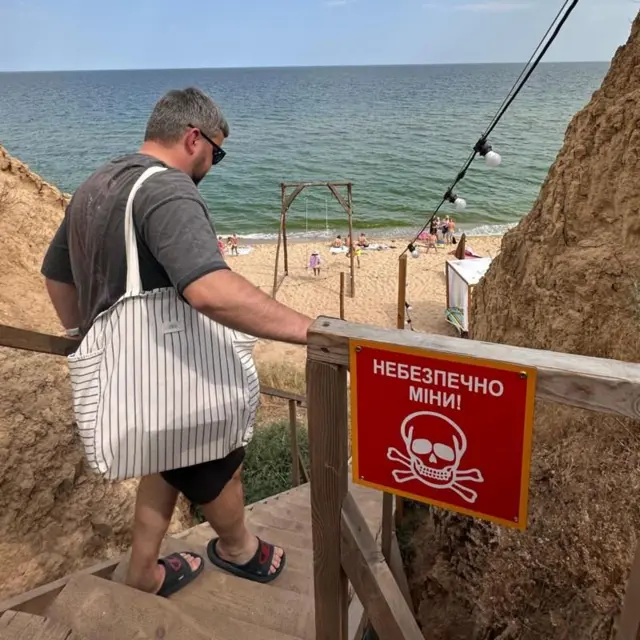
También fuimos a Sanzhiyka. Allí han aparecido atractivos glampings, bares y escaleras que llegan al agua desde un acantilado.
Sin embargo, como no hay muelles y el mar es abierto, las minas explosivas pueden llegar fácilmente hasta la costa, por lo que no me apetecía nada meterme en el agua.
Por supuesto, también visitamos el mercado Privoz. La oferta es increíble, los precios son similares a los de Kyiv, pero la fruta es mucho más dulce gracias al sol.
En estos momentos existe en la ciudad una fuerte tendencia a promocionar productos locales, forshmak, aperitivos elaborados con tomates Mikado y otras "especialidades de Odesa". Han sabido convertirla en una magnífica marca.
Fuente de la imagen, Getty Images
Por las noches, el centro de la ciudad suele quedar sumido en la oscuridad debido a los cortes de electricidad por la guerra. Las calles resuenan con el ruido de los generadores, evocando recuerdos del invierno en Kyiv.
Y en medio de esa oscuridad, acompañados por las sirenas o por los sonidos de la defensa antiaérea, los músicos callejeros siguen tocando.
Odesa, como siempre, sigue siendo maravillosa y llena de atmósfera, pese a todas las realidades que la rodean.
Dejando atrás a Rusia
Muchos en Odesa son defensores de la Ley de Descolonización de 2023, que ordenó a las autoridades locales a eliminar de sus ciudades cualquier nombre de calle, monumento o inscripción que pudiera vincularse con el pasado imperial de Rusia.
Entre las estatuas que debían retirarse figuraba un monumento a la emperatriz rusa Catalina la Grande, mientras que las calles que llevaban nombres de figuras rusas y soviéticas fueron rebautizadas: la calle Pushkin pasó a llamarse calle Italiana y la calle Catalina es ahora la calle Europea.

Fuente de la imagen, Getty Images
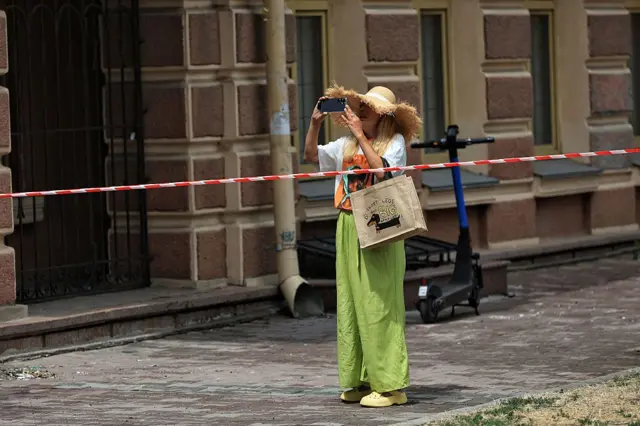
Fuente de la imagen, Getty Images
También existe una especial promoción del uso del ucraniano en esta ciudad donde el ruso sigue hablándose ampliamente.
Al preguntarle a un residente por la resistencia a Rusia que encuentra entre los habitantes de Odesa —orgullosos de su legado como puerto multicultural abierto al mundo—, se muestra desafiante.
"El enemigo está haciendo mucho más que nosotros para lograr que una ciudad de habla rusa se vuelva ucraniana", le dice a la BBC, Oleh Kiper.
"Está obligando a la gente a comprender quiénes son los rusos y si realmente los necesitamos", añadió.
Al igual que ocurre en el resto de Ucrania, si Rusia no puede hacerse con Odesa, parece decidida a por lo menos a paralizarla.
*Con reportería de Laura Gozzi y de BBC Mundo.

Descarga la nueva app del BBC World Service. Elige BBC News Mundo y recibe alertas de noticias, documentales y análisis, todo en un solo lugar. Importante: la nueva aplicación no está disponible en Reino Unido ni Estados Unidos.
Por qué recuerdas una cara y se te va el nombre, según la UNAM
calendar_today 27.07.2026 - person - timer ~4 Minutos
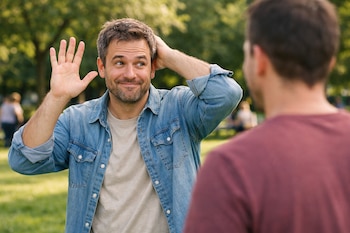
Olvidar un nombre y recordar una cara ocurre porque el cerebro procesa los rostros y las etiquetas lingüísticas en sistemas distintos, según explicó UNAM Global. La consecuencia práctica es clara: reconocer a una persona puede ser casi automático, mientras recuperar cómo se llama suele exigir más atención, repetición y memoria semántica.
El reconocimiento facial sería más resistente al olvido porque el cerebro dedica más recursos neuronales a esa tarea que a otras formas de identificación. Esa diferencia aparece al final del proceso de memoria social: el rostro se conserva con mayor facilidad que el vínculo entre esa cara y su nombre.
PUBLICIDAD
Los especialistas en neurociencia cognitiva citados explican que las caras se procesan sobre todo en regiones del lóbulo temporal del cerebro especializadas en reconocimiento visual, como el área fusiforme de las caras. Los nombres, en cambio, se almacenan y recuperan mediante redes relacionadas con el lenguaje y la memoria semántica.

Las caras concentran mucha información al mismo tiempo: rasgos físicos, expresiones, emociones y señales sociales, según UNAM Global. Por eso el cerebro humano está afinado para distinguirlas desde etapas muy tempranas de la vida.
PUBLICIDAD
El medio señaló que desde los primeros meses los bebés muestran preferencia por los rostros humanos. Con el tiempo, esa capacidad permite distinguir miles de caras, incluso cuando cambian la edad, la iluminación o la expresión.
Esa rapidez tendría una base evolutiva. Identificar si alguien formaba parte del grupo, representaba una amenaza o era una figura de confianza podía hacer diferencia en entornos antiguos, por lo que el sistema de reconocimiento facial se volvió altamente especializado.
PUBLICIDAD

Por su parte, los nombres no tienen representación visual ni sensorial directa, explicó UNAM Global. Son etiquetas arbitrarias aprendidas de manera cultural, sin una conexión visible con la apariencia de la persona.
Eso hace que su almacenamiento dependa más de la repetición, la atención y la asociación con otros elementos del contexto. El nombre de una persona no ofrece pistas por sí mismo para facilitar el recuerdo, a diferencia del rostro.
PUBLICIDAD
Cuando alguien conoce a una persona nueva, el cerebro intenta vincular su cara, su voz, su nombre, el lugar del encuentro y la emoción del momento. Si en ese instante la atención está puesta en la interacción social, como pensar qué decir o cómo comportarse, el nombre puede no consolidarse de manera adecuada en la memoria.
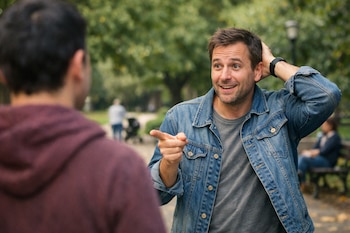
La memoria de nombres mejora cuando existe un esfuerzo consciente por repetirlos o asociarlos con alguna característica, de acuerdo con UNAM Global. El medio puso como ejemplo repetir mentalmente “Carlos, Carlos” o relacionarlo con alguien más para aumentar las probabilidades de recordarlo después.
PUBLICIDAD
Entonces, la explicación directa es esta: el rostro entra al sistema cerebral como un patrón visual que se procesa con eficiencia, mientras el nombre necesita fijarse mediante atención y uso activo. Si ese nombre no vuelve a escucharse o no se utiliza, la conexión entre cara y nombre se debilita con el tiempo.
UNAM Global subrayó que este fenómeno no sería una señal de mala memoria ni de falta de inteligencia. La explicación que ofrece es que el cerebro humano prioriza la información social inmediata y visual por encima de las etiquetas lingüísticas.
PUBLICIDAD
Por su parte, cambiar de cuarto y olvidar de inmediato qué ibas a hacer tiene explicación, según la UNAM: la atención dispersa, el estrés y la saturación de estímulos alteran la memoria inmediata, por lo que el cerebro prioriza una tarea sobre otra cuando varias demandas compiten al mismo tiempo. La universidad señaló que estos lapsos cotidianos suelen aparecer cuando una persona mantiene la mente puesta en otra actividad y cambia de contexto.
Pico y Placa en Cartagena: restricciones vehiculares para este lunes 27 de julio
calendar_today 27.07.2026 - person - timer ~4 Minutos

Debido a los recientes cambios en la aplicación del programa de restricción vehicular conocido como Pico y Placa, es importante saber cuáles autos no pueden transitar este lunes 27 de julio en Cartagena.
La Alcaldía de Cartagena explica que la restricción vehicular depende de la terminación de la placa del automóvil, del tipo de vehículo, el día de la semana y hasta de la hora.
No olvides que esta restricción vehicular se modifica diariamente por lo que es de suma importancia mantenerse informado según su actualización y así evitar desagradables sorpresas al transitar a lo largo de las calles de la ciudad colombiana.
PUBLICIDAD
Las autoridades definen el Pico y Placa de acuerdo al día de la semana, el tipo de automóvil y el último dígito de la placa. También cabe recalcar que este programa aplica diferente por ciudad.
El fin de limitar el tránsito de vehículos por la ciudad es para reducir el parque vehicular y con ello el tránsito, los siniestros automovilísticos y mejorar la calidad del aire.
Aquí está el calendario de restricciones del Pico y Placa para mañana.
Particulares: no aplica,, .
Motos: no aplica,, .
Taxis: no aplica,, .
No solo la restricción vehícular, sino también el horario del Pico y Placa en Cartagena cambia por tipo de vehículo y aplica de la siguiente manera:
PUBLICIDAD
Motos: de 5:00 horas a 23:00 horas.
Particulares: de 7:00 a 9:00 y de 18:00 a 20:00 horas.
Taxis: de 6:00 a 6:00 horas del día siguiente, es decir por 24 horas.

El gobierno de Cartagena informó cómo será la rotación del Pico y Placa durante el primer semestre de este 2026.
El programa de restricción vehicular se determinará de acuerdo al último número de la placa del vehículo, así como el día de la semana.
El Pico y Placa para vehículos particulares regirá desde el 16 de enero y hasta el 27 de marzo del 2026 de la siguiente manera:
PUBLICIDAD
Lunes: 5 y 6.
Martes: 7 y 8.
Miércoles: 9 y 0.
Jueves: 1 y 2.
Viernes: 3 y 4
Para el 30 de marzo del 2026 y hasta 27 de junio del 2026 rotará de la siguiente manera:
Lunes: 7 y 8.
Martes: 9 y 0.
Miércoles: 1 y 2.
Jueves: 3 y 4.
Viernes: 5 y 6
Para la tercera rotación del 30 de junio del 2026 y hasta 2 de octubre del 2026 rotará de la siguiente manera:
Lunes: 9 y 0.
Martes: 1 y 2.
Miércoles: 3 y 4.
Jueves: 5 y 6.
Viernes: 7 y 8
Finalmente, la cuarta rotación del 5 de octubre del 2026 y hasta 22 de enero del 2027 rotará así:
Lunes: 1 y 2.
Martes: 3 y 4.
Miércoles: 5 y 6.
Jueves: 7 y 8.
Viernes: 9 y 0
El Pico y Placa para vehículos particulares operará de lunes a viernes, con excepción de los días festivos, en los siguientes horarios: de 7:00 a 9:00 horas y de 18:00 a 20:00 horas.
PUBLICIDAD
En el caso de los taxis, la rotación durante la primera mitad del año serán las siguientes.
Rotación del 1 de junio de 2026 al 26 de junio de 2026:
Lunes: 5 y 6.
Martes: 7 y 8
Miércoles: 9 y 0.
Jueves: 1 y 2.
Viernes: 3 y 4.
Para los taxis, el horario del Pico y Placa regirá de lunes a viernes, con excepción de los días festivos, en el horario comprendido entre las 6:00 horas y las 6:00 horas del día siguiente.
No todos los automóviles son obligados a seguiresta restricción vehicular, algunos tienen el beneficio de estar exentos de este programa. Son los siguientes:
Con el Permiso Especial de Acceso a Zona de Restricción Vehicular.
Eléctricos o cero emisiones.
Oficiales de todos los niveles.
Fúnebres.
De emergencia.
De atención médica.
De distribución de medicamentos.
De rescate o traslado de órganos y tejidos.
De control de tráfico y grúas.
De residuos hospitalarios.
De medios de comunicación.
Que ofrecen servicios turísticos.
Escolares.
De valores
Destinados a la enseñanza automovilística.
Para que el automóvil con dichas características pueda exentar el Pico y Placa debe de presentar la solicitud correspondiente con copia de la documentación en regla del auto y del conductor, así como el paz y salvo por todo concepto.
PUBLICIDAD
De acuerdo con el gobierno de Cartagena, la sanción por violar los lineamientos del Pico y Placa es la siguiente:
Una multa equivalente a los 15 días de salario mínimo vigente. Actualmente el salario mínimo diario se paga en 47 mil 450 pesos, por lo que asciende a 711 mil 750 pesos.
Además de la multa, el vehículo del infractor será inmovilizado.
Pico y Placa: qué vehículos descansan en Villavicencio este lunes 27 de julio
calendar_today 27.07.2026 - person - timer ~3 Minutos

Estos son los vehículos que no podrán transitar en Villavicencio este 27 de julio, según el programa de restricción vehicular conocido como Pico y Placa.
El día de la semana, la hora, el tipo de vehículo y la terminación de la placa son los factores que determinan qué automóviles no circulan este lunes.
No olvides que esta prohibición vehicular se modifica diariamente por lo que es de suma importancia mantenerse informado de acuerdo a su actualización y así evitar desagradables sorpresas al manejar a lo largo de las calles de la ciudad colombiana.
Las autoridades definen el Pico y Placa de acuerdo al día de la semana, el tipo de automóvil y el último dígito de la placa. También es importante mencionar que este programa funciona diferente por ciudad.
PUBLICIDAD
El fin de limitar el tránsito de automóviles por las calles de la ciudad es para reducir el parque vehicular y con ello el tránsito, los accidentes automovilísticos y mejorar la calidad del aire.
Aquí está el calendario de restricciones del Pico y Placa para mañana.
Particulares: no aplica,, .
Motos: no aplica,, .
Taxis: 1,, .
Transporte de carga: no aplica,, .
El Pico y Placa de Villavicencio para vehículos particulares consiste de dos horarios: el primero comienza a las 6:30 horas y termina a las 9:30 horas, mientras que el segundo se reanuda hasta las 17:00 horas y se prolonga hasta las 20:00 horas.
PUBLICIDAD
En el caso de los taxis, el horario de la restricción vehicular comienza en las primeras horas del día a las 6:00 y acaba hasta el ocaso de la jornada a las 00:00 horas.
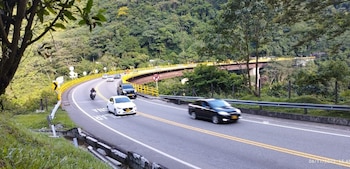
Las autoridades de Villavicencio dio a conocer los lineamientos de la restricción vehicular de Pico y Placa durante este año.
De acuerdo con el decreto, esta versión del Pico y Placa actual estará vigente del 26 de enero y hasta el 22 de diciembre del 2026.
La aplicación de esta restricción vehicular dependerán del día de la semana, así como del último dígito de la placa del vehículo.
En el caso de vehículos particulares, el Pico y Placa aplicará de la siguiente secuencia:
Lunes: 5 y 6.
Martes: 7 y 8.
Miércoles: 9 y 0.
Jueves: 1 y 2.
Viernes: 3 y 4.
El Pico y Placa aplica de lunes a viernes, en días no festivos, en el horario comprendido entre las 06:30 y las 09:30 horas y de las 17:00 a las 20:00 horas.
PUBLICIDAD
En el caso de los Taxis, la restricción vehicular aplica de forma distinta, comenzó el mismo miércoles 21 de enero prohibiendo la circulación a los automóviles cuya playa terminarán en 6 y avanzando de manera sucesiva, de lunes a domingo en la secuencia de 6 a 5.
Para los taxistas, el horario de aplicación del Pico y Placa también es distinto, comienza a las 6:00 horas y termina a las 00:00 horas.
No todos los vehículos son obligados a seguir esta restricción vehicular, algunos tienen el beneficio de estar exentos de esta prohibición. Son los siguientes:
De emergencia
De seguridad pública y privada
De salud
De personal de servicios públicos
Oficiales
De mensajería y reparto
De carga
De control de tráfico
Fúnebre
De enseñanza
De medios de comunicación
Eléctricos y cero emisiones
De acuerdo con la alcaldía de Villavicencio, la multa por violar el Pico y Placa se define por el inciso C del artículo 131 de Código Nacional de Tránsito Terrestre.
PUBLICIDAD
Esta legislación precisa que el castigo será el pago de una multa equivalente a los 15 días de salario mínimo vigente. Actualmente el salario mínimo diario se paga en 47 mil 450 pesos, por lo que la sanción asciende a 711 mil 750 pesos.