With global wildlife populations declining by 68% over the past 50 years, many people feel helpless to make a difference. However, research shows that targeted conservation actions have led to 71% recovery in bird and mammal species, proving that even small steps taken from your home can contribute significantly to wildlife protection.
- Native plants support 29% more wildlife than non-native species in your backyard
- Simple changes like turning off outdoor lights can reduce bird collisions by up to 70%
- Citizen science projects allow you to contribute to conservation research without leaving home
Creating Wildlife-Friendly Habitats at Home
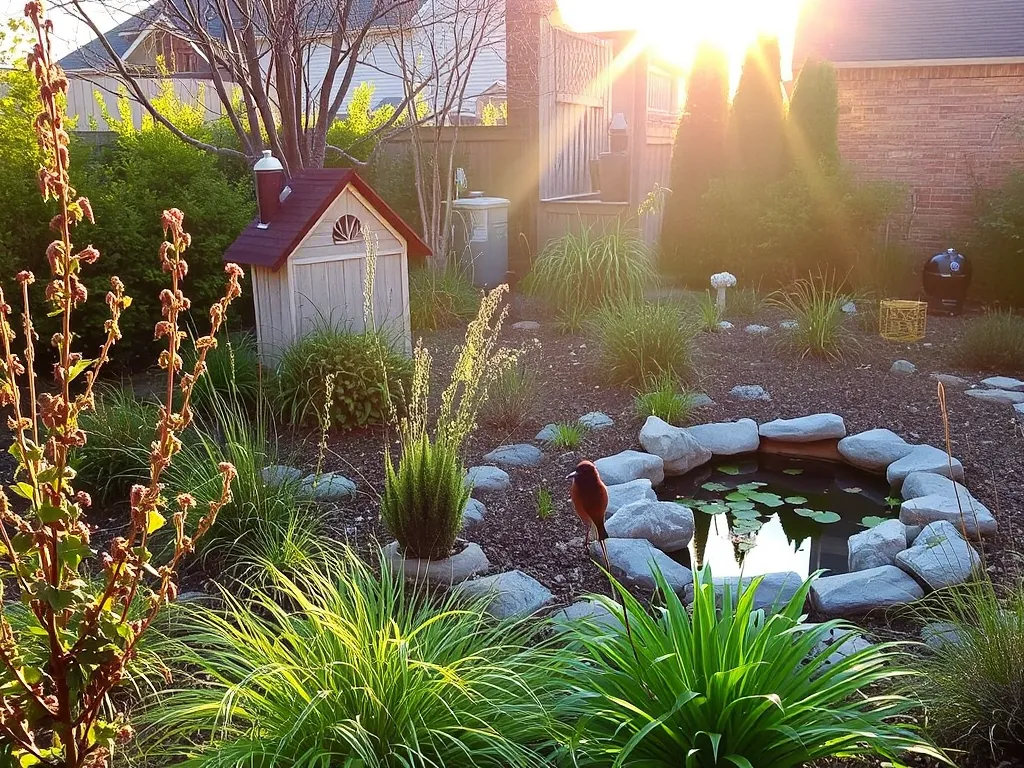
Planting Native Plants: The Foundation of Backyard Conservation
- Native plants support 29% more wildlife than non-native species
- Use the National Wildlife Federation’s native plant finder to identify species for your region
- Top native plants for wildlife: milkweed (for monarch butterflies), oak trees (support 534 species), coneflowers (attract pollinators)
- Replace turf grass with native landscaping – turf covers 2% of continental US surface area but provides minimal wildlife value
Native plants form the foundation of effective backyard conservation because they have evolved alongside local wildlife and provide the specific food sources and shelter that native species need to thrive. Unlike ornamental plants from other regions, native species support complex food webs and require fewer resources once established. The National Wildlife Federation’s native plant finder is an excellent tool for identifying species appropriate to your specific region and soil conditions.
Providing Essential Resources: Water Sources and Shelter
Wildlife needs more than just plants – they require water for drinking and bathing, and shelter from predators and weather. A simple birdbath or shallow dish can provide water for birds and insects, while leaving brush piles and dead trees standing creates natural shelter.
Even small water features can support amphibians and beneficial insects that help control pests naturally. These essential resources transform a simple garden into a functioning ecosystem that supports wildlife throughout their complete life cycles, from breeding grounds to overwintering sites.
Creating Safe Spaces: Minimizing Threats to Local Wildlife
- Secure garbage in containers with locking lids to prevent wildlife access
- Feed pets indoors to avoid attracting wild animals to your home
- Install window decals to prevent bird collisions (reduces collisions by up to 70%)
- Keep cats indoors – outdoor cats kill an estimated 1.3-4 billion birds annually in the US
Many common household practices unintentionally create hazards for wildlife. By securing garbage in containers with locking lids, you prevent raccoons, opossums, and other animals from accessing human food that can disrupt their natural foraging behaviors. Feeding pets indoors eliminates the attraction of wildlife to residential areas, reducing potential conflicts.
Window decals are a simple yet effective solution to prevent bird collisions, which account for hundreds of millions of bird deaths annually in the United States. Perhaps most importantly, keeping cats indoors protects both local wildlife and the cats themselves from various dangers.
Reducing Environmental Impact at Home
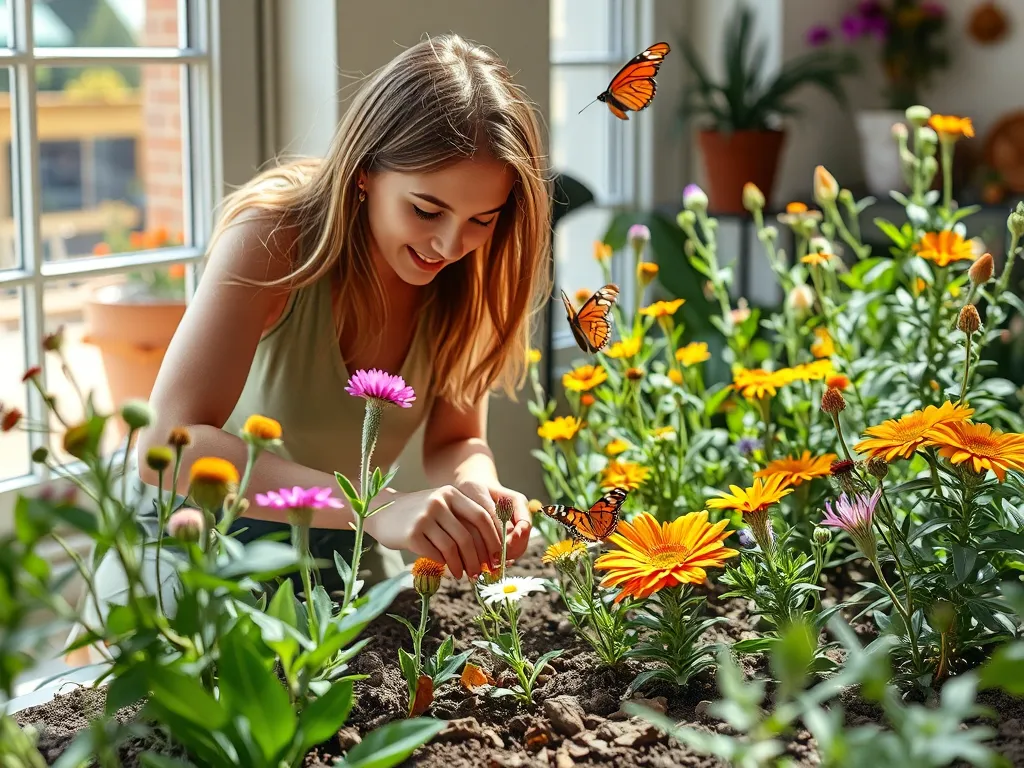
Waste Reduction Strategies: From Recycling to Composting
The waste we generate at home often ends up in natural habitats, harming wildlife through pollution and habitat destruction. By reducing waste and composting organic materials, you decrease the amount of trash that reaches wild spaces. Start by refusing single-use plastics, properly recycling according to local guidelines, and composting food scraps and yard waste.
This not only reduces landfill waste but also creates nutrient-rich soil that supports native plants. The Environmental Protection Agency estimates that yard waste and food scraps make up over 30% of what we send to landfills, materials that could instead be composted to create valuable soil amendments for wildlife-friendly gardens.
Eliminating Harmful Chemicals: Pesticide Alternatives
- Pesticides and herbicides can poison wildlife directly and reduce their food sources
- Natural alternatives: diatomaceous earth for insect control, neem oil for pests, companion planting
- Integrated Pest Management (IPM) strategies reduce chemical use by 40-60% while maintaining effective pest control
- Even “pet-safe” chemicals can be harmful to wildlife – choose certified organic options when possible
Many common household chemicals create invisible dangers for wildlife. Pesticides don’t just target pests – they can poison beneficial insects, birds, and other wildlife directly or by eliminating their food sources. Natural alternatives like diatomaceous earth for insect control or neem oil for pests are effective options that don’t harm wildlife.
Companion planting, which uses plant combinations that naturally repel pests, is another strategy that eliminates the need for chemicals. Integrated Pest Management approaches focus on prevention and targeted interventions rather than blanket chemical applications, reducing chemical use by 40-60% while maintaining effective pest control.
Educating and Advocating for Wildlife Conservation

Digital Conservation: Citizen Science Projects You Can Join From Home
You don’t need to be in the field to contribute to wildlife conservation. Digital platforms like Zooniverse connect volunteers with researchers who need help identifying species in camera trap images and other wildlife data.
Projects like Wildwatch Kenya and WildCam Gorongosa allow you to monitor wildlife populations from your computer, contributing valuable data that helps researchers track species and identify conservation priorities. These digital conservation efforts have become increasingly important, with citizen scientists contributing to thousands of research papers and helping monitor species that might otherwise be overlooked due to budget constraints or remote locations.
Sharing Knowledge: Teaching Others About Local Species
- Create simple wildlife identification guides for your local area
- Share interesting facts about native species on social media
- Organize neighborhood wildlife walks to introduce others to local biodiversity
- Participate in community science fairs to educate children about conservation
Education is a powerful conservation tool that multiplies your impact. By sharing your knowledge about local species, you help create a community of informed citizens who can make better decisions for wildlife.
Creating simple identification guides for your area makes wildlife accessible to others who might not have the expertise to identify species on their own. Social media platforms provide opportunities to reach broader audiences with conservation messaging, while organized wildlife walks and community events create hands-on learning experiences that build lasting connections between people and nature.
Supporting Conservation Organizations: Financial and Volunteering Options
While individual actions matter, supporting conservation organizations multiplies your impact. The U.S. Fish and Wildlife Service, National Wildlife Federation, and Xerces Society for Invertebrate Conservation all work to protect endangered species.
Even small donations or sharing their content on social media helps raise awareness and funds for critical conservation programs. These organizations have the expertise and infrastructure to implement large-scale conservation projects that address habitat loss, climate change, and other complex threats facing wildlife. By supporting their work, you contribute to solutions that extend far beyond what individual actions can achieve.
The most surprising fact about home conservation is that your individual actions create a collective impact that extends far beyond your property line. When neighborhoods adopt wildlife-friendly practices, they create wildlife corridors that connect fragmented habitats, allowing species to migrate and adapt to changing conditions.
Start today by identifying one native plant species native to your region and replacing one non-native ornamental plant in your yard—this single action can support dozens of local wildlife species and contribute to the broader conservation movement. Wildlife conservation begins at home, and together our individual efforts can create meaningful change for endangered species worldwide.
Frequently Asked Questions About How To Help Endangered Species Without Leaving Your Home

How to help endangered species at home?
Make your home wildlife friendly. Secure garbage in shelters or cans with locking lids, feed pets indoors and lock pet doors at night to avoid attracting wild animals into your home.
What is the #1 rarest animal in the world?
Related smalltail shark and it was only later that scientists found subtle little differences in both their fin placement. And their vertebral counts essentially revealing it as a new species.
How to prevent habitat loss for animals?
How to Combat Habitat Loss. Combat habitat loss in your community by creating a Certified Wildlife Habitat® near your home, school, or business. Plant native plants and put out a water source so that you can provide the food, water, cover, and places to raise young that wildlife need to survive.
What can we do to help save endangered animals?
Learn about endangered and threatened species in your area and the threats they face. Watch wildlife responsibly.
Volunteer for restoration projects and take other actions to protect habitat. Report marine mammals or sea turtles in distress.
What makes a species "endangered"?
Habitat loss is the primary cause of higher extinction rates. Other causes include habitat changes, over-exploitation of wildlife for commercial purposes, the introduction of harmful nonnative species, pollution, and the spread of diseases.