Olympic National Park is home to an extraordinary diversity of wildlife across three distinct ecosystems, hosting 29 marine mammal species and 62 terrestrial mammal species. This remarkable biodiversity creates one of the most comprehensive wildlife viewing experiences in the United States, where visitors can observe everything from tide pool creatures in the intertidal zones to endemic species in the alpine peaks.
- Olympic National Park hosts 29 marine mammal species and 62 terrestrial mammal species across three distinct ecosystems
- The park is home to 14 endemic animal species found nowhere else on Earth
- Wildlife viewing varies by ecosystem: low tide for tide pools, dawn/dusk for forest mammals, and summer for alpine species
Coastal Tide Pools & Marine Life: Exploring Olympic’s Intertidal Wonders
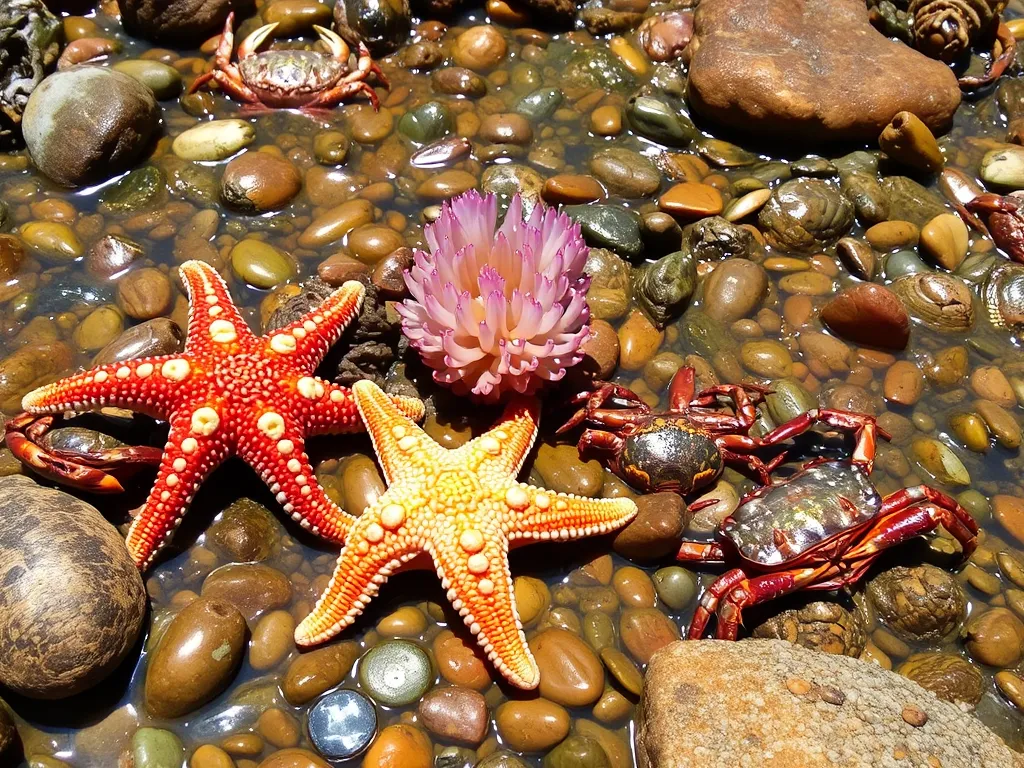
The Pacific coast of Olympic National Park features some of the most accessible and diverse tide pools in North America, revealing a hidden world of marine life twice daily when the ocean recedes.
Tide Pool Creatures: Olympic’s Colorful Intertidal Community
- Ochre sea stars, green sea anemones, purple sea urchins, hermit crabs, gooseneck barnacles, and blue mussels inhabit the rich intertidal zones within the Olympic Coast National Marine Sanctuary
- Twice daily tide cycles reveal these creatures when the ocean recedes, creating temporary windows of opportunity for observation
- The Pacific coast features rich intertidal zones where these species have adapted to withstand the harsh conditions of being exposed to air and sun while submerged in seawater
- Colorful sea slugs, sea cucumbers, and red algae also thrive in these dynamic environments, creating a vibrant underwater world visible during low tide
Marine Mammals & Birds: Olympic’s Coastal Residents
Sea otters, harbor seals, sea lions, and migrating whales are commonly spotted offshore throughout the year. Black oystercatchers, bald eagles, and rhinoceros auklets are frequently seen coastal birds that have adapted to the harsh marine environment. At almost any time of year, visitors might spot dolphins, sea otters, harbor seals, or sea lions offshore, especially around Kalaloch and Ruby Beach.
The coastal areas are particularly rich in birdlife, with puffins and seabirds adding to the diverse avian population. For the best wildlife viewing experience in these coastal areas, visitors should plan their trips according to the twice-daily tide cycles and seasonal migration patterns of marine mammals.
Old-Growth Forests & Rainforest Wildlife: Olympic’s Ancient Forest Ecosystem
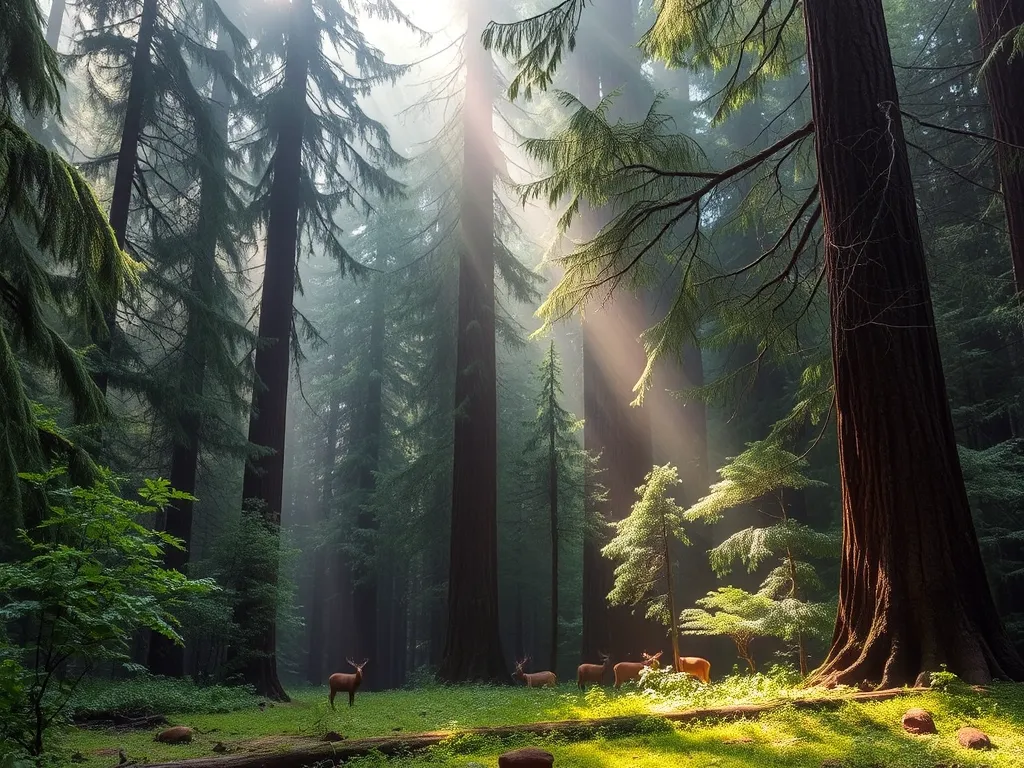
The Hoh and Quinault rainforests represent some of the most impressive temperate rainforests in the world, with ancient trees draped in moss and lichen creating an almost otherworldly landscape that supports unique wildlife communities.
Is Quinault Rainforest Worth Visiting? Exploring Olympic’s Temperate Rainforests
Quinault Rain Forest is one of the most impressive temperate rainforests in Olympic National Park, where ancient trees with moss and lichen-draped branches create an almost otherworldly landscape. The Hoh and Quinault rainforests provide habitat for species reliant on complex, damp environments with multiple canopy layers and abundant moisture. Many visitors have spotted groups of Roosevelt Elk along the trails through Hoh Rainforest, where these magnificent animals move through the towering ancient trees.
The rainforests maintain a consistent temperature and humidity year-round, creating ideal conditions for both plant and animal species that thrive in cool, moist environments. These ancient forests are not only home to diverse wildlife but also offer visitors a chance to experience what old-growth ecosystems looked like before extensive logging changed much of the Pacific Northwest.
Forest Mammals & Invertebrates: Olympic’s Rainforest Residents
| Species | Characteristics | Habitat Preference |
|---|---|---|
| Roosevelt elk | Large herbivores, often seen in groups | Valleys and forest edges |
| Black bears | Medium-sized omnivores, excellent climbers | Throughout forested areas |
| Black-tailed deer | Adaptable browsers, often near water sources | Forest meadows and riparian zones |
| Cougars | Large predators, solitary and elusive | Dense forest cover |
| Banana slugs | Large invertebrates, yellow to brown | Damp forest floor |
The distinct, massive banana slugs are unique invertebrates of the rainforest, growing up to 9 inches in length and playing a crucial role in nutrient cycling. Spotted owls and marbled murrelets are important bird species in these ecosystems, with the spotted owl requiring old-growth forest habitat and the marbled murrelet nesting in ancient tree cavities high above the forest floor.
Alpine Peaks & Subalpine Species: Olympic’s High-Elevation Wildlife
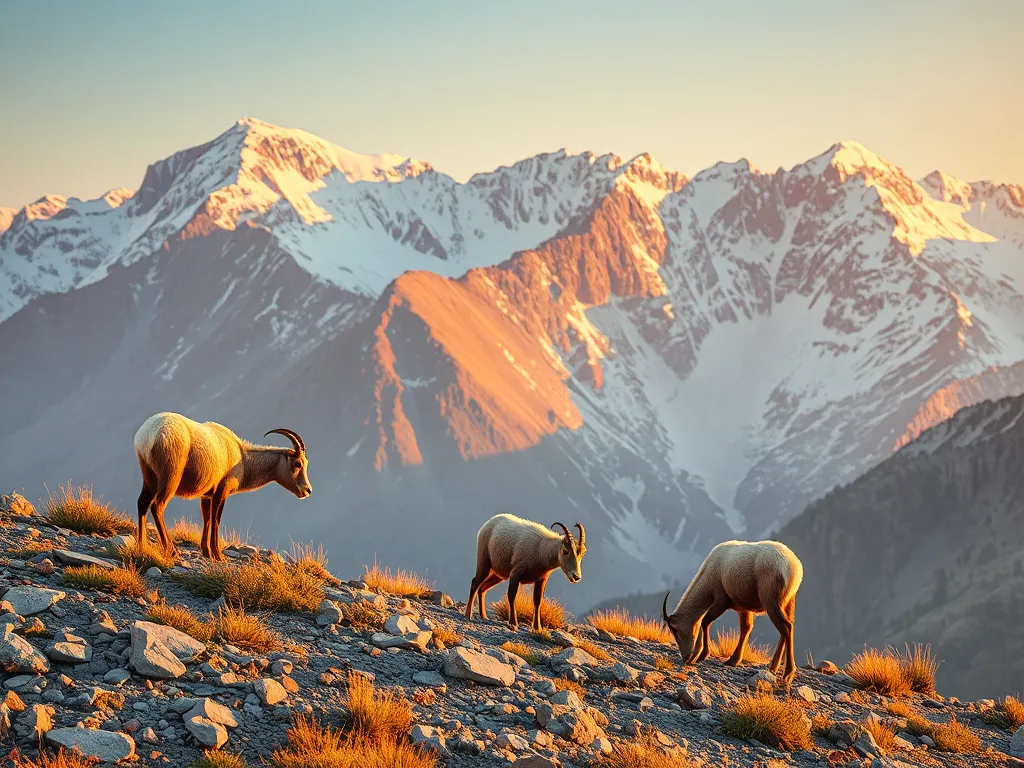
High-elevation areas of Olympic National Park are home to species that evolved in isolation, creating unique adaptations to the harsh alpine environment and making this region a hotspot for endemic wildlife found nowhere else on Earth.
Endemic Alpine Species: Olympic’s Unique High-Altitude Wildlife
- The Olympic marmot (often seen near Hurricane Ridge) is an endemic species found only in the Olympic Mountains, adapted to the harsh alpine conditions with thick fur and hibernation behaviors
- Olympic short-tailed weasel and Olympic torrent salamander are other endemic species that have evolved unique adaptations to survive in the high-elevation environment
- In total, there are 14 endemic animal species on the Olympic Peninsula, many of which can be found in Olympic National Park, making this region a biodiversity hotspot
- These endemic species have developed specialized characteristics over thousands of years of isolation, including specific coloration, feeding strategies, and reproductive cycles that allow them to thrive in their unique alpine habitats
Are There Grizzly Bears in Olympic NP? Alpine Wildlife Safety & Viewing Tips
While quite a few potentially dangerous North American mammals will not be found during your Olympic Peninsula hike (no Grizzly Bear, for example), the park does have Mountain Lions (alternatively called “cougars”), Black Bears, and Roosevelt Elk – all large mammals that warrant our attention. Dawn and dusk are best times for viewing land mammals, when these animals are most active and more likely to be seen by visitors. Maintain distance (50 yards for most, 100 yards for bears/cougars) when observing wildlife to ensure both visitor safety and minimal disturbance to the animals, following best practices for how to safely observe bears in US national parks.
Although bears are common in the Olympics, we have not recorded a single bear attack in the history of the park, making it one of the safest places to observe these magnificent creatures in their natural habitat. For the best wildlife viewing experience, visitors should bring binoculars, stay on marked trails, and respect the natural behaviors of the animals by keeping observation distances and avoiding feeding wildlife.
The most surprising finding about Olympic National Park’s wildlife is the remarkable concentration of endemic species in such a relatively small area, with 14 animal species found nowhere else on Earth. When planning your visit, be sure to check tide tables for coastal exploration and arrive at alpine areas in summer when these high-elevation species are most active, as this will significantly increase your chances of witnessing the park’s incredible biodiversity firsthand.
Frequently Asked Questions About Olympic National Park Animals: From Tide Pools To Old-Growth Forest
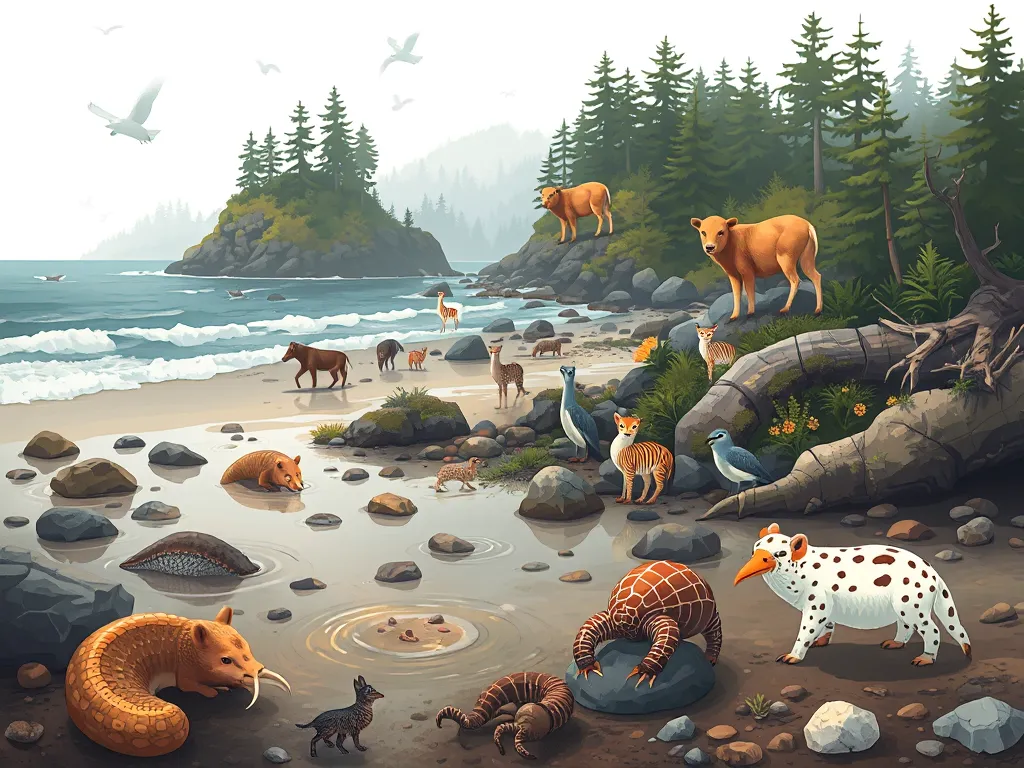
How many endemic animal species are found in Olympic National Park?
14. Olympic National Park is home to 14 endemic animal species, meaning they are found nowhere else in the world.
Where can Roosevelt elk typically be observed in the park?
Valleys and forest edges. Roosevelt elk, large herbivores often seen in groups, prefer these habitats for grazing and shelter.
What habitat do banana slugs inhabit in Olympic National Park?
Damp forest floor. Banana slugs, large invertebrates ranging from yellow to brown, thrive in the moist environments of the old-growth forests.
What are the primary characteristics of black bears in the park?
Medium-sized omnivores, excellent climbers. Black bears inhabit forested areas throughout the park and are known for their adaptability and tree-climbing abilities.