A wildlife corridor is a designated, undeveloped strip of land that connects otherwise isolated natural habitats, allowing animals to move safely between them. These critical pathways help maintain healthy wildlife populations by enabling animals to migrate, find mates, and adapt to changing environmental conditions.
- Wildlife corridors are designated strips of land connecting isolated habitats to allow safe animal movement
- They’re critical for migration, genetic diversity, climate adaptation, and reducing human-wildlife conflicts
- Wildlife corridors benefit both animals and humans through ecosystem services and reduced conflicts
What Is a Wildlife Corridor?
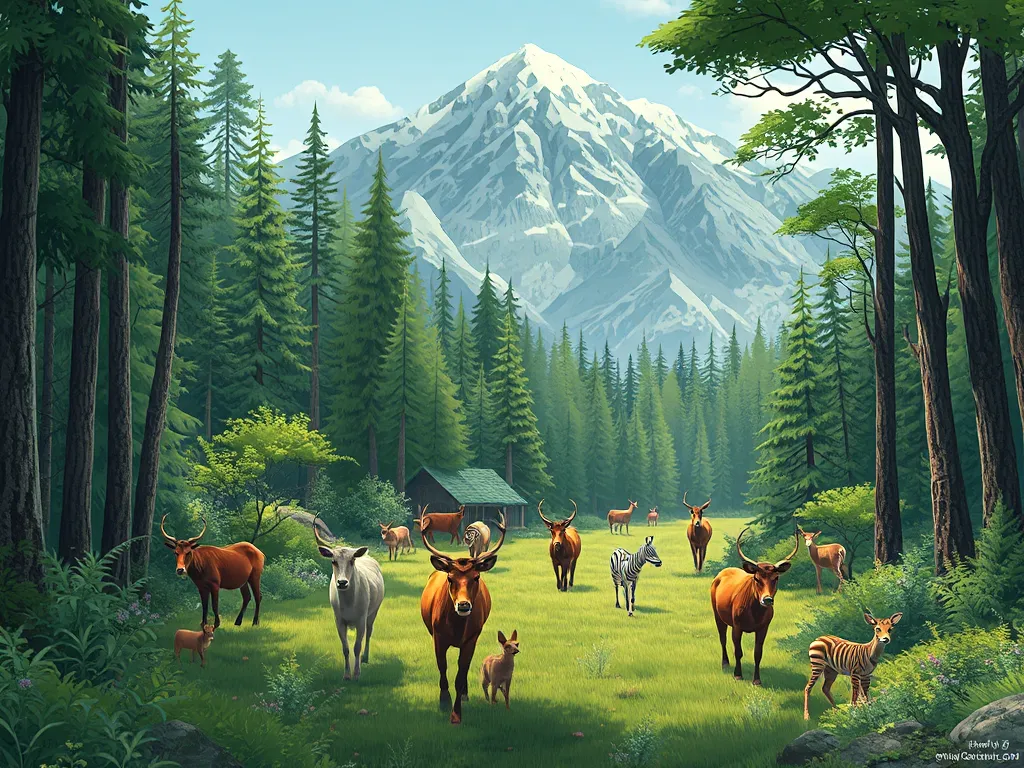
Definition and Basic Characteristics
A wildlife corridor is essentially a pathway that connects fragmented habitats, allowing animals to move safely between isolated areas of natural habitat. These corridors can range from narrow strips of vegetation to large areas of undeveloped land and serve as bridges for wildlife populations that would otherwise be separated by human development. The U.S.
Fish and Wildlife Service defines wildlife corridors as routes that animals use to complete their life cycles, whether they run, swim, or fly. These pathways are crucial for maintaining the natural movement patterns that wildlife have followed for generations.
Types of Wildlife Corridors
- Habitat corridors: Connect similar habitat types like forests, grasslands, or wetlands
- Riparian corridors: Follow waterways and provide essential habitat for many species
- Overpasses and underpasses: Specialized structures that allow animals to cross roads safely
- Marine corridors: Underwater pathways connecting ocean habitats
- Aerial corridors: Flight paths used by migratory birds and bats
Each type serves specific ecological functions and accommodates different species’ movement needs.
Wildlife Corridor Examples
The Banff Wildlife Crossings in Canada feature 38 wildlife overpasses and underpasses that have reduced wildlife-vehicle collisions by over 80%. Meanwhile, the Yellowstone to Yukon Conservation Initiative creates a 3,200-kilometer corridor connecting protected areas across North America, allowing species like grizzly bears to maintain genetic diversity across vast distances. In the Pacific Northwest, Olympic National Park Animals: From Tide Pools to Old-Growth Forest showcases diverse species that benefit from connected habitats.
Enabling Migration and Movement
Wildlife corridors enable animals to follow their natural migration patterns, which are essential for accessing seasonal resources like food, water, and breeding grounds. Many species, such as elk, deer, and various bird species, need to move between different areas throughout the year to survive.
Without these corridors, animals become trapped in isolated habitats where resources may become depleted, leading to population decline. The corridors provide safe passage across human-made barriers like roads, farms, and urban developments that would otherwise block natural movement routes.
Maintaining Genetic Diversity
Genetic diversity is crucial for the long-term survival of wildlife populations. When animals are isolated in small habitat fragments, they may be forced to breed with close relatives, leading to inbreeding depression and reduced genetic health. Wildlife corridors allow animals to disperse and find mates from different populations, introducing new genetic material into the gene pool.
This genetic exchange helps populations adapt to changing conditions, resist diseases, and maintain overall fitness. Studies have shown that connected populations have significantly higher genetic diversity compared to isolated ones, making them more resilient to environmental changes.
Adapting to Climate Change
As climate change alters temperature patterns and precipitation levels, many species need to move to areas with more suitable conditions. Wildlife corridors provide the pathways necessary for this climate adaptation, allowing species to shift their ranges to cooler areas or different habitats as their current environments become less suitable.
These corridors act as climate refuges, enabling species to track their preferred climatic conditions over time. Without connectivity, species may become trapped in areas that are no longer suitable for their survival, leading to local extinctions and reduced biodiversity.
Reducing Human-Wildlife Conflict
Wildlife corridors help reduce dangerous interactions between animals and humans by directing animal movement away from populated areas and across busy roads safely. When animals have designated pathways to follow, they are less likely to wander into human settlements, reducing conflicts that can result in property damage or harm to both animals and people.
The corridors also reduce vehicle collisions with wildlife, which pose dangers to both drivers and animals. By providing safe passage, these corridors help maintain healthy wildlife populations while protecting human communities and infrastructure.
How Wildlife Corridors Benefit Both Animals and Humans
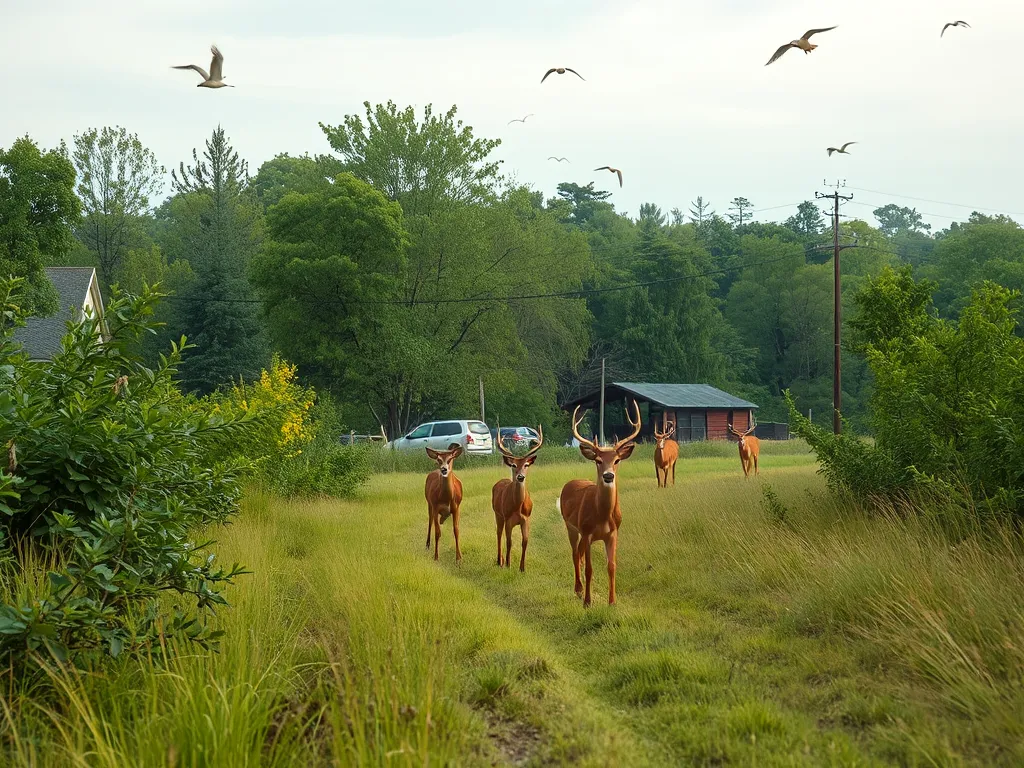
Benefits for Humans
- Cleaner air and water: Natural vegetation in corridors filters pollutants and reduces runoff
- Pollination services: Corridors support pollinators that benefit agricultural crops
- Reduced human-wildlife conflicts: Fewer encounters between wildlife and human settlements
- Tourism opportunities: Wildlife viewing and ecotourism create economic benefits
- Climate regulation: Vegetated corridors help sequester carbon and regulate local climates
These ecosystem services provide tangible benefits to human communities while supporting wildlife conservation.
Challenges and Considerations
While wildlife corridors offer significant benefits, they also present challenges that must be addressed. One concern is the potential spread of invasive species and diseases along corridors, which can disrupt local ecosystems. Additionally, corridors must be designed with sufficient width and quality habitat to be effective for the species they aim to support.
Poorly designed corridors may not provide adequate protection or may actually increase mortality rates. Careful planning, monitoring, and adaptive management are essential to ensure that corridors function as intended while minimizing potential negative impacts.
Success Stories and Case Studies
The I-90 Wildlife Crossings in Washington State have documented over 150,000 safe wildlife crossings since their installation, including use by endangered species like grizzly bears. Meanwhile, the Netherlands’ Ecological Networks have connected 90% of their natural areas through a comprehensive corridor system, resulting in increased biodiversity and reduced habitat fragmentation. These success stories demonstrate that with proper planning and implementation, wildlife corridors can effectively support both conservation goals and human needs.
Wildlife corridors represent one of the most practical solutions to conservation challenges in our increasingly developed world. By connecting fragmented habitats, these pathways help ensure that wildlife can survive, adapt, and thrive in the face of growing human pressures and climate change. Supporting wildlife corridor initiatives in your community can make a significant difference in protecting biodiversity for future generations.