The Grand Canyon National Park is home to an incredible diversity of wildlife, with 91 mammal species, 48 reptile species, and 10 amphibian species inhabiting its unique ecosystems. This iconic natural wonder offers visitors numerous opportunities to observe animals in their natural habitats, from common sightings along the rim to more elusive species in remote areas.
- Grand Canyon is home to 91 mammal species, 48 reptile species, and 10 amphibian species
- Common sightings include mule deer, elk, rock squirrels, and various bird species
- The North Rim features the endemic Kaibab squirrel with its distinctive white tail
- Wildlife viewing is best at dawn and dusk near water sources
Mammals You Can Spot in Grand Canyon National Park
Common Mammal Sightings on the South Rim
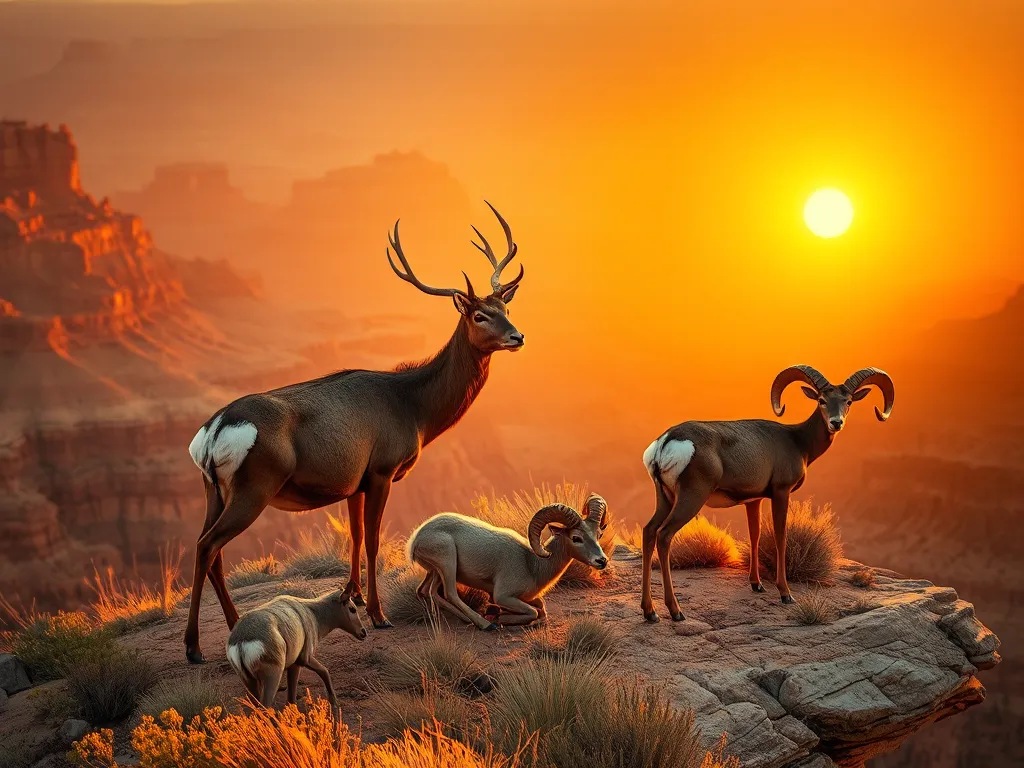
- Mule deer are commonly seen on the South Rim, often grazing near visitor centers and along trails during early morning and late afternoon hours. These adaptable herbivores can be spotted throughout the year, with fawns typically born in late spring
- Elk can be spotted in the forested areas of the South Rim, particularly around Grand Canyon Village, though visitors should maintain a safe distance as they can be aggressive, especially during mating season in fall
- Rock squirrels are frequently observed near visitor centers and picnic areas, known for their bold behavior and quick movements. These opportunistic feeders will often approach humans looking for food
- Javelina (collared peccary) are present in the desert scrub areas, often spotted in small groups foraging for food at dawn and dusk. They have a distinctive musky odor and are more common in the lower desert regions
- Coyotes are frequently seen throughout the canyon, particularly during dawn and dusk. These intelligent predators help maintain balance by controlling rodent populations
- Ringtail cats are nocturnal mammals that resemble a small fox with a raccoon-like tail. They are primarily active at night and are occasionally spotted near campgrounds and water sources
- Mountain lions are the apex predators of the canyon but are extremely rare to spot. These elusive cats primarily hunt at night and prefer remote wilderness areas
The Endemic Kaibab Squirrel of the North Rim
The Kaibab squirrel represents one of the most unique mammal species in Grand Canyon National Park, found exclusively on the North Rim. This subspecies of the Abert’s squirrel is distinguished by its distinctive white tail and tufted ears, making it easily recognizable among other squirrel species. The Kaibab squirrel has adapted to the ponderosa pine forests of the North Rim, where it primarily feeds on pine seeds, fungi, and occasionally tree bark.
Unlike other squirrels in the canyon, the Kaibab squirrel’s limited geographic range makes it a special sighting for visitors exploring the North Rim. Its presence serves as an important indicator of the unique ecological conditions that exist in this isolated forest habitat.
These squirrels build nests in the branches of large pine trees and are most active during the cooler parts of the day, making early morning and late afternoon the best times to spot them. The Kaibab squirrel’s white tail is thought to be an evolutionary adaptation that helps with camouflage against the snowy background of the North Rim during winter months.
Birds of the Grand Canyon: From Eagles to Condors
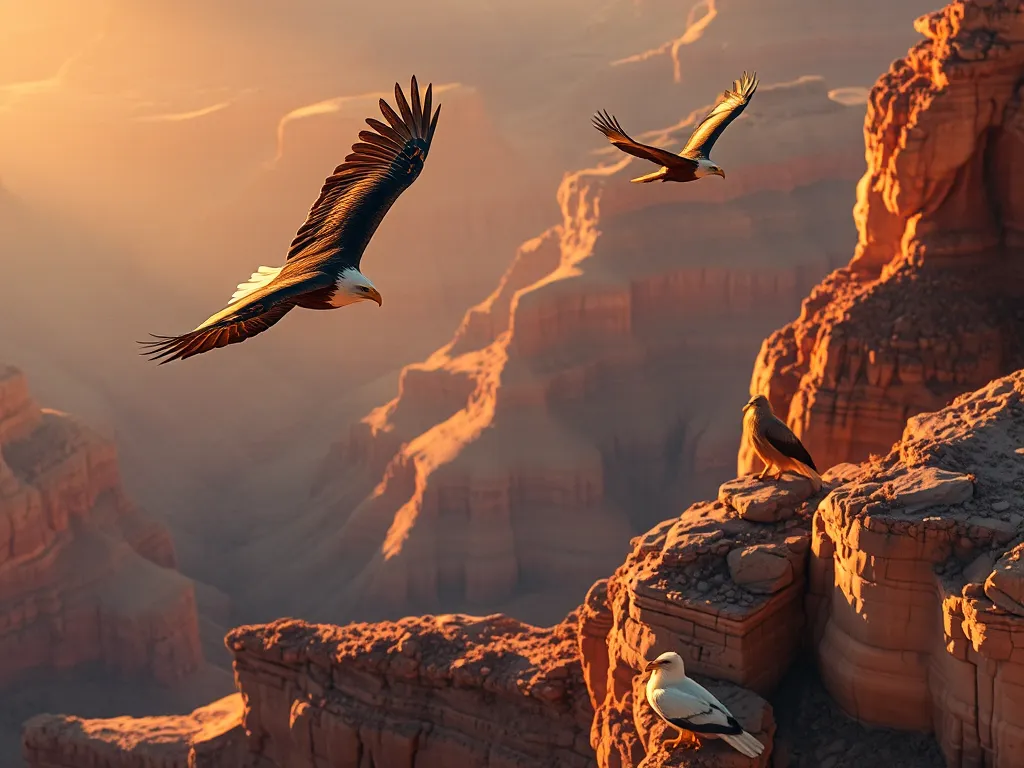
Common Bird Species and Best Viewing Spots
| Bird Species | Best Viewing Locations | Best Time to Spot |
|---|---|---|
| Red-tailed hawks | Throughout the canyon, especially along rim trails | Daytime, soaring on thermal updrafts |
| Ravens | Near the rims and around visitor centers | All day, highly visible year-round |
| Mexican spotted owl | Deep within canyon forests and caves | Nocturnal, rarely seen by visitors |
| Elf owl | Desert areas and canyon walls | Nighttime, very small size |
| California condor | East of the park near the Colorado River | Daytime, often seen soaring |
| Golden eagles | Along canyon rims and cliff faces | Daytime, particularly in spring |
| Peregrine falcons | Steep cliff faces and rock formations | Daytime, fastest bird of prey |
What is the top predator in the Grand Canyon?
Mountain lions represent the apex predators of Grand Canyon National Park, though they are rarely seen by visitors due to their elusive nature. As the largest predators in the ecosystem, these magnificent cats play a crucial role in maintaining the delicate balance of wildlife populations throughout the canyon.
Despite their significant impact on the ecosystem, mountain lions are seldom encountered by park visitors, making any sighting an extraordinary experience. Their presence helps control herbivore populations like mule deer and elk, which in turn affects vegetation patterns and overall ecosystem health. The National Park Service tracks these predators through research and monitoring programs to better understand their distribution and movement patterns within the canyon’s vast wilderness areas.
Mountain lions in the Grand Canyon are known to have large home ranges that can extend for many miles, and they are most active during dawn and dusk when hunting. Their ability to navigate the steep canyon terrain with remarkable agility makes them perfectly adapted to this challenging environment, where they can move between the rim and river levels with surprising ease.
Reptiles, Amphibians, and Safety Considerations
Reptile Species in the Grand Canyon Ecosystem
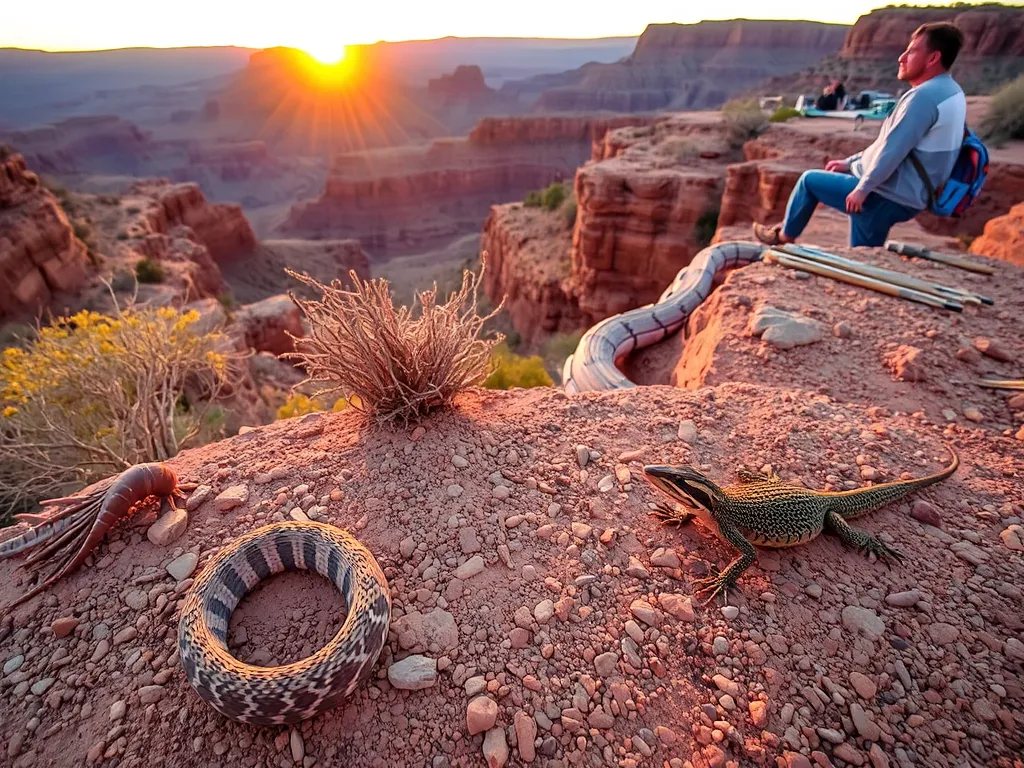
- Grand Canyon rattlesnake is the most common venomous snake, typically found near water sources and rocky outcrops, though it generally avoids human encounters when given space
- Short-horned lizards are often found in desert areas, known for their distinctive horn-like scales and ability to spray blood from their eyes when threatened
- Gila monsters are present but rarely encountered, spending most of their time underground and emerging primarily during the rainy season
- Mule deer and elk are commonly seen throughout the park
- Birds such as ravens and hawks are frequently observed
- Reptiles are seen less frequently but include various lizard species
Venomous Creatures and Safety Guidelines
Grand Canyon National Park is home to several venomous creatures that visitors should be aware of during their exploration. The Grand Canyon rattlesnake is the most common venomous snake, typically found near water sources and rocky areas, though it generally avoids human encounters when given space. Black widow spiders and bark scorpions are also present, though bites are rare.
For safe wildlife viewing, always maintain at least 100 feet away from large animals like elk, which can be particularly aggressive, especially during mating season or when protecting their young. When hiking in rocky areas or near water sources, watch where you step and avoid putting your hands in crevices where snakes might be resting.
Wildlife viewing is most productive at dawn and dusk when animals are most active, particularly near water sources where they congregate to drink. Remember that feeding wildlife is strictly prohibited as it disrupts their natural behavior and can create dangerous situations for both animals and visitors.
When planning your wildlife viewing adventure, consider visiting Wildlife for additional resources on national park wildlife encounters. For those interested in exploring other premier wildlife destinations, check out our guide on the Best Wildlife Watching Spots in Yellowstone National Park by Season, which offers comprehensive information on optimal viewing times and locations. If you’re planning a trip to Montana, our article on When Is the Best Time to Visit Glacier National Park for Wildlife? provides valuable insights into seasonal wildlife patterns in that spectacular ecosystem.
The most surprising aspect of Grand Canyon wildlife is how many species thrive in such an extreme environment, from desert-adapted reptiles to mountain-dwelling mammals. For the best wildlife viewing experience, arrive at the park early in the morning or stay until sunset, bring binoculars, and consider joining a ranger-led nature walk to learn more about the canyon’s remarkable biodiversity.