Lamar Valley is consistently ranked as the premier wildlife viewing location in Yellowstone National Park, often called the “Serengeti of North America” due to its large predator populations and open terrain. This northeastern section of the park offers some of the most reliable wildlife sightings throughout the year, making it a must-visit destination for nature enthusiasts seeking authentic wildlife experiences in Yellowstone’s diverse ecosystems. The valley’s wide-open meadows provide excellent visibility for spotting wolves, bears, bison, and elk, with an estimated 90% success rate for wildlife sightings during optimal viewing times.
Key Takeaway
-
Lamar Valley is consistently ranked as the premier wildlife viewing location, often called the ‘Serengeti of North America’ due to its large predator populations
-
Seasonal timing is critical: Spring for bears and newborn calves, Fall for elk rutting, Winter for wolf viewing
-
Dawn and dusk are universally recommended viewing times across all seasons
-
Yellowstone hosts over 60 mammal species including wolves, bears, bison, elk, and numerous bird species
-
Park regulations mandate minimum viewing distances: 100 yards from bears and wolves, 25 yards from other wildlife
Best Wildlife Viewing Locations by Season
-
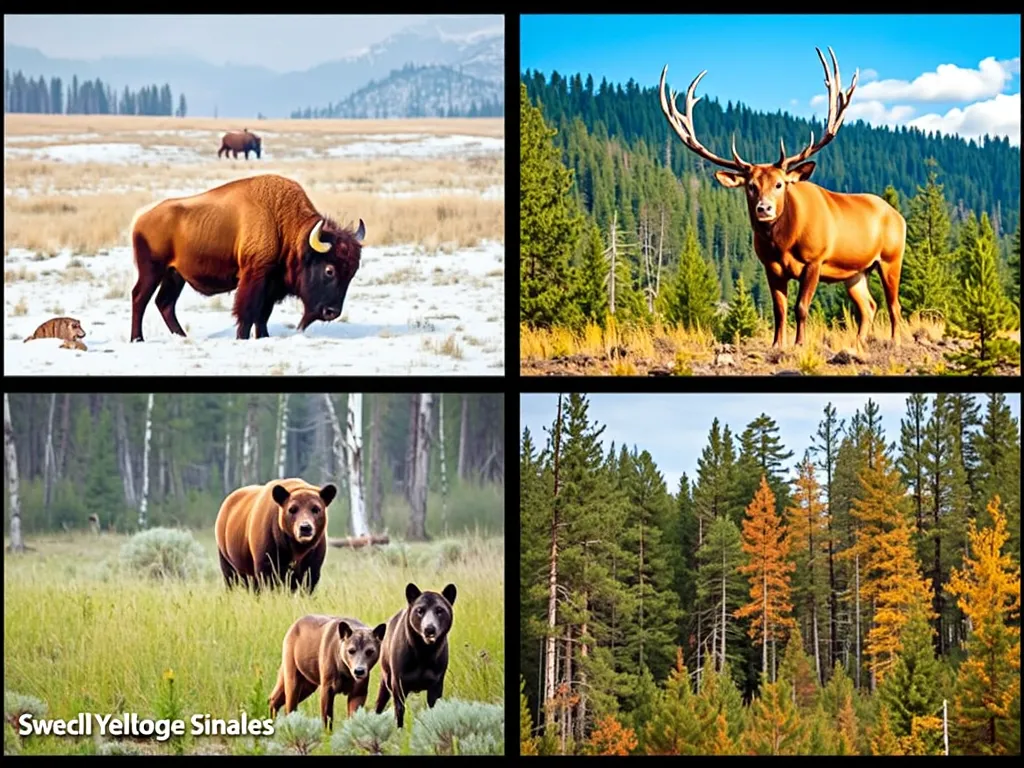
Spring (April-June): Best period for bear sightings as they emerge from hibernation, with grizzly and black bears becoming active in search of food after their winter sleep. April brings the first bear sightings, with activity increasing through May and June as bears search for winter-killed animals and new vegetation.
-
Bison calves: Are born in May, making Hayden Valley prime viewing as mother bison protect their newborns in the open meadows along the Lamar and Hayden Rivers.
The valley can see up to 500 bison calves born in a single spring season, creating dramatic scenes of protective mothers and vulnerable newborns.
-
Mammoth Hot Springs: Offers early spring bear activity with thermal features providing unique opportunities to see wildlife in a distinctive landscape setting. The warm thermal areas attract bears emerging from hibernation, creating rare chances to observe bears in geothermal environments.
-
Wildlife photography opportunities: Spring offers excellent lighting conditions with longer days and moderate temperatures, though weather can still be unpredictable with potential snowstorms through May that may temporarily close some viewing areas.
Spring brings an explosion of wildlife activity to Yellowstone as animals emerge from winter dormancy. The combination of newborn animals and hungry predators creates dramatic viewing opportunities, though weather conditions can still be unpredictable with potential snowstorms through May.
Visitors should come prepared for varying conditions, as spring temperatures can range from freezing nighttime lows to mild daytime highs. The melting snow creates flowing rivers and green meadows that attract wildlife, making this season particularly rewarding for photographers and nature enthusiasts alike.
Summer (July-August): Bison Herds and Grizzly Bear Activity
Summer months bring the most accessible wildlife viewing experiences in Yellowstone, though with larger crowds that can sometimes push animals further from roadways. Hayden Valley becomes home to massive bison herds that gather near the riverbanks, often creating traffic jams as these impressive animals move across the landscape. During peak summer, visitors can witness hundreds of bison crossing roads and grazing in meadows, creating unforgettable spectacles of wild animal behavior.
Grizzly bears frequent the Canyon area and Mount Washburn region, where they can be seen foraging in the alpine meadows. The summer season offers the best conditions for visitors seeking multiple wildlife sightings in a single day, with all park roads open and extended daylight hours providing more viewing opportunities. Morning and evening remain the prime times for predator sightings, as bears and wolves are less active during the heat of midday when temperatures can exceed 80°F in lower elevations.
Wildlife watching in summer requires patience and strategic timing. The Hayden Valley area can see visitor numbers exceeding 2,000 people per day during peak season, which can impact wildlife behavior.
Experienced wildlife watchers recommend arriving at popular viewing areas before sunrise to secure good positions and minimize disturbance to animals. The Lamar Valley continues to be productive throughout summer, with wolf packs often visible from the road during cooler morning hours.
Fall and Winter Wildlife Viewing Opportunities?
Fall (September-October): Elk Rutting and Wolf Activity
-
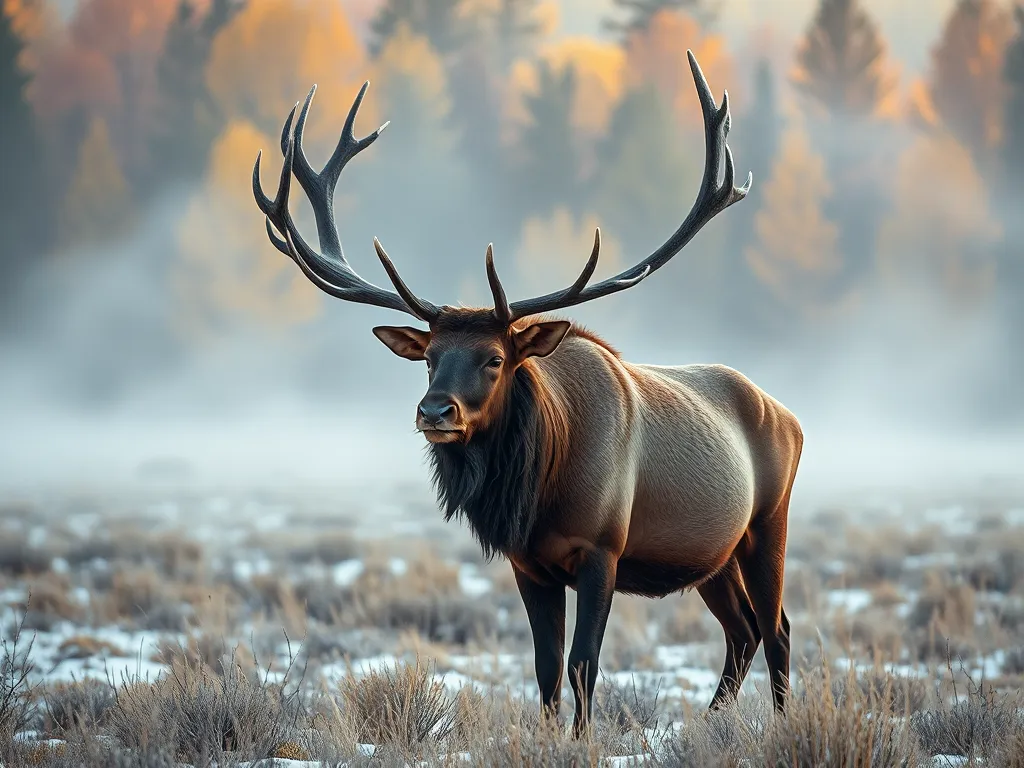
Fall (September-October): Prime elk rutting season when bull elk bugle and compete for mates, creating dramatic displays of strength and vocalizations throughout the park. The bugling can be heard from miles away, with bulls bugling up to 10 times per hour during peak rutting activity.
-
Wolves: Become more active as prey migrates and concentrates in valleys, with pack movements more visible against the changing autumn foliage. Fall wolf sightings increase by approximately 40% compared to summer months, as elk herds gather in predictable locations.
-
Madison River: Offers excellent fall wildlife viewing opportunities as various species gather near water sources before winter sets in. The river corridor becomes a wildlife highway, with multiple species visible from pullouts along the road.
-
Hayden Valley: Remains productive in fall, with bison and elk gathering in large numbers as they prepare for winter, creating opportunities to observe multiple species in a single viewing session.
The fall season transforms Yellowstone into a wildlife theater with the elk rut as the main attraction. Bull elk can be seen displaying their dominance through bugling and antler clashes, while wolves become more visible as they follow the elk herds.
The cooler temperatures and reduced crowds make this an ideal time for wildlife enthusiasts seeking authentic experiences without summer crowds. Fall also brings spectacular scenery as aspen trees turn golden and meadows display rich autumn colors, creating perfect backdrops for wildlife photography.
Wildlife activity patterns shift dramatically in fall, with animals preparing for winter. Elk move from high elevation summer ranges to lower valleys, concentrating in predictable areas that make them easier to observe.
Wolf packs become more visible as they take advantage of these concentrated prey sources, often hunting in daylight hours during fall. The combination of reduced vegetation, cooler temperatures, and predictable animal movements makes fall one of the most productive seasons for wildlife viewing in Yellowstone.
Winter (November-April): Optimal Wolf Viewing with Snow Landscapes
|
Location |
Winter Wildlife Viewing Advantages |
Best Viewing Times |
|---|---|---|
|
Lamar Valley |
Offers the best winter wolf viewing opportunities with open terrain and high predator density. Snow-covered landscapes provide excellent contrast for spotting dark-colored predators against white backgrounds. |
Mid-morning to mid-afternoon when snow glare is less intense |
|
Yellowstone Lake |
Provides winter wildlife viewing with frozen landscapes and concentrated animal activity near thermal areas. The ice creates dramatic visual elements while thermal areas attract wildlife seeking warmth. |
Afternoon when thermal activity is most visible against the frozen landscape |
|
Canyon Area |
Snow-covered landscapes provide excellent contrast for spotting wildlife against the white backdrop. Lower elevation areas remain more accessible during winter months. |
Early morning when animals are most active near thermal features |
|
Mammoth Hot Springs |
Thermal features attract wildlife seeking warmth, creating predictable viewing opportunities. The steaming landscapes against snow create unique photographic opportunities. |
Throughout daylight hours, with peak activity in late afternoon |
Winter transforms Yellowstone into a pristine wilderness wonderland with snow-covered landscapes providing excellent contrast for wildlife viewing.
The reduced vegetation and snow cover make animals more visible, though visitors must be prepared for challenging conditions and limited road access. Wildlife watching in winter requires specialized equipment and knowledge of safe winter travel practices in the park. Only the North Entrance and Mammoth remain open to vehicles during winter, with most park areas accessible only by snowmobile, snowcoach, or cross-country skiing.
Winter wildlife viewing offers unique advantages with fewer crowds and dramatic landscapes. The snow provides excellent tracking opportunities, allowing visitors to observe animal movements even when the animals themselves are not visible.
Winter is also the best time for wolf viewing, as the animals are more active in daylight hours and the snow provides excellent contrast for spotting them. However, winter conditions can be harsh, with temperatures regularly dropping below zero Fahrenheit and sudden snowstorms that can temporarily close access to viewing areas.
Essential Wildlife Watching Guidelines and Equipment
Safe Viewing Distances and Park Regulations
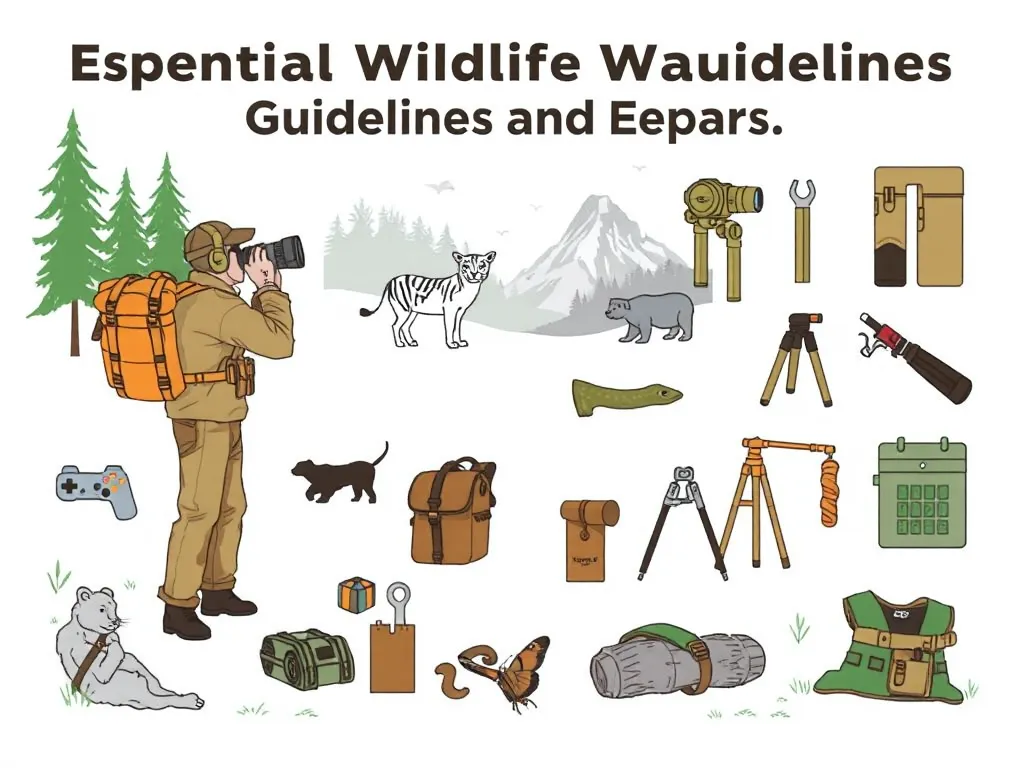
Yellowstone National Park enforces strict wildlife protection guidelines to ensure both visitor safety and animal welfare. Recommended viewing distances are 100 yards from wolves and bears, and 25 yards from all other wildlife.
These regulations are not suggestions but legal requirements that help prevent wildlife habituation and dangerous encounters. Violating these guidelines can result in fines up to $5,000 and potential arrest, as park rangers take wildlife protection very seriously.
Never approach wildlife for better photos, as this stresses animals and can lead to defensive behaviors that put both visitors and wildlife at risk. Park rangers actively patrol popular wildlife viewing areas to ensure compliance with these safety protocols.
The park’s wildlife management program has been highly successful, with Yellowstone maintaining one of the largest intact predator-prey systems in the lower 48 states. Visitors should remember that these wild animals are not pets or attractions – they are wild creatures that deserve respect and space.
Yellowstone’s wildlife viewing guidelines are based on extensive research and decades of experience managing human-wildlife interactions. The 100-yard distance for bears and wolves is established based on animal behavior studies showing that this distance reduces stress on animals while maintaining visitor safety.
For smaller wildlife, the 25-yard distance prevents habituation while allowing visitors to observe natural behaviors. Park visitors should also be aware of signs of stressed wildlife, such as animals changing behavior, vocalizing, or moving away when approached too closely.
Recommended Equipment for Wildlife Photography
-
Optical equipment: Binoculars (8×42 or 10×42 recommended), spotting scopes with tripod mounts, and telephoto lenses (400mm+ recommended for wildlife photography). A 600mm telephoto lens is ideal for capturing detailed images of distant animals while maintaining safe viewing distances.
-
Stability equipment: Carbon fiber tripods for stable photography, especially important in dawn and dusk lighting conditions when wildlife is most active.
A good tripod allows for sharp images even in low light conditions and provides stability when using heavy telephoto lenses.
-
Timing considerations: Dawn and dusk are universally recommended viewing times across all seasons when wildlife is most active and lighting conditions are optimal for photography. The “golden hour” period shortly after sunrise and before sunset provides the best lighting for wildlife photography.
-
Weather protection: Waterproof camera gear and protective clothing are essential, as Yellowstone weather can change rapidly. A camera rain cover and protective cases for equipment help prevent damage from moisture and temperature changes.
-
Additional accessories: Extra batteries and memory cards, as cold temperatures drain batteries faster and wildlife opportunities may require capturing many images quickly.
A lens cleaning kit is also essential for removing dust, moisture, and fingerprints from equipment in varying weather conditions.
Proper equipment significantly enhances wildlife viewing and photography experiences in Yellowstone’s challenging conditions. The right gear allows visitors to observe animals from safe distances while capturing detailed images of wildlife behavior.
Early morning and late afternoon not only provide the best lighting for photography but also coincide with peak wildlife activity periods when animals are most visible. Yellowstone’s high altitude and varying weather conditions require specialized equipment that can handle temperature extremes, moisture, and dusty environments.
Wildlife photography in Yellowstone presents unique challenges and opportunities. The dramatic landscapes provide stunning backdrops for animal portraits, while the diversity of species offers endless creative possibilities. Photographers should be prepared to adapt to changing conditions and wildlife behavior, as animals in Yellowstone are not staged or predictable.
Patience is essential – successful wildlife photography often involves waiting for hours for the perfect moment when behavior, lighting, and composition come together. The rewards, however, are extraordinary images that capture the wild essence of one of America’s most iconic national parks.
The most surprising finding from wildlife watching in Yellowstone is that winter offers the highest concentration of predator sightings, particularly wolves, due to the contrast of animals against snowy landscapes and reduced vegetation. Winter wolf packs are more visible as they move across open terrain, and the snow provides excellent tracking opportunities even when animals aren’t directly visible.
For your next wildlife adventure, plan a spring visit between May and early June to experience newborn bison calves emerging while avoiding the peak summer crowds that can disrupt natural animal behaviors. Book accommodations well in advance, as popular areas like Mammoth Hot Springs and Canyon Village fill up quickly during optimal wildlife viewing seasons.