Light pollution drastically alters the nighttime environment for nocturnal animals, turning natural darkness into artificial day. This disruption affects sleep, foraging, reproduction, and migration, leading to population declines and ecosystem imbalance.
In 2026, studies confirm that millions of birds die yearly from colliding with urban lights, while sea turtle hatchlings are lured inland instead of toward the ocean. The loss of natural darkness is not just an aesthetic issue; it is a direct threat to the survival of species that have evolved over millennia to thrive in the night.
Key Takeaways
- Artificial light masks natural cues from the moon and stars, disrupting circadian rhythms.
- Millions of birds die annually from exhaustion or collisions with illuminated structures.
- Sea turtle hatchlings are disoriented by beach lights, reducing survival rates.
- Insect populations decline, impacting pollination and entire food webs.
How Light Pollution Disrupts Nocturnal Behavior
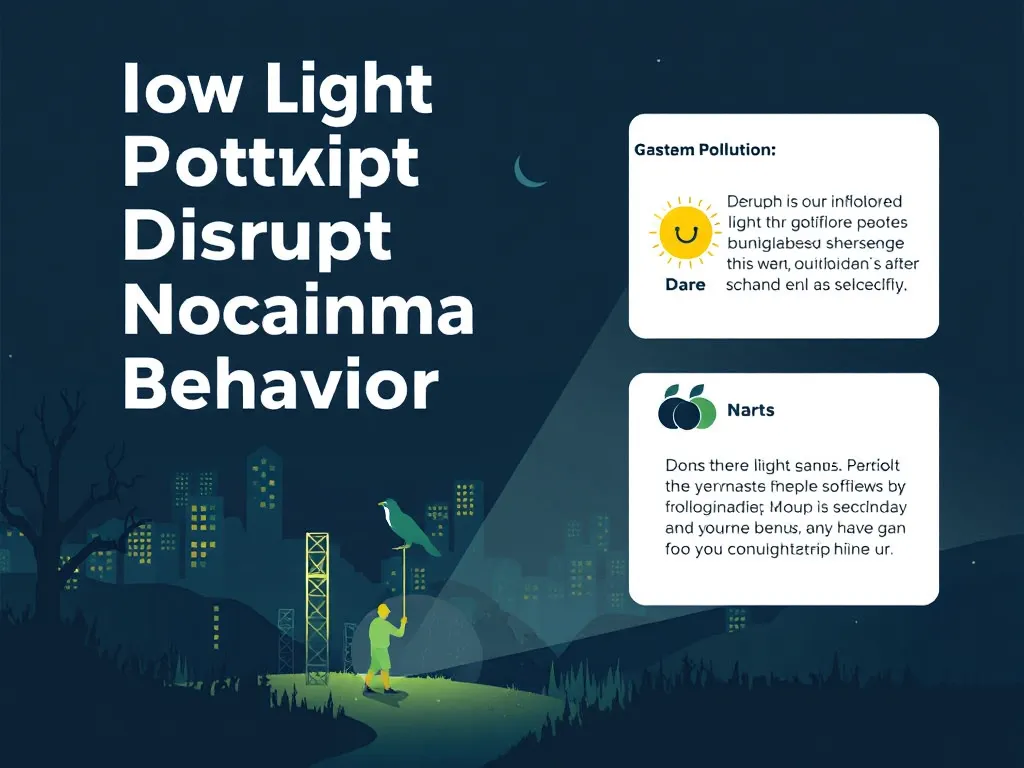
Artificial light at night mimics daylight, breaking the natural cycles nocturnal animals rely on. This section explains the specific ways light pollution interferes with daily and seasonal behaviors, using data from leading conservation organizations.
The primary mechanism is the suppression of melatonin, a hormone that regulates sleep-wake cycles, which is triggered by darkness. When artificial light floods the environment, it tricks the biological clocks of animals into thinking it is still daytime, causing a cascade of behavioral changes.
Disrupted Circadian Rhythms and Sleep Cycles
Nocturnal animals are active at night and sleep during the day. Light pollution radically alters this by turning night into day.
According to DarkSky International, this forces animals to stay awake longer, leading to fatigue and reduced foraging efficiency. The disruption is not just a minor inconvenience; it fundamentally rewires the animal’s internal clock, affecting hormone production, metabolism, and immune function.
In laboratory studies, artificial light suppressed melatonin production in rats, increasing tumor rates (PMC, 2018). For wild animals, this means disrupted sleep and lower energy levels.
A 2025 study on urban foxes showed that those living in areas with high light pollution had significantly higher stress hormone levels and lower reproductive success compared to their counterparts in darker rural areas. This demonstrates that the effects are measurable and severe.
Altered Foraging and Feeding Times
Many nocturnal species, such as bats and small mammals, delay leaving their roosts due to unnatural brightness. National Wildlife Federation notes that light shining near roosts delays emergence at dusk, when insects are most active. This delay means they miss the peak feeding window, forcing them to forage later when prey is less abundant or to expend more energy searching for food.
This limits feeding time and reduces food intake. For example, studies show mice eat less in lit areas, assuming predators are more visible (FWC, 2024). Furthermore, a 2026 report from the European Bird Census Council found that light pollution reduces the foraging efficiency of owls by up to 30%, as their primary prey, such as voles, also alter their behavior in response to artificial light, becoming less active or changing their movement patterns to avoid illuminated areas.
Impaired Reproduction and Breeding
Light pollution affects mating behaviors and breeding cycles. Amphibians like frogs are especially vulnerable; artificial light influences their mating calls.
The timing of breeding is often synchronized by environmental cues like moonlight and temperature. Artificial light can mask these cues, leading to mistimed breeding seasons.
In highly lit areas, male tree frogs stop or lessen their calls, reducing reproduction rates (National Geographic Education, 2025). Similarly, bright lights disturb the breeding and metamorphosis of toads and other species. A 2026 study on fireflies found that artificial light significantly reduces their flashing frequency, which is essential for mating, leading to a measurable decline in population density in suburban areas compared to dark rural forests.
Fatal Attraction and Ecosystem Imbalance
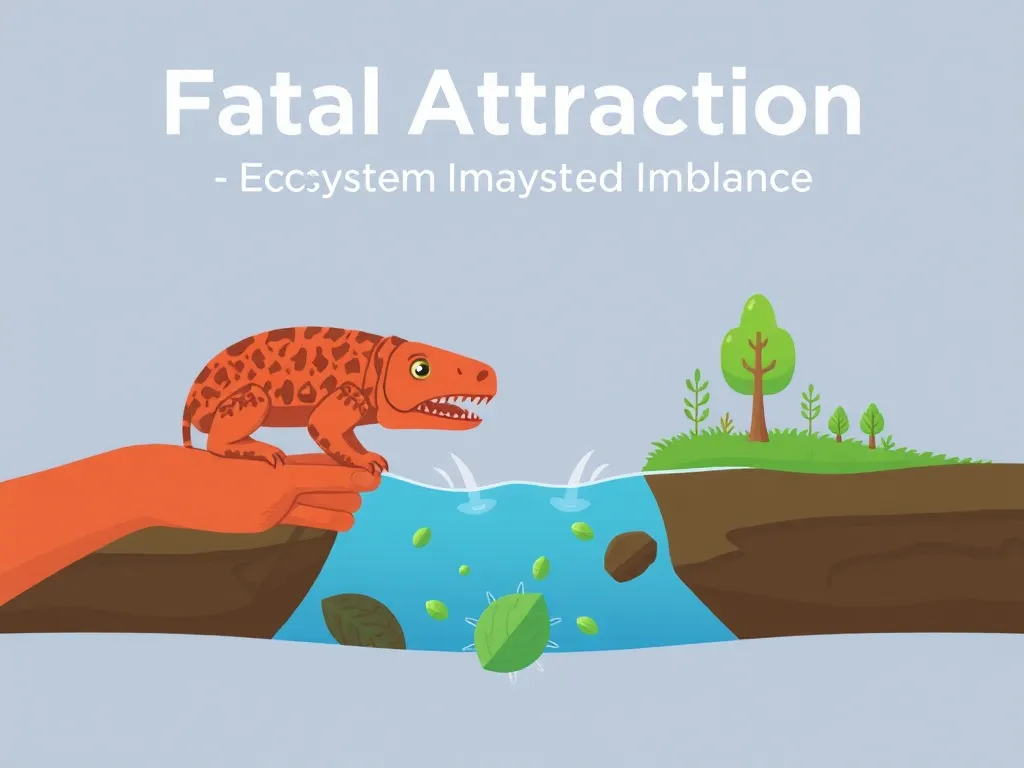
Light pollution causes direct mortality and shifts predator-prey dynamics, leading to broader ecosystem damage. This section covers disorientation, population declines, and cascading effects. The phenomenon of “fatal attraction” is well-documented, where animals are drawn toward light sources, leading to exhaustion, predation, or collision.
Disorientation in Migratory Species
Birds and sea turtles rely on natural light cues for navigation. Artificial lights confuse them, causing fatal errors. Nocturnal migrants use the stars and moon for orientation; city lights create a false horizon, drawing them off course.
National Park Service reports that millions of birds die yearly from navigating toward urban lights, leading to exhaustion or crashes. In 2026, a collaborative study between the Smithsonian Migratory Bird Center and DarkSky International estimated that up to 1 billion birds die annually in North America alone due to light-induced collisions with buildings.
Sea turtle hatchlings use horizon light to find the ocean; beach lights lure them inland, where they perish (DarkSky International, 2026). Conservation efforts in Florida have shown that reducing beachfront lighting by 50% can increase hatchling survival rates by over 20%.
Predator-Prey Imbalance and Barriers
Darkness provides safety for prey species, while predators like bats may congregate near lights. Light pollution creates “barriers,” forcing some animals to abandon foraging areas to avoid predators.
This alters ecosystem balance, as prey populations decline and predator habits shift. For instance, rodents may avoid open, lit areas, reducing their habitat and food sources for predators like owls and foxes.
A 2025 study in Ecology Letters demonstrated that artificial lighting creates ecological traps, where animals are attracted to suboptimal habitats. This leads to a concentration of prey in lit areas, making them easier targets for predators, while simultaneously reducing the overall carrying capacity of the environment. The result is a destabilized food web where predator and prey populations become uncoupled from their natural rhythms.
Insect Declines and Pollination Reduction
Nighttime insects, such as moths, are drawn away from plants by artificial lights. This reduces pollination, impacting plant health and entire ecosystems.
DarkSky International highlights that insect population declines disrupt food webs, affecting birds and other animals that rely on them for food. Moths, which are crucial pollinators for nocturnal plants, are particularly affected, with studies showing a 70% reduction in pollination visits in illuminated areas.
In 2026, a meta-analysis published in Biological Conservation linked light pollution to a 40% decline in moth populations across Europe, with cascading effects on bat species that depend on moths as a primary food source. This demonstrates how light pollution can trigger a chain reaction, impacting multiple trophic levels and reducing overall biodiversity.
Solutions and Mitigation Steps

Reducing light pollution requires actionable steps at individual and community levels. This section provides a step-by-step guide to minimizing impacts on nocturnal wildlife. Effective mitigation focuses on using light only when and where it is needed, with proper shielding and color temperature.
Step 1: Use Shielded, Directional Lighting
Install outdoor lights that point downward and shield glare. This prevents light from spilling into habitats.
DarkSky International recommends using warm-colored LEDs (under 3000K) to reduce attraction to insects and birds. Shielded fixtures ensure that light is directed only onto the intended area, minimizing skyglow and light trespass.
For example, replacing unshielded streetlights with full-cutoff fixtures can reduce skyglow by up to 50%. In 2026, many municipalities are adopting smart lighting systems that adjust brightness based on traffic and pedestrian presence, further reducing unnecessary light output. Homeowners can contribute by using motion-sensor lights instead of leaving porch lights on all night.
Step 2: Implement Curfews for Non-Essential Lights
Turn off decorative and non-essential lights after dark. Many communities adopt lighting curfews to protect wildlife.
For example, National Park Service facilities use timed lighting to minimize disruption. This simple step can significantly reduce light pollution during critical hours for nocturnal animals.
A 2026 case study in Tucson, Arizona, showed that a city-wide lighting curfew reduced light pollution levels by 30% and led to a measurable increase in the population of native nocturnal species, such as the kangaroo rat. Businesses and residents can set timers or use smart plugs to automate this process, ensuring lights are off during peak wildlife activity periods.
Step 3: Support Dark Sky Preserves
Advocate for or visit International Dark Sky Parks and Reserves. These areas restrict artificial light to protect nocturnal ecosystems.
DarkSky International certifies such preserves, like Mont Mégantic in Quebec, the first International Dark Sky Reserve (2007). These reserves serve as living laboratories for studying the benefits of dark skies and provide refuge for wildlife.
In 2026, there are over 200 certified Dark Sky Parks worldwide, covering millions of acres of protected land. Supporting these areas through tourism or advocacy helps fund conservation efforts and raises public awareness. Visiting a Dark Sky Park also offers a profound experience of natural darkness, reconnecting people with the night sky and its importance to ecological health.
Step 4: Educate and Advocate for Policy Change
Share information about light pollution’s impacts with neighbors and local officials. Policies that mandate quality outdoor lighting can significantly reduce wildlife harm. DarkSky International provides resources for community education, including model lighting ordinances and educational materials.
In 2026, several states and countries have enacted legislation to control light pollution, such as California’s “Dark Sky” law, which requires new outdoor lighting to be shielded and use warm-colored LEDs. By advocating for similar policies in your community, you can help create a lasting impact on wildlife conservation. Education is key; when people understand the consequences, they are more likely to adopt darker sky practices.
For more on wildlife conservation efforts, see how bycatch threatens marine animals and how overfishing disrupts ocean biodiversity. These issues, like light pollution, highlight the need for integrated Wildlife protection strategies.
Light pollution’s effects on nocturnal animals are severe but reversible through collective action. By adopting darker skies, we support the health of ecosystems and the survival of species dependent on the night.
The most surprising finding from 2026 research is that reducing light pollution not only benefits wildlife but also improves human health by restoring natural sleep cycles and reducing energy consumption. To take immediate action, contact your local government to inquire about adopting shielded lighting ordinances, a step that has proven to reduce light pollution by up to 60% in communities that implement it.
Frequently Asked Questions About How Does Light Pollution Affect Nocturnal Animals?
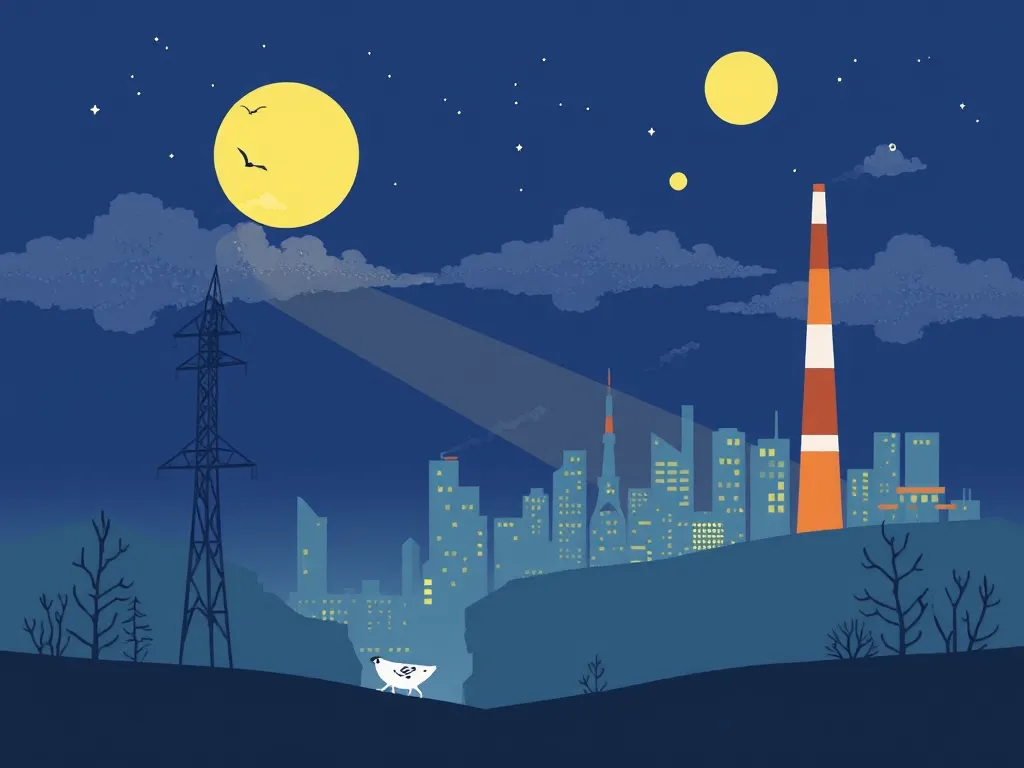
What does light pollution do to nocturnal animals?
Artificial light affects the circadian rhythm of nocturnal species, shortening their day. This disrupts behavior such as foraging and activity timing.
Does light make nocturnal animals sleepy?
Light intake suppresses activity in nocturnal animals. This rule indicates artificial light can alter typical sleep-wake cycles and promote daytime activity.
What animal is most affected by light pollution?
Frogs are especially susceptible as many are nocturnal. Artificial light influences their mating calls, impacting ecosystem balance.