Flamingos stand on one leg primarily to conserve body heat and reduce muscle fatigue, using a unique “passive locking mechanism” in their joints. By tucking one leg into their feathers, they minimize heat loss from their long limbs, a key survival advantage in cold water.
- Flamingos lose significant body heat through their legs; tucking one in reduces exposure to cold water and air.
- Research shows flamingos can lock their leg joints to support body weight without muscle activity, making one-legged standing more efficient.
- Alternating legs helps reduce muscle fatigue, allowing flamingos to stand for long periods.
What is the real reason flamingos stand on one leg?
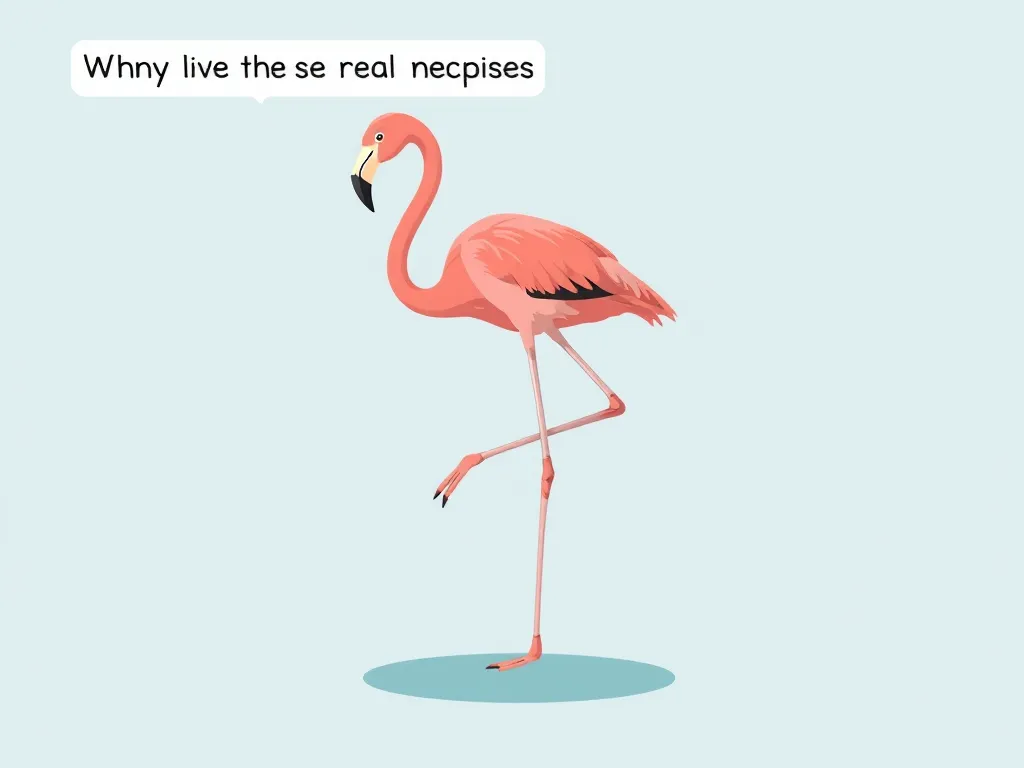
The primary reason is thermoregulation, or heat conservation. A significant portion of a flamingo’s body heat is lost through its legs.
By pulling one leg up close to their body and tucking it into their feathers, they reduce the surface area exposed to cold water and air. According to the Smithsonian (2015), this behavior helps them conserve heat that might otherwise be lost while standing in cold water.
How does heat loss affect flamingos?
Flamingos often wade in cool or cold water, which conducts heat away from the body faster than air. Keeping one foot out of the water prevents faster body cooling. This adaptation is critical for survival in their natural habitats.
Why is the passive locking mechanism important?
Research indicates that flamingos can lock their leg joints to support their body weight without active muscle use. This “passive locking” makes standing on one leg more efficient, and even less tiring, than standing on two. The mechanism allows them to rest while remaining alert to predators.
Do flamingos alternate legs?
Yes, flamingos frequently switch legs to reduce muscle fatigue. By alternating, they avoid overworking one leg, which is essential for long periods of standing or resting in water. This behavior supports their ability to feed and rest simultaneously.
How does the one-legged stance help with survival?

Standing on one leg provides a survival advantage by allowing flamingos to remain in the water to feed for longer periods. It combines heat conservation with energy efficiency, enabling them to stay vigilant and ready to move quickly if threatened.
Does this stance reduce muscle fatigue?
Studies show that flamingos resting on one leg take longer to initiate forward movement compared to when they rest on two legs. This suggests the one-legged stance is a relaxed, energy-saving posture. According to Britannica (2026), standing on one leg helps reduce muscle fatigue, allowing flamingos to move more quickly when predators are near.
Is the behavior linked to sleeping?
Flamingos often sleep while standing on one leg. The more tired they get, the more likely they are to lift a leg. This pose is comfortable and automatic, providing rest without compromising alertness.
What role does water play in this behavior?
Water conducts heat away from the body faster than air. By keeping one foot out of the water, flamingos minimize heat loss. This is especially important in cooler environments where maintaining body temperature is critical for energy conservation.
Why do flamingos sometimes stand on both legs?
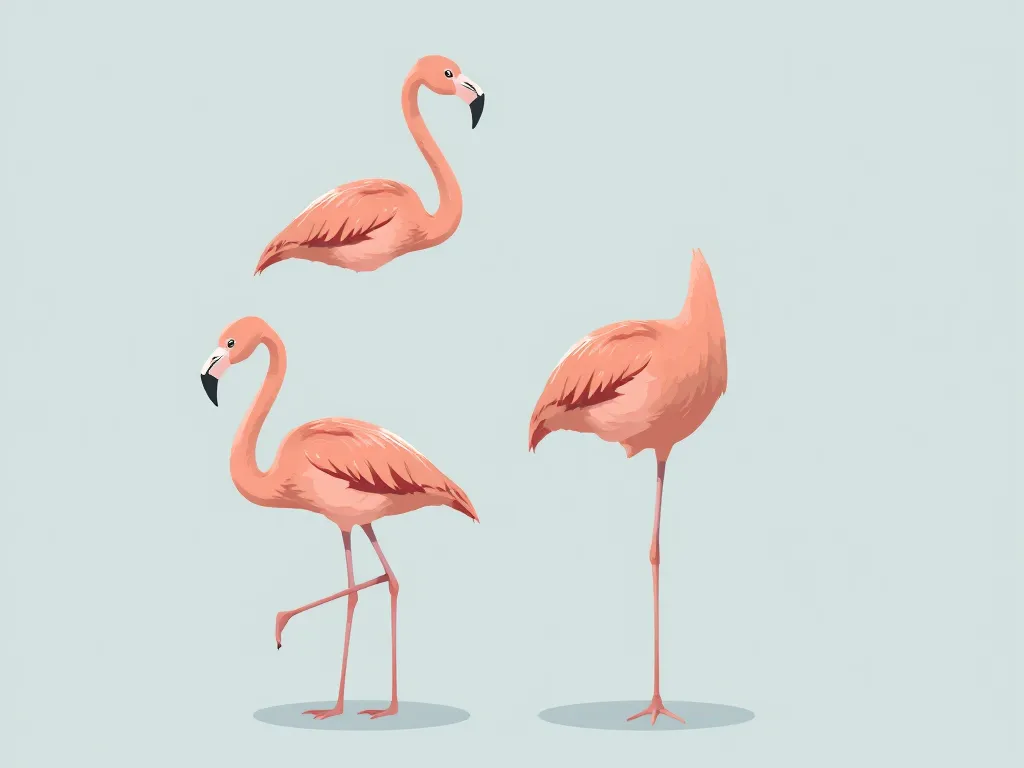
Flamingos stand on both legs when eating or when the environment is warmer. The one-legged stance is primarily for thermoregulation and energy saving in cooler conditions. In warmer weather, heat conservation is less critical, so they may use both legs for balance while feeding.
How long can flamingos stand on one leg?
Flamingos can stand on one leg for extended periods, sometimes hours or even overnight while sleeping. Their passive locking mechanism allows them to maintain this stance with minimal effort, making it a sustainable behavior.
Do all flamingo species exhibit this behavior?
Yes, all flamingo species are known to stand on one leg. This behavior is a shared trait across the family Phoenicopteridae, supported by their similar physiology and habitats.
Can flamingos stand on one leg on land?
While more common in water, flamingos can also stand on one leg on land. The primary drivers—heat conservation and energy efficiency—still apply, though the effect is less pronounced in warmer air.
What other factors influence this behavior?
Beyond thermoregulation, the one-legged stance may also help with balance and predator avoidance. However, the main reasons remain heat conservation and reduced muscle fatigue, as supported by scientific research.
Is there a connection to bird physiology?
Flamingos are warm-blooded birds with unique adaptations. Their long legs are efficient for wading but also prone to heat loss. The one-legged stance is an evolutionary response to this challenge, similar to other birds that tuck feet to conserve heat.
How does this relate to broader wildlife patterns?
Many birds and animals exhibit behaviors for thermoregulation. Flamingos’ one-legged stance is a specific example of how wildlife adapts to environmental pressures. For more on animal adaptations, see how some animals hibernate while others don’t in our related article on why some animals hibernate.
What can we learn from flamingo behavior?
Flamingos demonstrate how efficient energy use and heat management are critical for survival. Their passive locking mechanism is a remarkable example of evolutionary design, allowing them to thrive in challenging habitats.
For more fascinating insights into wildlife, explore how dolphins sleep without drowning using their unihemispheric secret at how dolphins sleep without drowning.
To understand predator detection in the ocean, read about how sharks detect blood from miles away. Visit our main site for more on Wildlife conservation and research.