Animals hibernate to survive harsh winters, food shortages, and low temperatures by entering a deep, energy-saving metabolic state. In 2026, researchers continue to study how this biological mechanism allows specific wildlife to live off stored body fat while others remain active. The decision to hibernate depends on food availability, physical adaptations, and environmental triggers like shorter days and colder weather.
- Hibernation reduces metabolism to a minimum, letting animals survive months without eating.
- Groundhogs experience a heart rate drop from 80 to 5 beats per minute during hibernation.
- Some animals avoid hibernation by migrating, storing food, or using physical adaptations like thick fur.
Hibernation is a survival strategy for wildlife that lack a reliable winter food source. According to Ducks Unlimited Canada (2023), hibernation allows animals to bypass periods when food becomes scarce. Non-hibernators, such as wolves and deer, have evolved different methods to locate food or withstand cold temperatures without entering a dormant state.
Food Scarcity Triggers Hibernation in Many Species
When food like insects or plants becomes unavailable in winter, hibernators such as groundhogs, bats, and chipmunks rely on stored body fat. This adaptation is critical for species that cannot migrate or find alternative food sources. The process is triggered by decreasing day length and hormonal changes that signal the need to conserve energy.
Energy Conservation Through Metabolic Reduction
Hibernation functions to conserve energy when sufficient food is not available. An endothermic animal decreases its metabolic rate and body temperature to achieve this energy saving.
According to the National Park Service (2021), hibernation may last days, weeks, or months depending on species and ambient temperature. Before entering hibernation, animals must store enough energy to last through the dormant period, possibly as long as an entire winter.
Physical Adaptations of Non-Hibernators
Some animals, like wolves or deer, are adapted to locate food in winter or have thick fur to survive cold temperatures without falling into a deep sleep. Larger animals often do not hibernate because they retain heat more efficiently and can survive on stored fat while remaining active. This body size advantage allows them to stay mobile and forage when conditions permit.
Migration and Food Storage Alternatives
Birds and some mammals choose to travel to warmer climates where food is plentiful rather than waiting out the cold. Other animals, like squirrels, store food in the fall to eat during winter, eliminating the need for full hibernation. These strategies highlight the diversity of survival mechanisms in the animal kingdom.
How Does Hibernation Work in Wildlife?
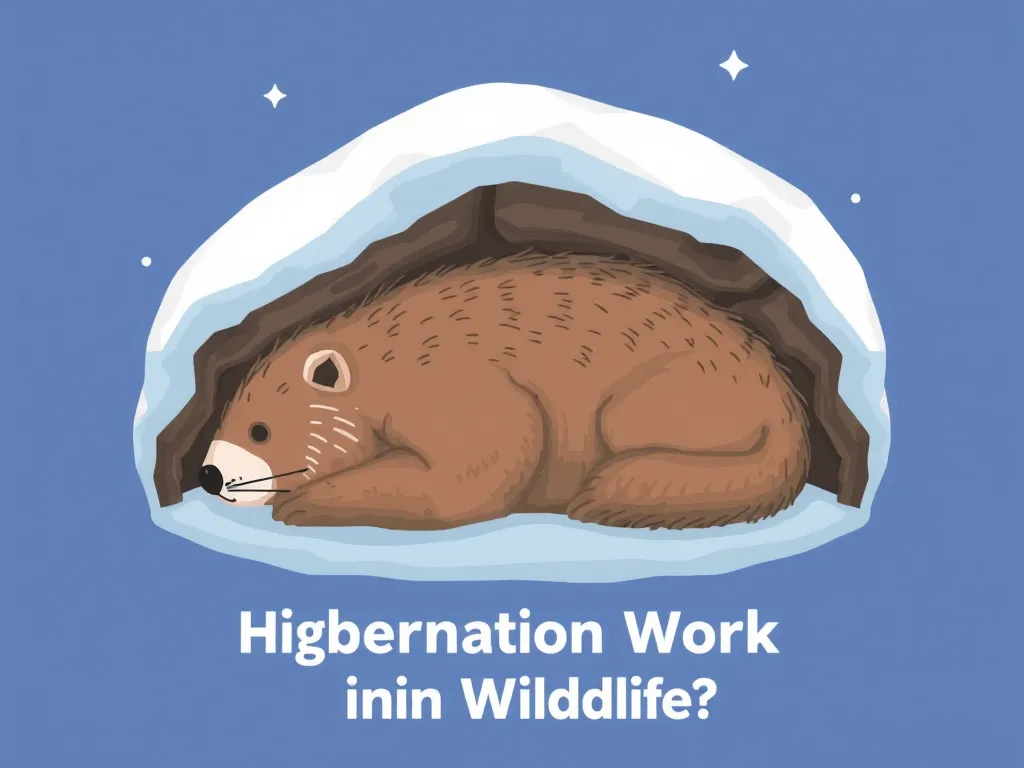
Hibernation is a state of minimal activity and metabolic reduction entered by some animal species. It is characterized by low body temperature, slow breathing, and a reduced heart rate. The process allows animals to pass through winter months while conserving vital energy reserves.
Metabolic Changes and Body Temperature
During hibernation, an animal’s body temperature, heart rate, breathing, and other metabolic activities slow down significantly. The San Diego Zoo Wildlife Alliance (2025) notes that hibernation helps animals survive months when food is scarce. Some species, like the Arctic ground squirrel, can lower their body temperature by 5° to 10°C (9° to 18°F) to maximize energy savings.
Heart Rate and Breathing Slowdown
The groundhog heart rate drops from 80 to 5 beats per minute during hibernation, a key physiological change that conserves energy. This drastic reduction in heart rate and breathing allows animals to live off stored fat without needing to eat. The process is triggered by environmental cues such as shorter days and colder weather.
Types of Hibernators and Dormancy States
True hibernators like bats, chipmunks, and hedgehogs experience extreme drops in heart rate and temperature. Bears are considered “shallow” hibernators because their body temperatures do not drop drastically and they can be roused quickly, according to the National Park Service (2021). Reptiles and amphibians enter a similar state known as brumation, as noted by the San Diego Zoo Wildlife Alliance (2025).
Human Hibernation Possibility in 2026
Will human hibernation ever be possible? Although it is not possible for humans to hibernate right now, scientists are looking for a way to put humans in a type of hibernation or stasis for long periods.
This research would be especially helpful for astronauts during deep space exploration, reducing the need for food and oxygen. Current studies focus on metabolic suppression techniques similar to those used by wildlife.
What Survival Strategies Do Non-Hibernators Use?
Non-hibernators employ various strategies to survive winter without entering a dormant state. These include migration, food storage, and physical adaptations that allow them to remain active in cold conditions.
Migration to Warmer Climates
Many bird species and some mammals migrate to warmer regions where food is abundant. This strategy avoids the need to conserve energy through hibernation. Migration is a common survival mechanism for animals that can travel long distances to escape harsh winter conditions.
Food Storage and Foraging Techniques
Animals like squirrels and chipmunks store food during the fall to consume during winter. This behavior eliminates the need for full hibernation, as they can access cached food reserves. Some species also forage actively, adapting their diet to available winter resources.
Physical Adaptations for Cold Weather
Larger animals, such as deer and wolves, have thick fur and efficient heat retention that allow them to stay active. These adaptations reduce the need for hibernation by enabling them to withstand cold temperatures and locate food. The Wikipedia entry on hibernation notes that larger species become hyperphagic, eating large amounts of food to store energy as fat deposits.
Safety from Predators During Hibernation
Hibernation allows animals to remain hidden from predators. Species like hedgehogs and bats have evolved to hide away when food is gone, rather than migrating or freezing. This safety aspect is a key benefit of entering a dormant state during winter months.
Conclusion
In 2026, understanding why some animals hibernate while others don’t reveals the diverse survival strategies in wildlife. From metabolic reduction to migration, each species adapts to winter challenges based on its biology and environment. For more insights into animal behavior, explore our articles on how dolphins sleep without drowning and why flamingos stand on one leg.
Learn about how elephants communicate using infrasound and touch. Visit Wildlife for more biodiversity content.