Symbiosis describes a close, prolonged association between different biological species. Derived from the Greek for “living together,” it explains how organisms coexist for mutual benefit, one-sided gain, or at the expense of another. These partnerships are essential to ecosystems, shaping evolution and enabling survival in harsh environments.
What Are the Main Types of Symbiosis?
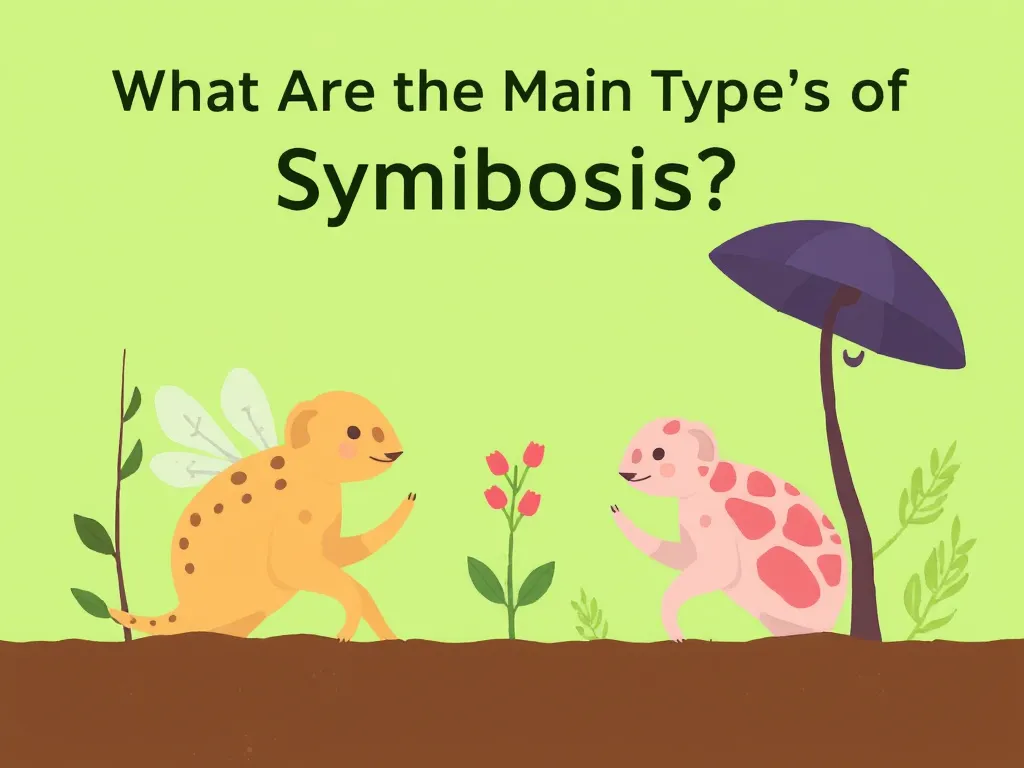
Symbiosis is not a single relationship but a spectrum of interactions. The three primary types define how species interact based on who benefits and who is affected.
What Is Mutualism in Symbiotic Relationships?
Mutualism is a relationship where both species benefit. This “win-win” interaction is common in nature. For example, clownfish and sea anemones protect each other, while bees and flowering plants exchange food for pollination.
According to the U.S. Fish & Wildlife Service (2025), mutualism is vital for ecosystem function, enabling species to colonize new environments.
What Is Commensalism in Animal Partnerships?
Commensalism occurs when one species benefits while the other is largely unaffected. A classic example is the remora fish attaching to sharks for transport and food scraps, without harming the shark. This relationship allows the remora to thrive without impacting its host.
What Is Parasitism in Nature?
Parasitism benefits one species at the expense of another. Tapeworms in mammals are a common example, where the parasite consumes nutrients from the host, often causing harm. While not a partnership in the traditional sense, parasitism is a key part of the symbiotic spectrum.
7 Animal Partnerships That Defy Logic
Here are seven surprising symbiotic relationships from the research data, showcasing how species collaborate in unexpected ways.
Colombian Tarantulas and Humming Frogs
The massive Colombian lesserblack tarantula forms an unlikely alliance with the tiny dotted humming frog. Instead of eating the frog, the tarantula acts as a bodyguard, protecting it from predators.
In return, the frog eats ants and insects that would otherwise devour the tarantula’s eggs. This mutualism defies the typical predator-prey dynamic.
Egyptian Plover and Nile Crocodile
These puny wading birds fly into the open, deadly mouths of Nile crocodiles to feed on rotting meat stuck between their teeth. The crocodile gains a free “dental checkup,” while the plover gets a high-protein meal. This commensalism-like interaction is a classic example of species working together for survival.
Pistol Shrimp and Goby Fish
The almost blind pistol shrimp is a fantastic digger but a poor hunter, while the Goby fish has excellent eyesight but cannot dig. They share a burrow: the Goby acts as a lookout for danger, using its tail to signal the shrimp, while the shrimp provides a safe, comfortable home for both. This mutualism increases survival chances for both species.
Honeyguides and Humans
In Africa, the greater honeyguide bird leads humans to wild beehives with specialized calls. After humans use smoke to subdue the bees, the bird feasts on the honeycomb, larvae, and beeswax leftovers it cannot reach alone. This partnership, documented by National Geographic (2023), shows how humans and wildlife can collaborate for mutual gain.
Coyotes and Badgers
These predators work together to hunt prairie dogs. The coyote chases prey above ground, while the badger digs them out from below.
Research shows this partnership increases their hunting success by 33%. This mutualism is a striking example of cross-species cooperation in the wild.
Woolly Bats and Pitcher Plants
In Borneo, the Nepenthes hemsleyana pitcher plant grows in nutrient-poor soil. It acts as a bedroom for tiny woolly bats, which roost inside the pitcher during the day.
In return, the bat deposits nutrient-rich droppings (guano) that fertilize the plant. This mutualism helps both species thrive in challenging environments.
Boxer Crabs and Sea Anemones
Boxer crabs take personal protection a step further by grabbing stinging sea anemones and attaching them to their claws. They use these venomous “pompoms” to deter predators, while the anemones eat the scraps of food from the crab’s meals. This mutualism showcases creative survival strategies in the ocean.
How Symbiosis Shapes Wildlife and Ecosystems
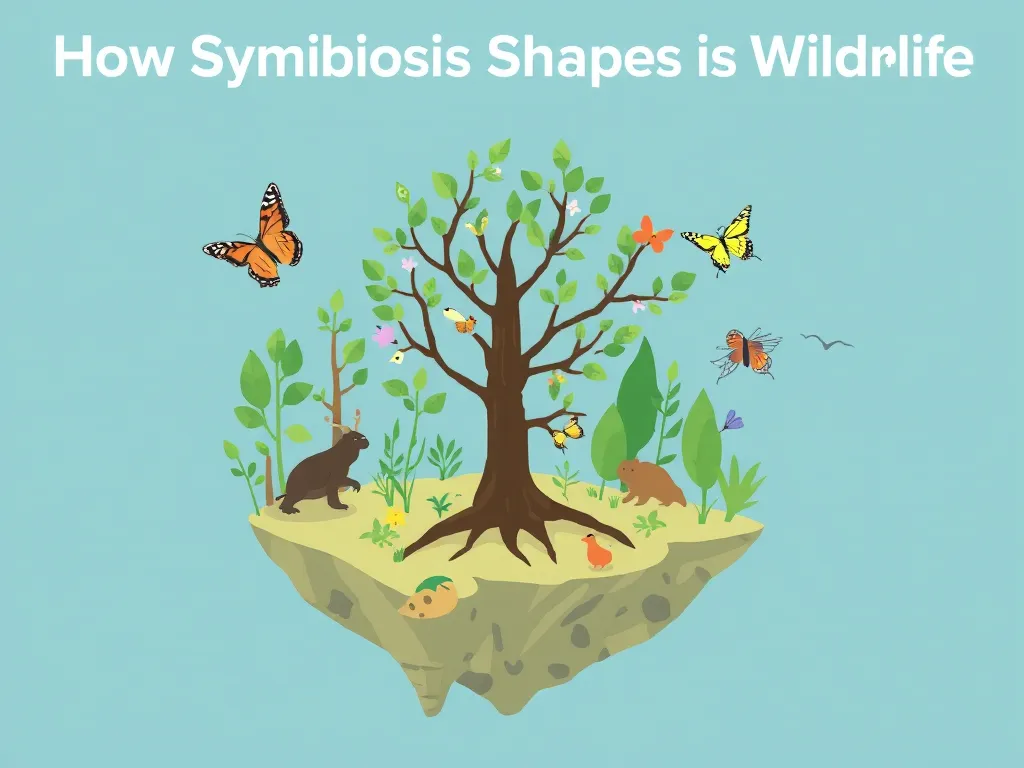
Symbiotic relationships are not just fascinating—they are fundamental to how Wildlife functions. From pollination by bees to nitrogen fixation by bacteria, these interactions drive evolution and ecosystem health. For example, the partnership between wolves and rivers in Yellowstone, detailed in how wolves change rivers through trophic cascades, shows how species interactions can reshape landscapes.
Similarly, bees play a critical role in global food supply, as explained in the role of bees in pollination and agriculture. Even decomposers, covered in how decomposers keep ecosystems alive, rely on symbiotic processes to recycle nutrients.
By understanding symbiosis, we see that survival often depends on collaboration, not competition. These seven partnerships defy logic but reveal nature’s ingenuity in fostering life through connection.