The polar bear (Ursus maritimus) is the largest extant species of bear and land carnivore by body mass, with adult males weighing 300–800 kg, while the grizzly bear (Ursus arctos horribilis) is a subspecies of the brown bear inhabiting North America. These two species differ significantly in physical adaptations, geographic ranges, and behavioral patterns, which are crucial for understanding their roles in the ecosystem in 2026.
Key Takeaways
- Polar bears are larger, with males weighing up to 800 kg, compared to grizzly bears which typically weigh 180–360 kg.
- Polar bears inhabit the Arctic and depend on sea ice, while grizzly bears live in forests, mountains, and tundra across North America.
- Polar bears are specialized marine mammals that hunt seals, whereas grizzly bears are omnivores with a varied diet.
How do polar bears and grizzly bears compare in physical size and weight?
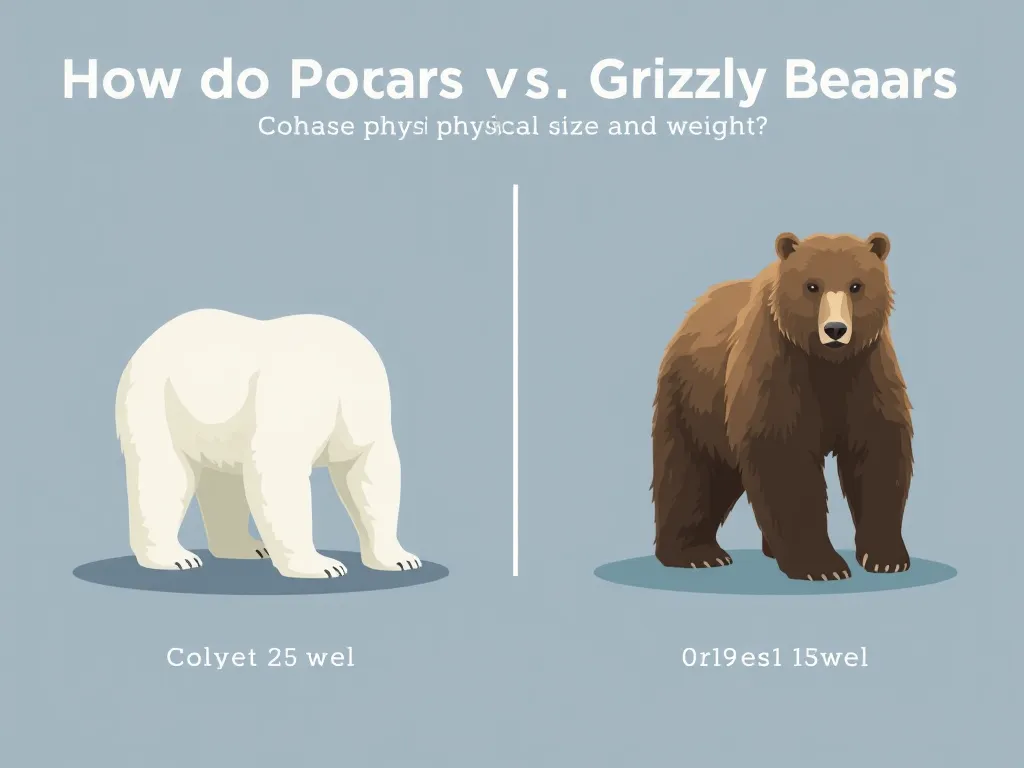
Polar bears are generally larger and heavier than grizzly bears, with significant sexual dimorphism in both species. Adult male polar bears (boars) weigh between 300 and 800 kg, while females weigh 150–250 kg. In contrast, grizzly bears average 180–360 kg for males and 130–200 kg for females, according to wildlife data from 2026.
The size difference is not just about weight but also about body structure and adaptation to their environments. Polar bears have a more streamlined body for swimming, while grizzlies have a robust build for digging and foraging.
Polar bear weight range and body mass
The polar bear holds the record for the largest bear species by body mass. Adult males can reach lengths of 2.4–2.6 meters, supported by a thick layer of fat and dense fur for Arctic survival. Females are notably smaller, a key difference in sexual dimorphism.
In 2026, data from the IUCN Red List indicates that polar bear populations are stable in some regions but declining in others due to sea ice loss. Their body mass is crucial for insulation in temperatures as low as -40°C. The average weight of a male polar bear in the Arctic is around 450 kg, but some individuals in the Beaufort Sea region have been recorded at over 800 kg.
Grizzly bear weight range and body mass
Grizzly bears, a subspecies of the brown bear, show variation based on location. Coastal grizzlies near food sources tend to be larger, while inland populations are smaller. This size difference reflects the availability of salmon and other prey in their habitat.
In 2026, studies from Alaska show that coastal grizzlies can weigh up to 680 kg, while inland grizzlies in Yellowstone National Park average 180–300 kg. The shoulder hump of muscle, used for digging, is a defining feature that contributes to their mass. Grizzly bears have a shorter snout and rounded ears compared to polar bears, which aids in their foraging behavior.
Size comparison: Polar vs. Grizzly
When comparing the two, polar bears are more slender with a narrower skull and longer neck, adapted for swimming and hunting on ice. Grizzly bears have a prominent shoulder hump of muscle, used for digging, which polar bears lack. This structural difference highlights their distinct ecological roles.
In terms of height, polar bears stand about 1.3–1.6 meters at the shoulder, while grizzlies are slightly shorter at 1.0–1.5 meters. The polar bear’s paws are larger and more padded to distribute weight on ice, whereas grizzly paws are equipped with long claws for digging roots and excavating dens. These adaptations are essential for survival in their respective habitats in 2026.
What are the key habitat differences between polar bears and grizzly bears?
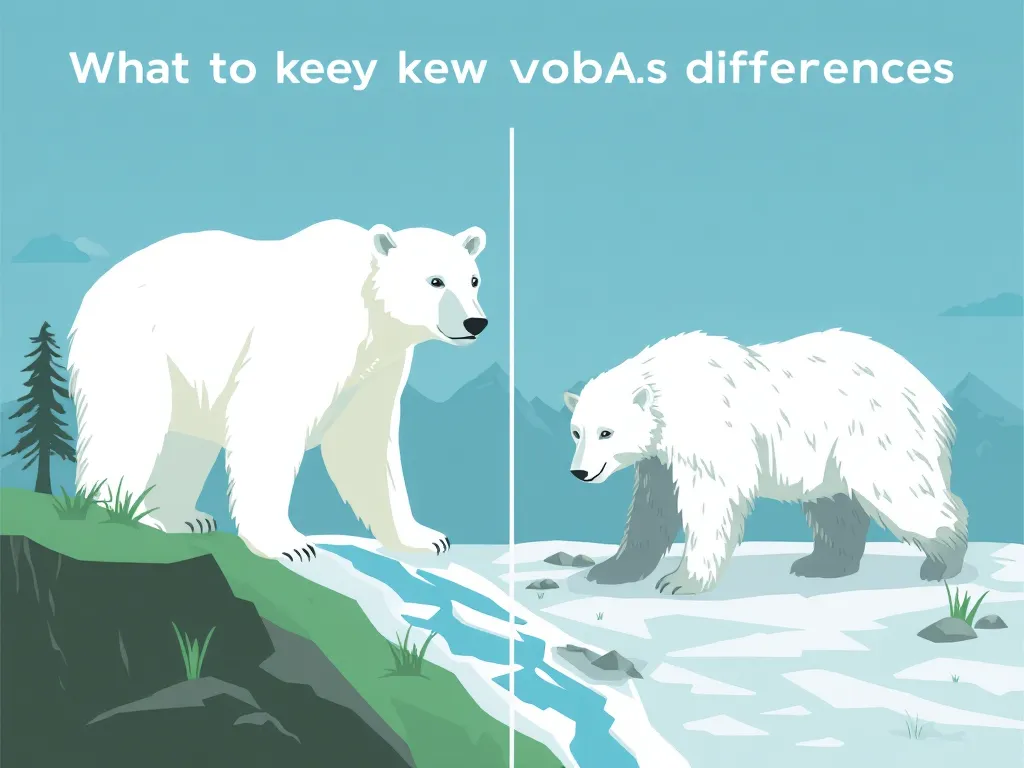
Polar bears inhabit the Arctic and depend on sea ice for hunting, while grizzly bears occupy diverse North American ecosystems from forests to alpine zones. The polar bear is considered a marine mammal due to its reliance on marine ecosystems, whereas the grizzly is a terrestrial omnivore.
In 2026, climate change continues to impact these habitats, with sea ice declining in the Arctic and human encroachment affecting grizzly territories. Understanding these differences is vital for conservation efforts.
Polar bear habitat: Arctic sea ice and coastal areas
Polar bears range across the Arctic, including Greenland, Canada, Alaska, Russia, and the Svalbard Archipelago of Norway. They prefer annual sea ice but retreat to land during summer melt. Their habitat is threatened by climate change, which reduces sea ice access to prey like ringed seals.
In 2026, data from the National Snow and Ice Data Center shows that Arctic sea ice extent is at a record low, impacting polar bear hunting grounds. Polar bears are classified as marine mammals by the IUCN, and their survival is directly linked to the health of sea ice ecosystems. They spend most of their lives on ice, traveling up to 3,000 km annually in search of food.
Grizzly bear habitat: North American forests and mountains
Grizzly bears inhabit North America, from the Arctic tundra to temperate forests and mountain ranges. They are found in Alaska, western Canada, and the contiguous United States, including Yellowstone National Park. Their habitat flexibility allows them to thrive in varied environments, unlike the specialized polar bear.
In 2026, grizzly populations in the Lower 48 states are listed as threatened under the Endangered Species Act, with recovery efforts focused on habitat connectivity. Grizzlies require large territories, often spanning 500–1,000 km² per individual, to find sufficient food sources. They are commonly found in river valleys where salmon runs provide abundant nutrition.
Habitat overlap and separation
While both species can coexist in parts of Alaska, their habitats generally do not overlap significantly. Polar bears are restricted to coastal and ice-dominated areas, while grizzly bears occupy inland regions. This separation reduces direct competition but highlights the vulnerability of polar bears to ice loss.
In 2026, occasional sightings of grizzly bears in coastal Arctic regions have been reported, but these are rare and often due to expanding ranges under climate pressure. The overlap zone in Alaska’s North Slope is a critical area for study, as it may indicate shifting behaviors due to environmental changes. Conservation strategies must account for these dynamics to protect both species.
How do polar bear and grizzly bear behaviors differ in hunting and social structure?
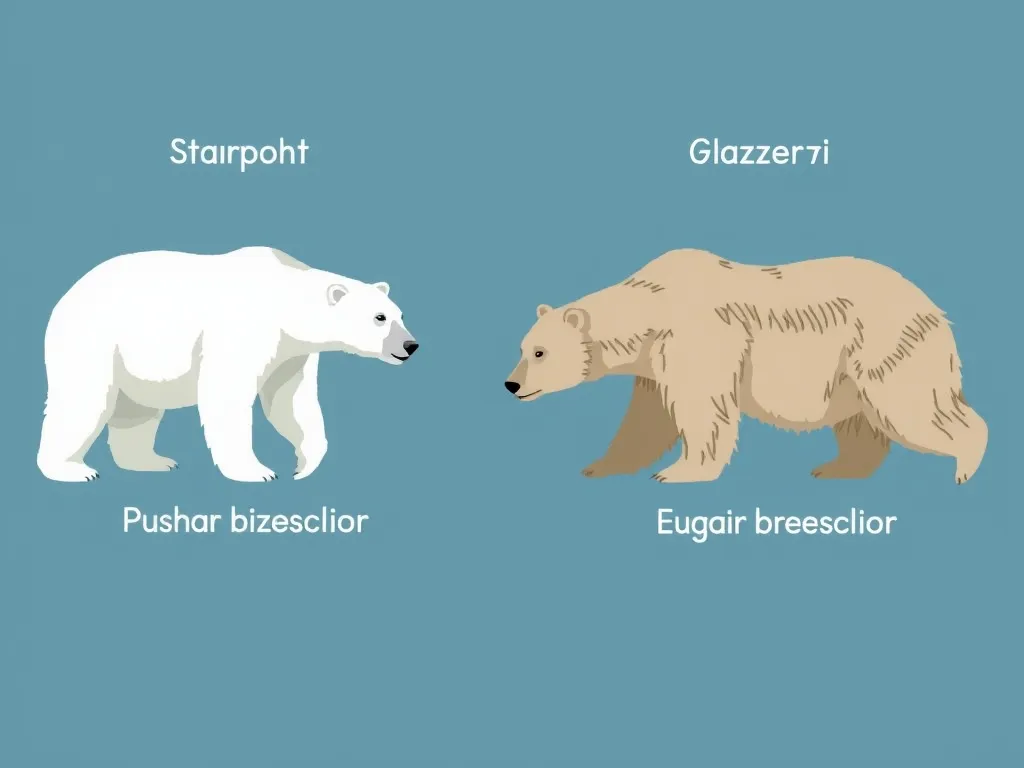
Polar bears are solitary hunters specialized in ambush tactics on ice, while grizzly bears are omnivores with more varied social interactions. Polar bears primarily stalk seals at breathing holes, whereas grizzly bears forage for berries, fish, and small mammals.
In 2026, behavioral studies show that polar bears are increasingly scavenging on land due to ice loss, while grizzlies are adapting to human-dominated landscapes. These behavioral shifts are critical for understanding their survival strategies.
Polar bear hunting strategies: Ambush on ice
Polar bears hunt seals by waiting at breathing holes or stalking on the ice. They rely on blubber for energy, making them highly specialized carnivores. This behavior is adapted to the Arctic environment, where sea ice provides the platform for hunting.
In 2026, research from the Polar Bears International organization indicates that polar bears spend up to 50% of their active time hunting, with success rates declining as sea ice fragments. Their hunting techniques include still-hunting, where they wait motionless for seals to surface, and stalking, where they approach slowly to avoid detection. The polar bear’s keen sense of smell can detect seals from nearly 1 km away, making them efficient predators in their habitat.
Grizzly bear foraging behavior: Omnivorous diet
Grizzly bears have a diverse diet, including plants, insects, fish (especially salmon), and small mammals. They are known to dig for roots and grubs, using their strong shoulder muscles. This omnivorous behavior contrasts with the polar bear’s strict carnivory.
In 2026, dietary analysis from Yellowstone National Park shows that grizzlies consume over 200 different plant and animal species, with berries making up 30% of their summer diet. During salmon runs, they can consume up to 20 kg of fish per day.
Their foraging behavior is seasonal, shifting from vegetation in spring to high-protein foods in fall to build fat reserves for winter hibernation. This adaptability allows grizzlies to thrive in changing environments.
Social structure: Solitary vs. seasonal groups
Polar bears are usually solitary but may gather on land during summer. Mothers den with cubs for up to 2.5 years. Grizzly bears are more social during salmon runs or in areas with abundant food, though they remain largely solitary.
Male grizzlies defend territories, while polar bears have overlapping ranges due to the vast Arctic landscape. In 2026, social behavior studies show that polar bear mothers are highly protective, with cubs staying close for up to three years to learn survival skills.
Grizzly bears, on the other hand, form temporary groups at rich food sources, such as carcass sites or berry patches. This social flexibility helps grizzlies maximize resource use, while polar bears’ solitary nature is a necessity in the sparse Arctic environment.
Wildlife conservation efforts are critical for both species, as climate change and habitat loss pose significant threats. For more insights on predator comparisons, see Great White Shark vs.
Orca: Which Apex Predator Actually Wins? and Cheetah vs. Pronghorn: Who Is Actually Faster Over a Long Distance?.
Additionally, learn about differences in other species at African Elephant vs. Asian Elephant: 9 Differences You Should Know.
The polar bear is classified as vulnerable by the IUCN Red List with an estimated population of 22,000 to 31,000 individuals in 2026, while grizzly bear populations vary by region but face threats from human encroachment. Understanding these differences helps in promoting effective conservation strategies for these iconic animals. In the Arctic, polar bear conservation focuses on protecting sea ice habitats, while in North America, grizzly recovery programs emphasize habitat corridors and reducing human-wildlife conflicts.
Both species serve as umbrella species, meaning their protection benefits entire ecosystems. By addressing climate change and preserving critical habitats, we can ensure the survival of these magnificent bears for future generations.
For detailed information on wildlife conservation and species comparisons, visit Wildlife resources at leccebiodiversity2023.com.