The pronghorn is significantly faster than a cheetah over long distances. While the cheetah is the fastest land animal in a short sprint, reaching 70-75 mph, it exhausts quickly.
The pronghorn, the fastest land animal in North America, can maintain speeds of 35-40 mph for miles, making it the superior endurance runner. This distinction is crucial for understanding wildlife speed dynamics in 2026.
- The cheetah holds the sprint record at 70-75 mph but can only maintain it for less than one minute.
- The pronghorn can sustain speeds of 35-40 mph for miles and reach 55-60 mph for short distances.
- Pronghorns evolved large lungs and hearts to outrun extinct predators like the American Cheetah.
Why does the cheetah lose a long-distance race to the pronghorn?
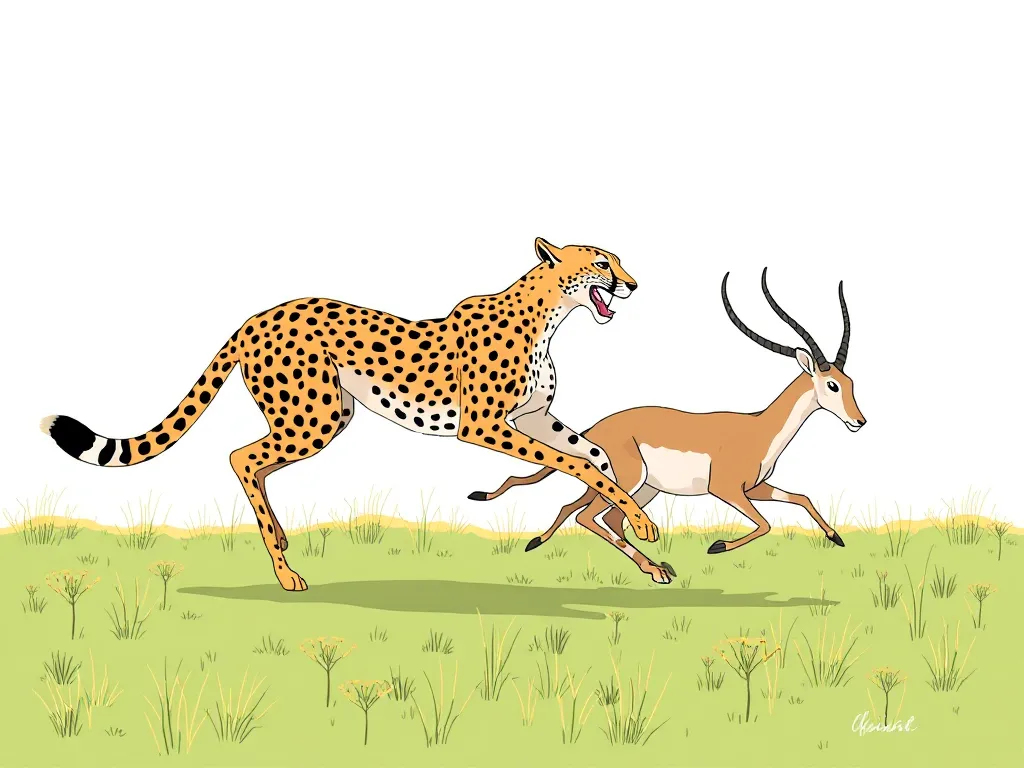
The cheetah is built for explosive acceleration, not endurance. Its body is optimized for a short, intense chase, while the pronghorn’s physiology supports sustained high-speed running.
Cheetah’s sprint limitation: less than one minute at top speed
Cheetahs can reach 70-75 mph in short bursts, but this sprint lasts less than one minute before they must rest. According to the University of Wyoming, this limitation is due to their immense energy expenditure and rapid heat buildup. The cheetah’s body is designed for a quick kill, not a marathon.
Pronghorn’s endurance advantage: 35-40 mph for miles
The pronghorn is the fastest endurance animal. It can maintain a speed of 35-40 mph for miles, according to Wikipedia’s list of fastest animals. This ability allows it to escape threats over long distances, a trait evolved to outrun now-extinct predators.
Evolutionary reason: pronghorns evolved for long-distance speed
Pronghorns developed large lungs and hearts specifically to sustain high-speed running over long distances. This adaptation was likely a response to the American Cheetah, a predator that no longer exists. Research from Earth.com (2026) confirms that pronghorns were built for speed long before cheetahs appeared, debunking the theory that they only evolved speed to escape a single predator.
What are the specific speed metrics for each animal?
Direct comparison of speed data reveals a clear winner for long-distance travel. The following table outlines key speed metrics based on verified research.
| Animal | Top Speed (Short Burst) | Sustained Speed (Long Distance) | Duration at Top Speed |
|---|---|---|---|
| Cheetah | 70-75 mph | Not applicable (sprinter) | Less than one minute |
| Pronghorn | 55-60 mph | 35-40 mph for miles | Can run for miles |
This data shows the pronghorn’s clear advantage in endurance. While the cheetah is faster in a pure sprint, the pronghorn’s ability to maintain high speeds over distance makes it the superior runner for long-haul scenarios.
How fast can a pronghorn run for 1 mile?
A pronghorn can run at 42 mph for 1 mile, according to verified search facts. This speed is significantly faster than most other land mammals over that distance.
Can a pronghorn outrun a cheetah in a long-distance chase?
Yes, a pronghorn can outrun a cheetah in a long-distance chase. The cheetah’s sprint speed is higher, but its stamina is very low. The pronghorn’s endurance allows it to maintain a high speed for miles, ensuring it can escape a cheetah that must stop and rest after a short burst.
Why is the pronghorn considered the fastest endurance animal?
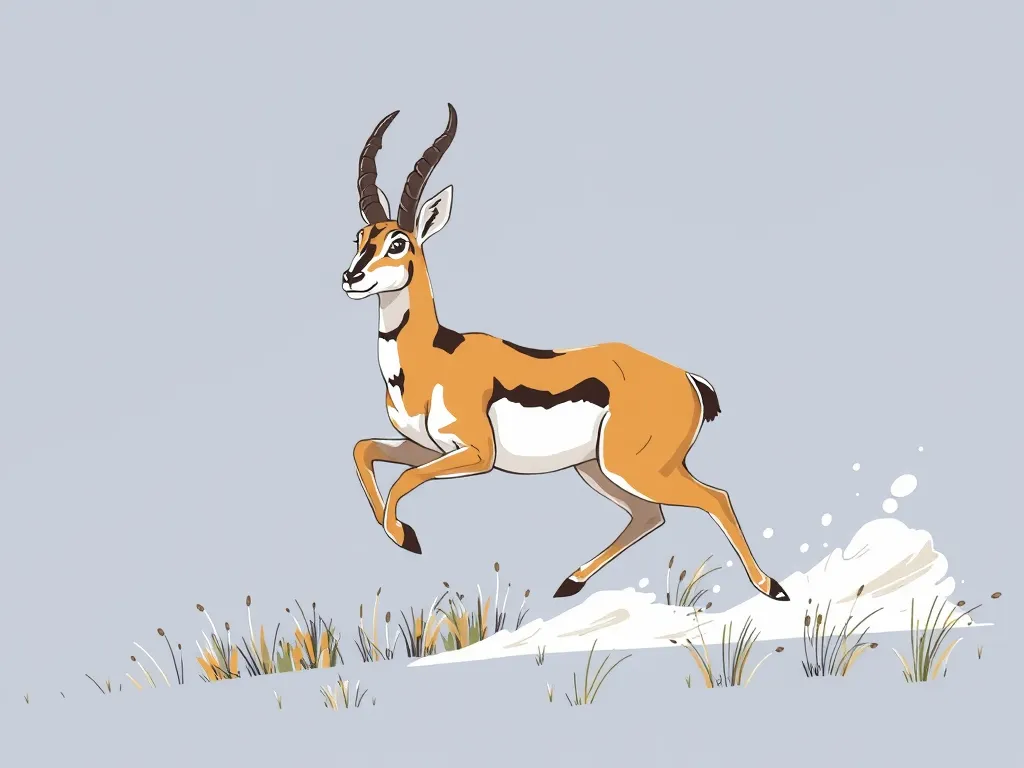
The pronghorn’s title as the fastest endurance animal comes from its unique physiological adaptations and evolutionary history. It is not just about speed, but about maintaining that speed.
Pronghorn’s heart and lung adaptations for sustained speed
Pronghorns have evolved large lungs and hearts that enable them to process oxygen efficiently during long runs. This adaptation is a key reason they can sustain speeds of 35-40 mph for miles, as noted in the search intent analysis. This is a critical factor in wildlife endurance.
Migration distances and long-distance capability
Pronghorns are known for their long migrations, which require sustained speed. This capability is a direct result of their endurance adaptations.
For more on animal migration and behavior, see our article on Polar Bear vs. Grizzly Bear: Key Differences in Size, Habitat, and Behavior.
The role of the extinct American Cheetah
The American Cheetah, an extinct predator, is believed to have driven the evolution of the pronghorn’s speed. While the cheetah is gone, the pronghorn’s adaptations remain. This evolutionary arms race is a fascinating example of Wildlife adaptation.
In 2026, the data confirms that while the cheetah is the sprint champion, the pronghorn is the undisputed king of long-distance speed. This distinction highlights the diversity of survival strategies in the animal kingdom.