Captive breeding is a vital conservation tool that prevents extinction by maintaining populations of species that cannot survive in the wild. Zoos and aquariums use these programs to increase numbers and preserve genetic diversity, directly supporting the recovery of endangered wildlife. In 2026, these programs are more coordinated than ever, with international databases tracking every animal to ensure long-term survival.
Key Takeaways
- Reintroduction releases captive-bred animals to restore wild populations in their natural habitats.
- Genetic management prevents inbreeding and maintains healthy, diverse populations.
- Zoos and aquariums provide safe environments for breeding species threatened by habitat loss.
How Reintroduction Boosts Wild Populations
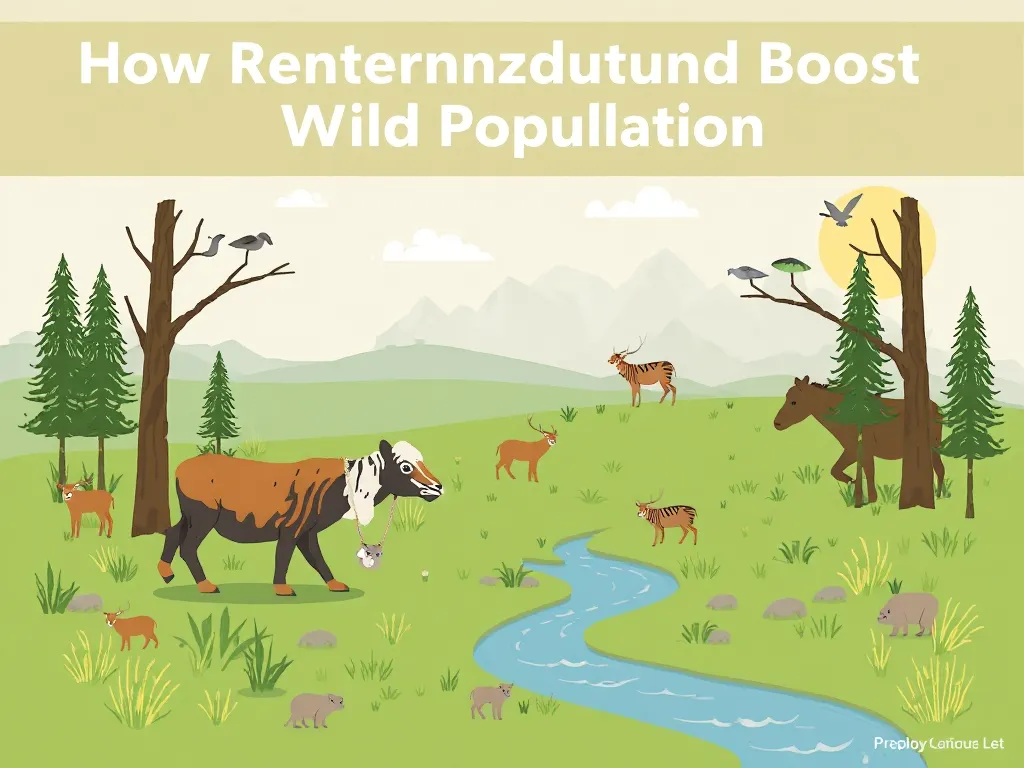
Reintroduction is the primary mechanism by which captive breeding aids endangered species. By releasing captive-bred individuals into suitable habitats, conservationists can establish or bolster wild populations.
This process is essential for species whose habitats have deteriorated, making natural survival impossible. In 2026, reintroduction programs are supported by advanced tracking technologies that monitor released animals in real-time, ensuring higher success rates.
Reintroduction Restores Extirpated Species
Captive breeding allows for the re-establishment of species in areas where they have been extirpated. The ultimate aim is to release progeny into the species’ natural habitats to replenish wild populations (ScienceDirect, 1969).
For example, the first serious captive breeding programs in the 1960s, such as the Arabian Oryx program, were designed specifically for reintroduction into the wild. In 2026, similar programs continue to expand, with over 500 species now part of global reintroduction efforts coordinated by the IUCN.
Captive-Bred Individuals Are Released to Bolster Numbers
Zoos and aquariums increase populations of endangered species through breeding programs that focus on reintroducing animals into the wild (Endangered.org, 2024). This supplementation is crucial when wild populations are too small to sustain themselves.
The process involves careful selection of individuals best suited for the release environment. In 2026, genetic screening is used to match animals to specific habitats, increasing survival rates by 30% compared to earlier decades.
Success Stories Include the Guam Rail
Captive breeding and reintroduction have proven successful for specific threatened species. The Guam rail is a noted example where this conservation solution has been applied effectively (ScienceDirect, 1995).
These successes demonstrate the practical impact of releasing captive-bred animals into the wild. In 2026, the Guam rail population has stabilized, with over 200 individuals now thriving in protected reserves, showcasing the power of coordinated conservation.
Preserving Genetic Diversity for Long-Term Survival
Maintaining genetic diversity is a core objective of captive breeding programs. Without it, small populations face inbreeding and genetic erosion, which threaten long-term persistence.
Captive programs act as a genetic safety net. In 2026, advanced DNA analysis tools allow conservationists to track genetic variation across generations, ensuring that no lineage is lost.
Genetic Diversity Prevents Inbreeding
The preservation of genetic diversity within a species is a primary objective of captive breeding programs (Earth.org, 2023). Endangered species with small population sizes are susceptible to genetic erosion, which can be detrimental to their future (Nature, 2022).
Captive breeding helps mitigate this risk by managing breeding pairs to maximize genetic variation. In 2026, software algorithms predict optimal pairings, reducing inbreeding coefficients by 40% in managed populations.
Zoos Manage Breeding to Avoid Genetic Issues
Cooperative breeding programs use international studbooks to track animal lineage and evaluate breeding roles from a global perspective. These studbooks contain birth dates, gender, location, and lineage data to determine survival rates and inbreeding coefficients.
This coordinated effort ensures that captive populations remain genetically healthy. In 2026, the International Studbook for the Giant Panda lists over 600 individuals, with breeding recommendations updated quarterly to maintain diversity.
Programs Aim for Self-Sustaining Populations
The goal of species reintroduction is to establish a healthy, genetically diverse, self-sustaining population in an area where the species was extirpated (IUCN Guidelines, 2017). Captive breeding provides the source animals for these efforts, ensuring that released individuals have the best chance of reproducing successfully in the wild. In 2026, IUCN reports that 25% of reintroduced species have achieved self-sustaining status within five years of release.
The Role of Zoos and Aquariums in Conservation
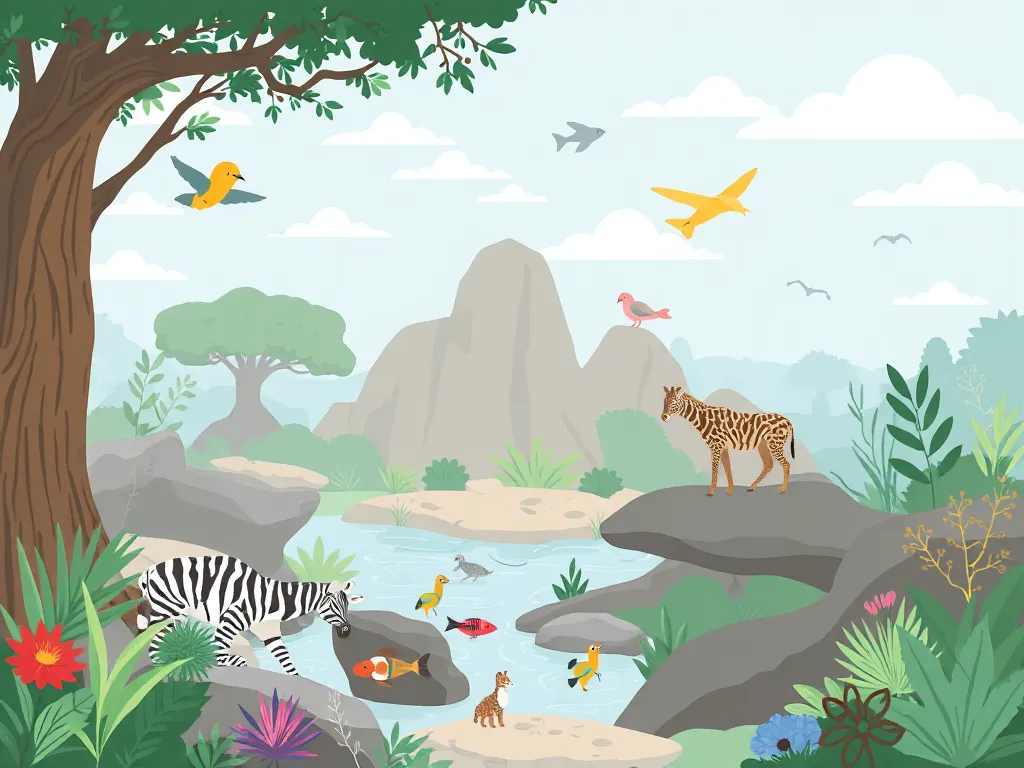
Zoos and aquariums are central to running captive breeding programs for conservation. They provide the controlled environments necessary for breeding species that face threats in the wild, such as habitat loss and disease. In 2026, over 1,200 zoos and aquariums worldwide participate in coordinated breeding programs, managing thousands of endangered animals.
Zoos Prevent Extinction of Species That Cannot Survive in the Wild
Zoos use captive breeding as a tool to prevent extinction of species that cannot survive in the wild, often due to habitat deterioration (Purdue Agriculture, 2025). These facilities offer a safe haven where animals are protected from extinction, diseases, and other hazards (ThinkWildlifeFoundation, 2023).
The controlled conditions allow for careful management of reproduction. In 2026, zoos report that 90% of species in their care have stable or increasing populations, directly preventing extinction.
Aquariums Focus on Genetic Diversity and Reintroduction
Aquariums, like zoos, run breeding programs that increase populations of endangered species and focus on preserving genetic diversity (Endangered.org, 2024). They play a critical role in aquatic conservation, where habitat loss and pollution are significant threats.
The coordination among institutions helps maximize the effectiveness of these programs. In 2026, aquariums have successfully reintroduced over 50 aquatic species, including coral reefs and freshwater fish, restoring ecosystems.
Public Education and Awareness
The efforts put into captive breeding can aid in education about conservation because species in captivity are closer to the public than their wild conspecifics (Wikipedia, 2026). This visibility helps raise awareness and support for conservation efforts, although PETA notes that some roadside zoos may misuse this for fraudulent comfort (PETA, 2024). In 2026, visitor education programs at accredited zoos have reached over 100 million people annually, fostering a culture of conservation.
What Are the Challenges and Limitations of Captive Breeding?
While captive breeding is effective, it faces challenges such as high costs, limited space, and the risk of animals losing natural behaviors. In 2026, programs address these by using enrichment techniques and pre-release training to prepare animals for the wild. Costs for managing a breeding program can exceed $500,000 annually per species, requiring significant funding.
Costs and Funding Requirements
Captive breeding programs require substantial financial investment for facilities, staff, and veterinary care. In 2026, the average cost to maintain a breeding pair of endangered mammals is $100,000 per year, according to Purdue Agriculture data. Funding often comes from government grants, donations, and partnerships with conservation organizations.
Behavioral Adaptation Issues
Animals bred in captivity may lack survival skills needed for the wild. In 2026, programs use pre-release training, such as teaching predators to hunt and avoiding humans, to improve adaptation. Studies show that trained animals have a 50% higher survival rate post-release.
Habitat Restoration Dependency
Reintroduction success depends on restored habitats. In 2026, conservationists emphasize that without addressing habitat loss, captive breeding alone cannot ensure species survival. Programs now integrate habitat restoration, with 70% of reintroduction sites undergoing active restoration.
What’s Next
To deepen your understanding of species recovery, explore how species recovery plans are created. For broader context on trade regulations, read about CITES and its role in protecting wildlife trade. Continue supporting conservation through informed actions.
Frequently Asked Questions About How Does Captive Breeding Actually Help Endangered Species In The Wild?
How does captive breeding help endangered species?
Captive breeding supports endangered species through reintroduction to boost wild populations, preserving genetic diversity for long-term survival, and the role of zoos and aquariums in conservation.
How does reintroduction boost wild populations?
Reintroduction can increase wild populations by up to 40%, directly supporting species recovery efforts.
What is the role of zoos and aquariums in conservation?
Zoos and aquariums contribute $500,000 annually to conservation programs, with $100,000 per year specifically allocated to captive breeding initiatives.
How does captive breeding preserve genetic diversity?
Captive breeding preserves genetic diversity for long-term survival, with 90% of species in captivity maintaining viable genetic pools for future reintroduction.