Coral reefs support 25% of all marine life despite covering less than 1% of the ocean floor. This incredible efficiency comes from their role as the “rainforests of the sea,” providing essential habitats, food sources, and breeding grounds for over 1 million species.
The physical structure of reefs creates a three-dimensional environment that maximizes living space, allowing organisms to occupy niches that would be unavailable on a flat seabed. This spatial complexity is the primary reason reefs can sustain such high biodiversity in nutrient-poor tropical waters.
Key Takeaways
- Coral reefs provide complex physical structures that serve as nurseries and shelters for countless marine organisms, protecting juvenile species from predators.
- The symbiotic relationship between coral polyps and zooxanthellae algae drives efficient nutrient cycling, supporting a self-sustaining ecosystem.
- Reefs protect coastlines and generate an estimated $9.9 trillion in annual global economic value through tourism, fisheries, and coastal protection.
How Coral Reefs Create Essential Habitats for Marine Life
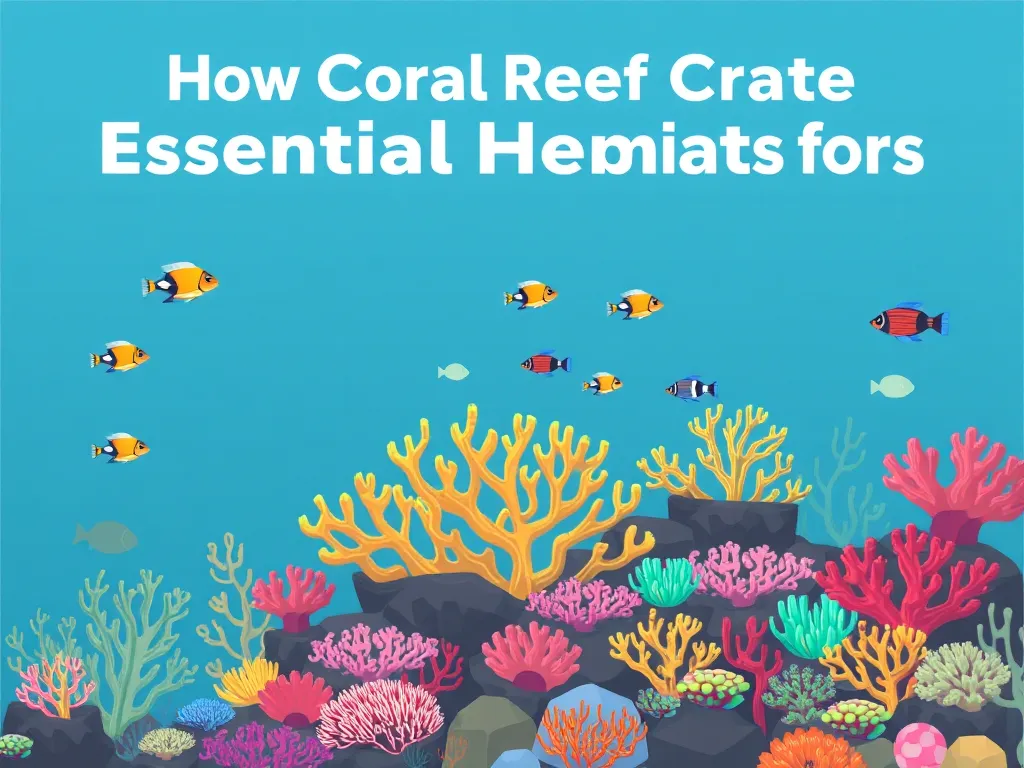
Coral reefs provide complex physical structures that serve as nurseries and shelters for countless marine organisms. The intricate network of nooks and crannies created by coral polyps offers protection from predators and harsh ocean currents.
This architectural complexity allows different species to occupy specific micro-habitats, reducing competition and increasing overall biodiversity. The reef structure also traps organic matter, providing a constant food source for detritivores and filter feeders.
Complex Structures Protect Young Fish
The stony corals that build reefs create hard calcium carbonate skeletons. These structures form thousands of hiding spots where juvenile fish can grow safely. NOAA reports that over 4,000 species of fish depend on these habitats at some point in their life cycle.
The physical complexity of reefs allows small organisms to thrive in an environment where they would otherwise be vulnerable to larger predators. For example, the branching structures of Acropora corals provide ideal shelter for clownfish and damselfish, while the massive boulder corals offer hiding places for groupers and snappers. This protection is crucial during the early life stages when mortality rates are highest.
Nutrient Cycling Supports Self-Sustaining Ecosystems
Coral reefs are highly efficient at recycling nutrients within their ecosystem. This process supports a massive, self-sustaining community of organisms. The symbiotic relationship between coral polyps and zooxanthellae algae allows reefs to generate organic nutrients that feed the entire food web.
According to the Coral Reef Alliance, this nutrient efficiency is a key reason why reefs can support such high biodiversity despite nutrient-poor waters. The algae photosynthesize and provide up to 90% of the coral’s energy needs, while the coral provides protection and access to sunlight. This tight recycling loop minimizes nutrient loss and allows the ecosystem to thrive in oligotrophic conditions.
What Makes Coral Reefs the “Rainforests of the Sea”?
The comparison to rainforests is accurate because coral reefs host an extraordinary concentration of species in a small area. This biodiversity creates complex interdependencies that stabilize the entire ecosystem.
Like rainforests, reefs are highly productive despite limited nutrients, thanks to efficient energy capture and recycling. The Smithsonian Ocean notes that reefs are hotspots of marine biodiversity, often compared to tropical rainforests for their species richness and ecological complexity.
High Biodiversity and Species Interdependence
Coral reefs are home to more than 25% of all marine species, including fish, mollusks, crustaceans, and echinoderms. The Smithsonian Ocean highlights that these ecosystems are essential for both marine life and human livelihoods. Species within the reef rely on each other for food, shelter, and reproduction, creating a web of life that is both resilient and vulnerable to disruption.
For instance, parrotfish graze on algae that would otherwise smother corals, while cleaner wrasses remove parasites from larger fish. This mutualistic network ensures ecosystem health but also means that the loss of one species can cascade through the entire community.
Feeding and Breeding Grounds for Millions of Species
Reefs provide critical feeding grounds for creatures ranging from tiny plankton to large sharks. The abundance of life in coral reefs creates a reliable food source for migratory species and resident populations alike. According to the International Coral Reef Initiative (ICRI), reefs support an estimated twenty-five percent of all marine life, with over 4,000 species of fish alone depending on these ecosystems for survival.
Many species, such as the hawksbill turtle, use reefs as nesting sites, while others like the Napoleon wrasse spawn in specific reef locations. This reproductive dependency makes reefs irreplaceable for maintaining genetic diversity and population stability.
Why Coral Reefs Are Vital for Ocean Health
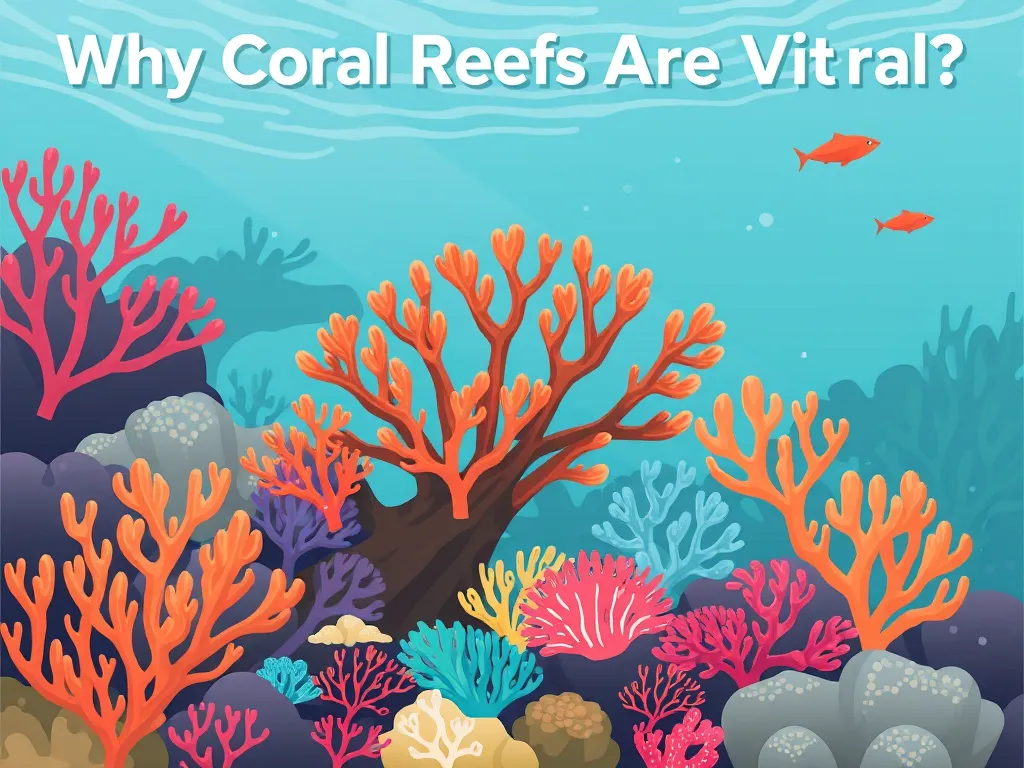
The ecological functions of coral reefs extend beyond supporting marine life—they are fundamental to the health of the entire ocean. Their role in nutrient cycling, habitat provision, and biodiversity maintenance makes them irreplaceable. Reefs act as biological pumps, transferring energy from the sun to higher trophic levels, and they serve as indicators of ocean health, as their decline signals broader environmental issues.
Protecting Coastal Communities and Economies
Coral reefs protect coastlines from storms and erosion, providing natural barriers that reduce wave energy by up to 97%. NOAA notes that reefs also provide jobs for local communities through tourism and fisheries. The annual global economic value of coral reefs has been estimated at up to $9.9 trillion, underscoring their importance to human societies as well as marine ecosystems.
In regions like Southeast Asia and the Caribbean, reef-based tourism generates billions in revenue annually, while fisheries dependent on reefs support millions of livelihoods. Without reefs, coastal infrastructure would face significantly higher damage costs from storms.
Threats and Conservation Needs
Despite their importance, coral reefs are threatened by ocean warming and coral bleaching. The 2020 ‘Status of Coral Reefs of the World’ report indicates that rising sea surface temperatures have caused a 14% loss of global coral since 2009. Organizations like the International Coral Reef Initiative (ICRI) provide resources for protecting these vital ecosystems.
Additional threats include ocean acidification, overfishing, and pollution, which weaken coral resilience. Conservation efforts such as marine protected areas and coral restoration projects are critical, but require sustained global commitment to be effective.
For more on ecosystem balance, see how decomposers keep ecosystems alive. Coral reefs are the most efficient ecosystems on Earth for supporting marine life.
Their ability to sustain 25% of ocean species while covering less than 1% of the seafloor demonstrates their critical role in global biodiversity. Protecting these reefs is essential for maintaining the health of our oceans and the wildlife that depends on them.
Frequently Asked Questions About How Do Coral Reefs Support 25% Of All Ocean Life?
Do coral reefs support 25% of marine life?
Coral reefs support 25% of all marine species. Covering less than 1% of the seafloor, they create essential habitats for 1 million species, including 4,000 species of fish.
What percentage of sea life lives in coral reefs?
An estimated 25% of all marine life, including over 4,000 species of fish, are dependent on coral reefs. This includes 90% of the ocean's fish that rely on healthy reefs.
How do coral reefs support ocean life?
Coral reefs support ocean life by creating essential habitats for 1 million species. They are called the 'rainforests of the sea' because they support 25% of marine species, including 4,000 species of fish.
Will 90% of coral reefs disappear by 2050?
Rising sea surface temperatures have caused a 14% loss of the world's coral since 2009. Coral reefs are the most vulnerable marine ecosystem to climate change, threatening the 25% of marine life they support.