When an invasive species enters a new ecosystem, it often thrives due to a lack of natural predators, rapidly multiplying and disrupting the balance. These organisms cause severe ecological damage by preying on or outcompeting native species for resources, often leading to reduced biodiversity, altered habitats, and, in some cases, extinction.
A 2023 report from Yale University estimated that invasives result in $423 million in losses to the global economy annually, a figure that has likely increased with expanding global trade in 2026. Understanding these mechanisms is critical for protecting native wildlife and maintaining ecosystem stability.
Ecological Disruption and Biodiversity Loss
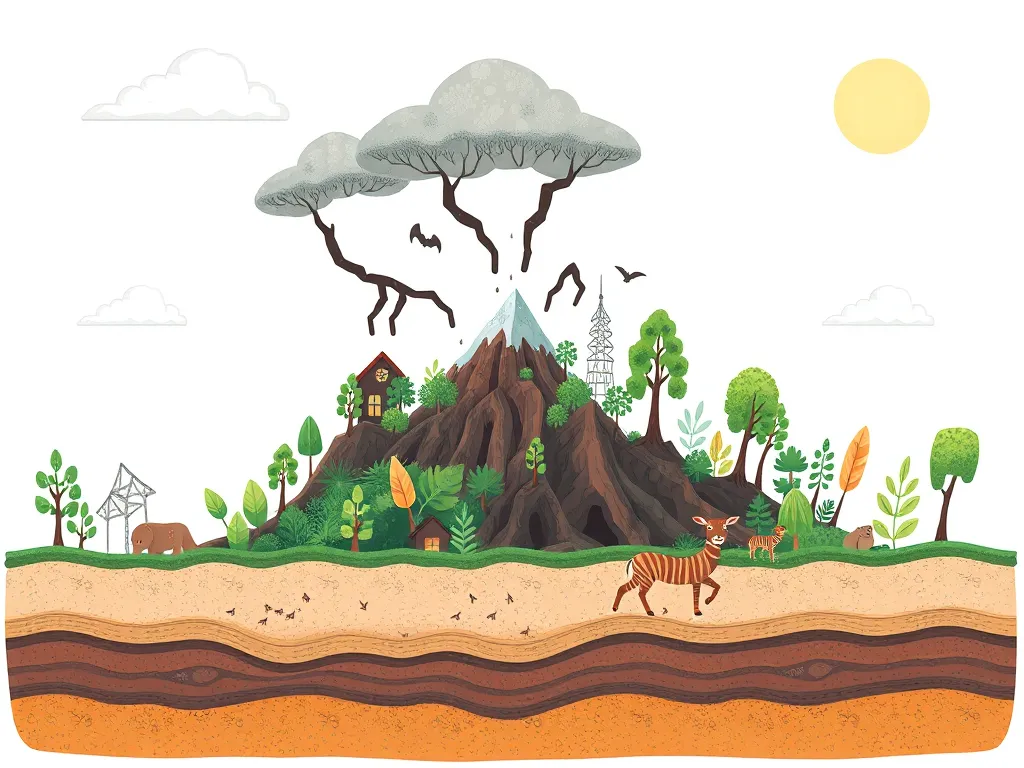
Invasive species fundamentally alter the structure and function of established ecosystems. According to the National Wildlife Federation, when a new aggressive species is introduced, it may not have any natural predators or controls, allowing it to breed and spread quickly.
This unchecked growth leads to immediate and severe consequences for native wildlife, often resulting in the displacement or extinction of local species. The introduction of a single invasive organism can trigger a cascade of negative effects throughout the food web.
Outcompeting Native Species for Resources
Invasive species aggressively compete with native organisms for food, water, and space. The U.S. Geological Survey notes that these nonnative organisms begin to spread or expand their range, often creating monocultures that replace diverse ecosystems.
For example, the brown tree snake caused the extirpation of nine bird species on Guam by preying on them directly. This competition is not limited to animals; invasive plants like kudzu can smother entire forests, blocking sunlight and depleting soil nutrients that native plants need to survive. In 2026, researchers continue to document how these competitive advantages allow invasives to dominate landscapes within just a few years of introduction.
Introducing New Diseases and Pathogens
Native species often lack defenses against diseases carried by invaders. The National Invasive Species Information Center highlights that native species populations can be directly affected through predation, herbivory, and disease. The hemlock woolly adelgid, for instance, has caused widespread mortality of eastern hemlock trees by feeding on their sap and introducing fungal pathogens.
In 2026, climate change is exacerbating this issue, as warmer temperatures allow disease-carrying insects to expand their range into previously protected areas. This creates a dual threat: the invasive species itself and the pathogens it carries.
Altering Habitat Conditions
Invaders can change environmental conditions such as fire regimes, nutrient cycling, and water quality. The U.S. Fish and Wildlife Service states that invasive species degrade, change, or displace native habitats.
For example, invasive grasses in the western United States have increased the frequency and intensity of wildfires by creating continuous fuel loads. This alteration makes it difficult for native species to survive and can lead to long-term ecosystem shifts. In aquatic environments, invasive species like zebra mussels filter water so efficiently that they increase water clarity, which promotes harmful algal blooms by allowing more sunlight to penetrate deeper layers.
Economic Costs and Infrastructure Damage
The financial impact of invasive species is staggering, affecting agriculture, forestry, and water infrastructure. The National Wildlife Federation reports that these impacts cost billions of dollars each year in the United States alone. In 2026, the economic burden continues to grow as global trade increases the likelihood of new introductions.
Direct costs include crop losses, timber damage, and expenses for control and eradication programs. Indirect costs involve lost revenue from tourism, reduced property values, and the burden on public health systems.
Annual Global Economic Losses
A 2023 report from Yale University estimated that invasives introduced to new ecosystems result in $423 million in losses to the global economy annually. This figure represents direct costs from damage to crops, infrastructure, and control efforts.
However, updated analyses in 2026 suggest that the true cost is likely higher when accounting for indirect impacts such as ecosystem service degradation. For instance, the loss of pollination services due to invasive species disrupting native insect populations can have cascading effects on food production worldwide.
Damage to Agriculture and Forestry
Invasive species cause significant damage to commercial and agricultural resources. The National Wildlife Federation notes that many commercial, agricultural, and other human-use systems are at risk. For example, invasive carp and the brown marmorated stink bug pose major threats to crop yields and forest health.
In 2026, the emerald ash borer continues to kill millions of ash trees across North America, costing the forestry industry billions in lost timber value. Farmers also face increased costs for pesticides and labor to manage invasive weeds that reduce crop yields by competing for nutrients and water.
Impact on Water Infrastructure
Aquatic invasive species, such as zebra mussels, clog water intake pipes and damage hydroelectric facilities. The Environmental Protection Agency mentions that discarding unused bait can introduce species that disrupt new ecosystems and eliminate competing native species, leading to costly infrastructure repairs.
In 2026, water treatment plants in the Great Lakes region report spending over $500 million annually to manage zebra mussel infestations. These mussels attach to surfaces in massive numbers, blocking pipes and reducing the efficiency of cooling systems in power plants, which increases energy costs for consumers.
Pathways of Introduction and Spread
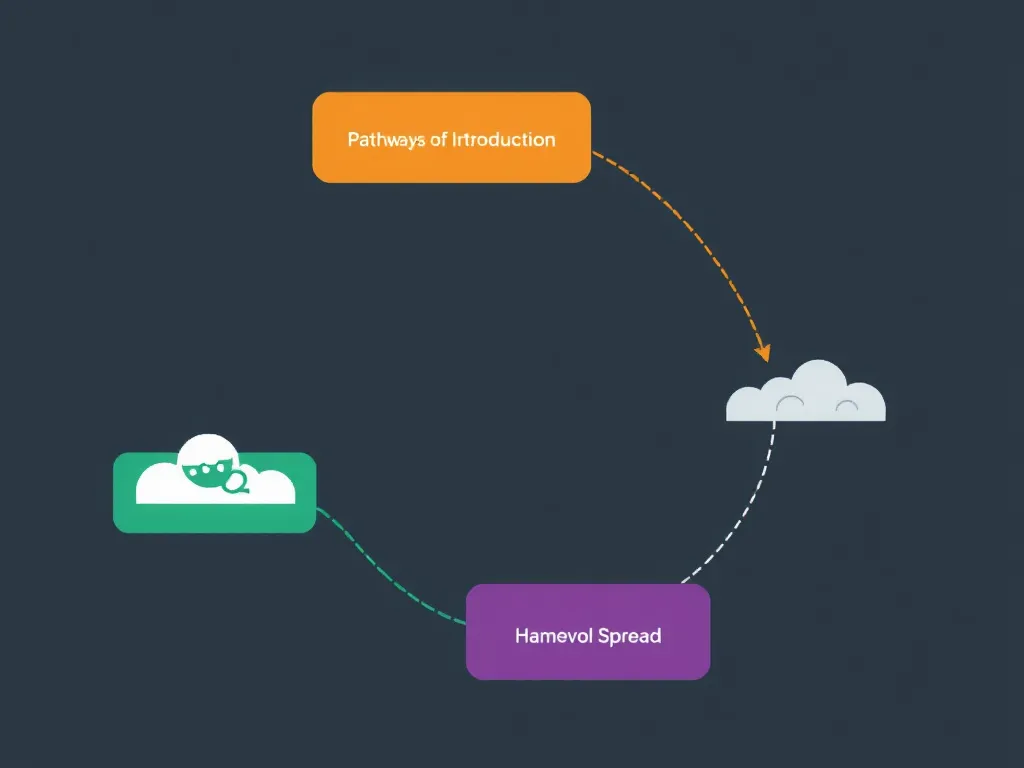
Understanding how invasive species arrive in new ecosystems is critical for prevention. The National Park Service emphasizes that managers need to know the “pathway” through which a species came to implement effective control measures.
In 2026, global travel and trade have accelerated these pathways, making it easier for species to hitchhike across continents. Identifying and blocking these pathways is the most effective way to prevent new invasions before they occur.
Human Activities as Primary Vectors
Invasive species are primarily spread by human activities, often unintentionally. According to Google’s People Also Ask data, people and the goods they use travel quickly around the world, often carrying uninvited species with them. Ships can carry aquatic organisms in their ballast water, while smaller boats may carry them on their propellers.
In 2026, international shipping regulations require ballast water treatment, but enforcement remains inconsistent. Additionally, the rise of online plant sales has introduced new pathways for invasive garden plants to escape into wild areas.
Specific Pathways like Discarding Bait
The Environmental Protection Agency identifies discarding unused bait as a specific pathway that introduces species disrupting new ecosystems. This common practice can introduce nonnative fish or insects that outcompete local species. In 2026, many states have implemented strict regulations on bait disposal, but compliance varies.
Anglers are encouraged to use local bait sources and never release unused bait into waterways. Education campaigns in 2026 focus on the risks of “bucket biology”—the practice of moving aquatic organisms between water bodies—which has led to numerous invasions.
Rapid Spread Without Natural Controls
Once introduced, invasive species spread rapidly when they lack natural controls from their native range. The National Wildlife Federation explains that these species can breed and spread quickly, taking over large areas in a short time. This rapid expansion makes early detection and rapid response essential.
In 2026, citizen science apps allow people to report sightings of invasive species in real-time, enabling quicker management actions. For example, the spread of the spotted lanternfly has been slowed in some areas due to early detection and targeted removal efforts.
| Impact Category | Key Effect | Source |
|---|---|---|
| Ecological | Reduces biodiversity, creates monocultures | National Wildlife Federation |
| Economic | Causes $423M annual global losses | Yale University (2023) |
| Habitat | Alters fire regimes and water quality | U.S. Fish & Wildlife Service |
| Introduction | Spread via shipping, travel, trade | National Park Service |
The table above summarizes the primary categories of impact when an invasive species enters a new ecosystem. Data from the National Wildlife Federation and Yale University confirms that ecological disruption and economic costs are the most significant consequences.
These impacts are interconnected; for example, habitat alteration directly leads to reduced biodiversity, which in turn affects ecosystem services that humans rely on. In 2026, management strategies focus on breaking these connections by targeting specific pathways and high-risk species.
Protecting native Wildlife requires understanding these complex interactions. For further reading on how ecosystems protect both wildlife and human communities, see our article on how mangrove forests protect both wildlife and human communities.
Additionally, the economic costs of invasives highlight the need for robust conservation strategies, similar to those discussed in our piece on how coral reefs support 25% of all ocean life. For a look at another biological threat, explore what is the most venomous animal on earth.
Frequently Asked Questions About What Happens When An Invasive Species Enters A New Ecosystem?
What happens when an invasive species enters a new ecosystem?
Invasive species reduce biodiversity and create monocultures. They also alter fire regimes and water quality, causing ecological disruption and habitat changes.
What are the economic impacts of invasive species?
Invasive species cause $423 million in annual global losses. This figure highlights the significant economic costs and infrastructure damage they can inflict.
How do invasive species spread to new ecosystems?
Invasive species spread via shipping, travel, and trade. These human activities are the primary pathways of introduction into new environments.