When hiking in Zion National Park, the Canyon Overlook Trail stands out as the premier location for wildlife sightings, particularly desert bighorn sheep that frequent this short 1-mile round trip on the east side. The park’s diverse ecosystems offer numerous opportunities to observe animals in their natural habitats, with early morning and late afternoon providing the best viewing times when wildlife is most active. Zion’s unique combination of towering red cliffs, lush canyon bottoms, and water sources creates ideal conditions for spotting a variety of species throughout different seasons.
Key Takeaway
- Canyon Overlook Trail is the premier spot for desert bighorn sheep sightings
- Early morning and late afternoon offer the best wildlife viewing opportunities
- Water sources like Emerald Pools attract the most diverse wildlife species
Canyon Overlook Trail: Premier Bighorn Sheep Viewing Spot
The Canyon Overlook Trail ranks as one of Zion’s top wildlife viewing destinations, earning a 5/10 rating specifically for wildlife sightings. This short but rewarding 1-mile round trip hike on the east side of the park offers stunning canyon views while providing exceptional opportunities to observe desert bighorn sheep in their natural habitat. The trail’s elevated position allows for excellent visibility of the surrounding cliffs and ledges where these agile animals often graze and rest.
While bighorn sheep are the main attraction, visitors may also spot various desert reptiles and birds along this moderately easy trail that typically takes about 1-2 hours to complete. The combination of accessibility and reliable wildlife sightings makes this trail a must-visit for nature enthusiasts.
Watchman Trail: Desert Wildlife and Panoramic Views
- High wildlife ranking: Watchman Trail earns a 4/10 rating for wildlife viewing opportunities, making it one of the most reliable spots for animal sightings in Zion.
- Strategic location: Located near the visitor center, this trail offers 360-degree views of Zion Canyon while providing easy access to desert wildlife habitats.
- Common sightings: Desert cottontails are frequently seen along the trail, various lizard species bask on the rocks, and lucky hikers may spot foxes, especially during early morning hours.
The Watchman Trail’s moderate difficulty and convenient location make it accessible for most visitors while offering consistent wildlife viewing opportunities. The trail’s combination of open areas and rocky outcrops creates diverse microhabitats that attract different animal species throughout the day.
Emerald Pools Trail: Lush Habitat for Birds and Mammals
Emerald Pools Trail, rated 3/10 for wildlife viewing, stands out as one of Zion’s most biodiverse hiking areas. The trail’s lush vegetation and water sources create an oasis in the desert that attracts numerous bird species, rock squirrels, and mule deer.
As you hike through this shaded canyon environment, you’ll encounter a variety of wildlife that depends on the water and vegetation found here. The trail’s three sections—lower, middle, and upper pools—each offer different wildlife viewing opportunities, with the lower pool being particularly active during early morning hours when animals come to drink.
Wildlife Species You’re Likely to Spot on Zion Trails
Mammals: From Bighorn Sheep to Mule Deer
| Species | Preferred Habitat | Viewing Likelihood |
|---|---|---|
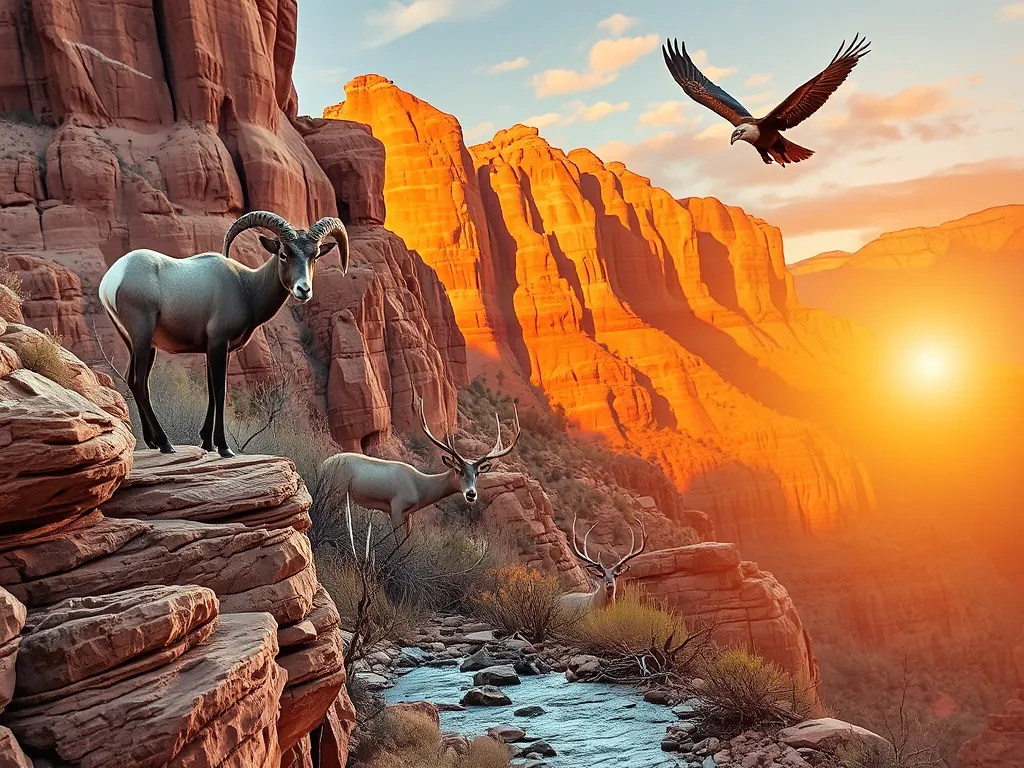
| Desert Bighorn Sheep | Rocky cliffs and ledges on Canyon Overlook Trail | High (especially dawn/dusk) |
| Mule Deer | Pa’rus Trail and canyon floor, grazing areas | Very high (dawn/dusk) |
| Rock Squirrels | Emerald Pools Trail area, rocky outcrops | High |
| Desert Foxes | Watchman Trail, open desert areas | Moderate (rare sightings) |
Zion National Park’s mammal population adapts well to the desert environment, with each species developing specific behaviors for survival. The park’s management practices have maintained healthy populations of these animals, particularly the iconic desert bighorn sheep that have become a symbol of Zion’s unique ecosystem. Visitors should note that these wild animals are best observed from a distance, using binoculars when possible to minimize disturbance.
Birds: From California Condors to Songbirds
Bird enthusiasts will find Zion National Park particularly rewarding, with California condors occasionally spotted soaring above Angels Landing when accessed via the West Rim Trail, especially during morning hours when thermals develop. The Emerald Pools Trail’s lush environment attracts a diverse array of songbirds, including several species that are adapted to the riparian habitat created by the Virgin River.
Raptors such as peregrine falcons and various hawks are commonly seen throughout the park, often perched on prominent cliff faces or circling overhead in search of prey. The park’s varied elevation zones create different bird habitats, from desert specialists to mountain species, making it a prime location for bird watching throughout the year.
Reptiles and Other Wildlife in Zion’s Ecosystems
- Various lizard species: Commonly seen on Watchman Trail and other rocky areas, these reptiles are most active during warm, sunny days when they can be seen basking on rocks.
- Smaller reptiles: Numerous snake and lizard species inhabit the quieter trails on the east side of the park, though they are often difficult to spot due to their camouflage and elusive nature.
- Invertebrates: The park’s diverse ecosystems support numerous insect species that play crucial roles in the food chain, though these are less commonly the focus of wildlife viewing.
While larger mammals often capture most of the attention, Zion’s reptile population represents an important component of the desert ecosystem. These cold-blooded animals have adapted remarkably well to the extreme temperature variations characteristic of the region, developing behaviors that allow them to thrive in an environment that would be challenging for many other species.
Best Times and Tips for Wildlife Viewing in Zion
Optimal Viewing Times: Early Morning vs. Late Afternoon
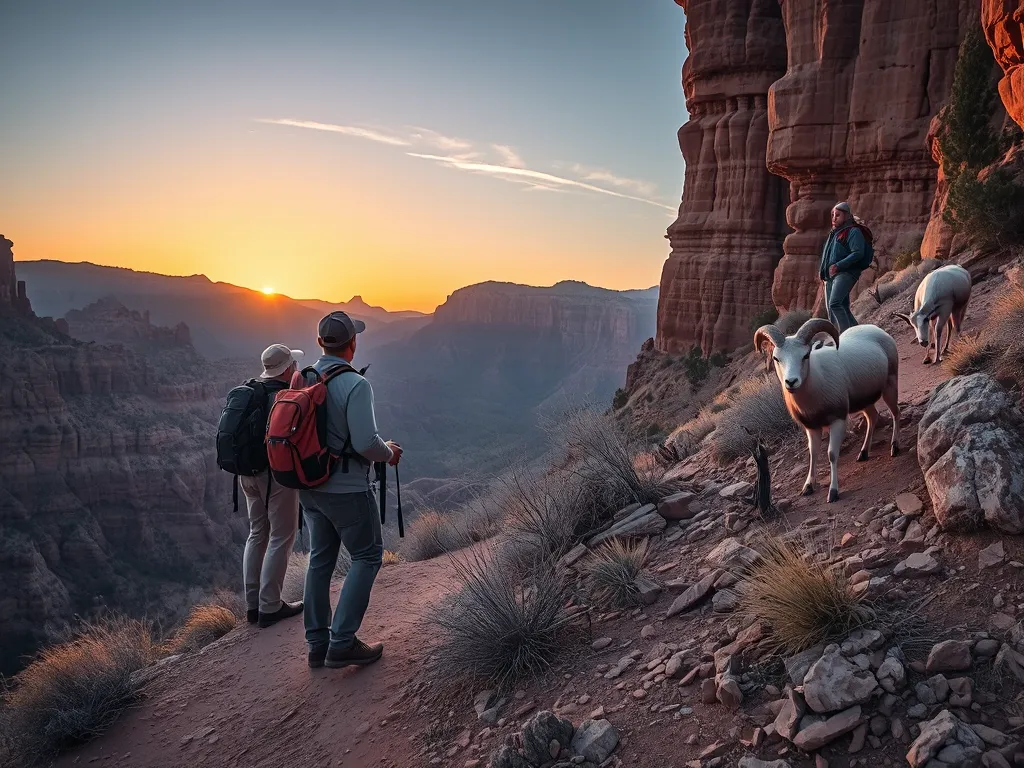
Early morning and late evening hours provide the absolute best wildlife viewing opportunities in Zion National Park, particularly for spotting mule deer on the canyon floor. During these cooler periods, animals are most active as they seek food and water before the midday heat becomes intense.
Dawn offers the advantage of fresh animal tracks and signs of recent activity, while dusk provides opportunities to observe animals returning to their nighttime habitats. The transition periods between day and night create ideal conditions for wildlife observation as animals move between different areas of their territory. For the most reliable sightings, plan your hikes to coincide with these cooler times of day, especially during the warmer months when animals are more likely to be concentrated near water sources.
Where to Find Wildlife: Water Sources and Vegetation Zones
- Emerald Pools and Virgin River: These water sources attract birds and mammals during hot, dry periods, creating reliable wildlife viewing opportunities throughout the day.
- Lush canyon bottoms: Areas with dense vegetation along trails like Pa’rus offer more diverse wildlife sightings compared to the exposed desert areas.
- East side trails: Quieter trails on the east side of the park often see less human traffic, resulting in more natural animal behavior and increased sightings.
Understanding animal behavior patterns and habitat preferences significantly increases your chances of successful wildlife viewing. Animals naturally congregate where resources are most abundant, making water sources and areas of dense vegetation prime locations for observation. By focusing your efforts on these key areas during optimal viewing times, you’ll maximize your opportunities to experience Zion’s diverse wildlife in their natural settings.
Safety Guidelines for Wildlife Viewing
When observing wildlife in Zion National Park, maintaining appropriate distances is crucial for both your safety and the animals’ well-being. For most wildlife, maintain at least 25 yards of distance, while for predators like cougars, keep 100 yards between yourself and the animal. Never attempt to feed wildlife, as this habituates animals to human presence and can lead to dangerous encounters.
Use binoculars or camera zoom lenses for closer observation without disturbing the animals’ natural behavior. Remember that wild animals are unpredictable, and what may seem like a calm animal can become defensive if it feels threatened or cornered. Always stay on designated trails and avoid approaching animals, even if they appear to be ignoring your presence.
One of the most surprising aspects of wildlife viewing in Zion is how different species have adapted to human presence—some animals like rock squirrels near popular trails have become habituated to visitors, while others maintain their natural wariness. For the best experience, consider bringing a pair of binoculars and planning your wildlife viewing itinerary around the park’s shuttle system, which operates from spring through fall and provides access to prime viewing areas while minimizing vehicle disturbance to animals. Wildlife conservation efforts in Zion continue to protect these species for future generations to enjoy.
Frequently Asked Questions About Best Hiking Trails For Wildlife Sightings In Zion National Park
Where to see wildlife in Zion National Park?
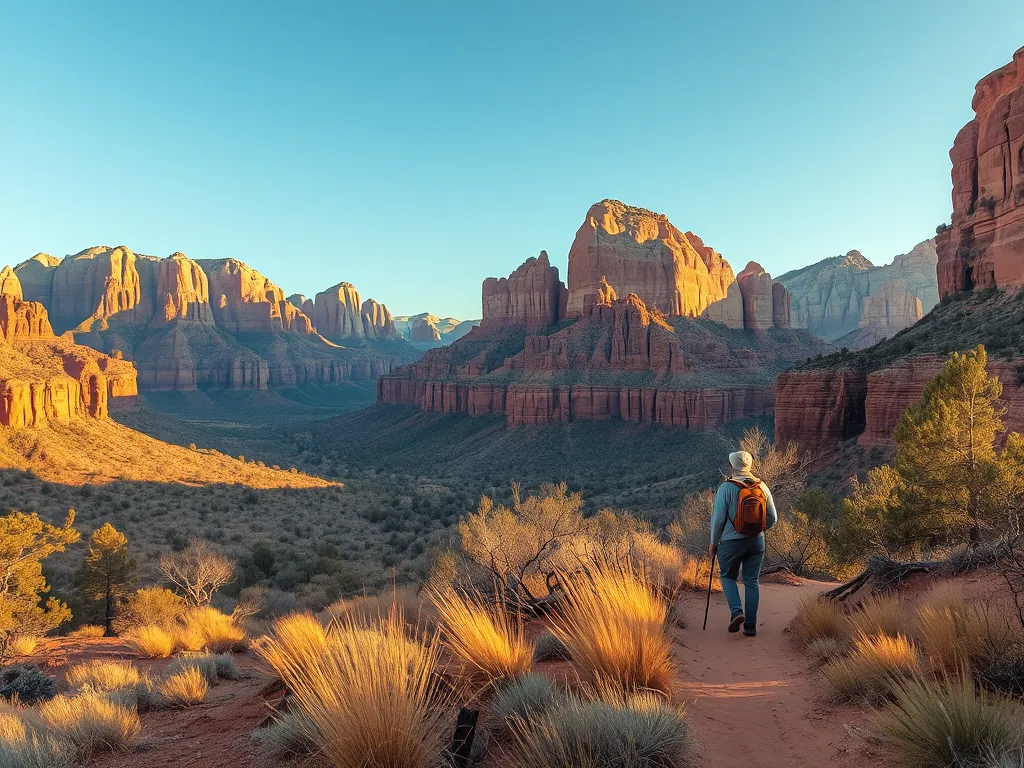
Desert Bighorn Sheep have high viewing likelihood on Canyon Overlook Trail's rocky cliffs, especially at dawn/dusk. Mule deer have very high viewing likelihood on Pa'rus Trail and canyon floor during dawn/dusk. Rock squirrels have high likelihood on Emerald Pools Trail in rocky outcrops.
What are the prettiest hikes in Zion National Park?
Emerald Pools Trail offers scenic water features and high likelihood of rock squirrel sightings in rocky outcrops. Canyon Overlook Trail provides stunning canyon views and high likelihood of desert bighorn sheep on rocky cliffs.
What is the best time for wildlife viewing in Zion National Park?
Dawn and dusk offer the highest viewing likelihood for most species. Desert Bighorn Sheep and Mule Deer have particularly high likelihood during these times. Maintain recommended viewing distances of 25-100 yards when observing wildlife in their natural habitats.