The most venomous animal on Earth is the Geographic Cone Snail (Conus geographus), not a snake or spider as many assume. Based on the LD50 toxicity metric, its venom is 1,000 times more effective than morphine, making it the deadliest creature by venom potency.
- The Geographic Cone Snail holds the title for most venomous animal based on LD50 toxicity.
- LD50 measures the lethal dose required to kill 50% of test subjects—lower values mean higher toxicity.
- Venomous animals inject toxins; poisonous animals release them passively—a critical distinction.
What Makes an Animal the Most Venomous?
Venom potency is measured by LD50 (median lethal dose), which calculates the amount of toxin needed to kill 50% of test subjects. Lower LD50 values indicate higher toxicity. The Geographic Cone Snail’s venom contains compounds 1,000 times more effective than morphine, according to research from Museums Victoria.
How LD50 Determines Venom Potency
LD50 is the scientific standard for ranking venom toxicity. It measures the dose required to be lethal in controlled tests.
The lower the LD50 value, the more potent the venom. For the Geographic Cone Snail, this metric places it above all snakes and spiders.
Why the Cone Snail Beats Snakes
While the Inland Taipan (Oxyuranus microlepidotus) has the most toxic snake venom, the cone snail’s cocktail of toxins is more lethal overall. The snake’s venom can kill over 100 humans with one bite, but the snail’s venom acts faster and targets multiple systems simultaneously.
Venomous vs. Poisonous: A Critical Distinction
The Geographic Cone Snail hunts by firing a harpoon-like tooth into prey, injecting venom instantly. Its toxins paralyze fish within seconds. This active injection method qualifies it as venomous, not poisonous.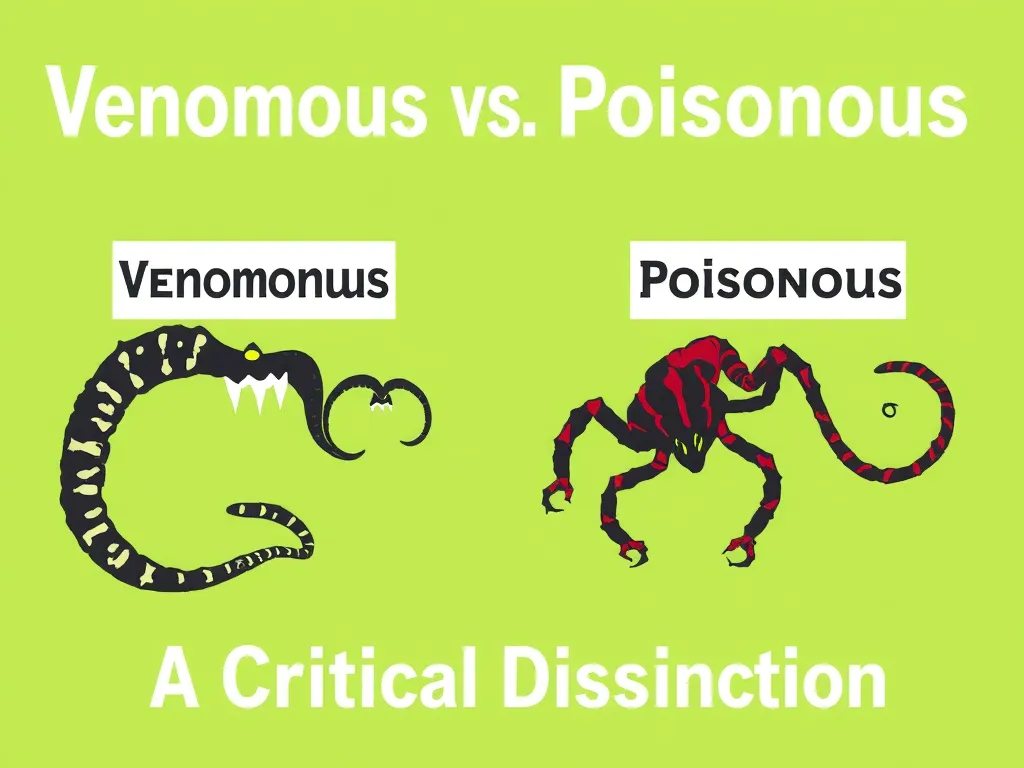 The Geographic Cone Snail’s Deadly Delivery
Common Misconceptions About Poisonous Animals
The Golden Poison Frog is often cited as deadly, but it is poisonous, not venomous. Its toxins are on its skin and enter the body through contact or ingestion.
Similarly, puffer fish are poisonous when eaten but not venomous. This confusion leads to incorrect rankings of venom potency.
The Top Venomous Contenders Ranked
Based on LD50 data, the Geographic Cone Snail ranks first. The Inland Taipan follows as the most venomous snake.
Other notable venomous animals include the Box Jellyfish, Stonefish, and Sydney Funnel-Web Spider. Each has unique toxins and delivery methods.
Geographic Cone Snail: The Deadliest
The Geographic Cone Snail’s venom contains conotoxins, which are neurotoxic and cardiotoxic. These compounds disrupt nerve signals and heart function. According to Discover Wildlife, its venom is so potent that a single snail has enough toxin to kill 10 humans.
Inland Taipan: The Most Toxic Snake
The Inland Taipan’s venom is the most toxic of any snake. One bite contains enough lethality to kill over 100 men. However, this snake is shy and rarely encounters humans, making it less dangerous in practice than its venom suggests.
Other Notable Venomous Animals
- Box Jellyfish: Produces powerful toxins that attack the heart and nervous system.
- Stonefish: Delivers venom through spines, causing extreme pain and potential death.
- Sydney Funnel-Web Spider: Its bite can be fatal without antivenom, but it is not the most venomous by LD50.
Why the Answer Surprises Most People
The Geographic Cone Snail is not an obvious choice for “most venomous animal.” It looks harmless and is associated with seafood, not danger. This counter-intuitive answer challenges common assumptions about snakes and spiders being the deadliest.
The Role of LD50 in Correcting Misconceptions
LD50 data provides objective rankings that override popular belief. While snakes like the Inland Taipan are highly venomous, the cone snail’s toxicity is superior when measured scientifically. This metric ensures accurate comparisons across species.
How Venom Potency Affects Real-World Danger
Venom potency does not always correlate with human risk. The Inland Taipan is rarely encountered, while the Stonefish is more likely to be stepped on.
Understanding both toxicity and exposure is key to assessing real danger.
For more on wildlife threats, explore how mangrove forests protect both wildlife and human communities.
Common Questions About Venomous Animals
What Are the 1 Most Venomous Animals on Earth?
The Geographic Cone Snail is the most venomous animal based on LD50 toxicity. Its venom is 1,000 times more effective than morphine, according to research from Museums Victoria.
What Is the Dangerous Animal in the World?
The mosquito is the deadliest animal overall, spreading diseases like malaria that kill millions annually. However, this question refers to venom potency, not disease transmission.
What Animal Is a Silent Killer?
The Stonefish is a silent assassin of the sea. It camouflages among rocks and delivers venom through spines when stepped on.
Its sting causes extreme pain and can be fatal without treatment.
For related topics, see which animal lives the longest.
Conclusion
The most venomous animal on Earth is the Geographic Cone Snail, a marine creature that challenges our assumptions about deadly wildlife. Its venom, ranked by LD50 toxicity, surpasses that of snakes and spiders. Understanding the difference between venomous and poisonous animals is key to accurate risk assessment.
Visit Wildlife to learn more about biodiversity and conservation efforts.