what is bycatch, marine animal deaths, bycatch statistics, fishing bycatch, NOAA, World Wildlife Fund
Bycatch is the unintended capture of non-target species in commercial fishing, and it kills an estimated 650,000 marine mammals annually worldwide. This hidden cost of the fishing industry affects whales, dolphins, sea turtles, and seabirds, making it a critical threat to ocean biodiversity.
- Bycatch kills approximately 650,000 marine mammals each year, according to NOAA and fisheries studies.
- Over 300,000 small whales, dolphins, and porpoises die from entanglement in fishing nets annually.
- Shrimp fishing nets alone may kill 50,000 endangered sea turtles every year.
- Global estimates suggest more than 1 million turtles, seals, dolphins, and other animals die from bycatch annually.
What exactly is bycatch and how does it happen?
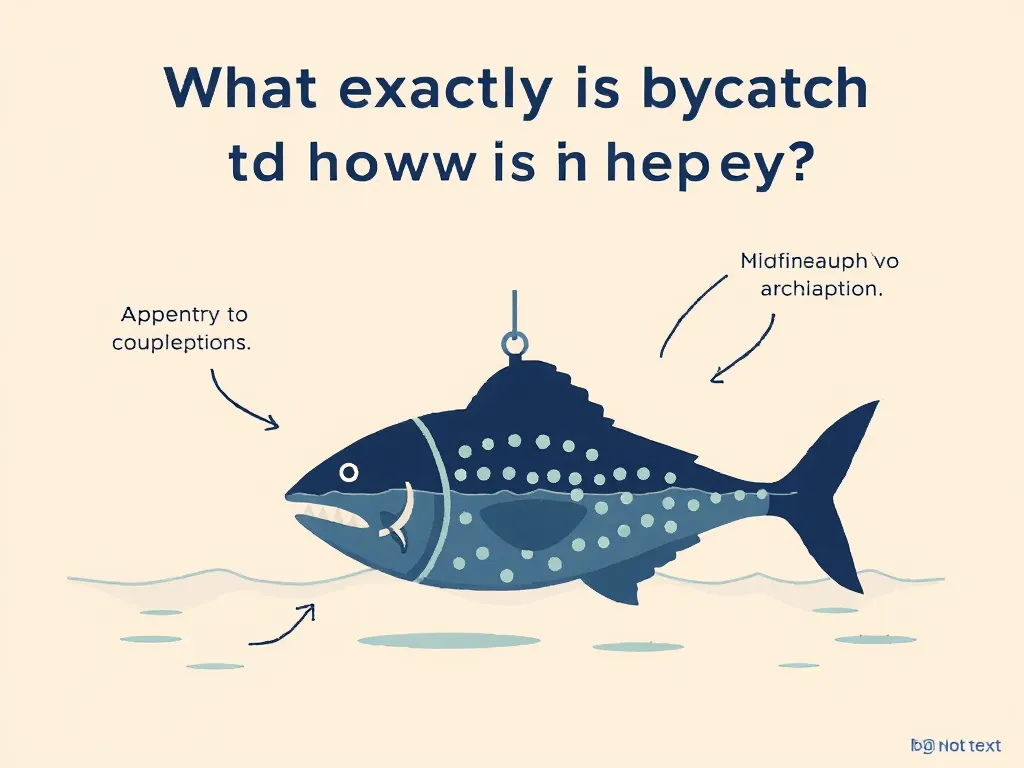
Bycatch refers to the incidental capture of non-target marine species during commercial fishing operations. According to NOAA, bycatch includes “discarded catch of marine species and unobserved mortality due to a direct encounter with fishing vessels and gear.” This means fish, mammals, and other ocean life are caught unintentionally and often discarded, injured, or killed.
How is bycatch defined by conservation organizations?
The World Wildlife Fund defines bycatch as the unintended capture of marine animals that are not the target species. This includes dolphins, whales, sea turtles, and seabirds that become hooked or entangled in fishing gear. Bycatch is a global problem that affects nearly every fishery, with the fraction of the haul that is bycatch varying widely depending on the fishing method and location.
What fishing methods cause the most bycatch?
Bycatch happens most commonly with gillnetting, longlines, and bottom trawling. Longlines can extend for dozens of kilometers, while gill nets and bottom trawls sweep vast areas of the ocean floor. These methods catch essentially everything in their path, leading to high rates of incidental capture for non-target species.
How many marine animals die from bycatch every year?
Global estimates indicate that hundreds of thousands of marine mammals die annually due to bycatch. The Marine Mammal Commission states that bycatch is the number one source of direct human-caused death and serious injury to marine mammals worldwide, estimated at over 650,000 individuals each year.
What are the specific mortality statistics for marine mammals?
The World Wildlife Fund estimates that over 300,000 small whales, dolphins, and porpoises die from entanglement in fishing nets each year. This makes bycatch the single largest cause of mortality for small cetaceans. Additionally, a study cited by IWC (International Whaling Commission) reports that over 300,000 whales and dolphins die annually due to bycatch and entanglement in fishing gear.
How many sea turtles and other animals are affected?
Bycatch impacts a wide range of species beyond marine mammals. Oceana reports that more than 50,000 endangered sea turtles may die every year tangled in nets meant for shrimp fishing.
Broader estimates from WWF suggest that more than 1 million turtles, seals, dolphins, and other animals die annually from bycatch. Seabirds are also heavily impacted, with a 2024 study finding at least 44,000 seabirds killed each year by bycatch.
What are the impacts of bycatch on marine ecosystems?
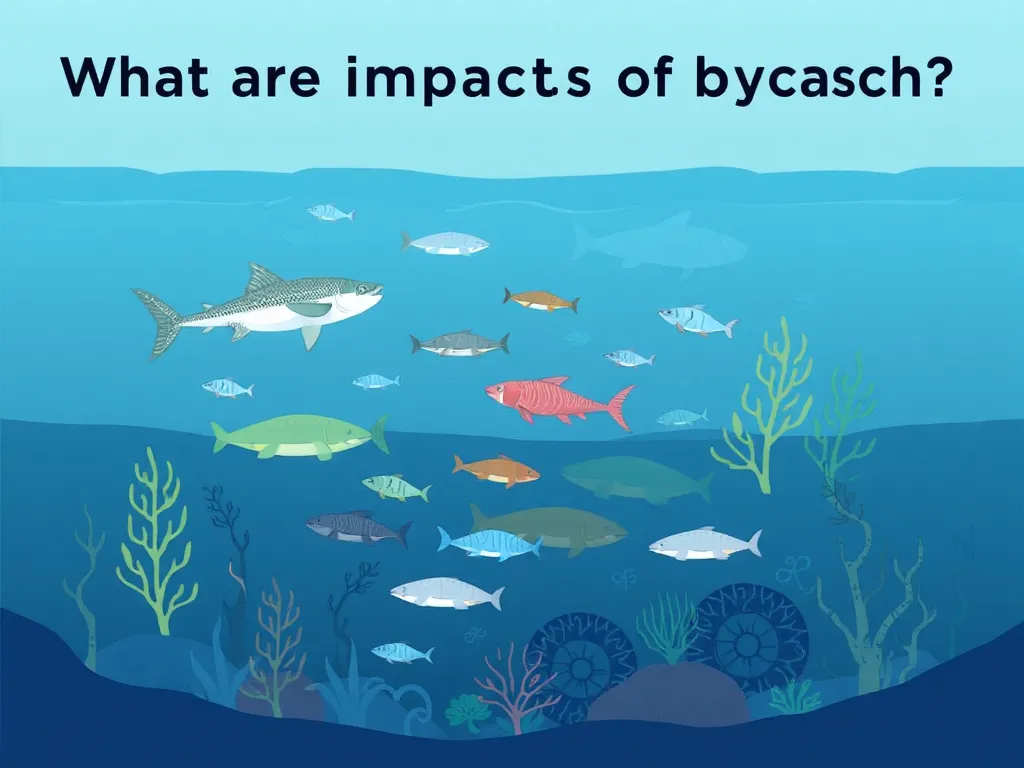
Bycatch contributes to fishery decline and is a mechanism of overfishing for unintentional catch. The removal of non-target species disrupts marine food webs and can lead to population declines for vulnerable species. According to Britannica, bycatch deaths of more than 650,000 marine mammals worldwide each year have devastating effects on ocean health.
How does bycatch threaten endangered species?
Endangered species like sea turtles, certain whale populations, and seabirds are particularly vulnerable to bycatch. For example, the North Atlantic right whale is critically endangered, and bycatch remains a significant threat to its survival. The Marine Mammal Commission notes that bycatch is the primary cause of serious injury and death for many marine mammal populations, hindering recovery efforts.
What is the economic impact of bycatch on fisheries?
While the research data focuses on ecological impacts, bycatch also has economic consequences for fisheries. Discarded catch represents lost revenue, and regulations to reduce bycatch can affect fishing operations. However, the primary focus of conservation efforts is to minimize the unnecessary suffering and death of marine animals.
Wildlife conservation efforts, including those addressing bycatch, are essential for maintaining healthy ocean ecosystems. For related topics, explore how light pollution affects nocturnal animals and how overfishing disrupts ocean biodiversity.
Bycatch remains a critical issue in 2026, with ongoing efforts by organizations like NOAA and the World Wildlife Fund to reduce incidental capture through better fishing practices and gear technology. The staggering number of marine animal deaths highlights the urgent need for sustainable fisheries management.