Rocky Mountain National Park offers premier wildlife viewing opportunities, with elk commonly seen in meadows like Moraine Park and Horseshoe Park, while bighorn sheep frequent Sheep Lakes from May through mid-August. The park’s diverse habitats support over 60 species of mammals, creating exceptional wildlife viewing experiences throughout the year. Visitors planning their wildlife adventures should know that the best sightings occur at dawn and dusk when animals are most active.
Key Takeaway
- Elk are commonly seen in meadows like Moraine/Horseshoe Park
- Best wildlife viewing occurs at dawn and dusk
- Maintain 75+ feet from most wildlife, 120+ feet from bears/moose
Wildlife by Habitat Zones and Specific Trails
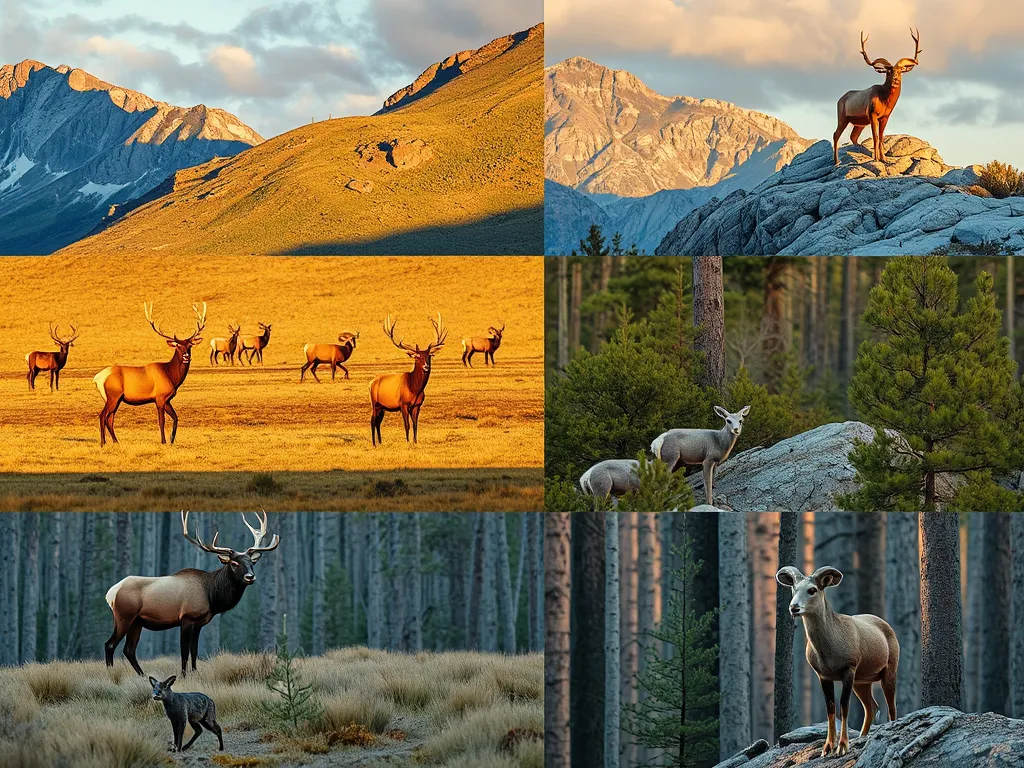
Alpine Tundra Wildlife: Ute Trail and Trail Ridge Road
-
Yellow-bellied marmots thrive in high-altitude rocky trails along Ute Trail and Trail Ridge Road, often sunning themselves on rocks during warm summer days. These social rodents create complex burrow systems and can weigh up to 11 pounds, making them one of the largest ground squirrels in North America.
-
American pikas can be spotted along the Tundra Communities Trail, identifiable by their high-pitched barks and haypiles they store for winter. These small, rabbit-like relatives are particularly active during July and August when they’re busy collecting vegetation for their winter caches.
-
White-tailed ptarmigans are found in alpine environments, blending perfectly with rocky terrain and changing feather color with seasons. In winter, their feathers turn completely white for camouflage, while summer reveals brown and black speckling that matches the tundra vegetation.
-
Look for golden eagles and prairie falcons soaring above the tundra, particularly along Trail Ridge Road where open skies provide excellent hunting grounds. These raptors can often be spotted circling thermal updrafts during midday hours.
-
The alpine tundra ecosystem supports unique wildlife adapted to harsh conditions, with viewing opportunities best during summer months (July-September) when trails are accessible and animals are active. Temperatures at 12,000 feet can drop significantly, so bring layers even in summer.
The alpine tundra ecosystem supports unique wildlife adapted to harsh conditions, with viewing opportunities best during summer months when trails are accessible and animals are active. The Tundra Communities Trail offers particularly good pika sightings, while rocky outcrops along Ute Trail often harbor marmot colonies.
Early morning viewing is ideal as animals are most active before the tundra heats up. Remember that alpine environments are fragile – stay on designated trails to protect these sensitive habitats.
Montane Meadows: Moraine Park and Horseshoe Park
-
Large herds of elk are visible in meadows, especially during fall rut (September-October) when males bugle and compete for mates. During this period, bull elk can weigh up to 1,100 pounds and may travel up to 20 miles per day while searching for receptive cows.
-
Mule deer forage in these areas year-round, often spotted browsing on shrubs and grasses near tree lines.
These deer are distinguished from white-tailed deer by their large ears, black-tipped tails, and distinctive bounding gait when fleeing.
-
Best viewing occurs at dawn and dusk when elk are most active, with meadows offering unobstructed sightlines for photography. Morning light creates ideal conditions for capturing the steam rising from elk as they exhale in the cool mountain air.
-
Coyotes may occasionally be seen patrolling the edges of meadows, particularly in early morning hours. These intelligent predators typically hunt alone or in pairs, often using the cover of dawn and dusk to search for small mammals and carrion.
-
The meadows also support a variety of smaller wildlife including ground squirrels, voles, and occasional red foxes.
These animals create a complete ecosystem that supports larger predators while contributing to the park’s biodiversity.
Montane meadows like Moraine Park and Horseshoe Park provide the best opportunities for viewing large mammal herds in Rocky Mountain National Park. These open areas support abundant vegetation that attracts herbivores, which in turn draw predators.
The fall rut season offers particularly dramatic elk displays, making these meadows prime wildlife viewing destinations. Visitors should note that Moraine Park is accessible by shuttle during peak season, reducing vehicle traffic and improving wildlife viewing opportunities.
Wildlife Viewing Safety and Best Practices
Safe Distances: How Close Can You Get to Wildlife?
| Wildlife Species | Recommended Distance |
|---|---|
| Elk and Sheep | 75+ feet (about 2 bus lengths) |
| Moose and Bears | 120+ feet |
| Small mammals (squirrels, pikas) | 25+ feet |
| Birds | 50+ feet |
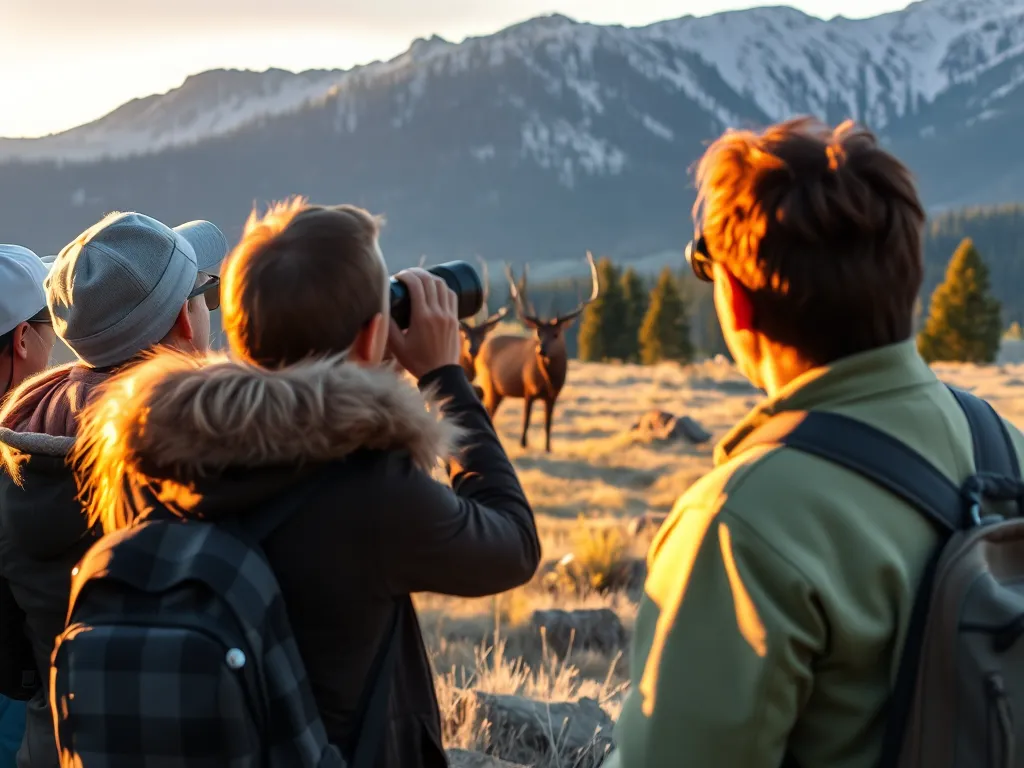
Maintaining proper distances protects both wildlife visitors and animals themselves. When an animal changes its behavior due to your presence—stops eating, looks at you, or moves away—you’re too close. These minimum distances are enforced by law and designed to prevent wildlife from becoming habituated to humans, which can lead to dangerous encounters.
For photography, use telephoto lenses (200mm or longer) to capture intimate wildlife images without disturbing animals. If wildlife approaches you, remain calm and give them space to retreat naturally.
Never position yourself between adults and their young, as this triggers protective instincts. For large animals like elk and moose, always have an escape route in mind and avoid cornering them near cliffs or water bodies. The park’s wildlife viewing guidelines emphasize that even at safe distances, you should never feed wildlife, as this habituates animals to human food and alters their natural behaviors.
Optimal Viewing Times: When Are Animals Most Active?
Early morning and early evening are consistently the best times for wildlife viewing in Rocky Mountain National Park. Elk are crepuscular, meaning they’re most active during dawn and dusk hours, which coincides with their natural feeding patterns.
Moose, typically found in wet areas like Kawuneeche Valley, also show increased activity during cooler parts of the day. The optimal viewing window generally extends from one hour before sunrise to two hours after, and from three hours before sunset until dark.
Seasonal patterns significantly affect wildlife visibility – summer months offer the most diverse sightings, while winter concentrates animals in lower elevation valleys where food is more accessible. Bird species like Clark’s nutcrackers and Steller’s jays remain active throughout daylight hours but are most visible during morning foraging sessions.
Weather conditions also play a crucial role: after light rain or snow, animals often become more active as they take advantage of the fresh vegetation and increased moisture. Always check the park’s weather forecast and road conditions before planning your wildlife viewing excursions.
Wildlife Species and Their Seasonal Patterns
Most Common Animals in Rocky Mountain National Park
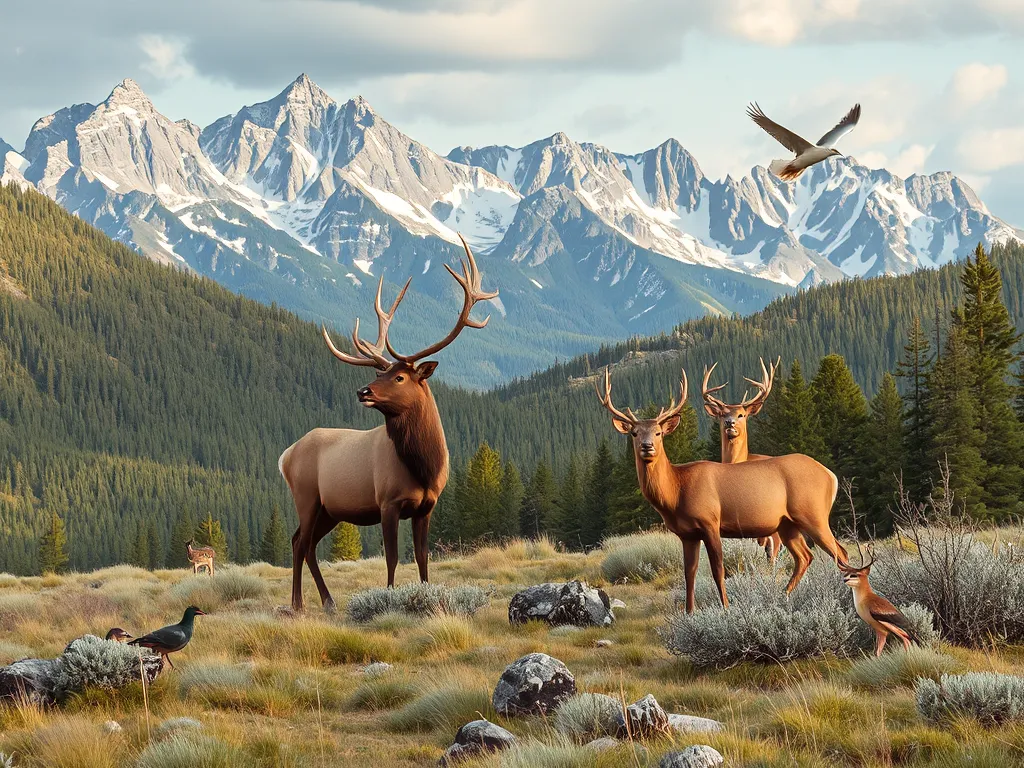
Elk are the undisputed kings of the park, with an estimated population of 3,000 individuals that can be observed throughout most elevations. These magnificent creatures are particularly abundant in meadow areas during dawn and dusk hours.
Bighorn sheep, the official symbol of Rocky Mountain National Park, are frequently spotted near Sheep Lakes on the east side from May through mid-August, though smaller groups may be seen year-round in rocky outcrops. The park’s bighorn population consists of approximately 300 individuals, making sightings relatively common but always special.
Moose have become increasingly visible in recent years, with frequent sightings reported near East Inlet and Sprague Lake on the west side, as well as in the willow-heavy Kawuneeche Valley area. While not native to the park, moose populations have established themselves naturally through migration from neighboring areas.
Other commonly encountered species include mule deer (estimated 3,500 individuals), coyotes, and various small mammals like pikas and marmots that inhabit high-elevation rocky terrain. Bird enthusiasts can spot over 280 species throughout the year, including the distinctive call of the white-tailed ptarmigan in alpine zones.
Seasonal Wildlife Viewing: When to See Different Species
| Species | Best Viewing Season | Prime Locations |
|---|---|---|
| Bighorn Sheep | May through mid-August | Sheep Lakes (east side) |
| Elk | September-October (rut) | Moraine Park, Horseshoe Park |
| Moose | Year-round, best in summer | Kawuneeche Valley, East Inlet |
| Marmots & Pikas | June-September | High-elevation rocky trails |
| Black Bears | Spring and early summer | Subalpine forests |
Seasonal migrations and behavioral changes create distinct wildlife viewing opportunities throughout the year. Spring brings emerging bears and newborn elk calves, while fall offers the dramatic elk rut with bugling males competing for mates. During September and October, bull elk can be heard bugling across the valleys as they establish dominance and attract mates.
Winter concentrates wildlife in lower elevations where food is more accessible, making certain areas like Kawuneeche Valley prime winter viewing locations despite challenging trail conditions. The park’s shuttle system operates from late May through October, providing access to key wildlife viewing areas without the need for personal vehicles.
Do You Need Bear Spray When Hiking in Rocky Mountain National Park?
While black bears are present throughout Rocky Mountain National Park, actual sightings remain rare, with most encounters involving bears that quickly flee human presence. According to park statistics, only about 3% of wildlife tours result in bear sightings.
The National Park Service advises that bear spray is not required for hiking in RMNP, but recommends making noise while hiking, especially in areas with limited visibility, and carrying bear spray if it makes you feel more comfortable. Bear spray has proven effective in deterring bears in over 90% of encounters when used properly.
If you encounter wildlife, the recommended approach is to make lots of noise and slowly back away – never run, as this can trigger a chase response. For bears specifically, identify yourself as human by speaking calmly and waving your arms.
If a bear approaches, stand your ground and use bear spray if the bear comes within 25 feet. For those interested in learning more about bear safety practices, our guide on how to safely observe bears in US national parks provides comprehensive information on wildlife encounters.
The most surprising aspect of wildlife viewing in Rocky Mountain National Park is how predictable animal behavior has become – elk follow established meadow trails at dawn and dusk, bighorn sheep return to the same rocky outcrops annually, and moose consistently browse in specific willow thickets. To maximize your wildlife viewing experience, check the NPS Interactive Map before your visit to view current trail conditions and recent wildlife sightings reported by park rangers and visitors.