At least 11 million metric tons of plastic enter the ocean annually, directly killing marine wildlife through ingestion and entanglement. This pollution affects over 700 species, causing starvation, internal injuries, and drowning. The problem intensifies as plastic breaks down into smaller fragments, creating a pervasive threat that disrupts entire ecosystems from the smallest plankton to the largest whales.
- Plastic fills animal stomachs without nutrition, leading to starvation.
- Entanglement in debris restricts movement and prevents surfacing for air.
- Toxic chemicals from plastics poison the food chain, affecting reproduction.
Mechanisms of Plastic Ingestion and Starvation
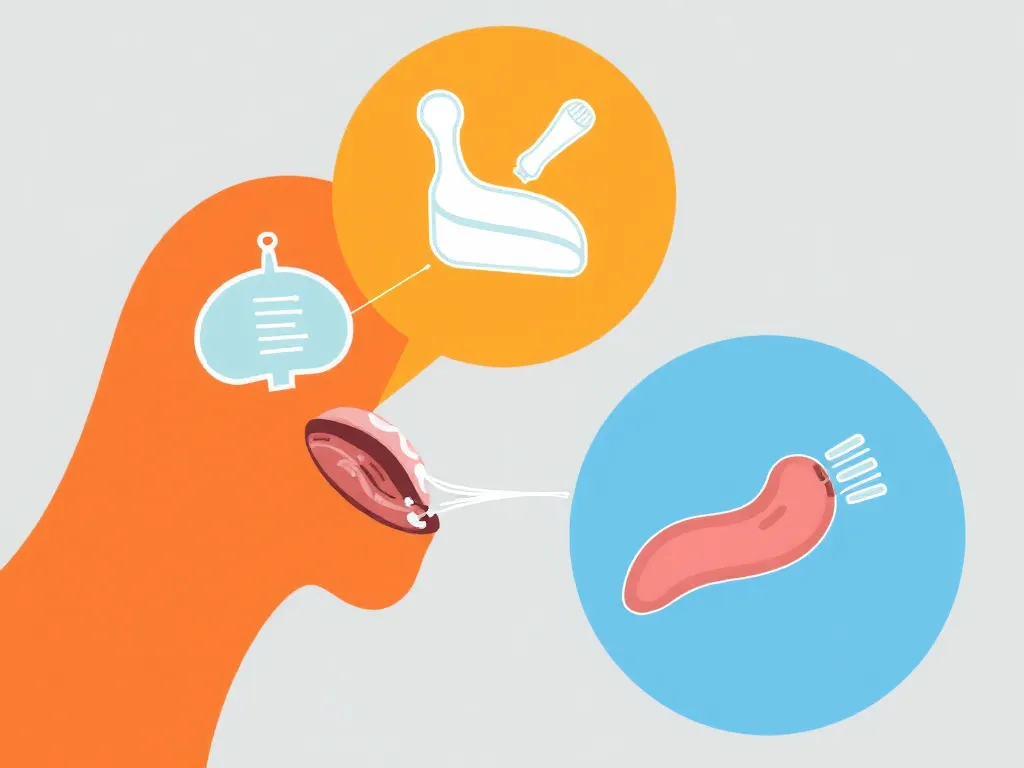
Marine animals often mistake plastic for food, leading to fatal consequences. Sea turtles, for example, confuse plastic bags with jellyfish. This visual similarity is a primary driver of ingestion events globally.
When ingested, plastic fills the stomach, providing no nutrition and creating a false sense of fullness. This leads to starvation over time, as the animal stops seeking real food.
The physical blockage caused by plastic is severe. A study by the U.S. Department of the Interior (2019) notes that plastic ingestion leads to intestinal blockage and starvation in wildlife.
This is not a rare event; it is a documented cause of mortality across numerous species. The plastic does not decompose inside the animal, remaining as a foreign object that disrupts normal digestive function.
How Plastic Blocks Digestive Tracts
Ingested plastics, such as hard fragments or sheets, can puncture organs or block the digestive tract. This causes internal injuries and slow, painful deaths.
Sharp plastic edges can lacerate the stomach lining and intestines, leading to infection and internal bleeding. The blockage prevents the passage of food and waste, causing the digestive system to shut down completely.
The NOAA Marine Debris Program (2026) reports that over 1,400 marine species are documented to ingest or become entangled in marine debris. This includes everything from tiny zooplankton to massive sperm whales. The ingestion of plastic is not selective; it affects filter feeders, predators, and scavengers alike, demonstrating the universal reach of this pollution.
The Role of Seabirds in Plastic Ingestion
Seabirds are particularly vulnerable. Studies suggest that 90% of seabirds contain plastic debris in their bodies.
This ingestion disrupts their digestive systems and reduces their ability to feed properly, leading to mortality. Parent seabirds often mistake plastic pieces for food and feed them to their chicks, causing high mortality rates in young birds before they even fledge.
Research from the University of Tasmania (2025) indicates that seabirds like albatrosses and petrels are most affected due to their foraging habits over open oceans. They skim the water surface, picking up floating plastic fragments along with their natural prey. This constant ingestion leads to a gradual accumulation of plastic in their stomachs, which can weigh them down and reduce their flight efficiency.
Entanglement and Physical Injury in Marine Life
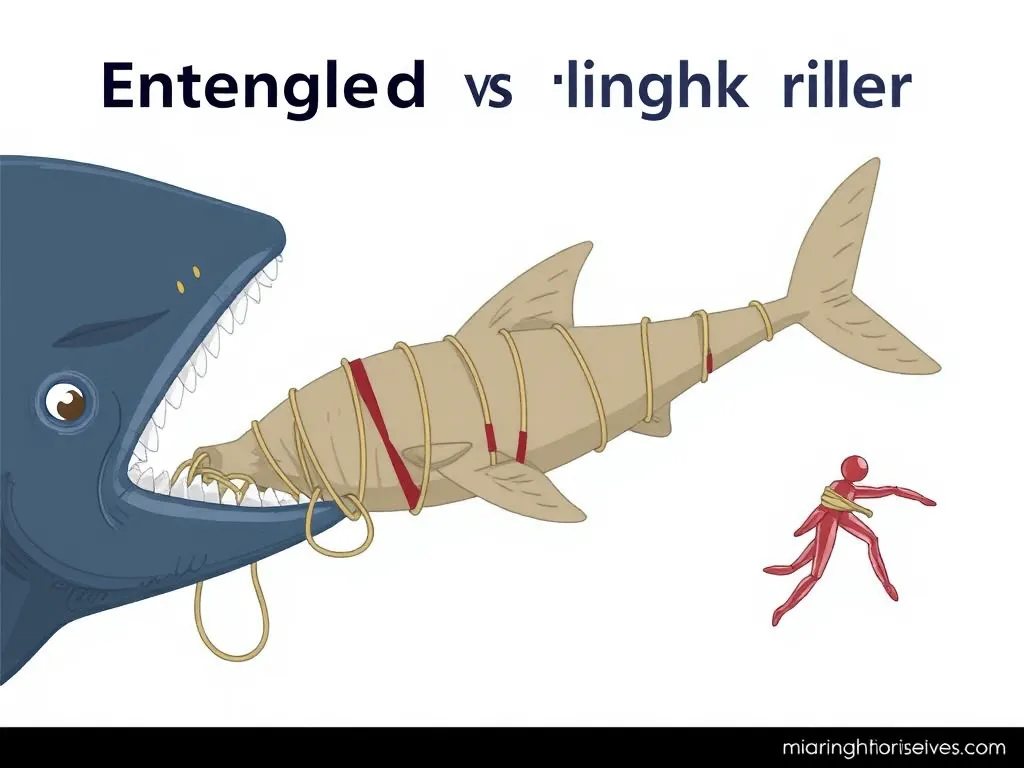
Discarded fishing nets, packing straps, and balloons entangle marine mammals, turtles, and fish. This restricts movement, prevents surfacing for air, and stops feeding, often resulting in drowning or suffocation. Ghost fishing gear—abandoned or lost fishing equipment—is a major contributor, continuing to catch and kill marine life for years after being discarded.
Entanglement is a leading cause of injury and death for marine species. The WWF Australia (2025) reports that 100,000 marine mammals die yearly from plastic ingestion or entanglement. This figure underscores the scale of the problem, with entanglement being a particularly gruesome fate for animals that rely on mobility for survival.
How Entanglement Causes Drowning
When animals become trapped in plastic debris, they cannot reach the surface to breathe. Marine mammals like seals and dolphins are especially at risk.
The pressure from entanglement can cause deep wounds, and the struggle to free themselves often leads to exhaustion and drowning. This is a common fate for sea turtles, whose flippers get caught in fishing lines or plastic rings.
The NOAA Fisheries (2026) data shows that entanglement in fishing gear is the primary threat to the North Atlantic right whale, with over 80% of the population showing scars from past entanglements. This chronic entanglement reduces reproductive success and increases mortality rates, pushing the species closer to extinction.
Infection and Mutilation from Plastic Debris
Plastic wrapped around animals cuts deep into their skin, leading to severe injuries and fatal infections. This is common in species like sea turtles and marine mammals, where debris causes open wounds that become infected. As the animal grows, the plastic tightens, cutting deeper into muscle and bone.
A report by the Marine Conservation Society (2026) details how entangled animals suffer from restricted blood flow, leading to tissue necrosis. The plastic acts as a tourniquet, cutting off circulation and causing limbs or flippers to die off. This mutilation not only causes immense pain but also reduces the animal’s ability to hunt, escape predators, and reproduce.
Toxicity and Microplastics in the Food Chain
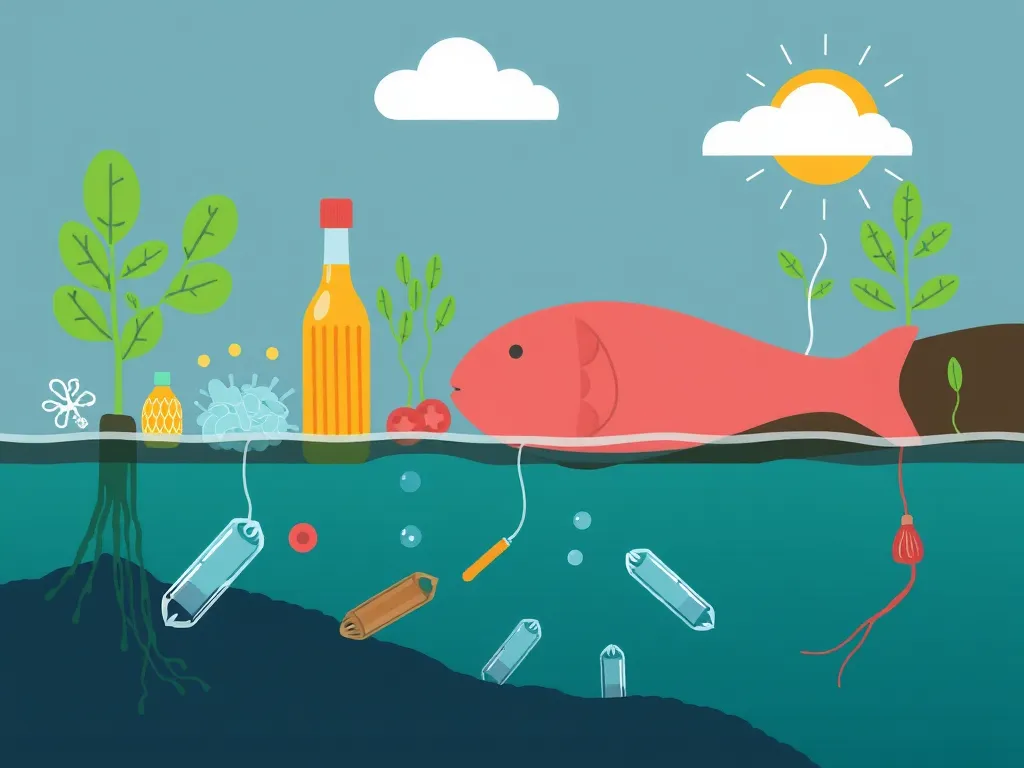
Microplastics clog the gills and tissues of small organisms, causing stunted growth and neurotoxicity. These tiny plastics absorb toxic chemicals, which then enter the food chain and affect larger animals. Microplastics are defined as plastic particles less than 5 millimeters in size, and they are now found in every ocean on Earth, from the surface to the deepest trenches.
The United Nations Environment Programme (UNEP) (2026) estimates that there are 51 trillion microplastic particles in the ocean, outnumbering the stars in our galaxy. These particles are ingested by plankton, the base of the marine food web, and are then passed up to fish, seabirds, and marine mammals, accumulating in higher concentrations at each trophic level.
How Microplastics Affect Small Organisms
Microplastics can clog the gills of fish and shellfish, reducing their oxygen intake and growth rates. This disrupts the base of the marine food web, impacting species that rely on these organisms for food. For example, oysters and mussels filter feed on plankton and inadvertently ingest microplastics, which can reduce their reproductive output by up to 50%, according to a study by the University of Plymouth (2025).
Zooplankton, which form the foundation of marine ecosystems, also consume microplastics. Research shows that this ingestion reduces their ability to store energy, affecting their survival and the energy transfer to larger predators. This has cascading effects on fish stocks and the overall health of marine biodiversity.
Toxic Chemicals Entering the Food Chain
Plastics absorb pollutants like PCBs and DDT, which are released when ingested by marine animals. These toxins accumulate in tissues, leading to reproductive issues and immune system suppression.
According to Environment America (2025), plastic waste leaks dangerous toxins that harm marine life. The chemicals act as endocrine disruptors, interfering with hormone systems and causing developmental abnormalities.
A 2026 report by the International Union for Conservation of Nature (IUCN) highlights that microplastics act as vectors for persistent organic pollutants (POPs). When ingested, these toxins are released into the animal’s bloodstream, leading to bioaccumulation. This means that top predators like orcas and sharks have the highest concentrations of these harmful chemicals, which can lead to population declines.
What You Need to Address Plastic Pollution
To combat ocean plastic pollution, individuals and organizations can take specific actions. Reducing plastic use, participating in cleanups, and supporting policies that limit plastic production are critical steps. The UNEP (2026) emphasizes that a systemic approach is needed, targeting the entire lifecycle of plastic from production to disposal.
Effective action requires understanding the sources of plastic waste. Most ocean plastic comes from land-based sources, including litter and mismanaged waste.
Addressing these sources requires community involvement and policy changes. For example, the Global Plastic Action Partnership (2026) works with governments and businesses to implement circular economy models that reduce plastic waste.
Tools and Materials for Cleanup Efforts
- Reusable bags and bottles: Replace single-use plastic items with durable alternatives to reduce waste generation.
- Gloves and nets: Essential for beach and ocean cleanups to safely collect debris without harming wildlife.
- Education materials: Raise awareness about plastic pollution and promote behavioral change in communities.
Participating in organized cleanups, such as those led by the Ocean Conservancy (2026), can remove tons of plastic from coastlines annually. However, cleanup efforts must be paired with prevention strategies to be truly effective.
Prerequisites for Effective Action
Understanding the sources of plastic waste is essential. Most ocean plastic comes from land-based sources, including litter and mismanaged waste.
Addressing these sources requires community involvement and policy changes. Individuals can start by conducting a plastic audit at home to identify single-use items and replace them with sustainable alternatives.
Policy advocacy is also crucial. Supporting legislation like the Break Free From Plastic Pollution Act (proposed in 2026) can hold producers accountable and mandate reductions in plastic production. Community groups can organize letter-writing campaigns and public forums to influence local and national policies.
Common Mistakes and Troubleshooting
Avoiding common pitfalls can improve the effectiveness of plastic pollution efforts. For example, using biodegradable plastics that still break down into microplastics is not a solution.
Focus on reducing overall plastic consumption instead. Many “eco-friendly” alternatives require specific conditions to decompose and may not break down in marine environments.
Another mistake is focusing solely on visible trash while ignoring microplastics. Effective efforts must include education and policy advocacy to prevent plastic from entering the ocean in the first place. Cleanups that only collect large debris miss the invisible threat of microplastics, which require filtration systems and source reduction strategies.
Warning: Biodegradable Plastics Are Not a Fix
Many “biodegradable” plastics require industrial composting facilities and still fragment into microplastics in the ocean. They do not solve the pollution problem and can add to the toxicity. A 2026 study by the University of California, Santa Barbara found that most biodegradable plastics do not break down in marine conditions and can persist for years, similar to conventional plastics.
Consumers should be wary of greenwashing claims and focus on reducing plastic use altogether. The most effective solution is to avoid single-use plastics and support systems that prioritize reuse and refill models.
Troubleshooting Ineffective Cleanups
Cleanups that focus only on visible trash miss microplastics. Effective efforts must include education and policy advocacy to prevent plastic from entering the ocean in the first place. To address microplastics, communities can install filtration systems in stormwater drains and wastewater treatment plants to capture plastic particles before they reach the ocean.
Additionally, supporting research on plastic alternatives and cleanup technologies is vital. Innovations like The Ocean Cleanup (2026) project aim to remove plastic from the Great Pacific Garbage Patch, but prevention remains the most cost-effective strategy.
What’s Next: Building on Plastic Pollution Knowledge
After understanding how plastic kills marine wildlife, explore related topics like what is illegal wildlife trafficking and which animals are most targeted to see how human activities threaten species. Additionally, learn about how agriculture expansion threatens rainforest animals for a broader view of habitat loss.
For climate impacts, read about how climate change affects polar bears specifically. These resources deepen your understanding of Wildlife conservation challenges.