The reintroduction of gray wolves to Yellowstone National Park in 1995 triggered a trophic cascade that fundamentally altered the ecosystem, including the physical behavior of rivers. By reducing elk overgrazing, wolves allowed vegetation to recover along riverbanks, which stabilized the soil and reduced erosion. This process narrowed river channels and increased pool formation, demonstrating how top predators can shape geography.
Key Takeaways
- Wolves were reintroduced to Yellowstone in 1995 after a 70-year absence.
- The presence of wolves created a “landscape of fear,” changing elk feeding habits.
- Vegetation recovery along riverbanks reduced erosion and stabilized river flow.
How Wolves Triggered a Trophic Cascade in Yellowstone
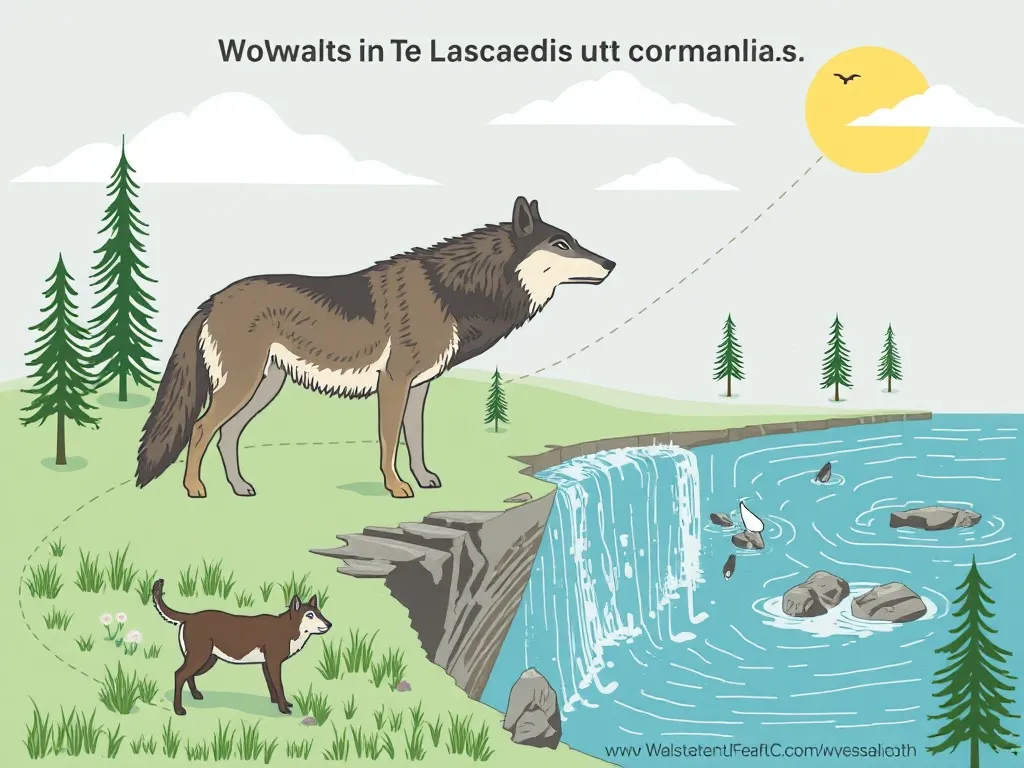
A trophic cascade is an ecological event where the top predator suppresses the abundance or behavior of their prey, indirectly benefiting the next lower trophic level. In Yellowstone, the reintroduction of wolves initiated a top-down cascade that rippled through the entire ecosystem. This process began in 1995 and its effects are still being documented in 2026, showing how predator presence can restructure an environment from the top down.
What Is a Trophic Cascade and How Did It Occur?
Trophic cascades are powerful indirect interactions that control entire ecosystems. According to research, a top-down cascade occurs when predators are effective enough to reduce prey abundance or alter their behavior (Source: Wilmers, C.
C., 2012). In Yellowstone, the reintroduction of wolves in 1995 served as the catalyst for this process.
The mechanism is specific: wolves preyed on elk, but more importantly, their presence changed elk behavior. Elk avoided “risky” areas where they were vulnerable to attack. This behaviorally mediated trophic cascade meant that willows and other plants showed signs of release before elk populations even became significantly low (Source: Beyer et al., 2007).
The wolves did not just reduce elk numbers; they changed where elk fed. This shift in behavior allowed specific plant species, such as willows and aspens, to regenerate in areas they had been absent from for decades.
How Did Wolves Cause a Trophic Cascade?
The wolves caused the cascade through a mechanism known as the “landscape of fear.” By hunting elk, wolves forced them to alter their feeding habits. Elk stopped over-browsing tender young trees along riverbanks and in valleys because those areas became dangerous. This change in elk behavior allowed vegetation to regenerate.
Trees like aspens, willows, and cottonwoods began to grow again, specifically along riverbanks. The recovery of these plants was the first visible step in the cascade, setting the stage for physical changes to the land and water.
By 2026, researchers have documented that this vegetation recovery was not uniform; it occurred most strongly in riparian zones where elk had previously concentrated their grazing pressure. The presence of wolves effectively created “refuges” for plants in these high-risk zones.
How River Systems Changed Due to Wolf Presence
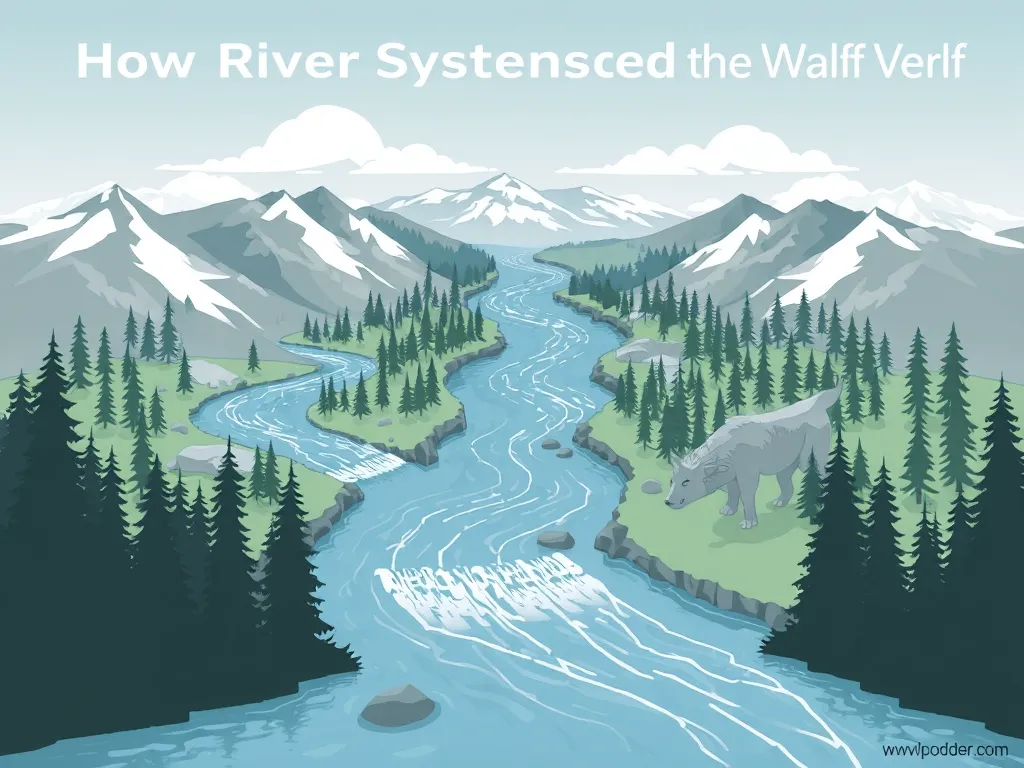
The recovery of vegetation along riverbanks had direct physical consequences for the rivers themselves. The roots of these trees anchored the soil, leading to significant changes in river morphology. This process, observed over decades, demonstrates a direct link between biological activity and geological formation.
How Were Rivers Affected by the Wolves?
By reducing elk overgrazing, wolves allowed trees and shrubs to regrow along riverbanks. This vegetation stabilized the soil and prevented erosion.
With stronger banks, rivers meandered less, deepened, and retained water more effectively. According to the International Wolf Center, the trees anchored the soil, reduced erosion, narrowed channels, and increased pool formation.
These changes created healthier wetland habitats and improved water quality. The physical structure of the rivers changed because the land supporting them became more stable.
In 2026, hydrological studies confirm that these riparian zones now exhibit higher root density, which directly correlates with reduced bank collapse during high-flow events. The narrowing of channels increased the velocity of water in the center, scouring deeper pools that support trout populations.
How Did Rivers Change in Yellowstone Park?
The wolves changed the behavior of the rivers. Before the reintroduction, overgrazing had left riverbanks bare and prone to erosion.
After the cascade began, the rivers started to meander less. There was less erosion, channels narrowed, and more pools formed.
These physical changes were great for wildlife. The deeper pools and narrower channels provided better habitats for fish and amphibians. The stabilization of riverbanks also led to a rise in beaver populations, which created dams that further slowed water flow and created ponds.
This broader ecosystem effect increased biodiversity, benefiting species from songbirds to grizzly bears. By 2026, beaver colonies have expanded significantly, with their dams acting as natural water filtration systems that improve downstream water clarity and nutrient retention.
Broader Ecosystem Impacts and Current Status
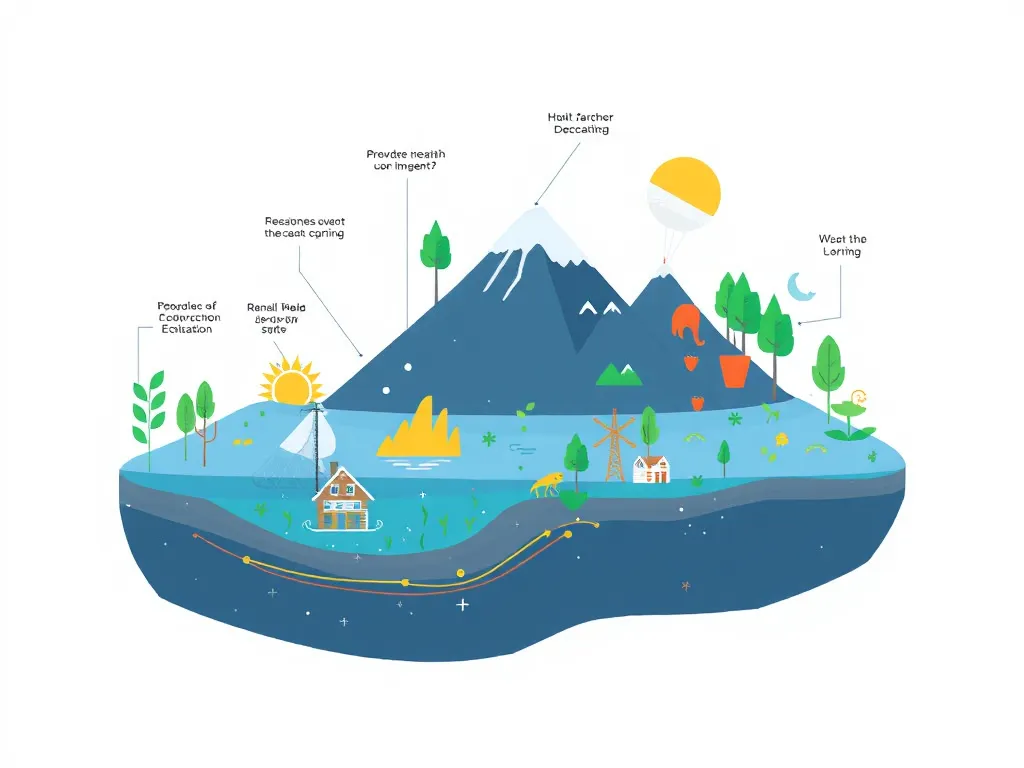
The trophic cascade extended beyond river stabilization to affect the entire Greater Yellowstone Ecosystem. While some recent studies argue the story is more complex due to climate change, the consensus remains that wolves had a profound impact. In 2026, long-term monitoring data continues to support the initial findings, though scientists emphasize that multiple factors now interact with the wolf effect.
What Are the Broader Ecosystem Effects?
The cascading effects increased biodiversity across the park. Stable riverbanks and more trees led to a rise in beaver populations.
Beavers built dams that slowed water flow, created ponds, and provided habitats for fish, amphibians, and other wildlife. Additionally, the presence of wolves decreased the population of coyotes, which had been thriving in the absence of a larger predator.
This shift benefited smaller mammals and birds. The ecosystem became more balanced and complex, demonstrating the importance of top predators in maintaining ecological health.
In 2026, data shows that coyote densities have stabilized at lower levels than pre-wolf reintroduction, allowing mesopredators like foxes and smaller carnivores to rebound. This has created a more diverse predator guild, which enhances overall ecosystem resilience.
Is the Trophic Cascade Story Still Valid in 2026?
While some studies suggest the trophic cascade story is less “clear-cut” than often portrayed—citing factors like climate change and human activity—the consensus remains that wolf reintroduction had a profound impact. The Wildlife dynamics in Yellowstone continue to be a subject of research, but the initial effects on river stabilization are well-documented.
For those interested in how animal interactions shape ecosystems, understanding symbiosis in nature provides further insight into these complex relationships. Additionally, the role of keystone species in food webs, such as what a food web is and how extinctions break it, highlights the interconnectedness of these ecological processes. In 2026, researchers emphasize that the wolf effect is one component of a dynamic system where climate, fire, and human management also play critical roles.
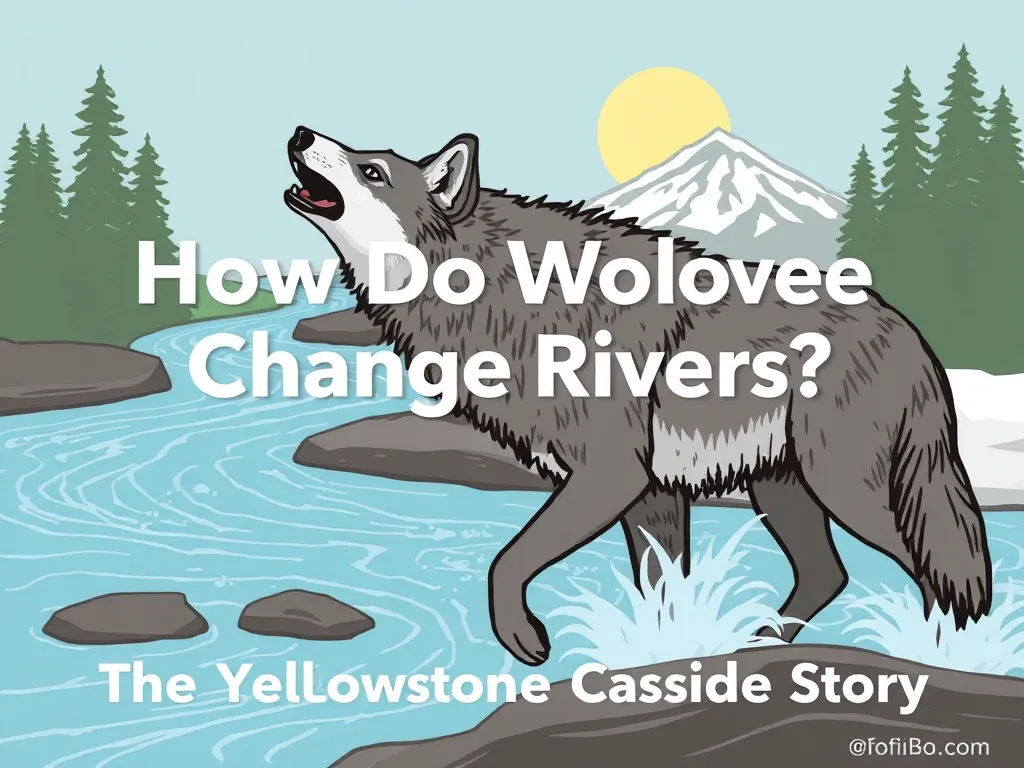
Frequently Asked Questions About How Do Wolves Change Rivers? The Yellowstone Trophic Cascade Story
What year were wolves reintroduced to Yellowstone, triggering the trophic cascade?
1995. Wolves were reintroduced to Yellowstone in 1995, which initiated the trophic cascade described in the article.
How do wolves trigger a trophic cascade in Yellowstone?
Wolves trigger a trophic cascade by preying on elk, which reduces elk browsing on vegetation. This allows plants like willows and aspens to recover, supporting beavers and other species, as outlined in the article's first section.
How do wolves change river systems in Yellowstone?
Wolves change river systems indirectly by reducing elk populations, which allows vegetation to regrow along riverbanks. This stabilizes soil, reduces erosion, and alters river flow, as covered in the article's second section.