The smallest mammal on Earth depends on how you measure it: the Etruscan shrew is the lightest by mass, while the bumblebee bat is the shortest by length. In 2026, the Etruscan shrew (Suncus etruscus) holds the title for the smallest mammal by mass, weighing roughly 1.8–3 grams—about the same as a paperclip.
This distinction is crucial for understanding Wildlife diversity. While the bumblebee bat is slightly shorter, the Etruscan shrew is generally recognized as the smallest by weight. Researchers and nature enthusiasts often debate these two tiny creatures, but the data provides a clear answer based on specific metrics.
Which animal is the smallest mammal by mass?
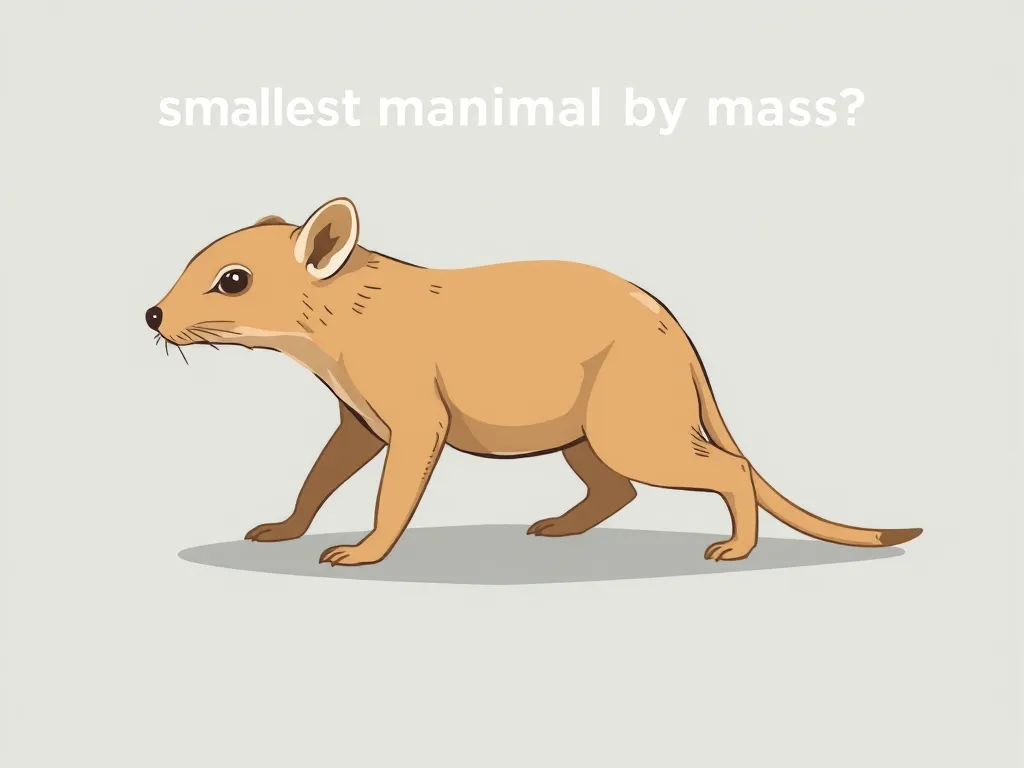
The Etruscan shrew is the smallest mammal by mass, weighing only 1.8–3 grams. This tiny creature holds the record for the lightest mammal alive today, often weighing less than a US dime.
- Weight: 1.8–3 grams (0.06–0.1 oz)
- Body Length: 35–48 mm (1.4–1.9 inches)
- Heart Rate: Up to 1,500 beats per minute
- Daily Food Intake: Up to twice its body weight
According to the Guinness World Records, the Etruscan shrew is the smallest non-flying mammal and the smallest mammal by mass. Its body length ranges from 35–48 mm, excluding the tail. The shrew’s extremely high metabolism requires it to eat constantly to survive.
What animal eats twice its body weight?
The Etruscan shrew must eat up to twice its body weight daily to sustain its rapid metabolism. Because of its high ratio of surface area to body volume, it has an extremely fast metabolism and must consume 1.5–2.0 times its body weight in food per day.
This feeding requirement is a key adaptation for survival. The shrew hunts insects and small invertebrates throughout the day and night. Its heart beats up to 1,500 times per minute, fueling this constant activity.
How does Dehnel’s phenomenon affect the Etruscan shrew?
During winter, the Etruscan shrew can shrink its brain by nearly 30% to conserve energy, a phenomenon known as Dehnel’s phenomenon. This adaptation allows the shrew to survive in colder months when food is scarce.
The shrew’s habitat spans warm, damp areas of southern Europe, North Africa, and Asia. Despite its small size, it is widespread but generally uncommon in some regions.
Which animal is the smallest mammal by length?
The bumblebee bat (Craseonycteris thonglongyai), also known as Kitti’s hog-nosed bat, is the smallest mammal by body length, measuring 29–33 mm (1.1–1.3 inches). This bat holds the record for the shortest mammal, though it is slightly heavier than the Etruscan shrew.
- Length: 29–33 mm (1.1–1.3 inches)
- Weight: Around 2 grams (0.07 oz)
- Habitat: Limestone caves in Thailand and Myanmar
- Conservation Status: Near-threatened
The bumblebee bat is the smallest bat species and arguably the world’s smallest mammal by body length. It has a distinctive pig-like snout and reddish-brown coat. Colonies average 100 individuals per cave, feeding on insects during short activity periods at dawn and dusk.
What is the habitat of the bumblebee bat?
The bumblebee bat occupies limestone caves along rivers within dry evergreen or deciduous forests in western Thailand and southeast Myanmar. Its habitat is restricted to a single province in Thailand, making it vulnerable to extinction.
Potential threats include habitat degradation and disturbance of roosting sites. The bat’s near-threatened status highlights the importance of conservation efforts for this tiny species.
How does the bumblebee bat compare to the Etruscan shrew?
While the bumblebee bat is shorter, the Etruscan shrew is lighter. The bat measures 29–33 mm long, whereas the shrew is 35–48 mm long but weighs less.
This comparison shows that “smallest” depends on the metric used. For mass, the shrew wins; for length, the bat wins. Both animals represent extreme adaptations in the animal kingdom.
What are the key differences between the two smallest mammals?
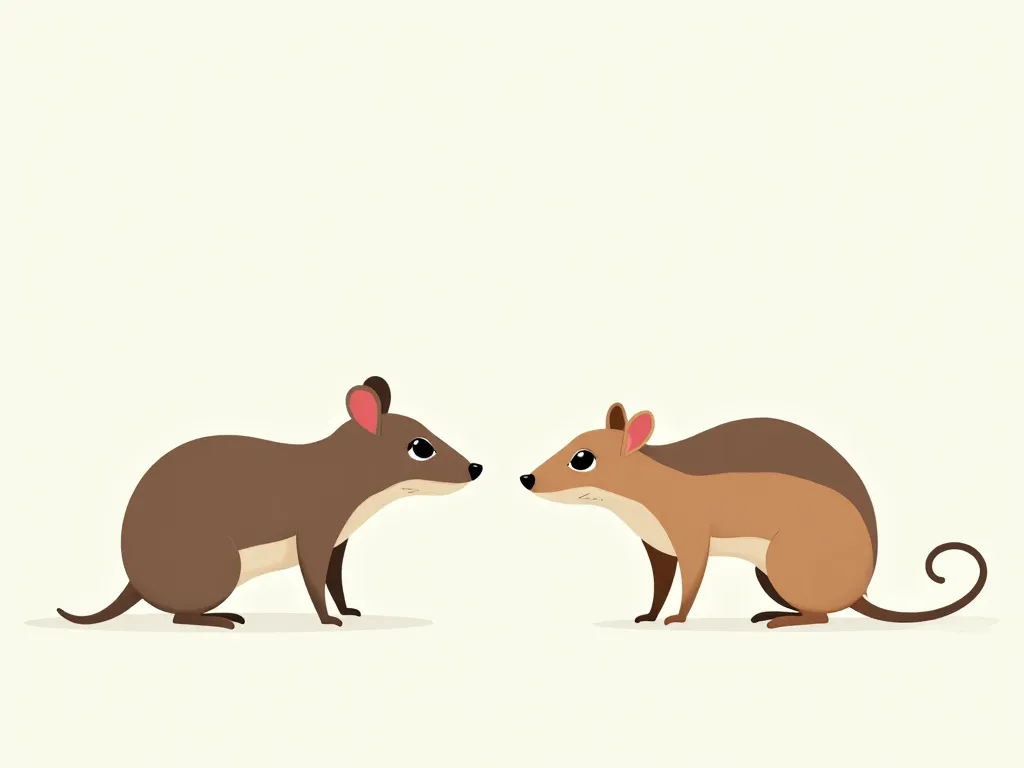
The main difference between the Etruscan shrew and the bumblebee bat is the measurement metric: mass versus length. The shrew is the lightest, while the bat is the shortest.
| Feature | Etruscan Shrew | Bumblebee Bat |
|---|---|---|
| Weight | 1.8–3 grams | ~2 grams |
| Length | 35–48 mm | 29–33 mm |
| Heart Rate | Up to 1,500 bpm | Not specified |
| Habitat | Europe, Africa, Asia | Thailand, Myanmar |
The Etruscan shrew is more widespread, found across southern Europe, North Africa, and Asia. The bumblebee bat is restricted to limestone caves in Southeast Asia. Both species face habitat challenges, but the bat’s limited range makes it more vulnerable.
Why is the Etruscan shrew considered the smallest by mass?
The Etruscan shrew is considered the smallest by mass because it weighs less than any other living mammal, averaging 1.8 grams. This is verified by multiple sources, including the Guinness World Records and the Horniman Museum.
Its tiny size allows it to occupy niche environments, but it also requires constant feeding to maintain body heat. This adaptation is a key example of extreme evolution in wildlife.
What conservation status do these species hold?
The Etruscan shrew is listed as Least Concern by the IUCN, though it is endangered in some countries. The bumblebee bat is near-threatened, with its Thai population at risk of extinction due to habitat loss.
Conservation efforts focus on protecting limestone caves and damp habitats to ensure these tiny mammals survive. Understanding their status helps prioritize wildlife protection initiatives.