The Convention on International Trade in Endangered Species of Wild Fauna and Flora (CITES) is an international, legally binding treaty signed in 1973. It regulates or bans the international trade of over 40,000 species of animals and plants to prevent over-exploitation and ensure their survival in the wild. CITES protects species through a mandatory, standardized permitting system and by assigning threatened species to one of three protection categories.
- CITES is a global treaty signed in 1973 that controls trade for over 40,000 species.
- The treaty uses a permit system to track and approve legal wildlife trade.
- Species are classified into three appendices based on their threat level.
What Is CITES and Its Main Purpose?
CITES (pronounced “sigh-tees”) stands for the Convention on International Trade in Endangered Species of Wild Fauna and Flora. It is an international agreement between governments. Its aim is to ensure that international trade in specimens of wild animals and plants does not threaten their survival.
“CITES is an international agreement between governments. Its aim is to ensure that international trade in specimens of wild animals and plants does not threaten their survival.” — cites.org
The treaty was drafted following a 1963 meeting of the International Union for Conservation of Nature (IUCN). It was opened for signature in 1973 and entered into force on July 1, 1975.
Today, CITES provides varying degrees of protection to more than 40,900 species (cites.org, 2024). This framework is essential for managing the legal trade of wildlife products, from timber to exotic pets, ensuring it remains sustainable.
How Does CITES Protect Wildlife Trade?
CITES protects wildlife through a legal framework that requires countries to adopt national laws, manage imports and exports, and monitor trade levels. The core mechanism is a permit system that ensures traceability for every listed species involved in international trade.
What Are the Three Appendices of CITES?
CITES classifies species into three appendices based on their level of protection needed. This system allows for tailored regulations that match the specific conservation status of each species.
| Appendix | Protection Level | Trade Regulation |
|---|---|---|
| Appendix I | Species threatened with extinction | Trade is banned commercially; permitted only in exceptional circumstances (e.g., scientific research) |
| Appendix II | Species not immediately threatened but may become so | Trade is allowed but strictly regulated to prevent over-exploitation |
| Appendix III | Species regulated by a specific country | Trade is controlled within that country, requiring international assistance for management |
These appendices are updated regularly through Conferences of the Parties. The system ensures that trade in species like primates, cetaceans, and sea turtles is monitored to prevent extinction.
How Does the CITES Permit System Work?
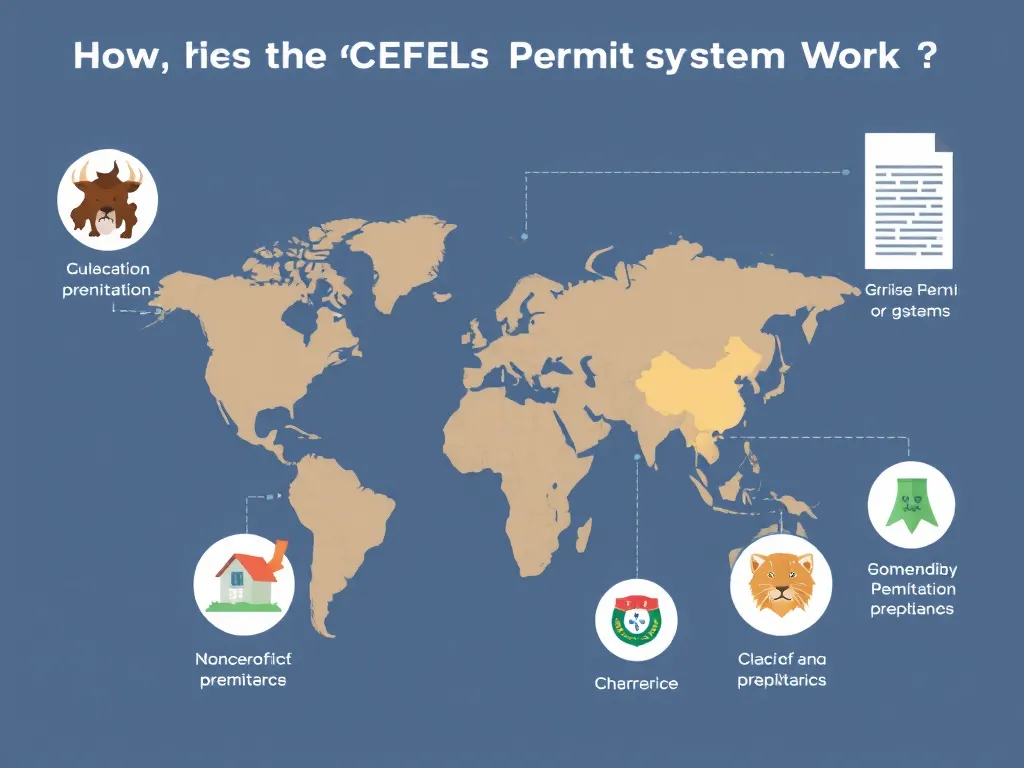
The CITES permit system is the backbone of how the treaty protects wildlife trade. International trade in listed species—whether live animals, plants, or products like furs and timber—requires specific permits. This creates a traceable chain of custody from source to market.
Each member country, known as a “Party,” appoints Management and Scientific Authorities. These bodies verify that exporting a species will not be detrimental to its survival before issuing a permit.
For example, the U.S. Fish & Wildlife Service serves as the primary authority for CITES implementation in the United States (fws.gov, 2025).
What Happens During the Permit Process?
Before any trade occurs, the exporting country’s Scientific Authority must assess the impact on wild populations. They issue a permit only if the trade is legal, sustainable, and traceable.
The importing country then verifies the permit upon arrival. This two-step check prevents illegal wildlife trafficking.
Why Is International Cooperation Critical?
With 185 Parties, CITES facilitates global cooperation against illegal wildlife trade. It creates a unified standard for enforcement, data collection, and monitoring. Organizations like the International Consortium on Combating Wildlife Crime assist Parties in enforcing these rules, including confiscating illegal specimens and imposing penalties.
This cooperation helps combat illegal, unregulated trade (IUWT), which threatens biodiversity. By ensuring trade is legal and sustainable, CITES supports the conservation of species while allowing regulated economic activity.
What Animals and Plants Are Protected Under CITES?
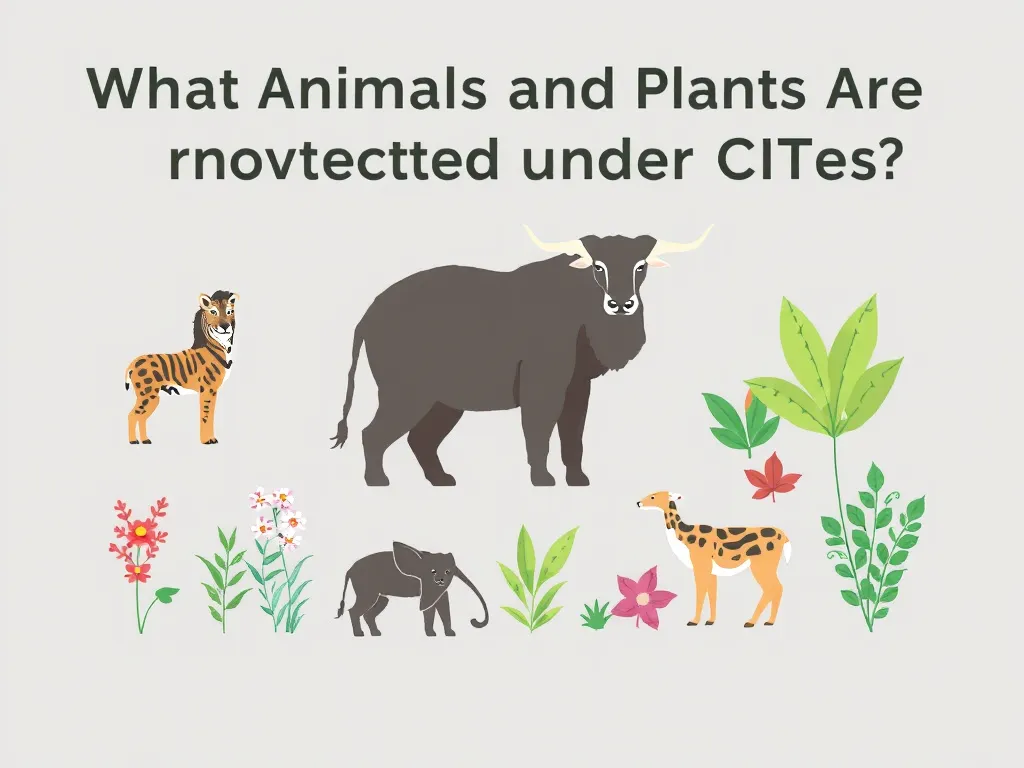
CITES protects over 40,000 species of animals and plants. These species are grouped in the Appendices according to how threatened they are by international trade. The treaty covers whole groups such as primates, cetaceans (whales, dolphins, and porpoises), sea turtles, parrots, corals, cacti, and orchids (ifaw.org, 2025).
The protection extends to both live specimens and derived products, like leather goods or medicines. This broad scope ensures that trade in high-value items does not drive species toward extinction.
How Does CITES Help Endangered Species?
CITES protects endangered species by banning or strictly regulating their trade. For species in Appendix I, commercial trade is prohibited.
This directly reduces poaching pressure and allows populations to recover. For species in Appendix II, trade is allowed but monitored to ensure it does not become a threat.
This approach has helped stabilize populations of iconic species like elephants and rhinos by controlling the legal market and reducing incentives for illegal trade. The treaty’s enforcement mechanisms, supported by global partners, make it a cornerstone of international conservation efforts.
What Is the Role of the U.S. Fish & Wildlife Service?
The U.S. Fish & Wildlife Service (FWS) is the primary U.S. authority for implementing CITES.
It manages permits, enforces regulations, and works with other countries to combat wildlife trafficking. FWS ensures that U.S. trade in wildlife complies with CITES requirements, protecting species both domestically and globally.
By working with international partners, FWS helps maintain the integrity of the global wildlife trade system. This collaboration is vital for enforcing CITES rules and preventing illegal trade from undermining conservation goals.
For more information on biodiversity and conservation, read our article on what biodiversity is and why it matters. You can also explore how de-extinction science aims to bring back lost species.
Learn about how captive breeding helps endangered wildlife. These topics connect to the broader efforts of Wildlife conservation.
CITES remains a vital tool in 2026 for ensuring that international trade supports, rather than harms, the survival of species worldwide.
Frequently Asked Questions About What Is Cites And How Does It Protect Wildlife Trade?
What is CITES and its main purpose?
CITES (Convention on International Trade in Endangered Species of Wild Fauna and Flora) is an international agreement that regulates wildlife trade to protect species from over-exploitation.
How does the CITES permit system work?
The CITES permit system works by regulating trade through three Appendices based on threat levels. Appendix I bans commercial trade, Appendix II allows strictly regulated trade, and Appendix III controls trade within specific countries requiring international assistance.
What animals and plants are protected under CITES?
CITES protects approximately 40,900 species grouped into three Appendices. Species include primates, cetaceans (whales, dolphins and porpoises), and sea turtles, categorized by how threatened they are by international trade.
What are the three CITES Appendices and their protection levels?
Appendix I protects species threatened with extinction with trade banned commercially except in exceptional circumstances. Appendix II protects species not immediately threatened but may become so with strictly regulated trade.