Octopuses change color instantly for camouflage and communication using specialized skin cells called chromatophores, which are tiny sacs filled with red, yellow, brown, or black pigment. Muscles controlled by the nervous system expand or contract these sacs, revealing or hiding the colors in a fraction of a second. This biological mechanism allows them to blend into their surroundings or signal other octopuses, even though they are believed to be colorblind.
- Chromatophores are pigment sacs that expand or contract to show color in under a second.
- The nervous system directly controls these muscles for rapid pattern changes.
- Color change serves camouflage, communication, and hunting purposes in wildlife.
The Structure and Function of Chromatophores
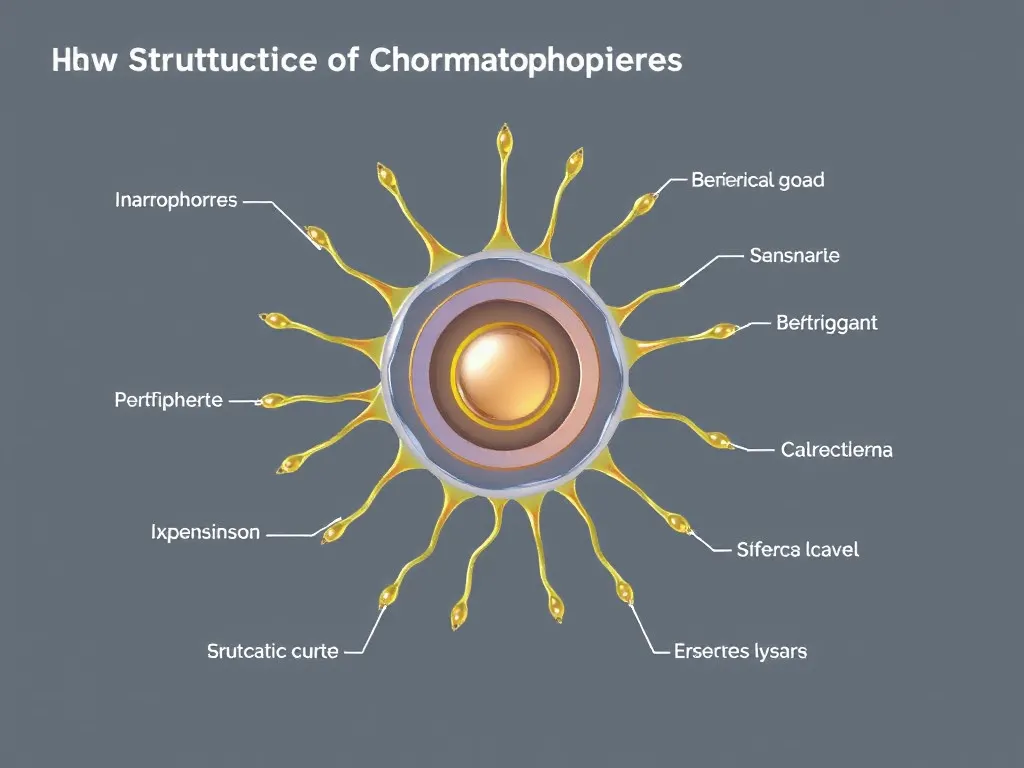
Chromatophores are the primary cells responsible for the rapid color changes seen in octopuses. Each chromatophore contains an elastic sac full of pigment, functioning like a tiny balloon that can be stretched wide or shrunk to a speck.
Pigment Sac Composition and Colors
The center of each chromatophore holds a sac filled with specific pigments. According to the Smithsonian Ocean (2026), these sacs may be colored black, brown, orange, red, or yellow. The visible color depends on how much of the sac’s surface is exposed.
When muscles tighten, the sac stretches wider, making the pigment visible across the skin. When muscles relax, the sac shrinks, hiding the color.
Speed of Color Change
The expansion and contraction happen extremely fast. Research indicates that octopuses can change color in a fraction of a second.
This speed is critical for survival, allowing them to match shifting backgrounds or startle predators instantly. The direct connection between nerves and muscles enables this near-instantaneous response.
Nervous System Control
Each chromatophore cell is attached to a nerve. The Ocean Conservancy (2019) notes that the expansion or contraction of these cells is controlled by the nervous system.
When the brain signals the muscles to pull, the sacs open up, changing the skin’s color. This direct neural control allows for complex patterns, even though octopuses lack the color-detecting cells found in human eyes.
How Octopuses Control Color for Survival
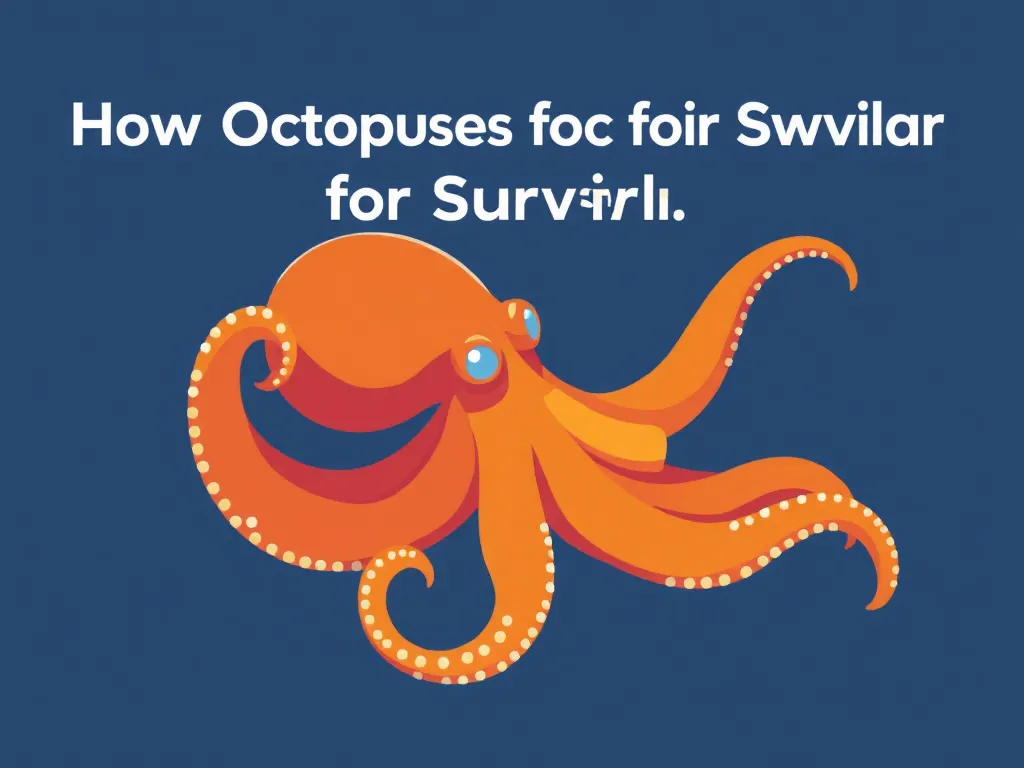
Beyond the basic mechanics, octopuses use their color-changing ability for specific survival tasks. The process involves not just chromatophores but also underlying cell layers that enhance the effect.
Camouflage Against Predators
The most obvious reason for color change is to hide from predators. Octopuses can alter their skin color to match rocks, coral, or seaweed. This camouflage is aided by iridophores, located beneath the chromatophores.
Iridophores reflect ambient light to create iridescent blues, greens, and golds, adding depth to the disguise. Additionally, leucophores act as a white background, mirroring the surrounding environment for better blending.
Communication with Other Octopuses
Color change also serves as a communication tool. Octopuses signal excitement, fear, or mating intentions to others through rapid pattern shifts.
This is possible due to the sophisticated, direct nervous system control that allows for complex displays. Even though they are colorblind, the patterns they create are visible to other octopuses and marine observers.
Hunting and Mimicry
For hunting, octopuses use color change to trick or sneak up on prey. The mimic octopus, for example, can alter its skin color and pattern to imitate other sea creatures.
This is achieved through chromatophores contracting to release pigments like xanthommatin. The ability to change texture via papillae—muscle projections that alter skin surface—further enhances this mimicry, allowing them to match rocks or coral physically.
How Does Changing Color and Texture Help the Octopus?
Changing both color and texture helps the octopus blend seamlessly into its habitat. While chromatophores handle the visual color, papillae adjust the skin’s physical texture to match rough rocks or smooth coral.
This dual adaptation makes camouflage highly effective, as noted in People Also Ask data from 2026. It allows octopuses to avoid detection by predators and approach prey unnoticed.
The Science Behind Rapid Color Adaptation
The octopus’s ability to change color so fast is a marvel of biological engineering. It relies on a combination of specialized cells and direct neural pathways.
Layered Skin Structure
The octopus skin has multiple layers. Chromatophores sit on the top layer, with iridophores and leucophores underneath. This stacking allows for layered color effects.
For instance, iridophores provide shimmering reflections, while leucophores offer a neutral base. The Two Oceans Aquarium (2021) explains that this structure enables octopuses to reflect surrounding light, enhancing their camouflage in various environments.
Why Are Octopuses Colorblind Yet Effective?
A common question is how colorblind animals manage such precise color changes. The answer lies in the nervous system’s ability to process light information through other means.
Chromatophore cells can detect light, essentially allowing each cell to “see” without traditional eyes. This distributed sensing helps the octopus adjust its patterns based on ambient light, even without color vision.
Real-World Examples and Observations
In 2026, researchers continue to study octopus color change using spectral data. A study published in PMC (2022) shows that octopuses change both lightness and chromaticity, allowing effective camouflage across diverse backgrounds. Video frames from Keishu Asada reveal changes in as little as 400 milliseconds, demonstrating the speed of this adaptation in real time.
How Do Mimic Octopuses Change Skin Color and Pattern?
Mimic octopuses use chromatophores to contract and release pigments, creating patterns that imitate other species. This involves xanthommatin, a pigment that shifts colors based on muscle control.
The process is rapid and precise, allowing the octopus to deceive predators and prey alike. This ability highlights the versatility of chromatophores beyond simple color display.
Conclusion
Octopuses change color through a complex system of chromatophores, iridophores, and leucophores, all controlled by the nervous system. This mechanism allows for instant camouflage, communication, and hunting in the wild.
For more on wildlife adaptations, explore Wildlife topics like. Understanding these biological wonders deepens our appreciation for ocean life.
Frequently Asked Questions About How Do Octopuses Change Color? The Chromatophore Explained
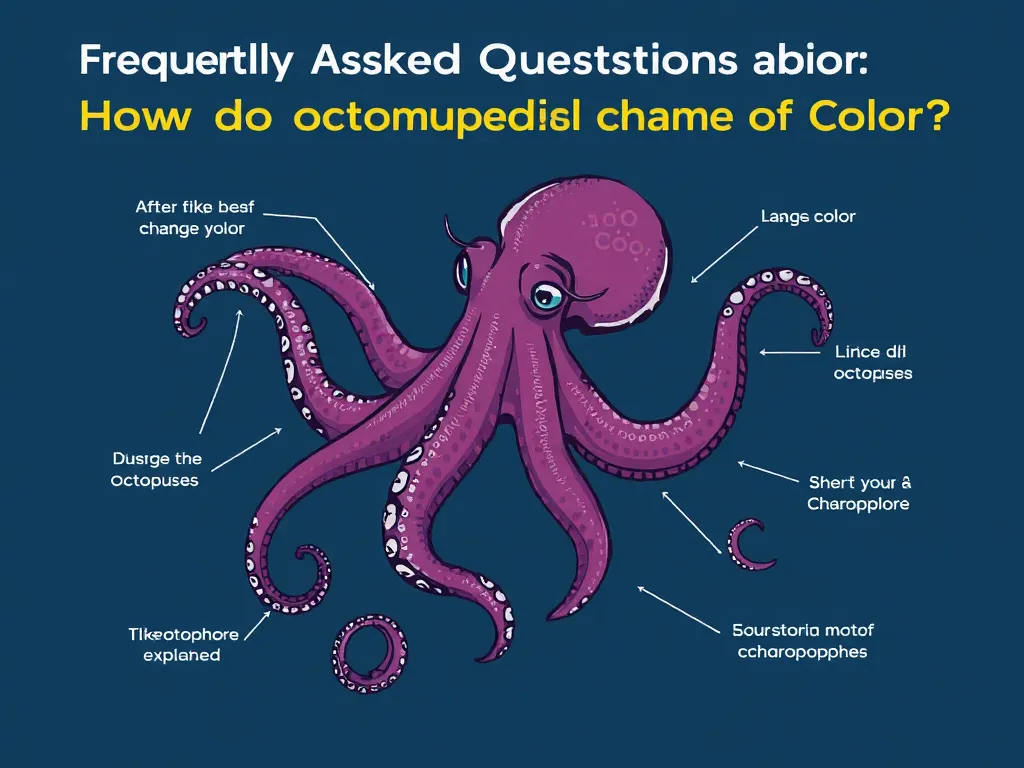
How do octopuses control chromatophores?
Chromatophores and papillae are controlled by motor neurons projecting from the brain. This direct neural control allows octopuses to rapidly change skin color and texture for camouflage and communication, as explained in the article's sections on chromatophore structure and survival strategies.
How do chromatophores create color?
Chromatophore organs produce ultra-fast changes in appearance using light-scattering pigment granules within chromatocytes. This mechanism enables octopuses to adapt their coloration for survival, as detailed in the article's discussion on rapid color adaptation.